 Search



- 4.8 billion US dollars invested in wind power, data centers, schools, and hospitals
- This means that Kazakhstan is directing foreign investment towards industrial upgrading
- It also opens a new window for Chinese enterprises to participate in the transformation of Central Asia
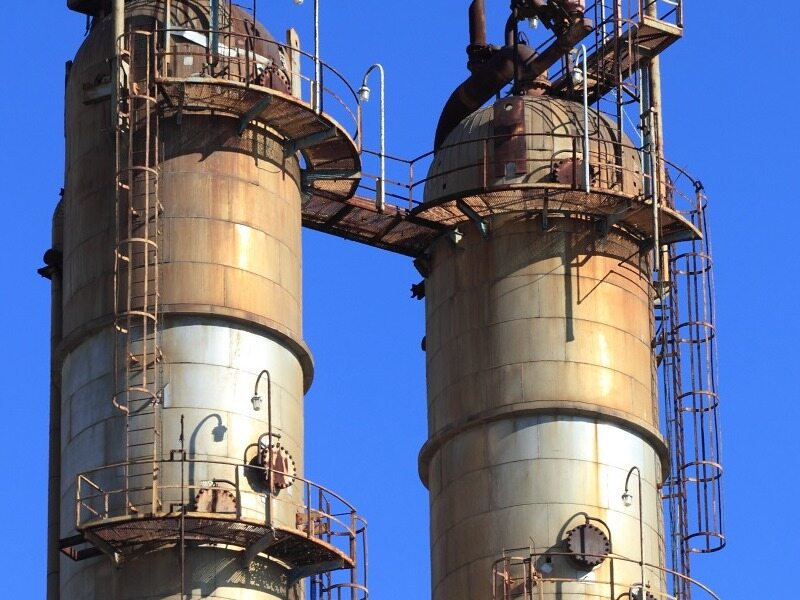
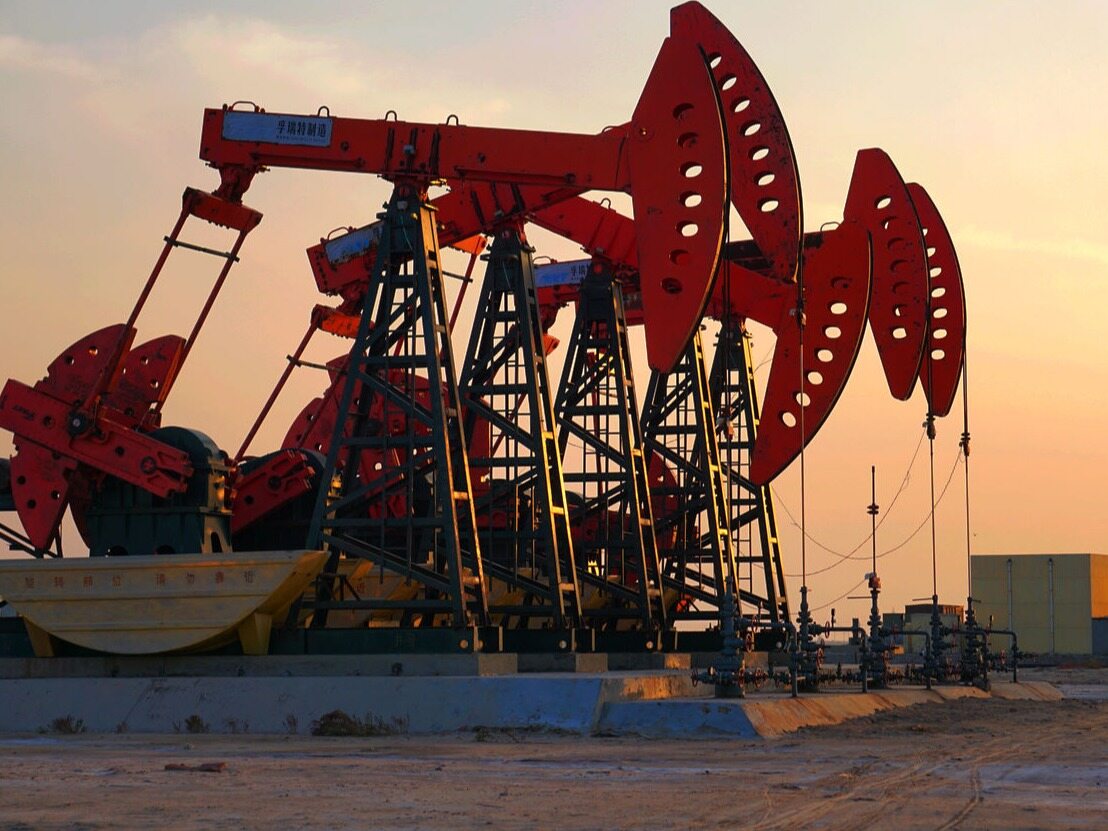
In October in Shymkent, the sunshine in South Kazakhstan still carries warmth. More than forty years ago, this city entered the industrial age due to a refinery; The refinery built during the Soviet era was later renovated with the participation of China National Petroleum Corporation, with an annual processing capacity increased to 6 million tons and a cumulative tax payment of 875 million US dollars, creating more than 1700 job opportunities for the local area. Nowadays, what makes the same city the focus again is no longer the oil pipeline, but a data center, an inclusive school, and a stack of investment documents worth a total of $4.8 billion.
The big order falls on Shymkent
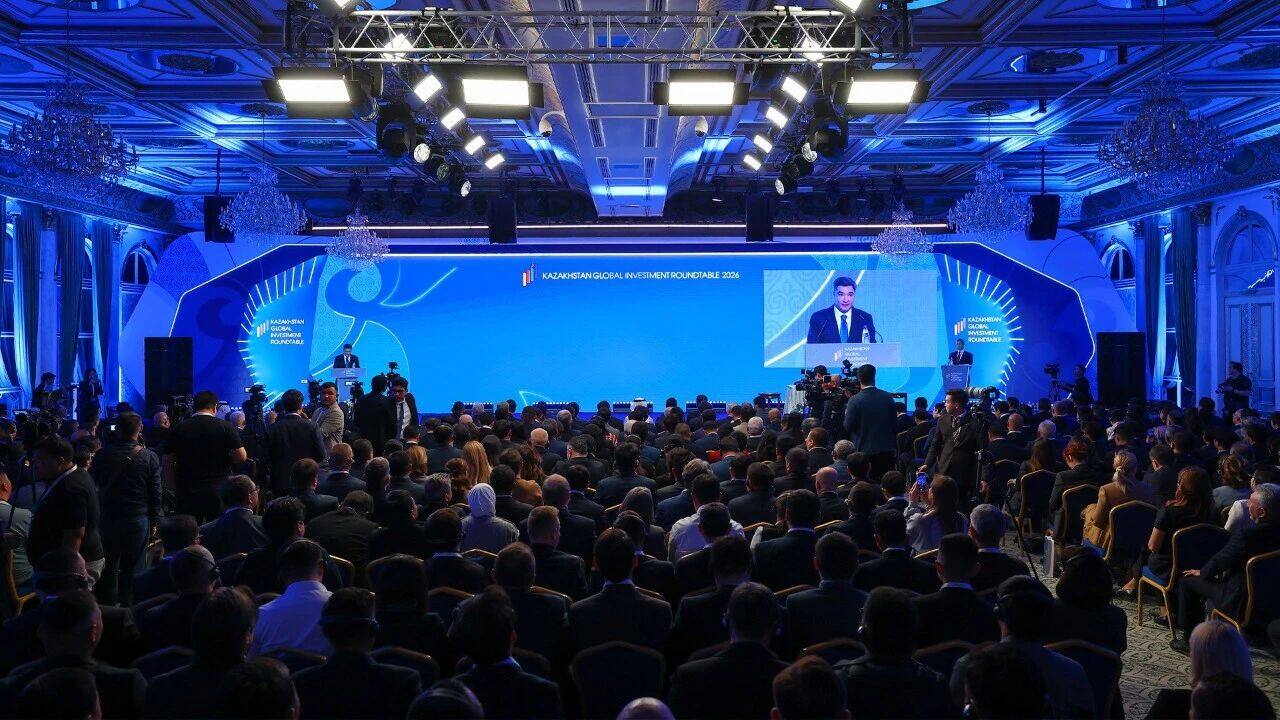
On October 22, 2026, the 9th Kazakhstan Global Investment Roundtable Conference was held here, attended by Prime Minister Orzas Bekezinov and over 500 investors and business representatives from more than 40 countries. The conference theme focuses on new solutions for the transitional era, and Kazakhstan is attempting to shape itself as the center of sustainable economic development. The choice of Shymkent itself carries a meaning: this city is located at the intersection of the main Eurasian trade route and the international transportation corridor from Western Europe to Western China.
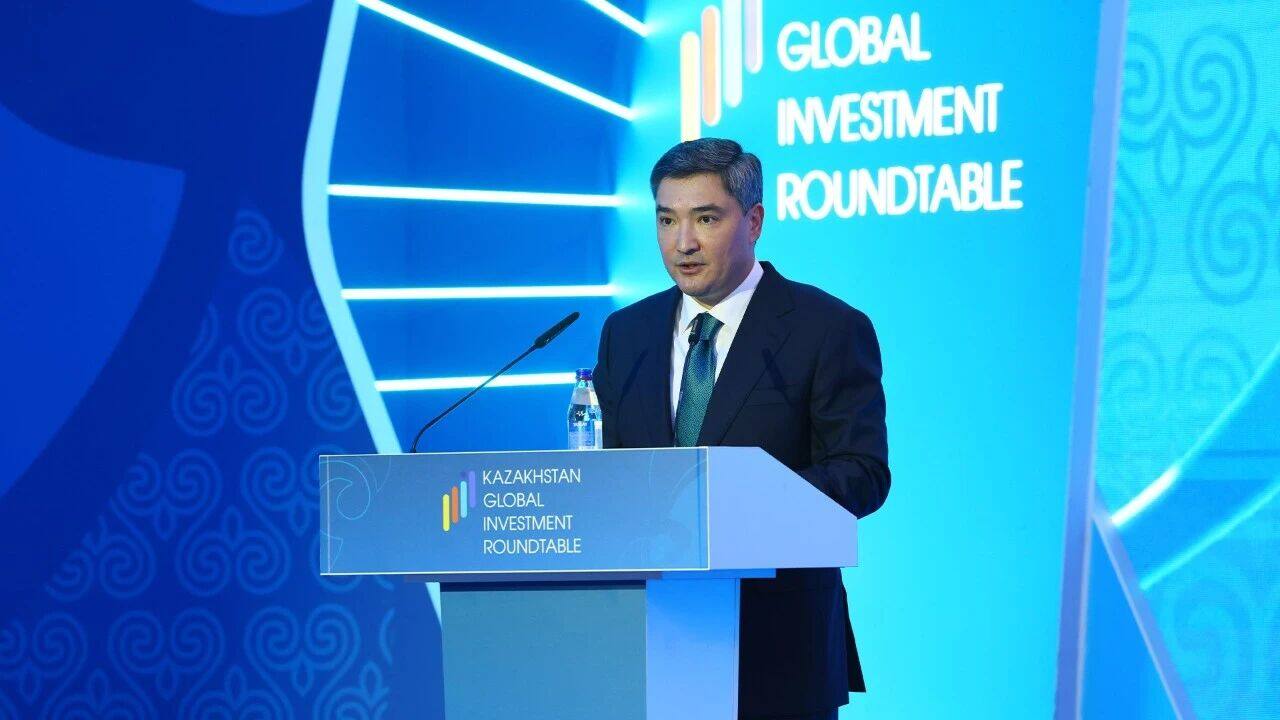
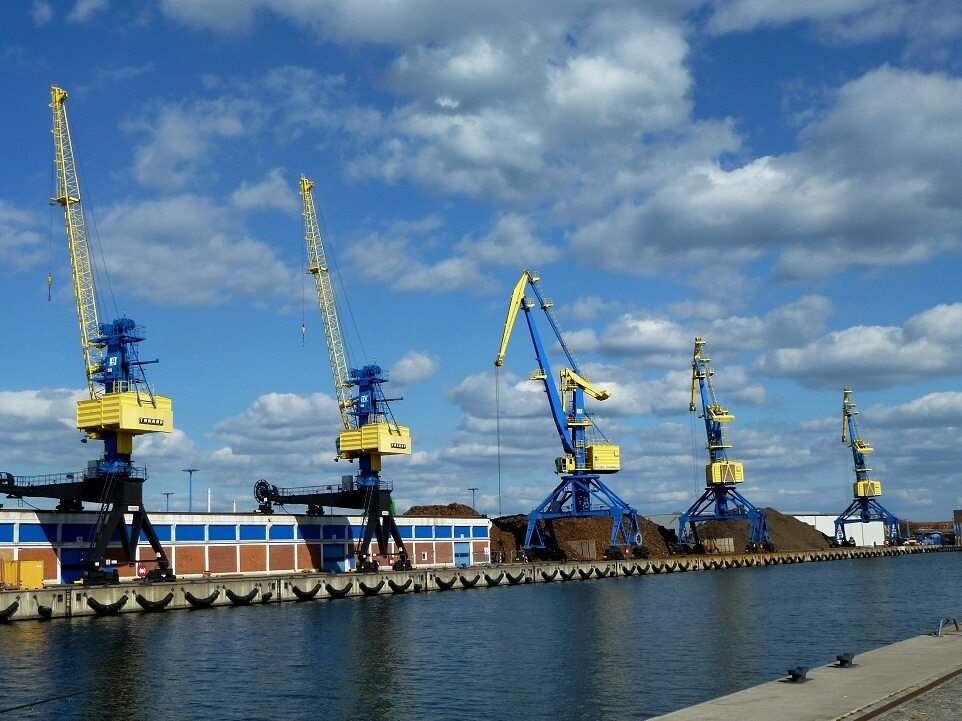
At the meeting, a total of 22 investment documents were signed, with a total amount of 4.8 billion US dollars, in the form of investment agreements and memorandums of understanding. The three largest amounts are all in the $1 billion range: the signing of a contract between Baytielek State owned Holding Company and China Guoyou Materials Group headquartered in Tianjin, and the construction of a multifunctional terminal at Kurik Port; Building a network of 20 regional inclusive schools; Constructing a 1000 MW wind farm and energy storage system in Kostanay state, with an investment of 730 million US dollars. In addition, there are glass container manufacturing plants in Aktobe, polyethylene terephthalate preform production and plastic recycling plants in Shymkent, polypropylene packaging bag factories in Kyzylorda Oblast, and university campuses in Astana.
Energy and digital are the main pillars
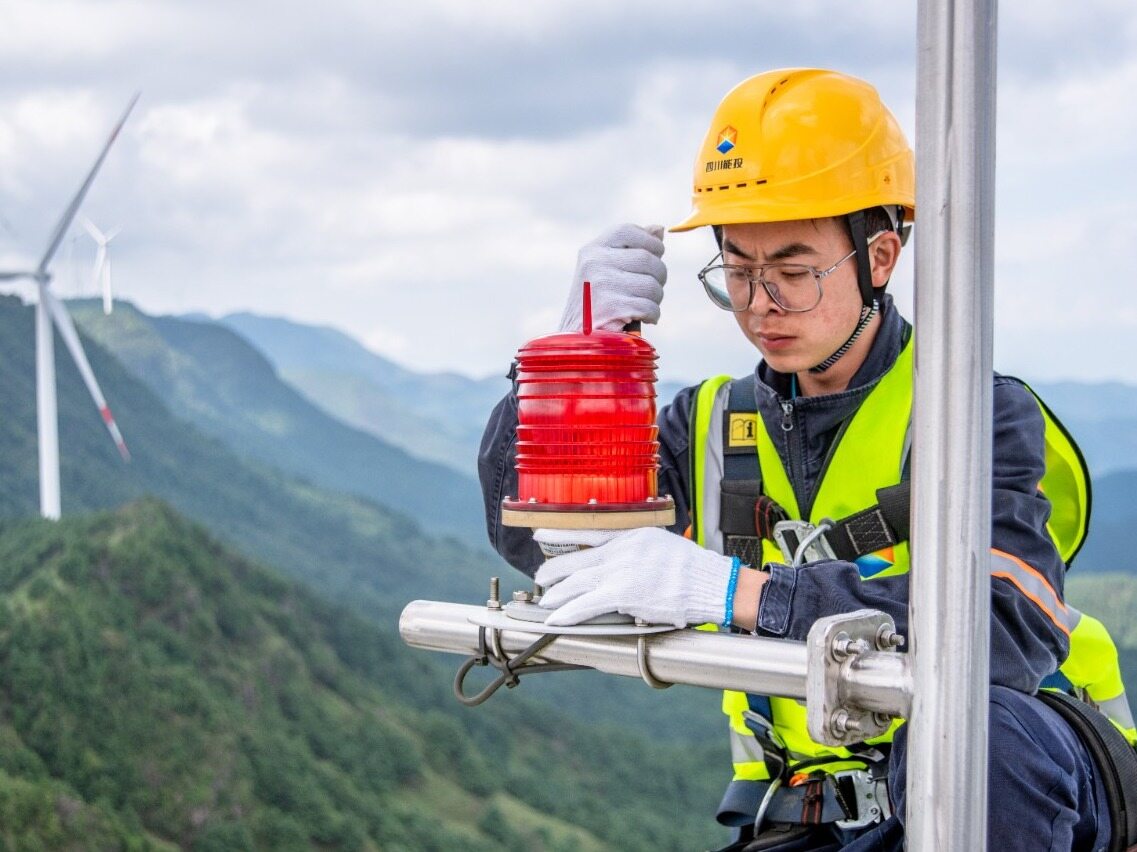
From the perspective of project structure, energy and digital infrastructure are the main focus. In addition to the Kostanay state wind farm, it also includes the construction of a 250 MW data center in the Data Center Valley, with an investment of 500 million US dollars; Constructing an intelligent road control system throughout Kazakhstan with an investment of 249.6 million US dollars; Constructing a meat industry cluster in Turkestan state with an investment of 111.1 million US dollars.
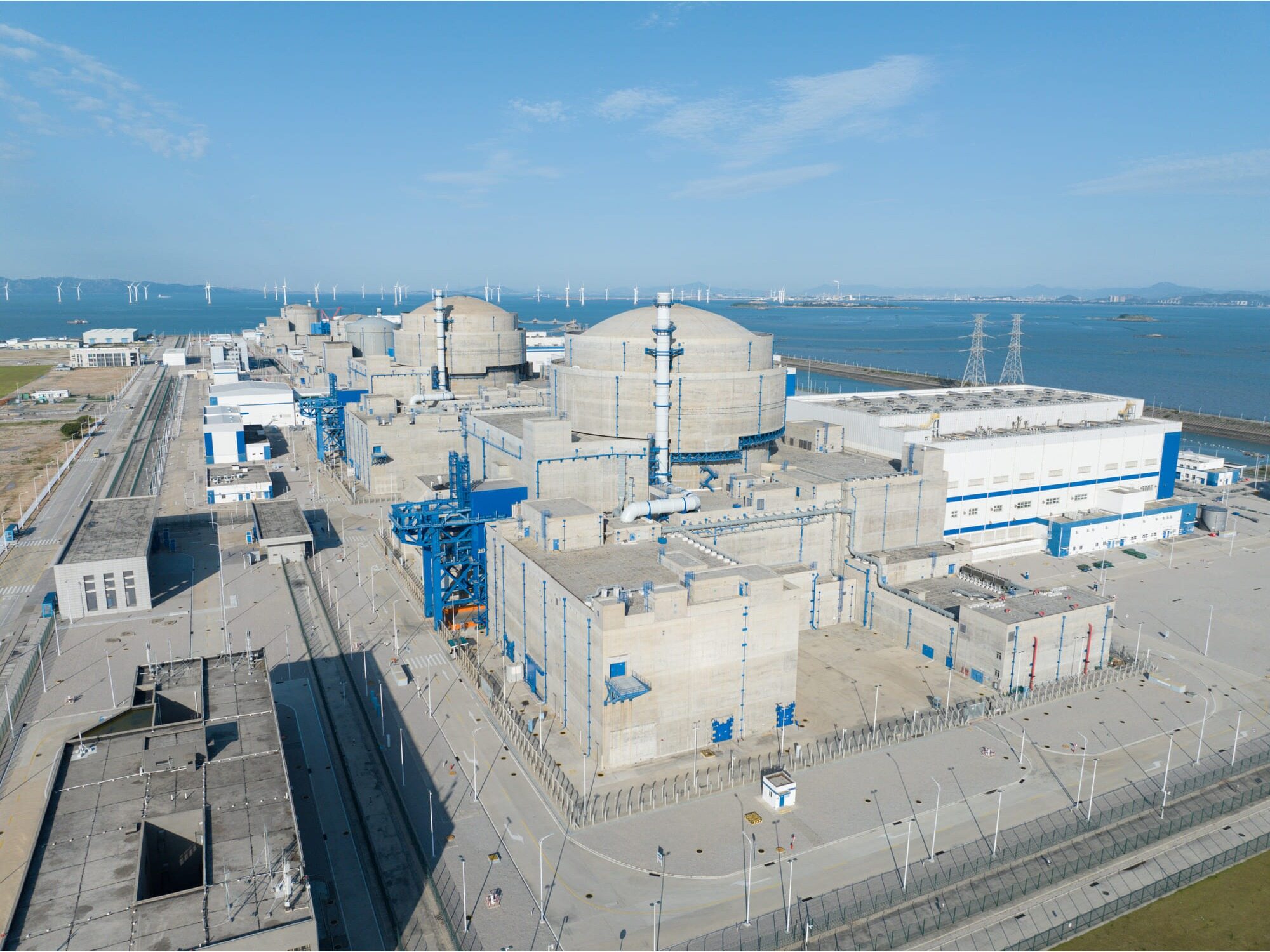
This transformation path is not just a paper talk. Bektenov inspected Masdar's wind farm in Zambel Oblast, China Energy's renewable energy facilities in Karaganda and Turkestan Oblast, Carlsberg Group's soft drink factory in Almaty Oblast, as well as the Alsera Greenhouse Complex and QazAlPack factory in Shymkent before the plenary session. The role of Chinese enterprises is also changing: Shaanxi Construction Engineering Holdings Group has landed a domestic waste heat recovery and utilization project in Chimkent, moving from engineering contracting to integrated construction and operation. In terms of inventory, Stadler Rail has already produced a new generation of passenger cars in Astana, Carlsberg has opened a beverage production facility, PepsiCo is preparing to launch a snack factory, Mars is building a pet food production facility, and Air Liquide is promoting a hydrogen energy project.
Policy and credit as backing
Bektenov provides investment fundamentals: Last year, the gross domestic product exceeded 300 billion US dollars, with a growth rate of 6.5%; Since independence, it has attracted nearly $500 billion in foreign direct investment, with over $100 billion in the past five years. The government is implementing the investment policy concept updated until 2030, with priority areas including manufacturing, chemical industry, food production, transportation machinery, agricultural and industrial complexes and agricultural product processing, digitalization, and information technology infrastructure.
Synchronous follow-up of supporting measures: Kazakhstan Investment House, operating under the single window principle, provides over 100 export and industrial support services. The special golden visa system is being implemented, and British law can be applied within the Astana International Financial Center framework. There is also an investor rights protection mechanism at the level of the Prosecutor General's Office. On the credit front, there is also support: S&P has upgraded Kazakhstan's sovereign rating to BBB, with a stable outlook for the first time in a decade; In the Global Investment Risk and Resilience Index, the country has risen 17 places to 53rd place.
Wherever money flows, industries grow. The true weight of the 22 documents may not be realized until these wind power, data centers, and schools are truly operational.Editor/Yang Meiling
Comment

 Praise
 Collect
 Comment

 Share


Write something~