 Search


- This 272 kilometer railway is the main artery connecting landlocked Uganda to the Indian Ocean
- If the money is not in place every day, the logistics costs and regional trade opportunities in East Africa will have to wait an extra day
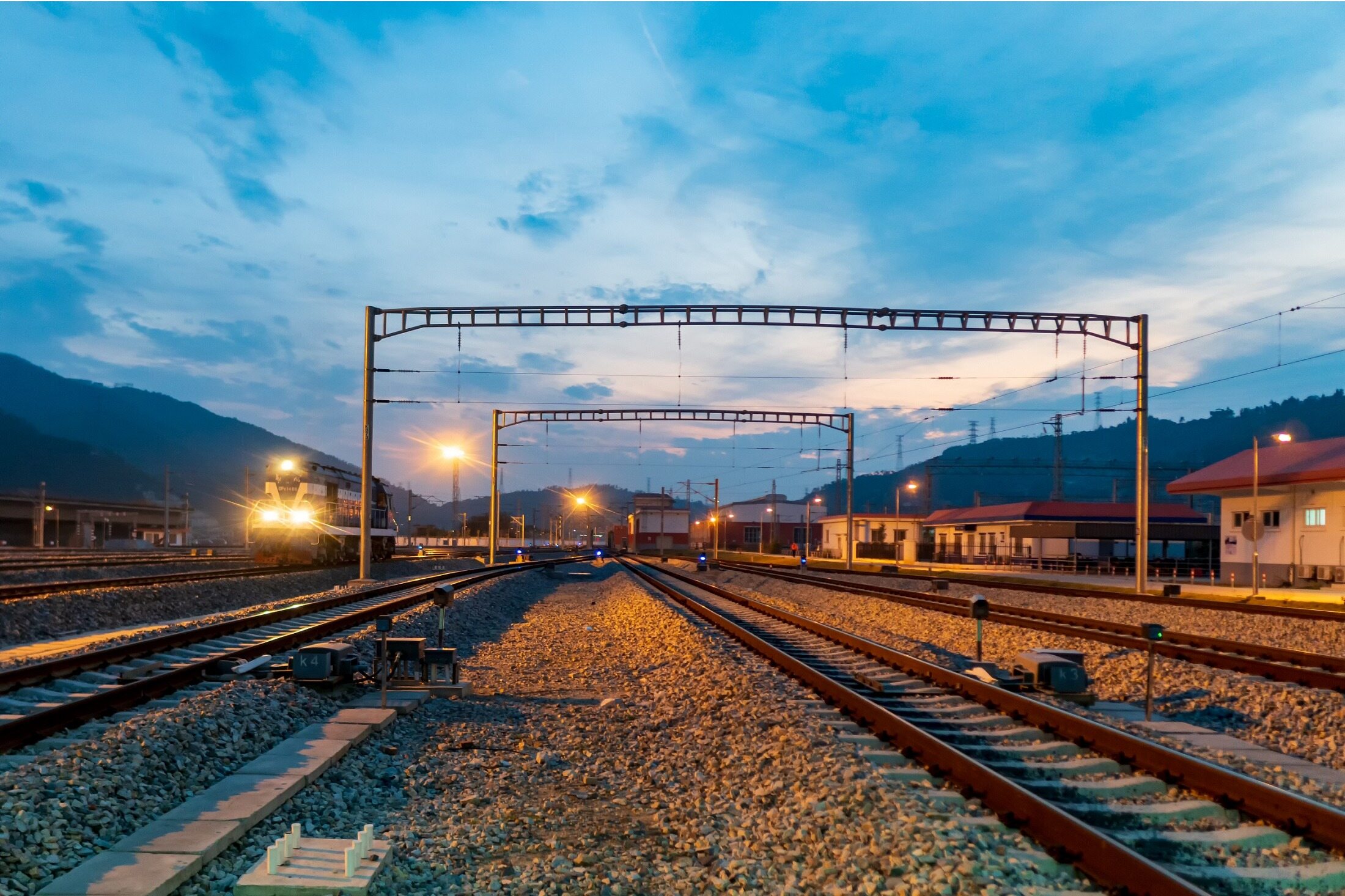
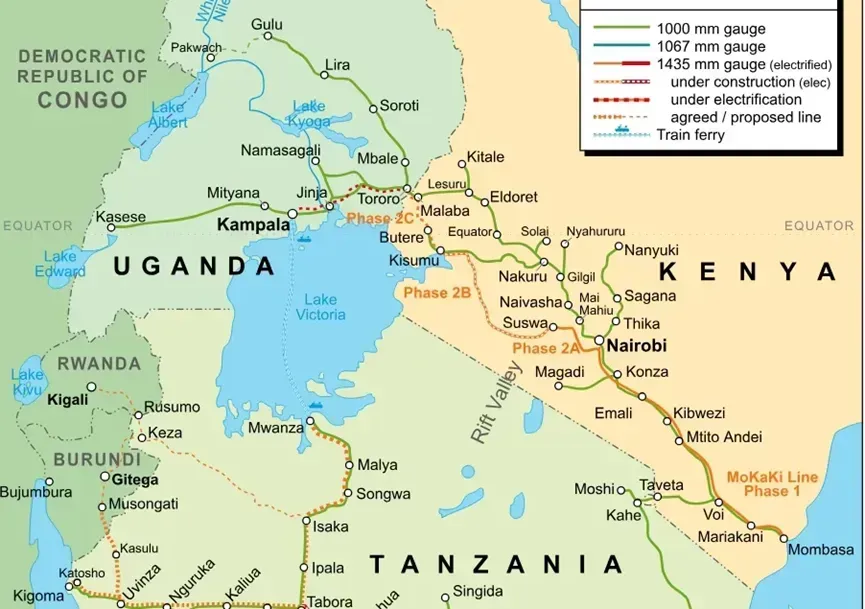
At the Malaba Port in the early morning, trucks heading towards Kenya lined up in long lines. For Uganda without an outlet to the sea, this road leading to Mombasa Port is almost a lifeline for foreign trade. That is why the planned Kampala Malabar standard gauge railway carries the decades long expectation of this landlocked country: to transport goods directly from the capital onto trains bound for the Indian Ocean.
According to the Ugandan newspaper The Independent, this 272 kilometer railway with a total financing requirement of approximately 2.7 billion euros is facing a new round of financing challenges. The preliminary preparations along the route have been launched, but the funds have not been fully secured. The transition from the preparation stage to full-scale construction is still uncertain, and the financing closure target originally scheduled for November 2026 may be postponed to 2027.
A railway that has been waiting for ten years
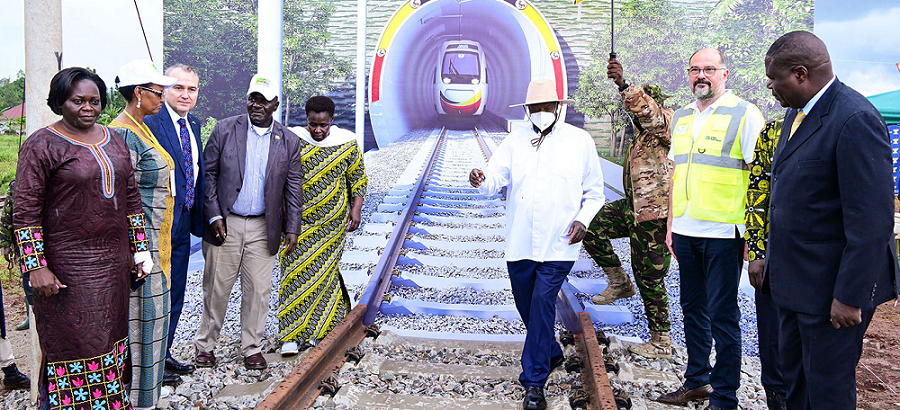
Uganda's dream of a standard track has been repeatedly shelved. In 2015, the country signed an agreement with China Harbour, but the contract was terminated in 2023 due to eight years of financing not being implemented; In October 2024, the project will be transferred to Yap ı Merkezi of Türkiye for a total contract price of 2.7 billion euros. In November of the same year, the groundbreaking ceremony will be held, with a construction period of 48 months and a design speed of 120 kilometers per hour. This section of the line is the first phase of the planned 1724 kilometer standard gauge network, which will be connected to the Kenyan road network in Malaba after completion. The progress on the other side is faster: the extension of the Kenya Nairobi Malaba railway has started construction, and the leaders of the two countries jointly attended the launch ceremony of the Kisumu Malaba section in March this year.
Who will contribute 2.7 billion euros
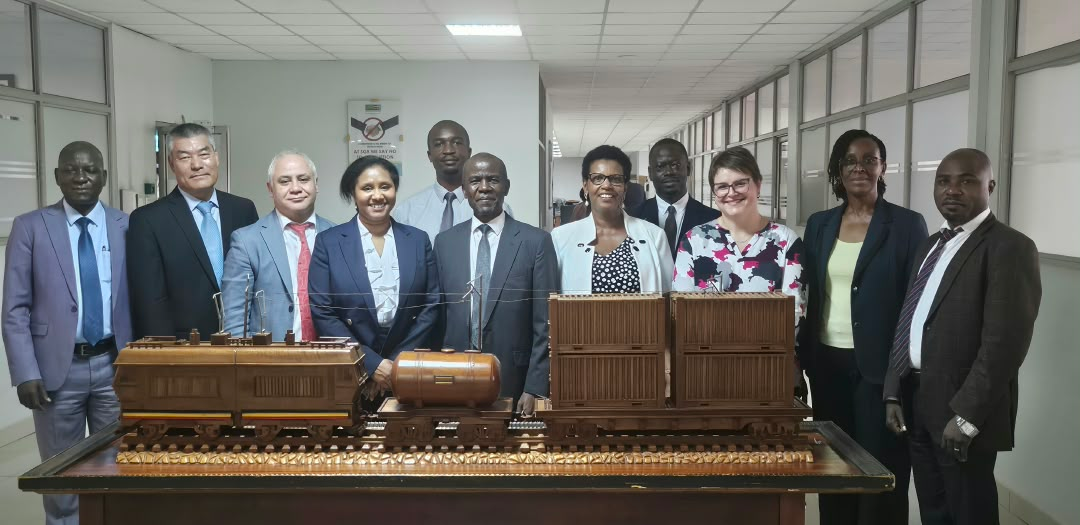
The funding puzzle is still incomplete. The Islamic Development Bank has approved 650.75 million euros, but the disbursement is subject to the German Renaissance Credit Bank's contribution to the infrastructure project; The African Development Bank has tentatively arranged about 550 million euros, and the final plan is yet to be evaluated; The OPEC International Development Fund is considering a loan of 150 million euros, which has not yet been officially approved. Citibank has been hired as the financing coordination agency, and due to the interdependence of approval and disbursement conditions among various parties, any delay in any link may hinder the overall situation. Previously, Uganda had utilized approximately 75 million euros of domestic funds for the construction of the Iganga concrete sleeper factory, construction camp, and related site projects, with land compensation being simultaneously promoted; The OPEC Fund technical team went to the site for inspection, focusing on verifying whether the money was transparent and compliant, and whether the land compensation left any legal risks. The Ukrainian side also plans to issue its first sovereign Islamic bond, covering approximately 15% of the cost.keywords:Engineering infrastructure
Variables outside the construction site
The greater uncertainty comes from the contract itself. Uganda once signed a limited commencement notice agreement with Yap ı Merkezi, allowing for advance preparation before the comprehensive financing closure to promote the early start of the project. In June of this year, the contract was rumored to be cancelled, and the government has yet to confirm its termination. This kind of uncertainty will amplify financial institutions' judgment of implementation risks, which in turn will slow down the pace of lending and make waiting construction sites continue to wait.Editor/Yang Meiling
Comment


 Praise
 Collect
 Comment

 Share


Write something~