 Search


- Multiple FPSOs have made consecutive breakthroughs, continuously unleashing the potential of oil and gas production capacity
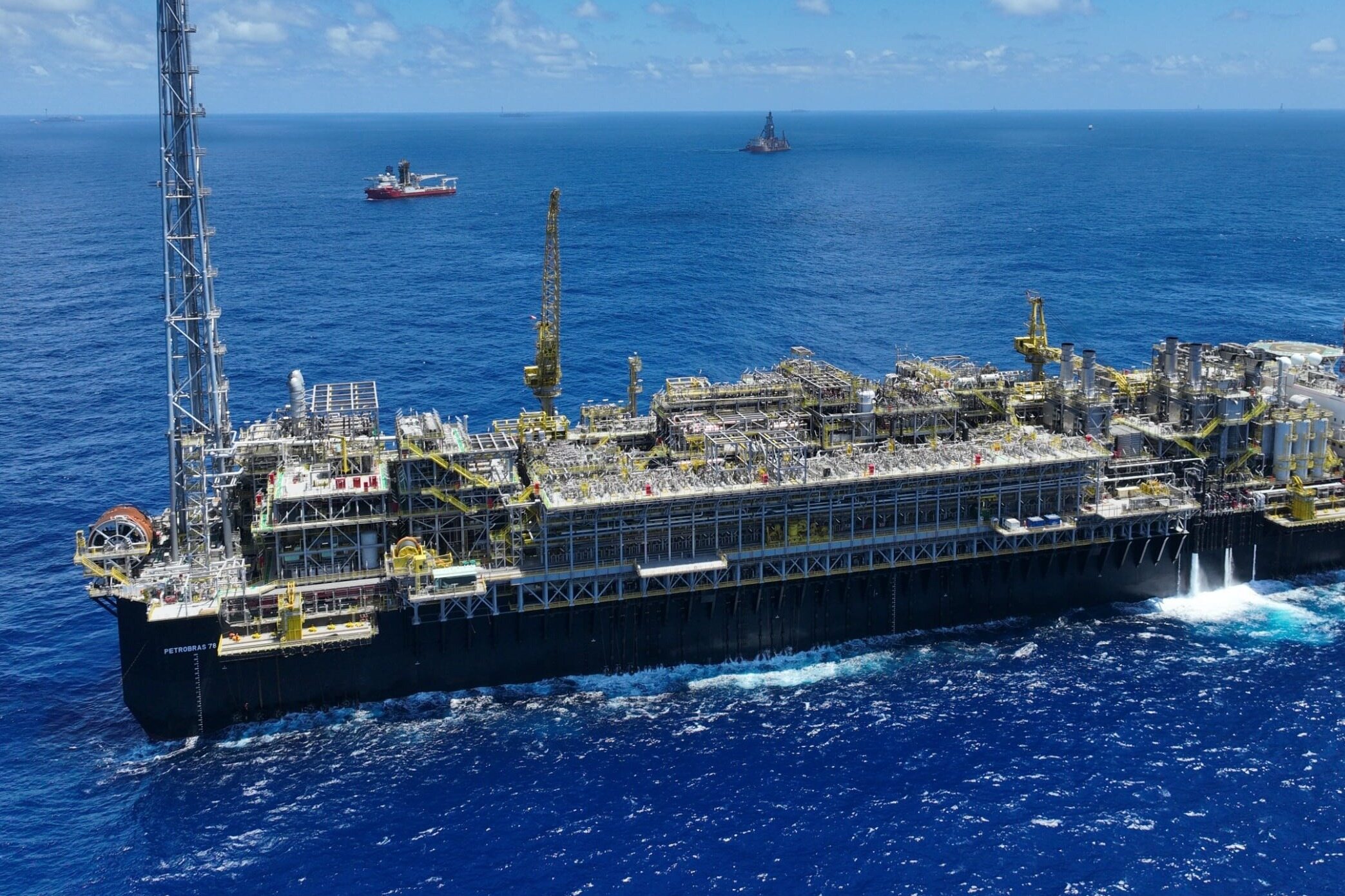
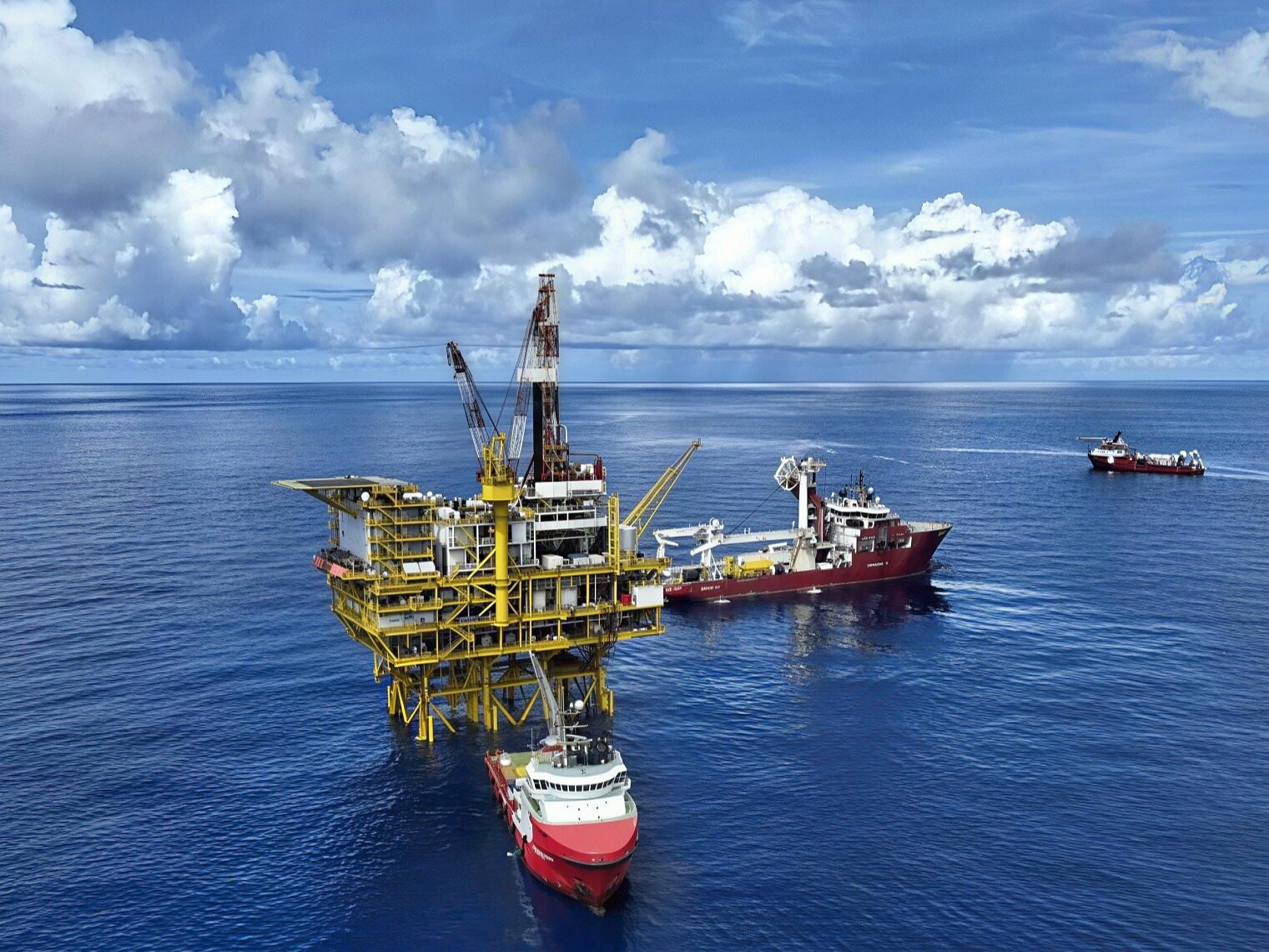
At the bottom of the Atlantic Ocean in the southern hemisphere, oil reservoirs beneath thousands of meters of salt layers rush ashore along the veins of steel giants. Lao Lin, a platform engineer who has been drifting in the Brazilian waters for over a decade, is most certain that the moment he sees is not when he sees a report, but when the FPSO on the monitoring screen continues to exceed its production capacity limit, day after day receiving gifts from the deep sea.
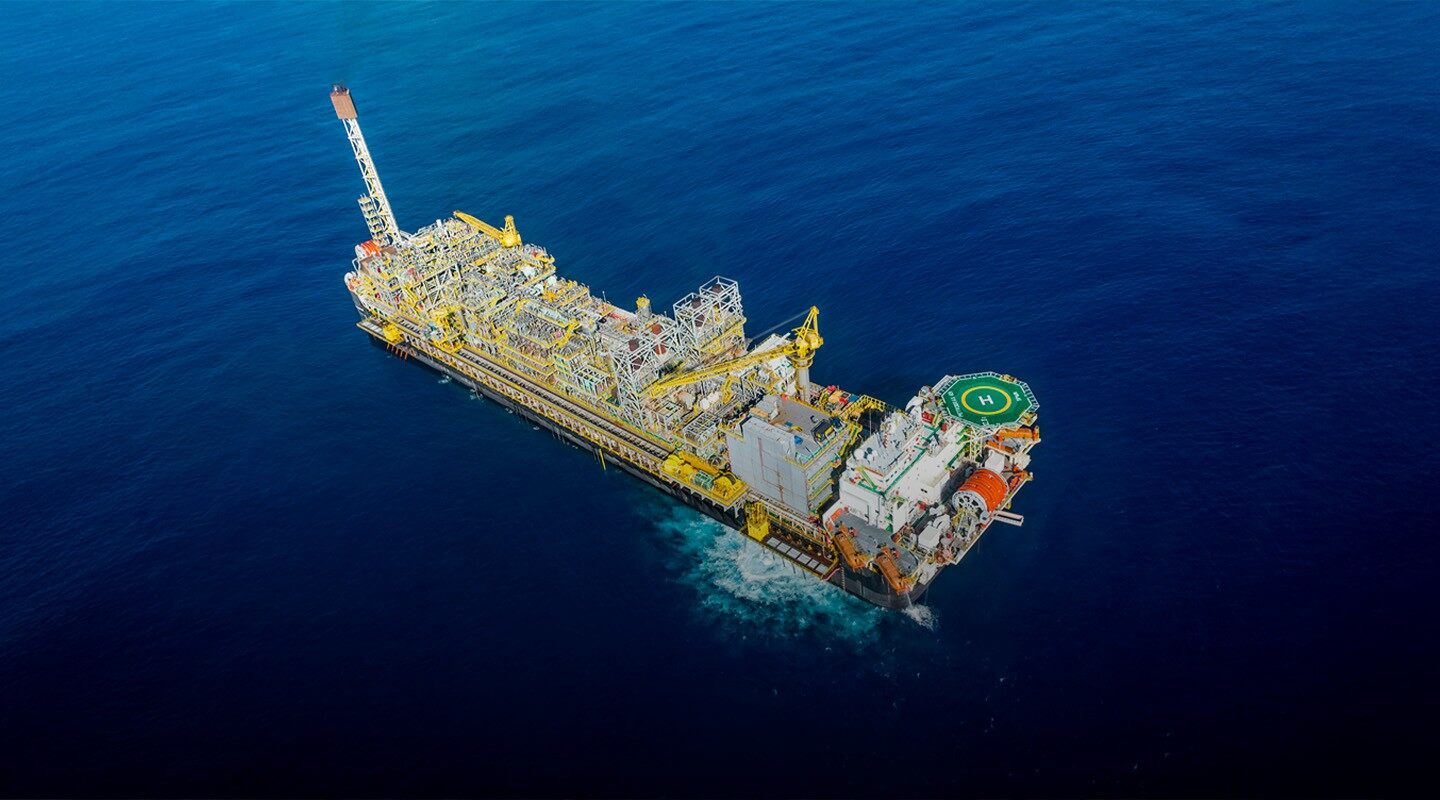
Production hits a new historical high
Petrobras' third quarter oil and gas production reached a historic high, with self owned equity oil and gas production of 3.512 million barrels of oil equivalent per day, with outstanding contributions from pre salt oil fields. The increase in production relies on multiple factors such as FPSO production, new well commissioning, and facility operation and maintenance optimization, resulting in outstanding performance in the B ú zios and Mero oil fields.
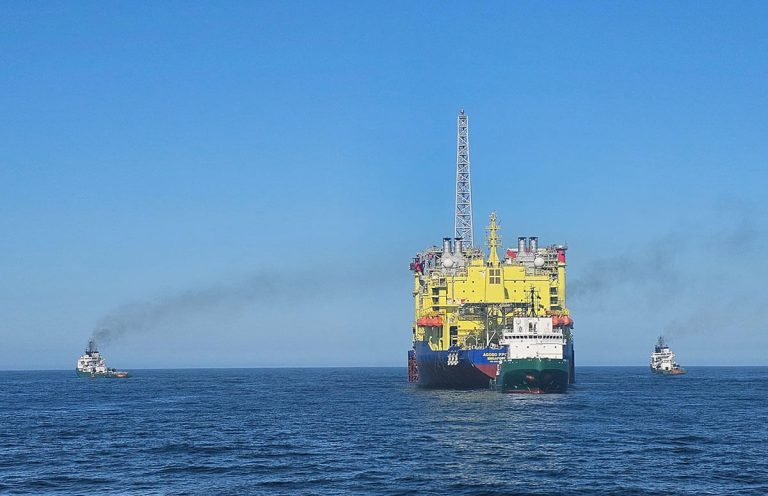
Multiple equipment continue to exert force
Multiple FPSOs from the B ú zios and Mero oil fields have successively exceeded their production capacity limits, with some equipment being constructed by domestic offshore companies. Two new FPSOs, P-80 and P-82, have set sail for Brazil, with plans to start production in 2027 and further expand oilfield production capacity. The project adopts a multi country collaborative manufacturing model with significant internationalization features. Keywords: FPSO, oil and gas, international
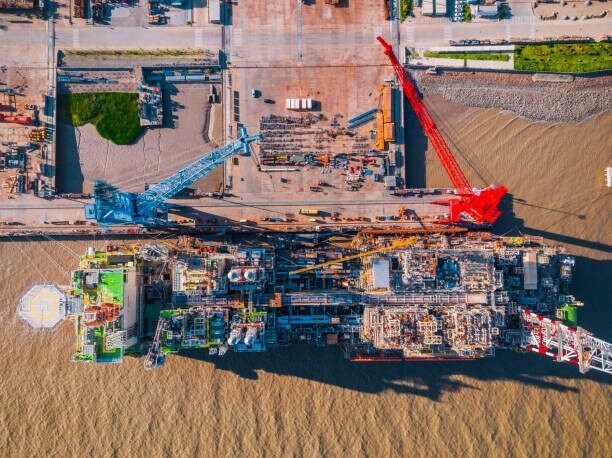
Opportunities in the offshore market are emerging
The Brazilian sub salt oil fields continue to drive the demand for FPSO, and equipment is developing towards large-scale and high integration. Domestic marine engineering enterprises are deeply involved in the manufacturing and supporting services of ship hulls and modules, synchronously benchmarking international safety standards, and seizing opportunities for overseas energy engineering cooperation.Editor/Gong Ziwei
Comment


 Praise
 Collect
 Comment

 Share


Write something~