 Search


- To catch the electricity wave caused by AI and semiconductors
- Singapore invests SGD 5.3 billion over five years to upgrade its power grid
- Transforming transportation capacity into a new chassis for industrial competition
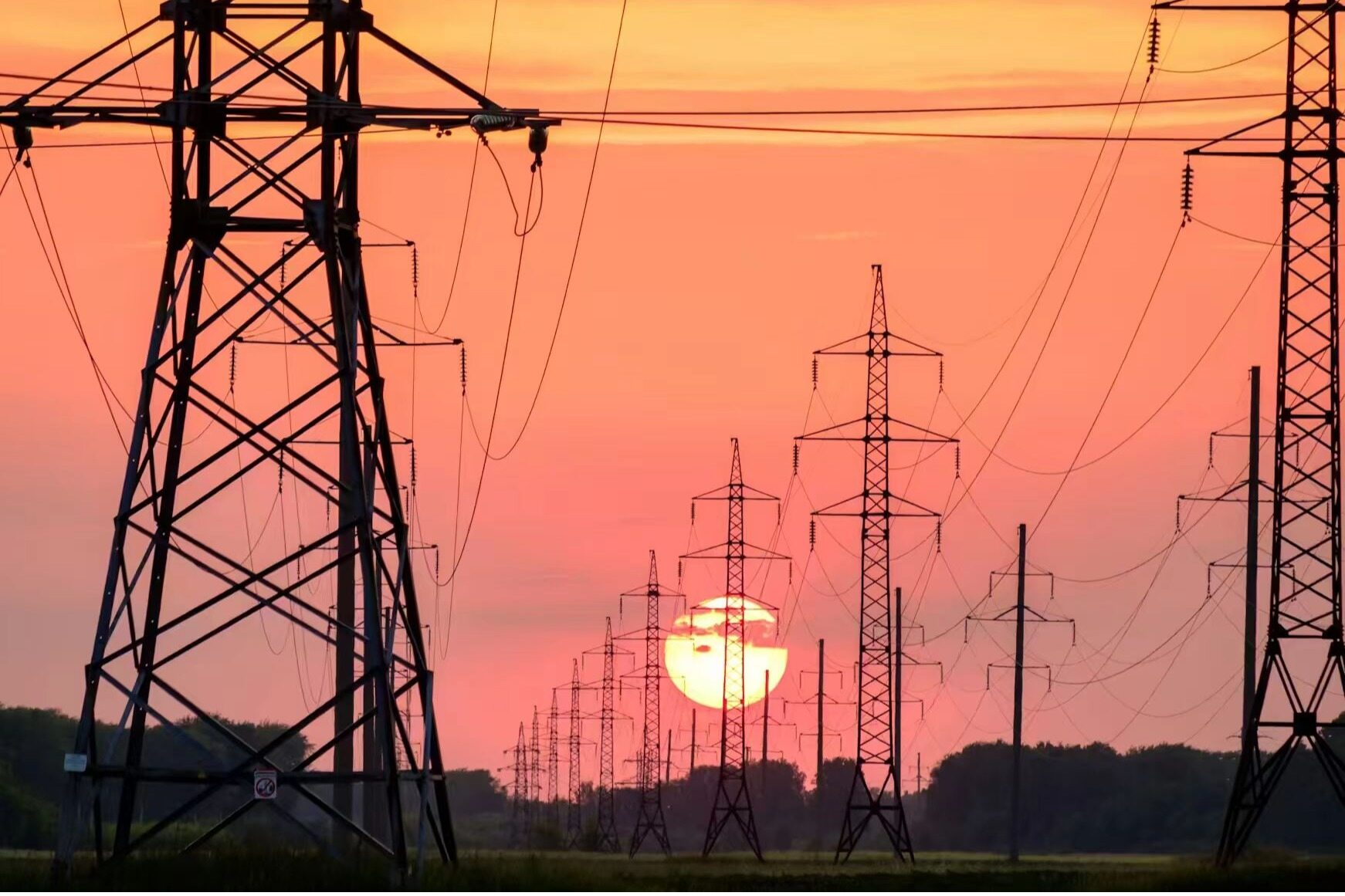
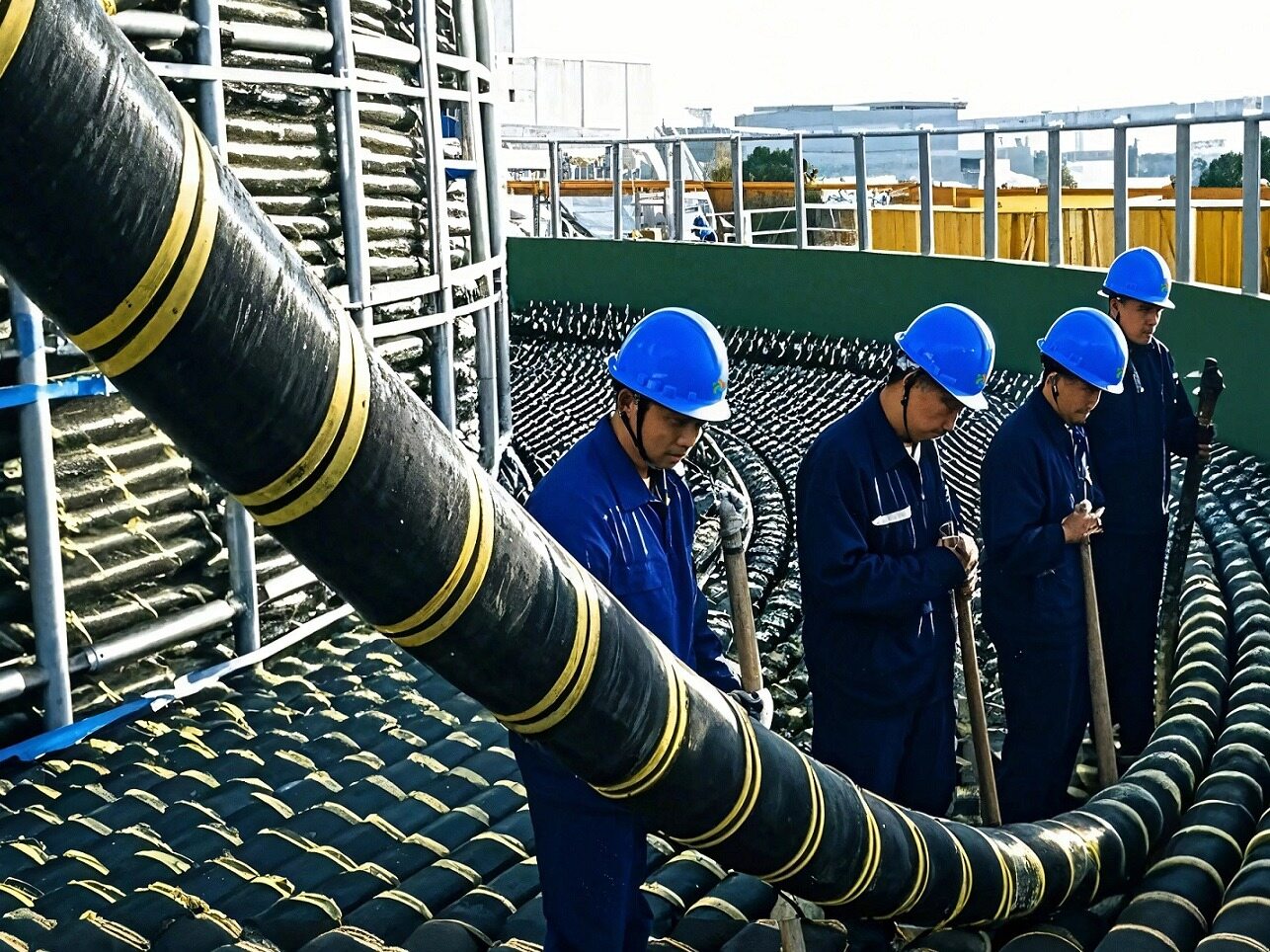
On the east side of the Tampines wafer fabrication park, about 60 meters underground, Singapore's cable tunnel is quietly extending forward. There is no roar of the factory buildings here, only high-voltage lines waiting to be powered on, which lead to the data centers and semiconductor production lines that have been continuously landing in the past two years.
Capital has long been attracted by the wind. Digital Realty, a US data center company, announced an investment of nearly SGD 7 billion in Singapore; Bridge Data Centers plans to collaborate with partners to invest SGD 3 billion to SGD 5 billion to develop this area into an Asia Pacific AI hub; The government has also planned a 700 MW ultra large data center on the artificial island of Jurong and allocated a total of 200 MW of new capacity to four operators.
But the real bottleneck has shifted from land to electricity.

Underground power artery
On October 26, 2026, the Energy Market Authority of Singapore released a five-year energy infrastructure plan, which will invest up to SGD 5.3 billion (approximately USD 4.15 billion) between 2025 and 2029 to expand the power grid, with a scale 11 times larger than the previous five-year cycle.
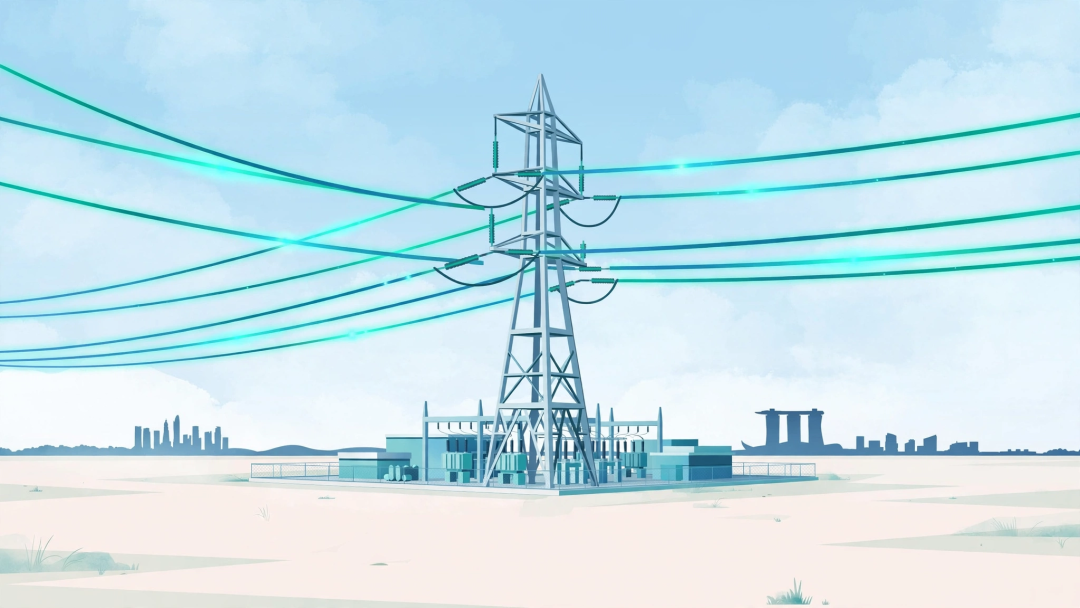
The money mainly flows to the third floor. One is the substation. By 2031, 7 new transmission substations will be built, while only 4 have been built in the past five years. The second is the cable network, with transmission cables expanding from about 7700 kilometers to about 9100 kilometers by 2030, an increase of about 18%. The distribution side will be strengthened synchronously to undertake new nodes such as solar energy and electric vehicle charging. The third is underground cable tunnels. Singapore is studying extending the existing tunnel network of about 50 kilometers by more than three times, with a focus on covering areas with high electricity consumption such as Tampines, which is conducive to rapid expansion and maintenance, as well as reducing repeated excavation of road surfaces.
Power generation and energy storage are fully replenished
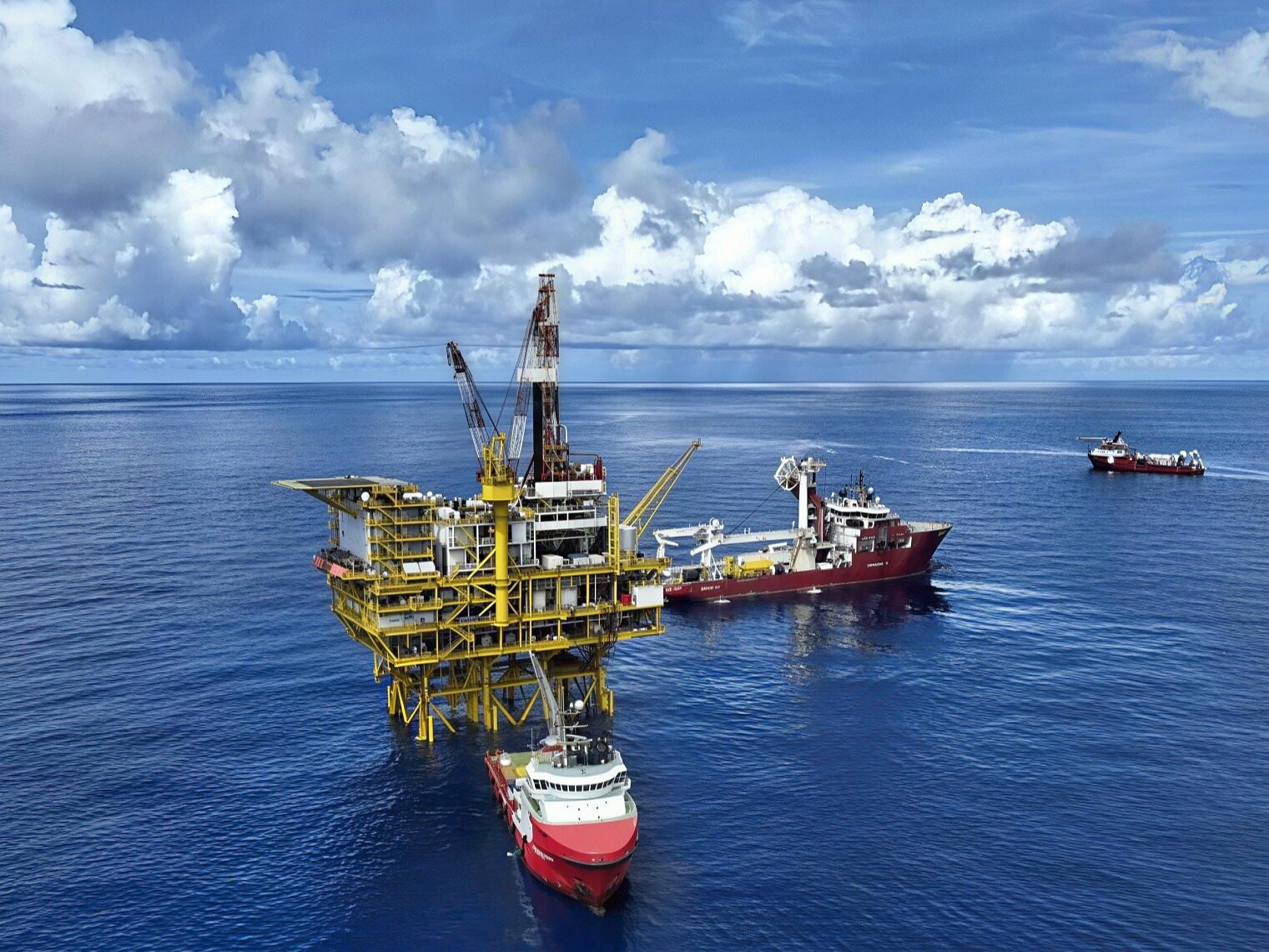
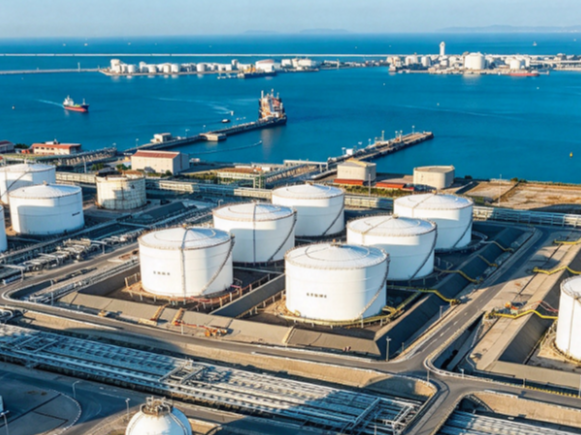
Synchronous pressurization on the power generation side. Between 2026 and 2031, five new natural gas power plants will be put into operation, with an expansion of approximately 26% from the current capacity of around 12 gigawatts. Natural gas currently contributes about 95% of Singapore's electricity, and the second Jurong Port liquefied natural gas receiving station is expected to increase its annual regasification capacity from 10 million tons to 15 million tons after its opening in 2030.
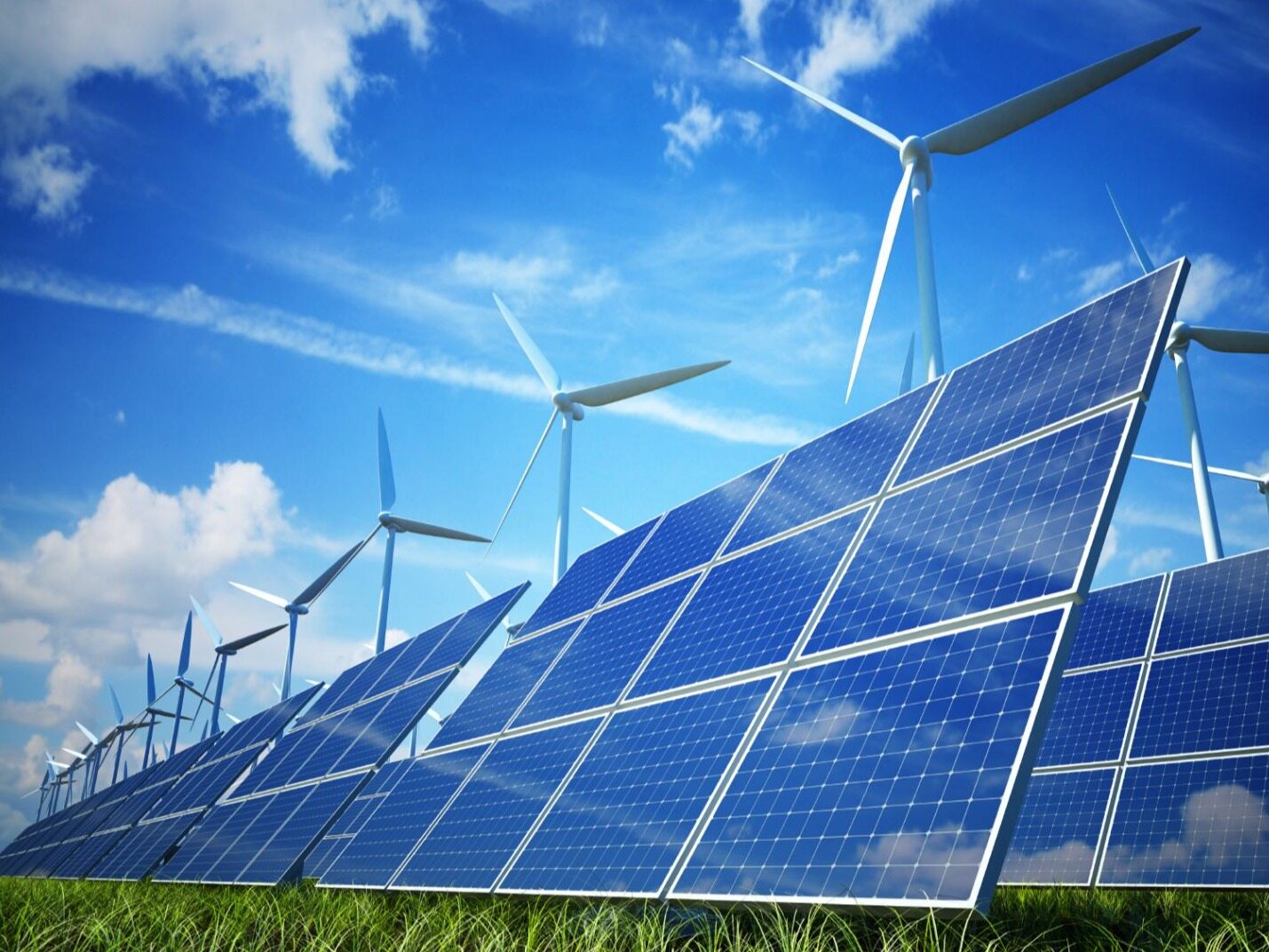
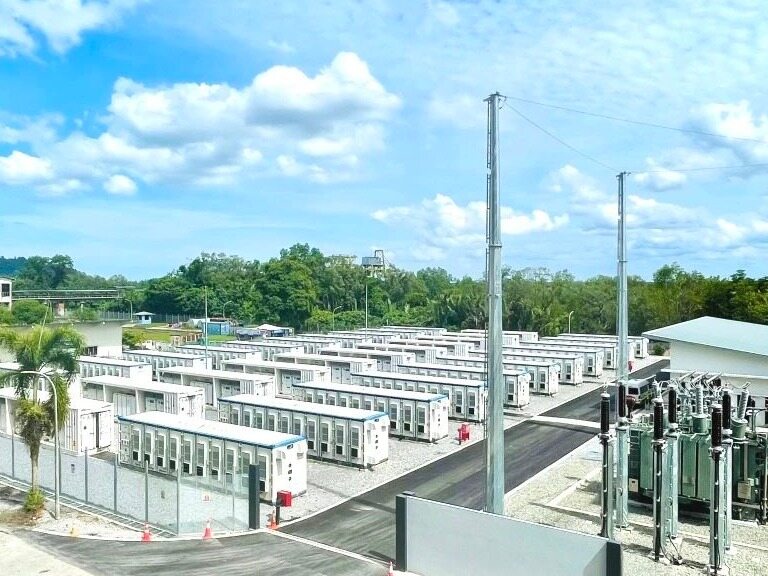
In terms of energy storage, the capacity plan is to increase from about 350 megawatt hours to over 1 gigawatt hour by 2030. The energy storage system consultation document released on the same day is seeking technical solutions for large-scale commercial deployment from the industry. The solar energy target has been raised to 4 gigawatts by 2035, in addition to 3 gigawatts by 2030. In terms of cross-border, Singapore is studying a second power interconnector with the Malaysian peninsula, with a maximum transmission capacity of 2 gigawatts, to supplement the existing 1 gigawatt line. Prime Minister Huang Xuncai recently stated that the government is seriously studying the potential of nuclear energy.

The boundary line of carbon reduction
Pressure comes from the demand side. As of August 2026, Singapore's peak electricity demand is 8.6 gigawatts, which may rise to 9.9 to 13 gigawatts by 2031, with the highest increase of nearly 50%, mainly from semiconductor manufacturing, data centers, and electric transportation.
Minister of Energy, Trade and Industry Chen Shilong summarized the transformation framework into five Cs: confidence, competitiveness, carbon emissions, connectivity and cost. He made it clear that Singapore will not reduce carbon emissions at any cost, nor will it sacrifice people's livelihoods and energy system security as a result.
For Singapore, which is accelerating the absorption of wafer fabs and data centers, this plan reveals a turning point: grid transmission capacity is replacing power generation capacity as a more restrictive bottleneck. Whether the fastest megawatt can be connected will determine whether it can maintain its reliability commitment as a regional energy intensive industrial hub.Editor/Yang Meiling
Comment


 Praise
 Collect
 Comment

 Share


Write something~