 Search


- Green energy cooperation continues to extend, benefiting local development in Latin America
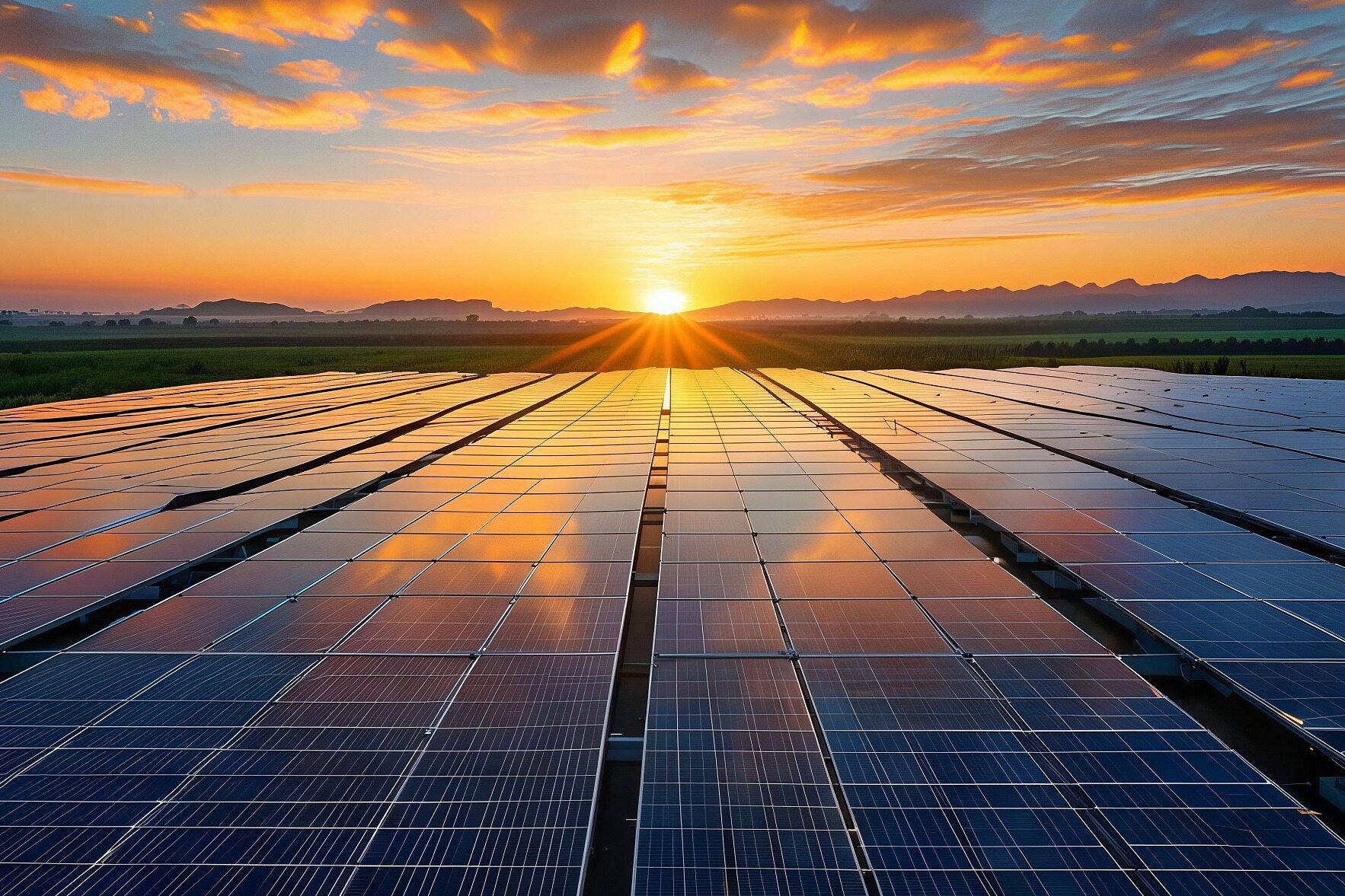
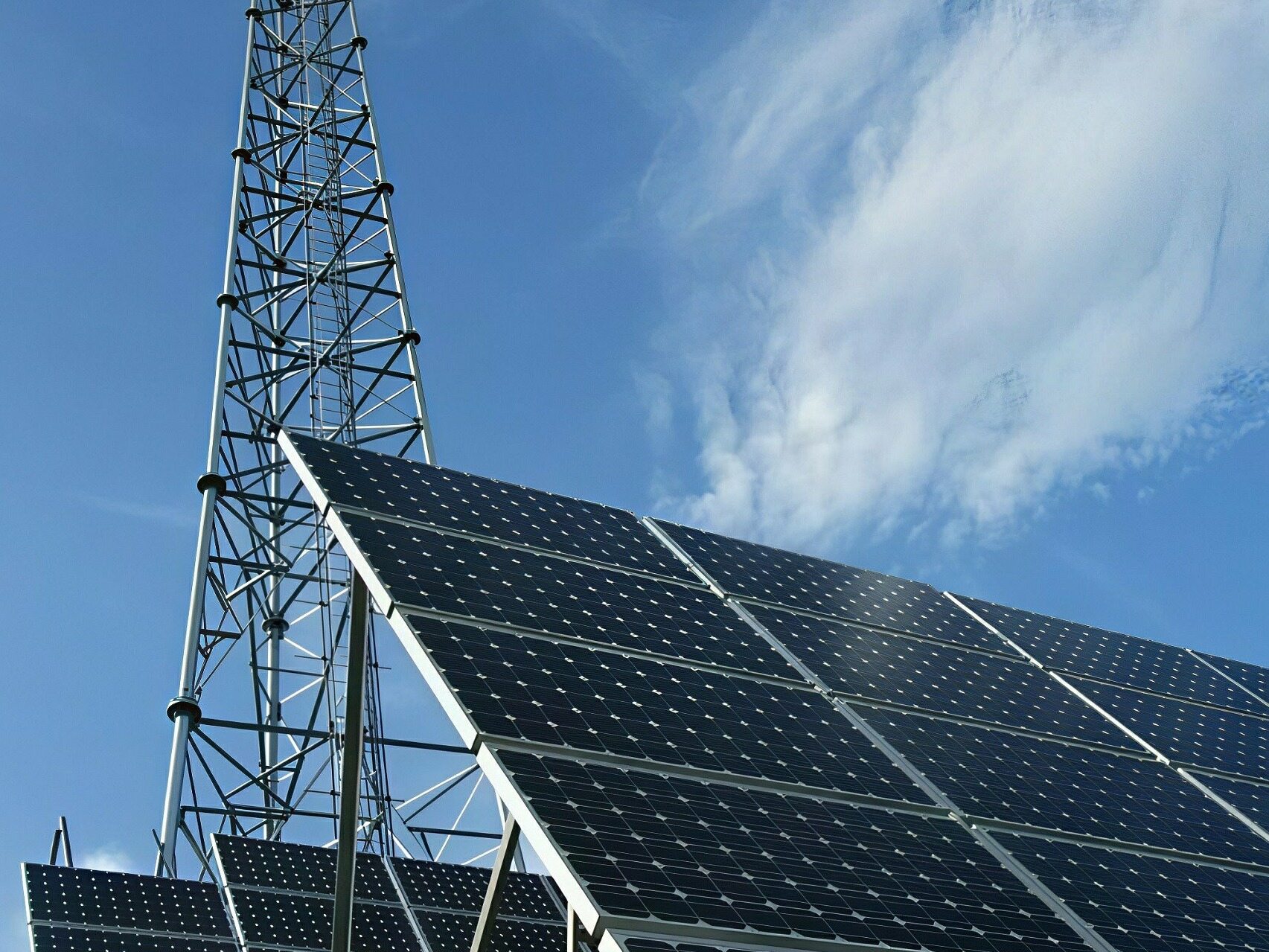
On the South American wilderness, photovoltaic arrays quietly absorb sunlight. The landing of a power station is never just about clean energy itself - it cultivates local technological strength through joint construction, and continues the short project cycle as a long-term sample of cross-border green cooperation.
Make every effort to seize the construction period
Palmyra 3 Photovoltaic Power Station is located in the Cauca Valley in western Colombia and adopts an EPC general contracting model. During the construction process, there were logistics blockages and equipment delays. The Chinese team reorganized resources, optimized processes, and simultaneously pushed forward multiple work areas to catch up with the delayed progress inch by inch. From temporary handover to joint operation and maintenance, and finally closed-loop delivery, the photovoltaic panels continue to output stable green electricity, and have also delivered a high standard performance report for overseas new energy projects.
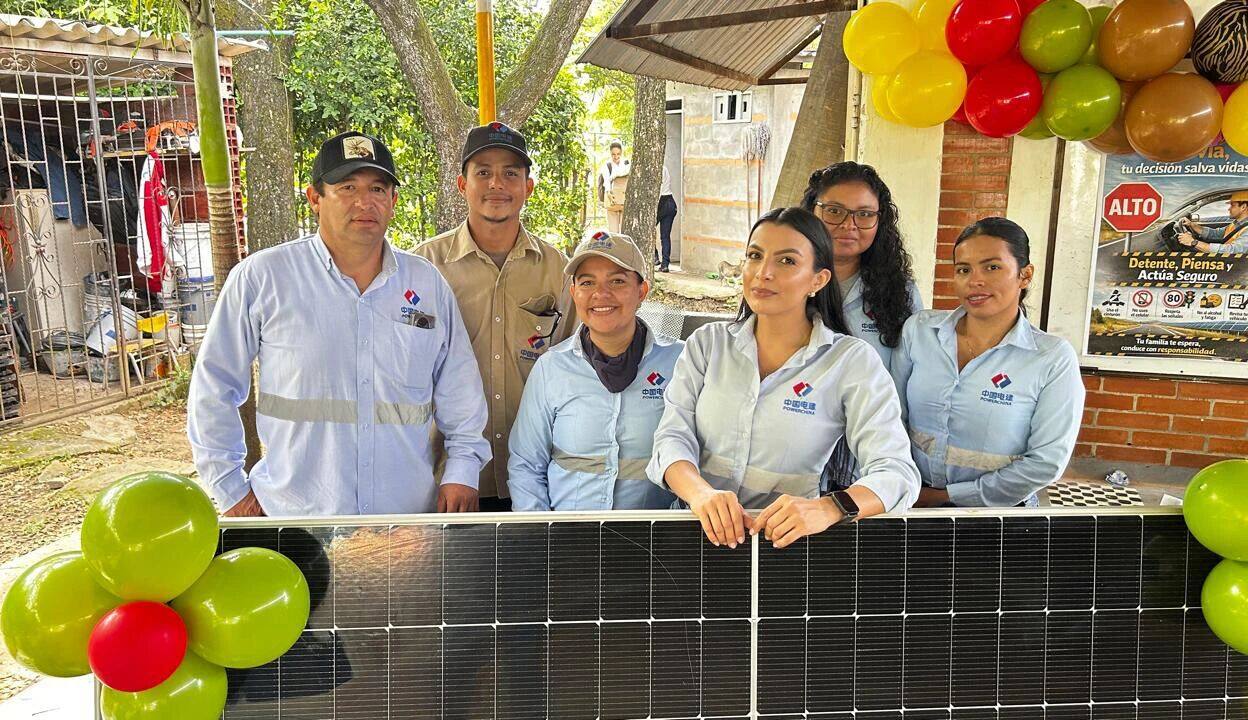
Deeply cultivate local talents
The project adheres to the localization approach, with a large number of positions open to local labor during peak construction periods, and a high proportion of local employees. Master apprentice pairing, on-site practical operation, and job specific training, leaving the core skills of photovoltaic installation and operation in the hands of Colombians. The electrical engineer went from being unfamiliar with photovoltaics to independently troubleshooting inverter faults - after the power station was handed over, their ability was retained. The two-year joint operation and maintenance is not a buffer period, but a deep period for technology transfer.
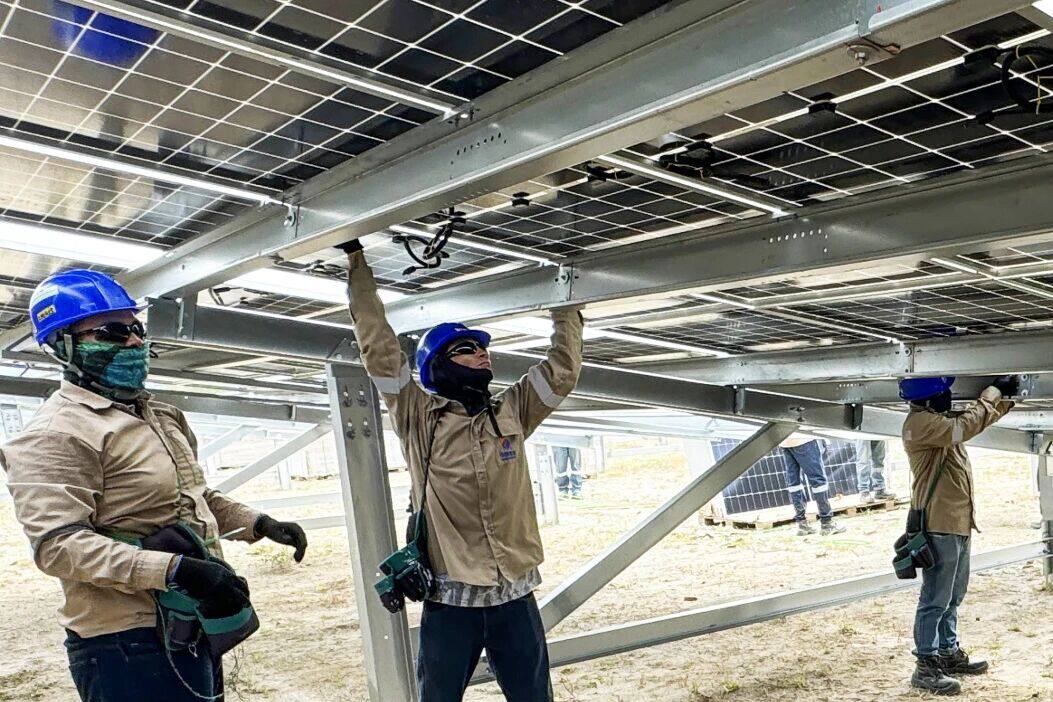
Green cooperation continues to expand
The significance of Palmyra 3 lies not only in its 9.9 MW AC side installed capacity and 40 million kWh of green electricity. It enables cooperation between China and Colombia to move from building power stations to building systems, with synchronous growth in talent cultivation, local supply chains, and operation and maintenance standards. Colombia's energy transition is accelerating, and the green cooperation between China and Latin America has gained a replicable footnote - true sustainability is not about removing sunlight, but about allowing people to grow in place to harness it.
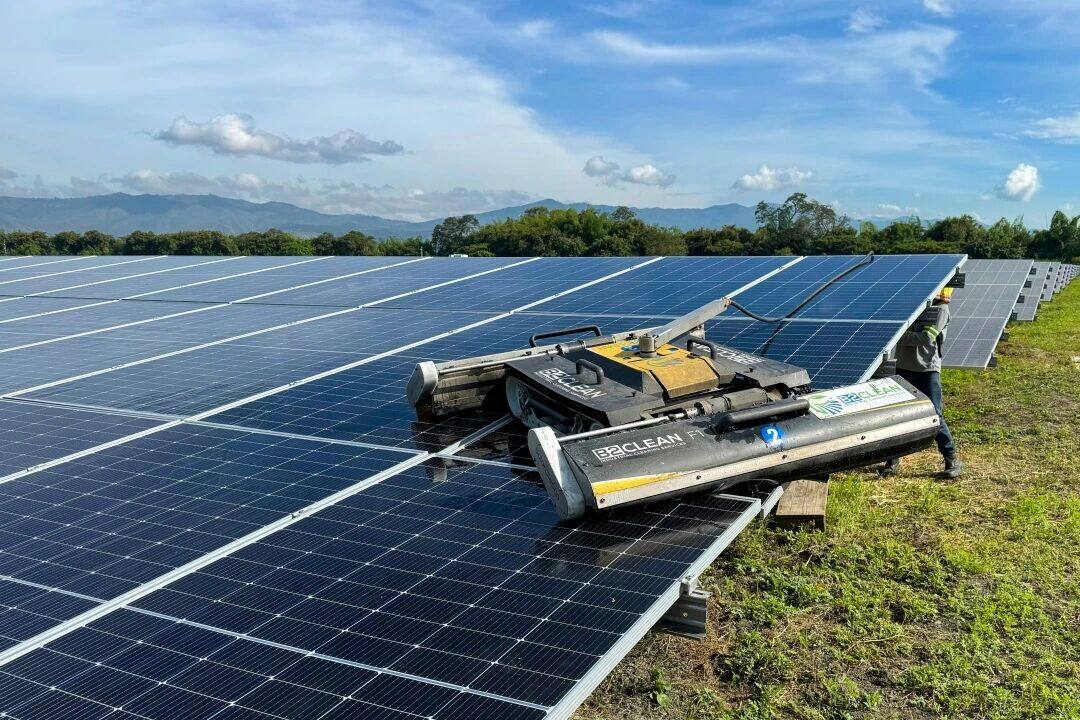
A power station may age, but a group of local forces who know how to operate, understand technology, and iterate will not. The sunshine in South America is like new every year, and the roots of cooperation are moving deeper into the soil.Editor/Gong Ziwei
Comment




 Praise
 Collect
 Comment

 Share


Write something~