 Search


- Oracle expands data center in UAE, Saudi Arabia and confidential site selection

On October 29, 2026, during the Oracle AI World Conference in Las Vegas, Comac Waters, Executive Vice President of Oracle's European, Middle Eastern, and African Applications Business, revealed to the UAE's National newspaper that the company has added several data centers in the UAE and Saudi Arabia in the past six months, driven by the surge in demand for artificial intelligence computing power in the Gulf region. More new data centers will be put into operation in the next six months. Unlike previous high-profile site announcements, Oracle has taken confidentiality measures for the specific physical location of the newly built data center for the first time.

The surge in computing power demand in the Middle East
The Middle East is currently one of the fastest-growing markets for Oracle's global cloud computing business. Prior to this expansion, Oracle had already operated four public cloud regions in Dubai, Abu Dhabi, Jeddah, and Riyadh in the United Arab Emirates, and planned to build a large-scale data center in Saudi Arabia's New Future City. In August 2024, Oracle launched the second public cloud area in Riyadh, advancing its $1.5 billion cloud infrastructure investment plan in Saudi Arabia. In the United Arab Emirates, Oracle also collaborates with local partners such as UAE telecommunications operator du to deploy sovereign cloud services. Waters commented that UAE and Middle Eastern institutions do not have the burden of outdated IT systems that European and American companies have had for 50 years, and are among the fastest in adopting artificial intelligence technology globally.
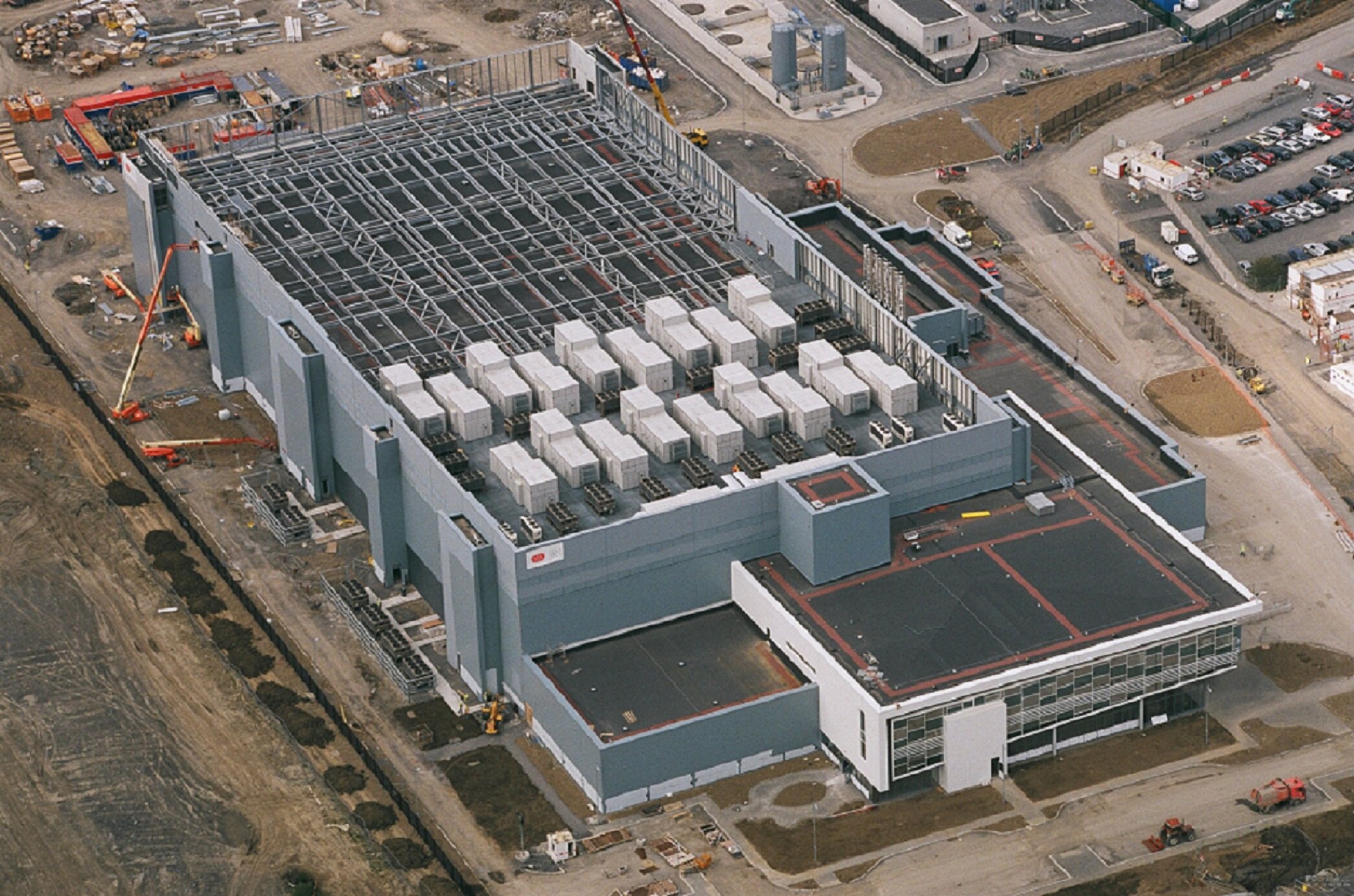
The location of the computer room has been changed to confidential
While accelerating the delivery of data centers, Oracle has changed its previous practice of publicly announcing data center locations. Waters stated that due to multiple digital infrastructure targets in the Gulf region during the 2026 Middle East geopolitical conflict, and Saudi Arabia still facing Houthi armed attacks, the company is currently unwilling to disclose the specific coordinates of all newly built data centers to prevent potential attackers from locking in their locations. As Saudi Arabia and the United Arab Emirates list sovereign artificial intelligence and large-scale computing power clusters as national strategies, international cloud providers such as Microsoft, Amazon Web Services, and Oracle have invested billions of dollars in building data centers in the Gulf. The geopolitical conflict in 2026 has brought to the forefront the defense security and remote disaster recovery of Gulf computing infrastructure. Keywords: Middle East News Network, Data Center, Computing Power, Infrastructure
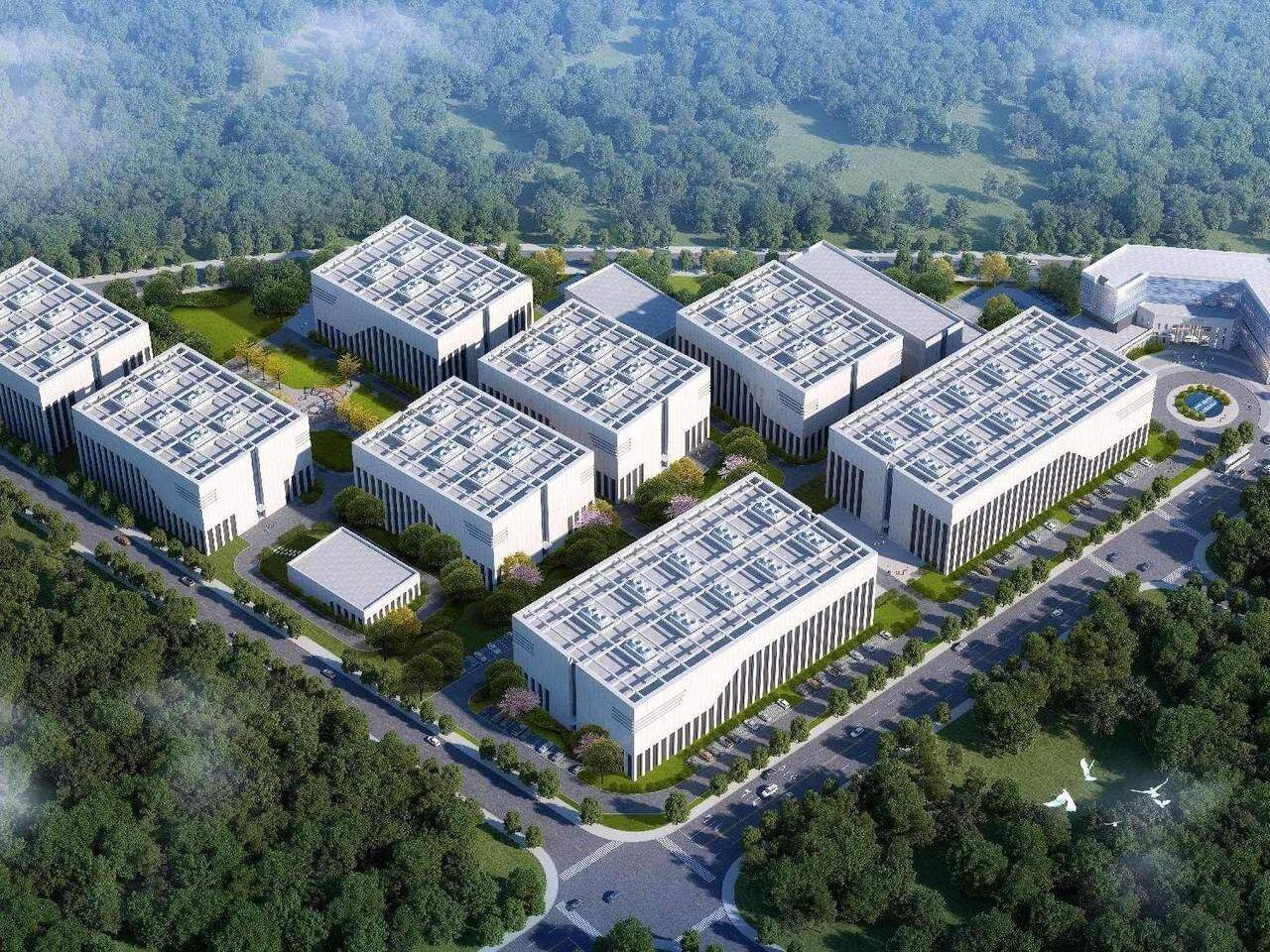
Promotion of Digital Embassy Plan
In addition to hiding the location of the data center at the physical level, Gulf government and enterprise customers and cloud vendors are promoting a cross-border data disaster recovery solution called Digital Embassy. Under traditional data sovereignty regulation, government, financial, and core enterprise data in Gulf countries must be kept on domestic servers. However, when local data centers face the risk of physical damage or network disconnection, a single domestic node is easily paralyzed. The digital embassy scheme allows a government or enterprise of a country to establish independent cloud nodes under its own legal jurisdiction in data centers within its friendly country. Once the local digital facilities are physically attacked, the core data and business systems can be instantly switched to overseas backup nodes to continue operating. Waters pointed out that Oracle has a global data center network that supports this architecture, but if banks and other heavily regulated industries want to use cross-border digital embassies, they still need to obtain special compliance approval from regulatory agencies in Gulf countries. Next, whether the financial and communication regulatory authorities of Saudi Arabia and the United Arab Emirates will issue substantive exemptions or approval rules for cross-border digital embassies will directly determine whether this new data sovereignty scheme can be implemented on a large scale in the Gulf.Editor/Gao Xue
Comment







 Praise
 Collect
 Comment

 Share


Write something~