 Search


- The third line from Hami to Dunhuang has started construction, filling the gaps in the Xinjiang power transmission channel
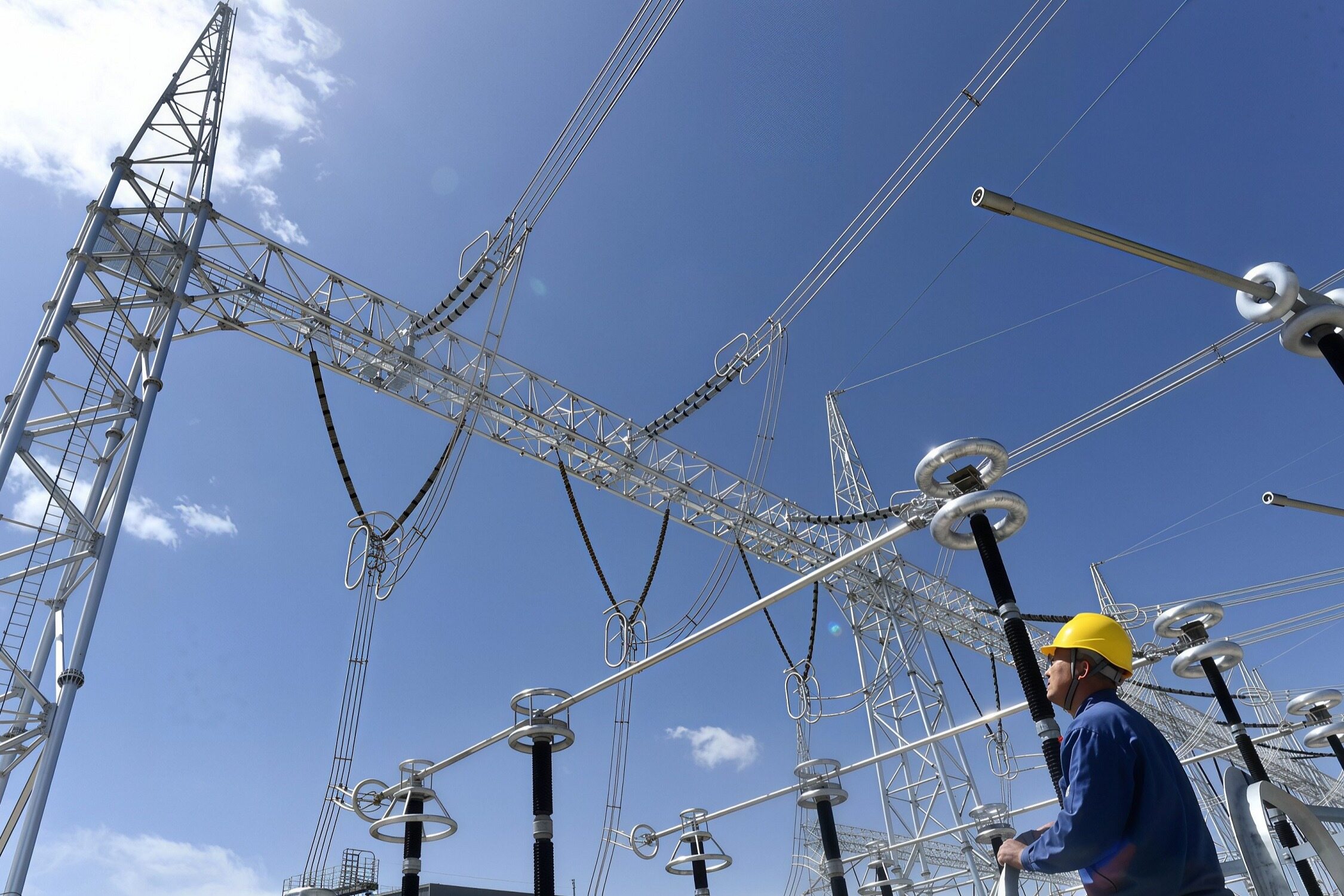
On the Gobi Desert, photovoltaic panels are chasing the sun, and iron towers are climbing along the mountain ridges. After decades of sandstorms, not only electricity has grown in the desert, but also an energy artery connecting the northwest. The construction of the third 750 kV line from Hami to Dunhuang has added another hard bone to the transmission network of Xinjiang power.
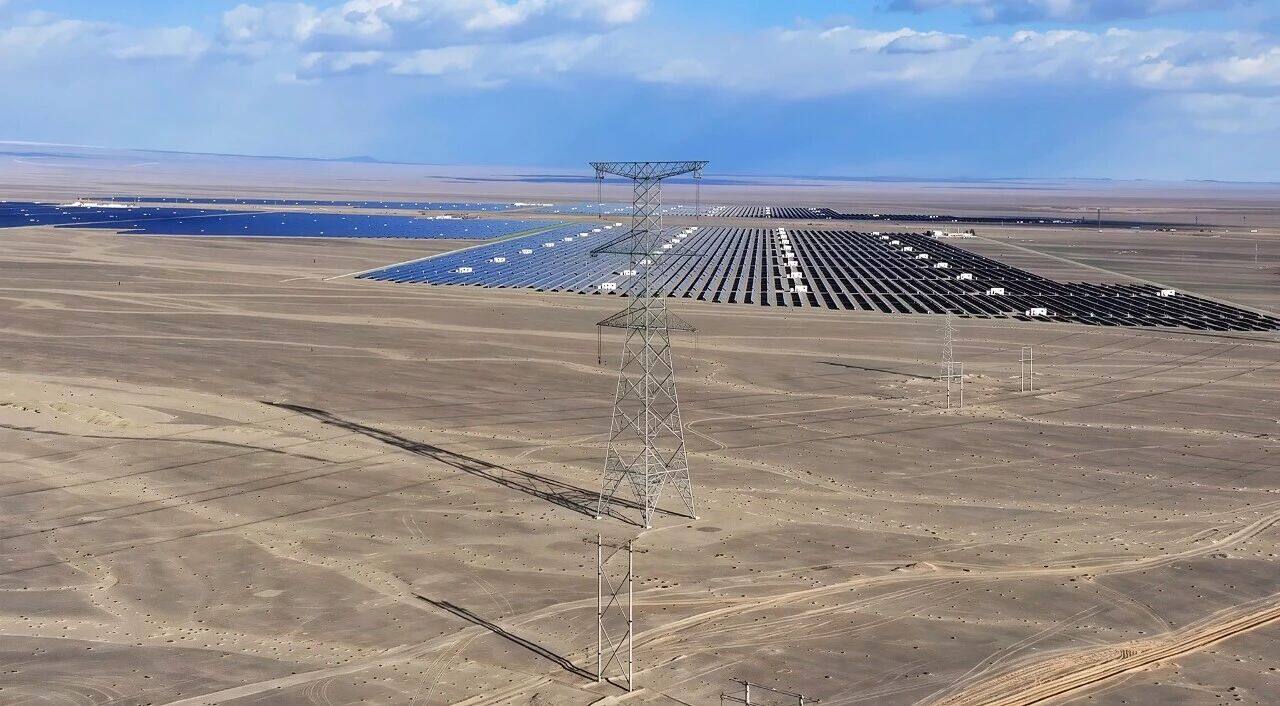
Recently, the third 750 kV transmission line project from Hami to Dunhuang (Xinjiang section) has officially started construction. This is the newly added 750 kV AC transmission channel connecting Xinjiang to the northwest main grid, which also represents the official implementation of the Xinjiang Power Outward Transmission Network Reinforcement Project. On the Gobi Desert, photovoltaic bases and transmission towers face each other from afar, continuously delivering new energy electricity to the outside.
Construction of a new channel to reinforce the grid structure
This project is a key project of the National Electric Power Flexible Mutual Aid Project. The starting point of the line is the 750 kV substation in Hami, and the endpoint reaches the border of Xinjiang and Gansu provinces. Along the way, it passes through Yizhou District in Hami and Xinxing City of the 13th Division of the Xinjiang Production and Construction Corps. A new single circuit line of 228.093 kilometers and 488 iron towers will be built in the Xinjiang section. At present, cross provincial power exchanges in the northwest are becoming increasingly frequent, and Xinjiang originally relied on two sets of double circuit 750 kV lines to connect to the northwest main grid. Calculations show that by 2027, the demand for electricity transmission from Xinjiang will reach 15 million kilowatts, and the existing channel capacity is difficult to match the growth of new energy transmission. This project will effectively break through the bottleneck of Xinjiang's electricity transmission.
Improving engineering efficiency and solving the problem of abandoned electricity
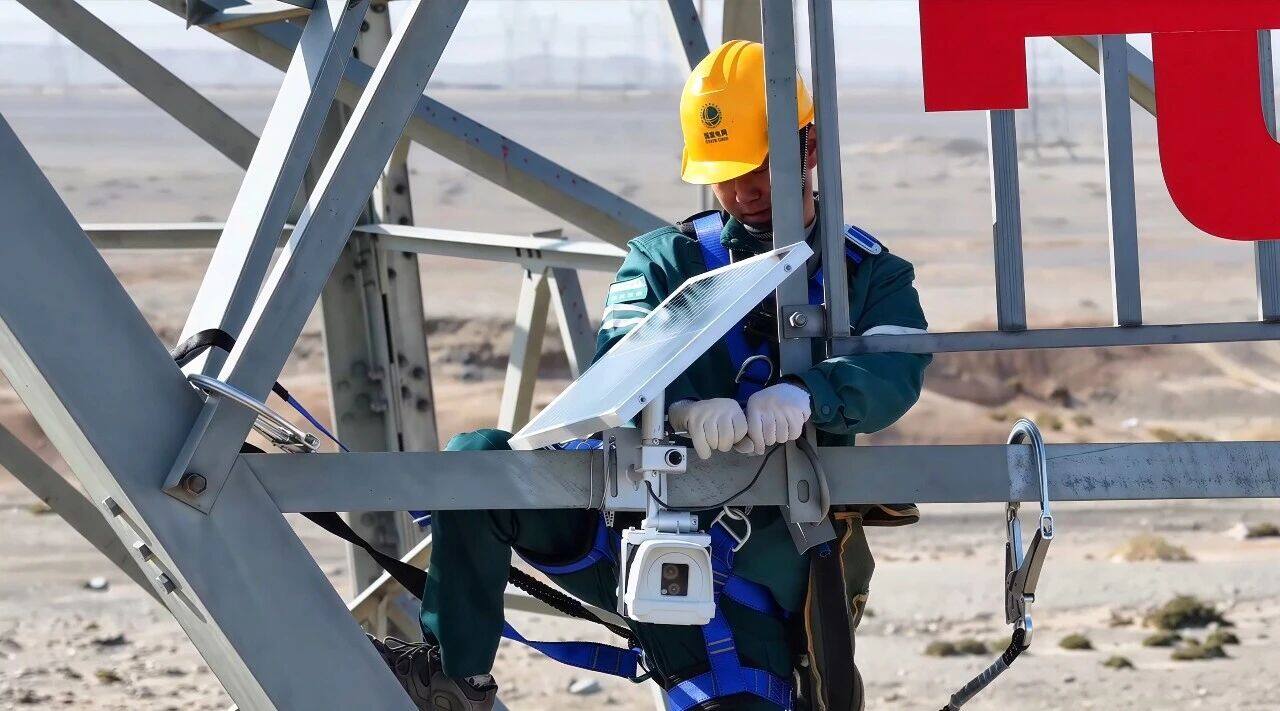
After the project was put into operation, the utilization rate of new energy in Xinjiang increased by 0.8%, reducing abandoned electricity by 2.5 billion kilowatt hours, and the utilization rate of new energy in Gansu increased by 0.4%, reducing abandoned electricity by 700 million kilowatt hours. The project can solidify the northwest main grid structure, raise the upper limit of Xinjiang's external transmission section, and provide a solid guarantee for the stable operation of the surrounding ultra-high voltage direct current.
Green construction protects the Gobi ecosystem
The project has multiple crossing points and prominent construction safety risks, requiring multiple crossings of high-voltage lines, highways, and railways along the entire line. The construction unit shall coordinate the plan in advance, cooperate with the power outage plan for segmented construction, and reduce multiple high-risk operations. The route also passes through the national key prevention area for soil erosion on the northern slope of Tianshan Mountains.
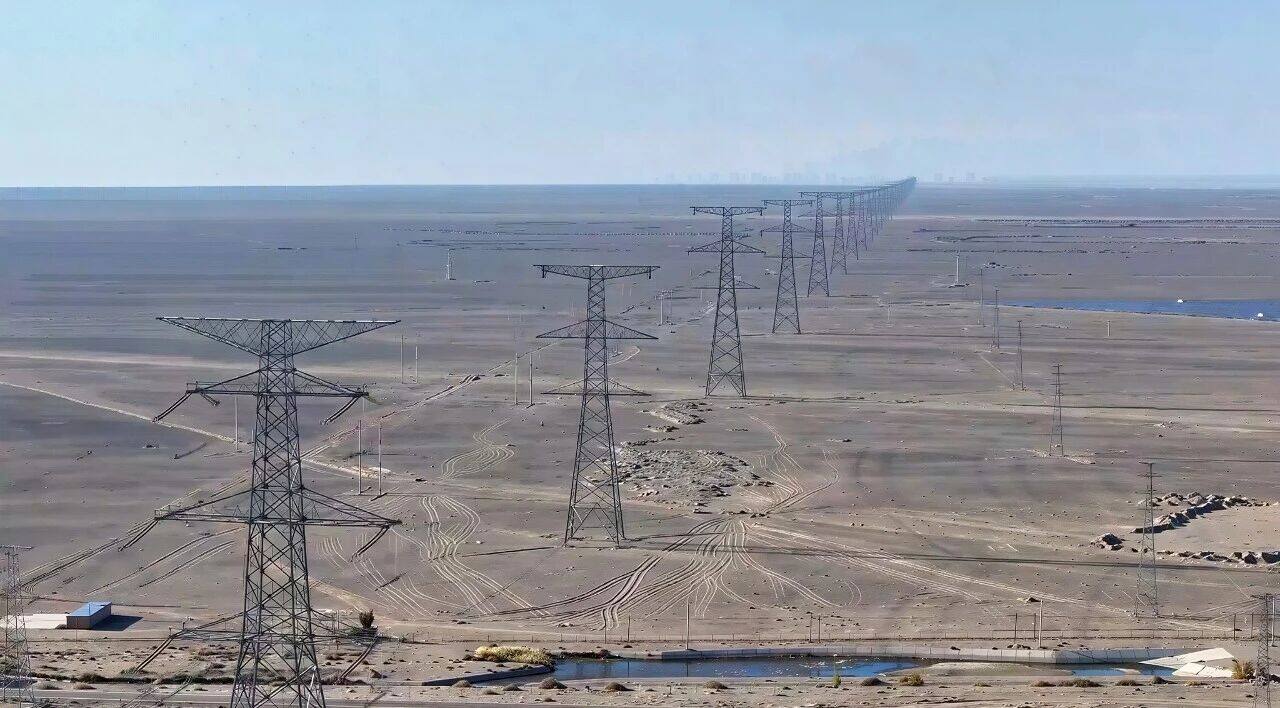
In the early stage of the project, the ecologically sensitive areas were treated as mandatory conditions, and the length of the lines within the ecological areas was reduced by nearly 40%. The construction adopts a low disturbance mode of cableway combined with unmanned aerial vehicles, relying on unmanned aerial vehicles to deploy guide ropes and maximize the protection of existing surface vegetation. Keywords: Xinjiang Power Transmission, Northwest Main Grid, New Energy
At present, the transmission of electricity from Xinjiang has formed a pattern of two exchanges and three straight lines, with a cross regional transmission scale of 33 million kilowatts, covering 23 provinces and regions in China. According to the plan, the Ruoqiang Lingyang 750 kV project is expected to be put into operation in 2027. At that time, the Xinjiang power transmission channel will be upgraded to three AC and three DC, strengthening the ability of AC and DC mutual assistance, supporting the continuous development of new energy in southern Xinjiang, and promoting the optimization and allocation of energy resources in the northwest.Editor/Gong Ziwei
Comment

 Praise
 Collect
 Comment

 Share


Write something~