 Search


- The steel channel leads westward into Central Asia, thus seizing a new entrance to Eurasian trade
- A railway connects the four-way corridor, and landlocked countries are rewriting their transit economy accounts
In the conference room in Tashkent, a map of Europe and Asia was spread out. The bridge piers at the eastern end were growing taller day by day in the Tianshan Valley, while the old routes of the Caspian Sea to the west, Iran to the south, and Afghanistan and Pakistan were being recalculated. Uzbekistan does not have an outlet to the sea, and goods pass through neighboring countries all year round. Transit income is a clear source of revenue in the finance.
The bridge pier is still underground, and the customer is already at the entrance
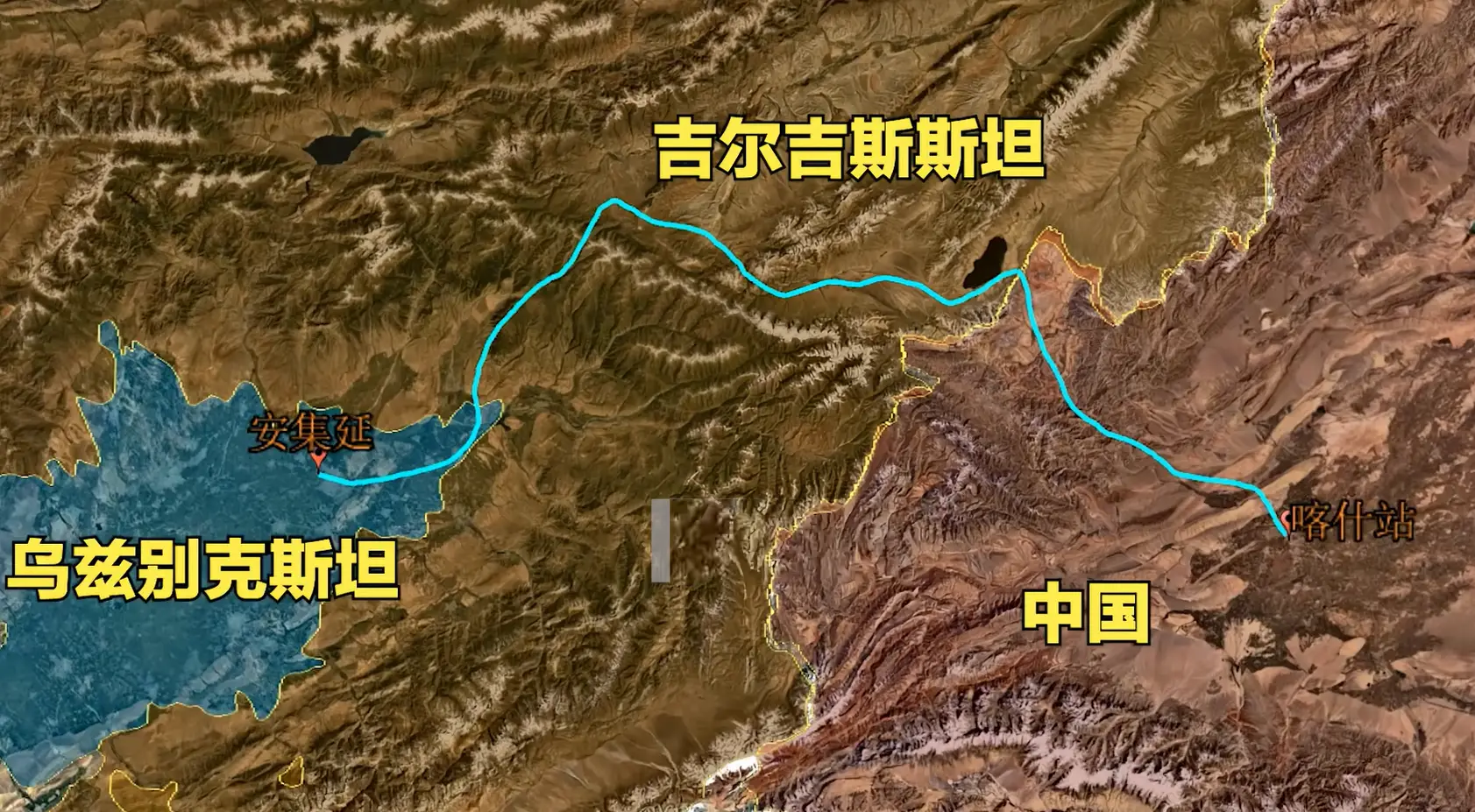
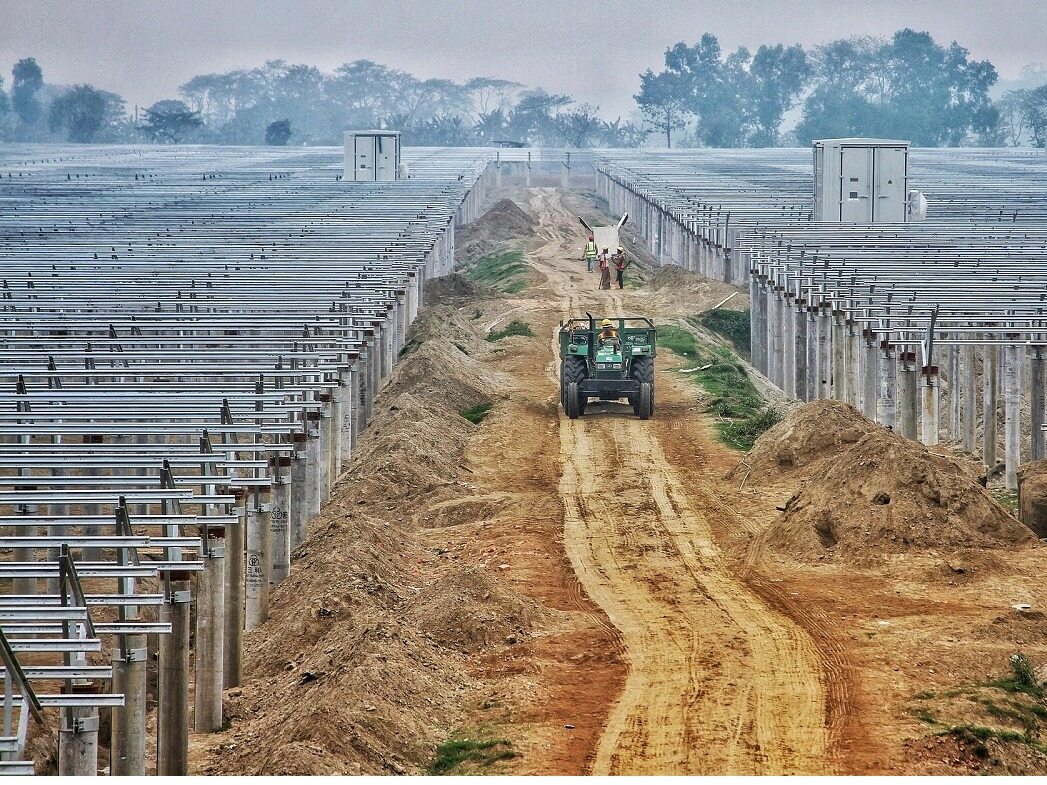
The China Kyrgyzstan Uzbekistan Railway starts from Kashgar, passes through the Turgat Pass, and ends in the eastern city of Andijan in Uzbekistan. The section within Kyrgyzstan is 304.84 kilometers long. At present, the entire line has started construction on 28 tunnels, 47 bridges, and 90 sections of roadbed. Tunnel excavation has been completed by 21.5%, bridge pile foundation has been completed by 95%, and earthwork has been completed by 67%. By the end of the year, 22% of the total project volume will be achieved. The project company stated on October 29, 2026 in Bishkek that it is expected to exceed the annual target by about 10 percentage points. According to the construction schedule, the railway will be put into operation in 2031, and the contractor wants to advance it to 2030. After the railway is completed, the land transportation from China to Europe and the Middle East will be shortened by about 900 kilometers, saving 7 to 8 days. Cross border freight transportation will be compressed to 10 days, and the annual freight throughput is expected to be 15 million tons. The judgment of the Ukrainian side is that the shipper will not wait until the day of opening for traffic to come to the door.
Four lines cannot sweep snow in front of each door
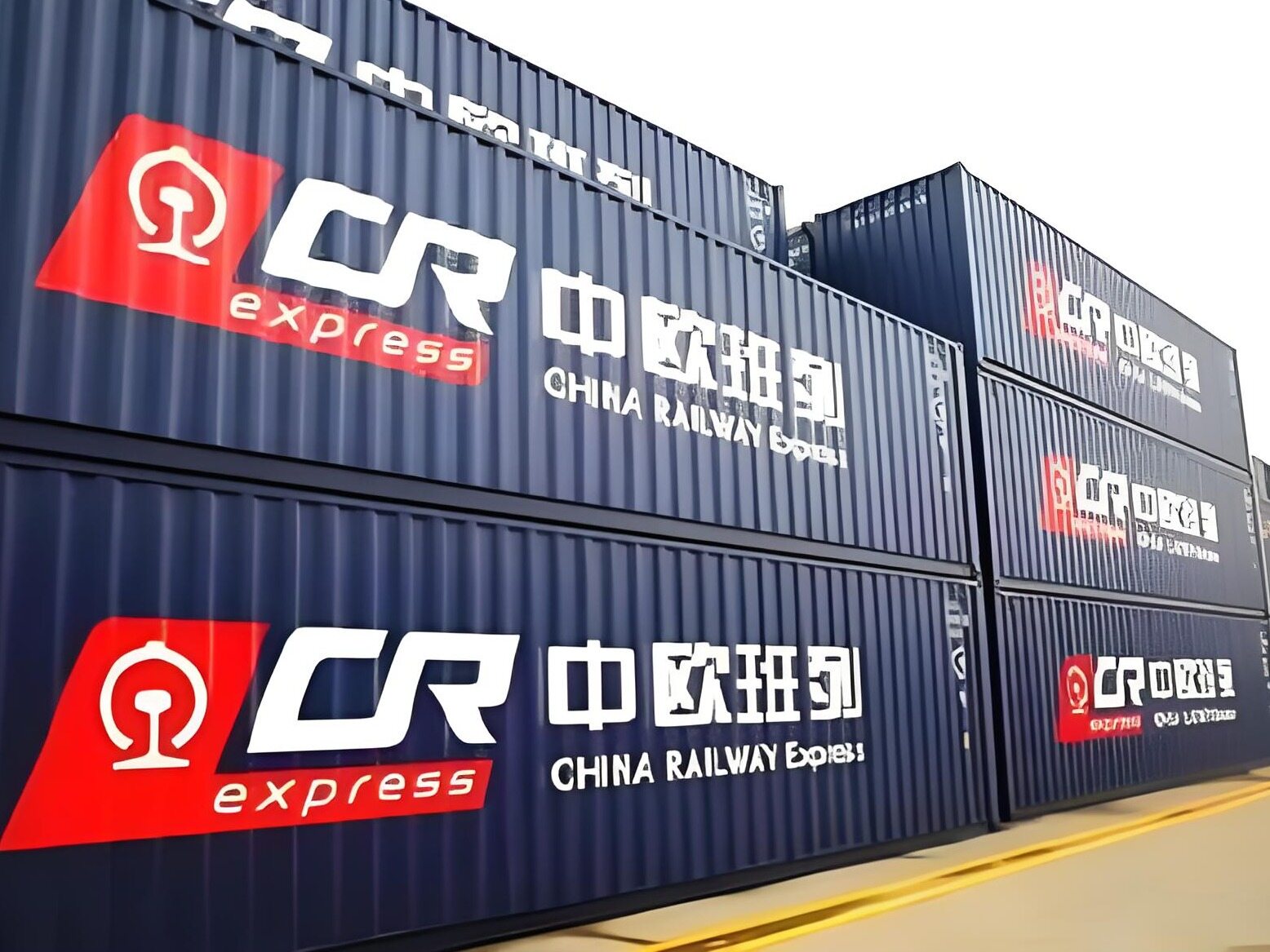
The middle corridor in the direction of the Caspian Sea is heating up, with a transportation volume of over 3 million tons in the first eight months of 2026, a year-on-year increase of 22%. Its proportion in Uzbekistan's international freight has risen from 12% in 2021 to 28% in 2025. The Iran route to the south, as well as the cross Afghan corridor from Afghanistan to Pakistan, can shorten the distance to Indian Ocean ports by up to 1000 kilometers. A new railway plus three extension lines, each of which must be operated as a complete supply chain, with fare, transit time, port procedures, station operations, and accessibility to the terminal market. If one link is missing, one ticket will be lost. If the border checkpoint is blocked for a day, the time saved from hundreds of kilometers will be in vain. Keywords: China Kyrgyzstan Uzbekistan Railway, Transit Economy, Middle Corridor
First discuss the contract, then lay the tracks
According to Wu's calculations, receiving an additional 15 to 20 million tons of international transit goods annually can increase transportation revenue by 400 to 600 million US dollars, drive approximately 3 billion US dollars in logistics center and freight hub investments, and create at least 50000 long-term jobs. The railway construction site is also fulfilling its obligations to the local people. Since the start of construction, more than 2000 Kyrgyz people have been employed nearby, more than 1800 people have been trained, and the total amount of material procurement and equipment leasing has exceeded 12.4 billion som, about 950 million yuan. So attracting shippers, coordinating freight rates, ensuring return cargo sources, and signing agreements with partners all need to be synchronized with the track. By the time the line starts operating, it is best to have already negotiated the customer, cargo volume, and service terms.
A new transportation architecture is taking shape, and whoever puts services at the forefront will be allocated to the Eurasian cargo flow first.Editor/Min Jing
Comment



 Praise
 Collect
 Comment

 Share


Write something~