 Search


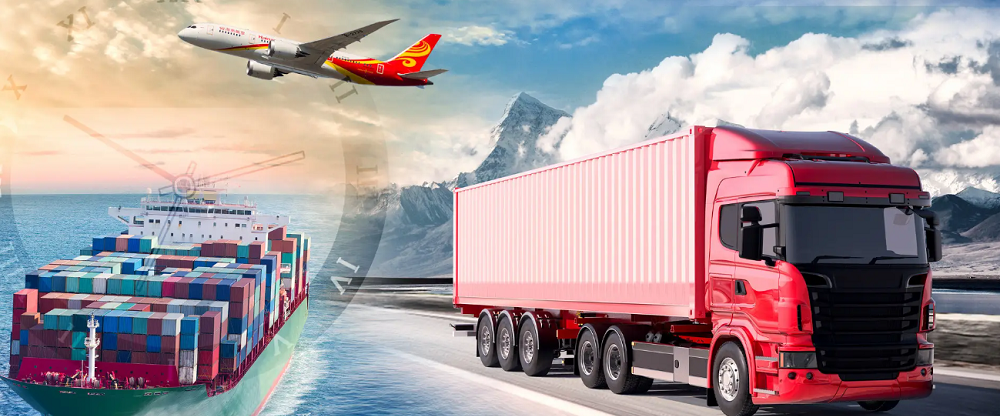
- The seven major reforms aim towards the same goal: to unleash the transit potential that has been trapped by systems and facilities
- Transforming Uzbekistan from a transit station to a hub of the Asia Europe supply chain
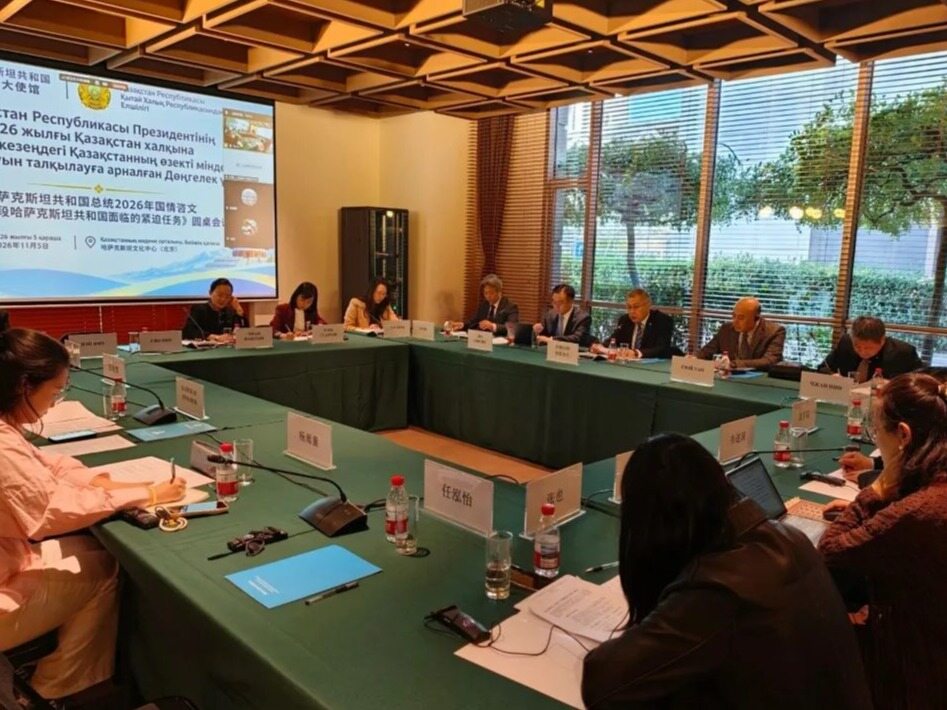
On the outskirts of Tashkent in the early morning, a batch of export department stores were loaded into cars but couldn't leave: the storage space had to wait, the locomotive schedule had to wait, and customs clearance, plant quarantine, and veterinary inspection had to queue up at the border port. Before the goods hit the road, the cost is first consumed by the procedures. On November 6, 2026, a research report from the Presidential Agency for Strategic Reform took stock of the country's transportation and logistics industry, warehousing real estate market, and investment restrictions, and issued a list of reforms. There are many channels, but what is lacking is a system for the goods to run together.
It has increased fivefold in five years
Since 2017, the annual scale of transportation services in Ukraine has increased from 36 trillion Sums to 188.2 trillion Sums, a growth of over five times; Although the freight structure has changed, the main body is still bulk goods such as coal, ore, and building materials. The report suggests that developing container technology can reduce unit logistics costs, simplify finished product exports, and expand the participation of Ukrainian enterprises in international supply chains. The channel dividend is approaching: the China Kyrgyzstan Uzbekistan Railway and the Trans Caspian Middle Corridor are advancing simultaneously. According to Ukrainian estimates, adding 15 to 20 million tons of international transit freight volume annually can bring in $400 to $600 million in transportation revenue, approximately $3 billion in logistics investment, and at least 50000 long-term jobs. The denser the channel, the more glaring the obstruction.
Brand is not equal to the internet
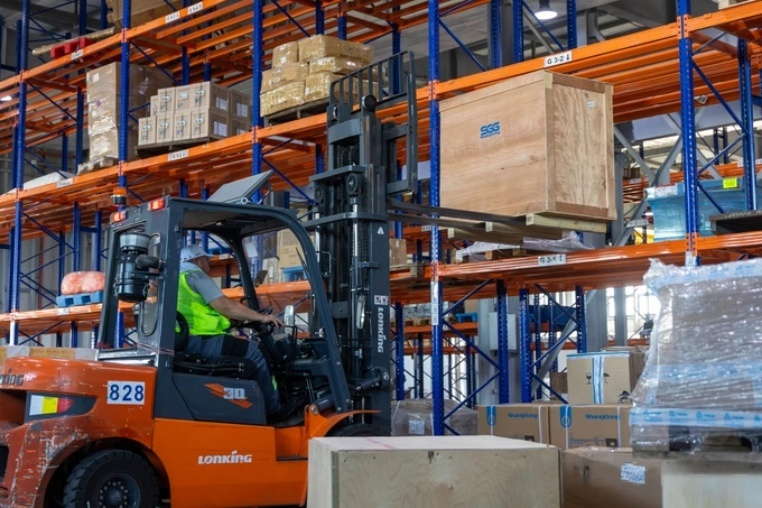
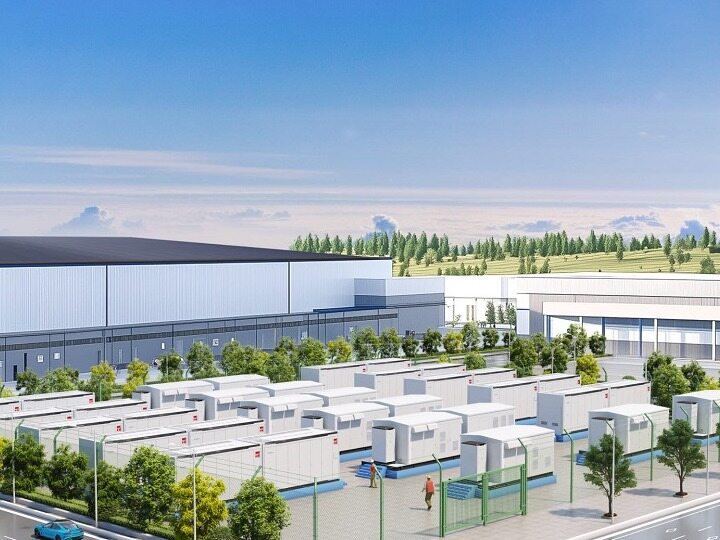
By the end of 2025, 27 transportation and logistics centers in Ukraine will be included in the international waterless port network, creating conditions for attracting investment, technical assistance, and integration into international transportation corridors. However, the report points out that international recognition alone cannot eliminate existing infrastructure and organizational problems, and existing dry ports have not yet operated as a unified national transportation and logistics system. According to the international ranking of warehouse market attractiveness released by IBC Global in April 2026, Ukraine ranks seventh with a score of 40.2; The commercial appeal and severe shortage of venues coexist, and warehouse demand not only comes from international transit, but also plays an important role in domestic economic development, supply chain complexity, and trade expansion. The World Bank diagnosis shows that the demand for A-class warehouses in 2025 is about 4 million square meters, but the actual supply is only 513000 square meters. The railway network lacks transportation capacity, lacks digital integration with neighboring countries' systems, has cumbersome administrative procedures, and the current railway management model is unreasonable, with layers of overlapping and ineffective branding.
Seven tricks to unblock the chain
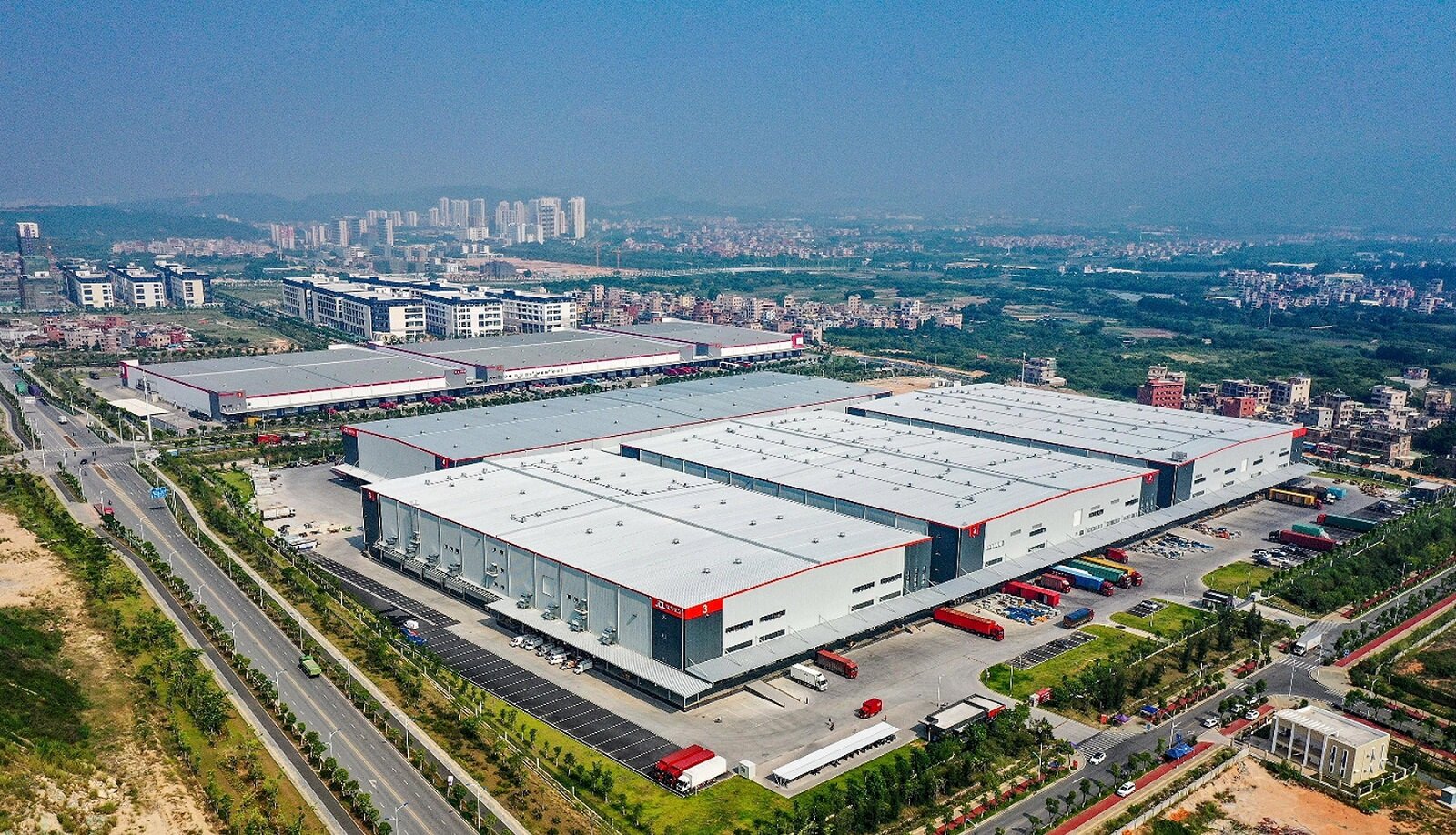
The report proposes seven prescriptions: firstly, implementing a free and waterless port system, moving customs, plant quarantine, and veterinary supervision from border ports to logistics terminals, allowing foreign goods to be imported duty-free and stored, sorted, labeled, and prepared for sale for a long time; The second is to attract international operators to participate in logistics center management, introduce investors to build new logistics complexes, and invite international financial companies to serve as independent consultants; Thirdly, establish a national logistics infrastructure development fund, consisting of national assets, long-term loans from international financial institutions, private investments, etc; Fourthly, private companies are allowed to participate in railway locomotive traction services. Several qualified private operators can use their own or leased mainline locomotives on specific routes and allocate fixed operating periods; Fifth, establish a unified digital logistics platform that integrates information systems of railways, airport freight terminals, customs, warehouses, dry ports, banks, and insurance companies; The sixth is to develop cooperation among road carriers, amend the Road Transport Law, and allow small and micro enterprises to form transportation cooperatives or establish joint ventures with large logistics operators; The seventh is to simplify the construction process of logistics infrastructure, integrate cross departmental procedures and promote digitalization, compress project implementation cycles, and reduce the administrative burden on investors.
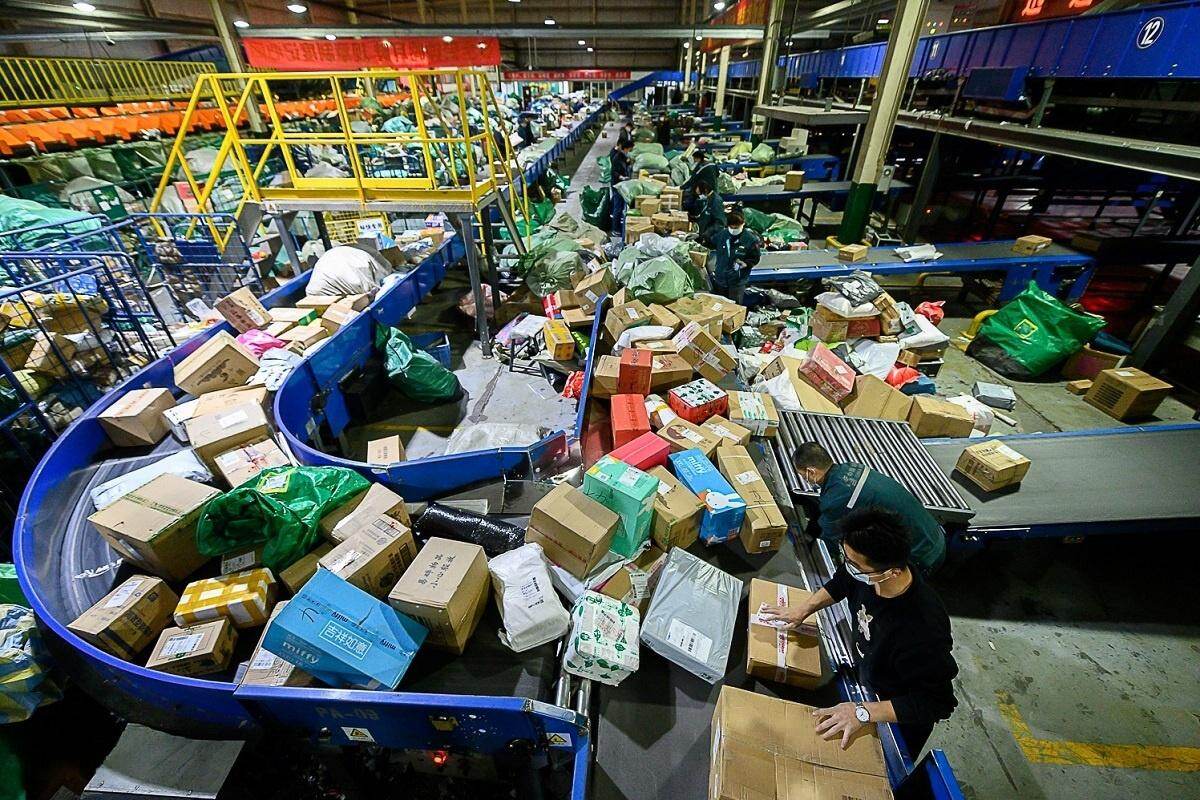
The landing has already begun: the China Kyrgyzstan Uzbekistan railway and road intermodal transportation has achieved a single unit system and one box to the end, and the entire journey from Xi'an to Uzbekistan has been reduced from 25 days to 20 days. From a landlocked country to a land linked country, what Ukraine needs to add is not another new line, but a network of 27 nodes, various warehouses, and carriers.Editor/Yang Meiling
Comment

 Praise
 Collect
 Comment

 Share


Write something~