 Search


- Tashkent Green Power Blueprint opens the door for China's new energy to go global
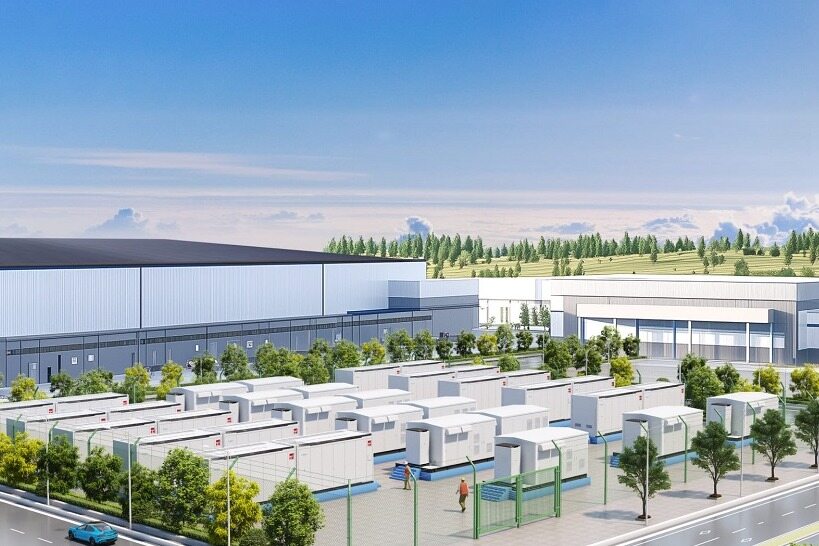
The venue in Tashkent was filled with investors, with two schedules spread out on the table, one with 2030 and the other with 2050. Outside the venue, over 60% of the country's power transmission and distribution network has been running for thirty years, and during the peak of summer electricity consumption, the lights in remote villages and towns will flicker on and off.
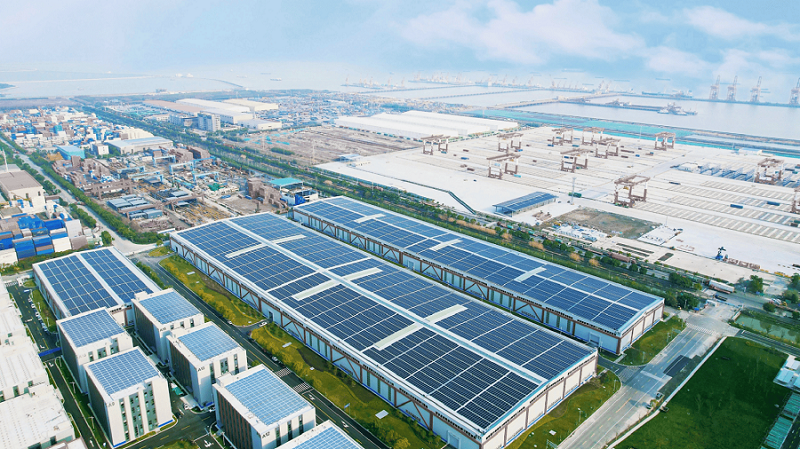
Natural gas no longer supports the power grid alone
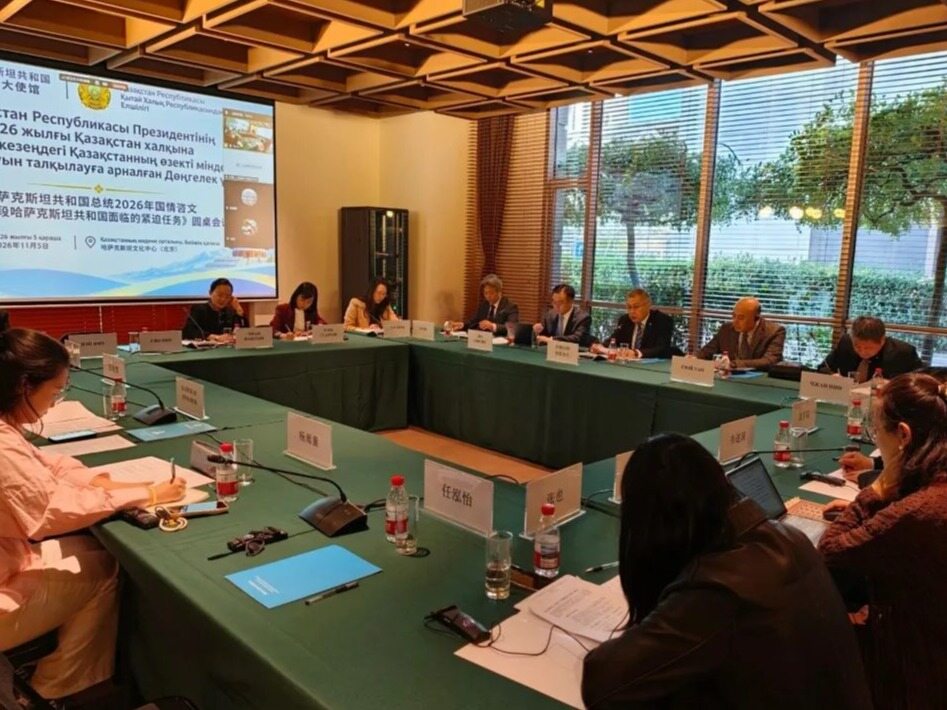
Uzbekistan recently held a presidential investor dialogue in the field of fuel and energy in the capital Tashkent, focusing on energy reform and investment attractiveness, and announced development plans for the 2030 and 2050 stages, sending clear investment signals to domestic and foreign markets. The pressure is real: according to data from the International Energy Agency, natural gas accounts for about 80% of the country's energy supply, but from January to April 2026, natural gas production was 12.6 billion cubic meters, a year-on-year decrease of 16%, marking the third consecutive year of decline, and energy export revenue has significantly shrunk.
Infrastructure is also tight. According to statistics from the United Nations Economic Commission for Europe and the International Labour Organization, over 66% of the country's transmission and distribution networks, 74% of substations have been in service for more than 30 years, and the highest comprehensive system losses can reach 29%. Remote areas experience frequent power outages and voltage fluctuations. The industrial green transformation and new electricity consuming entities such as data centers are rapidly increasing their electricity consumption. The system that relies solely on natural gas can no longer withstand the triple tasks of ensuring supply, reducing costs, and reducing carbon emissions.
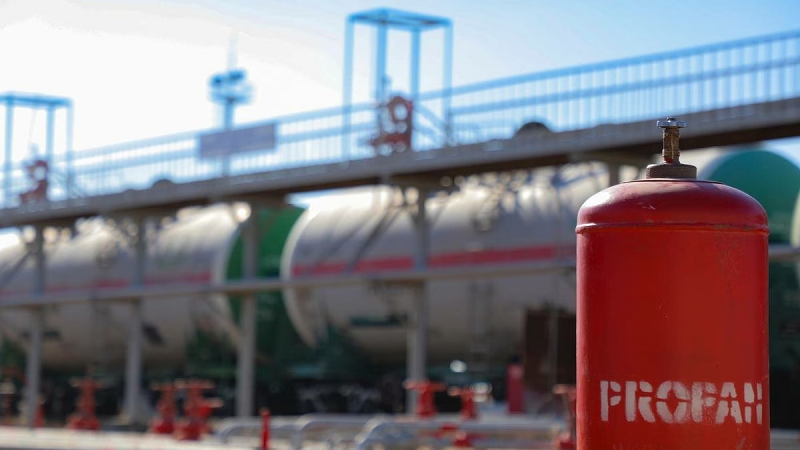
The dialogue presented a package of medium - to long-term goals: signing 6 energy project agreements, planning to add 3000 MW of power generation and 400 MW of energy storage capacity; By 2030, it is expected that the country will add 22000 megawatts of installed power generation capacity, increase annual power generation to over 129 billion kilowatt hours, increase the proportion of renewable energy generation to 54%, simultaneously build 5000 kilometers of transmission lines and 16 large substations, and increase the total installed capacity of energy storage to 4.5 gigawatts. The distribution map of power grid access points will be released before March 1, 2027, and the complete planning document will be issued on July 1 of the same year, and the first national energy master plan for 2050 will be prepared.
Sunshine is the best capital
The most abundant thing in this country is sunny days, with over 300 days a year, where the potential for photovoltaic and wind power development lies. In the first half of 2026, the country's hydropower, solar, and wind power plants generated a total of 9.8 billion kilowatt hours of electricity, a year-on-year increase of 23%. The effectiveness of wind and solar projects has already been demonstrated. The dialogue also discussed the collaborative construction of power supply side, grid side, and energy storage, and planned to expand private capital participation in the construction of distribution networks to fill the funding gap in infrastructure. Keywords: Uzbekistan's energy transition, China Uzbekistan green power cooperation
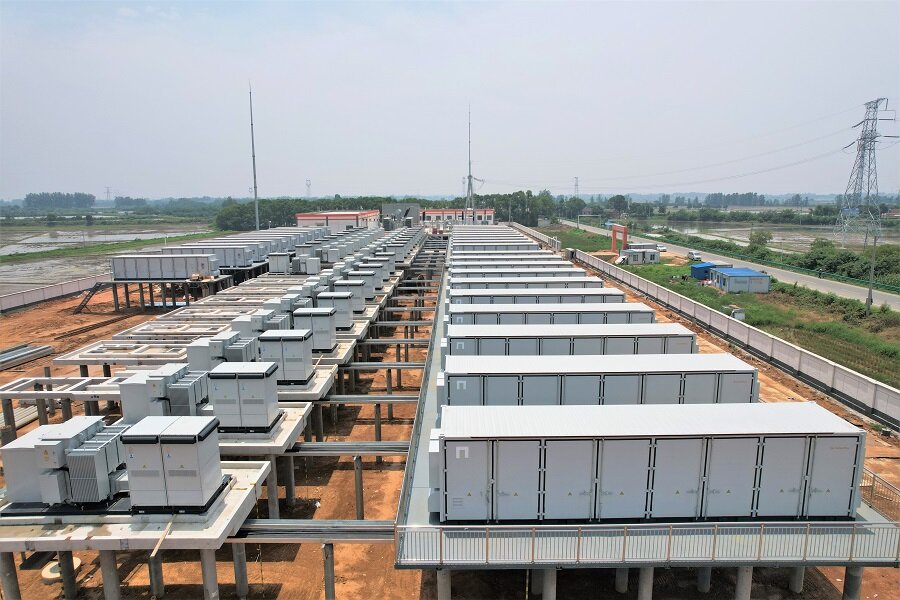
The cooperation projects between China and Uzbekistan are also being implemented simultaneously. In September 2026, the 175 MW/350 MWh energy storage power station constructed by POWERCHINA was successfully connected to the grid; In October, the 220 kV transmission line project of PeakWindAlpha project, under the general contracting of CEEC Northeast Institute, was fully completed; Goldwind is building a concrete tower factory in Uzbekistan and collaborating with Sinoblade to construct a wind turbine blade factory. The two factories are scheduled to start production in the first half of 2027. During the dialogue, the President of Uzbekistan specifically met with relevant Chinese business leaders to explore new opportunities for cooperation. From large-scale bidding for wind and solar energy storage to encouraging localization of equipment and improving grid connection rules, this Central Asian country is turning its sunshine into orders and leaving an extra door for Chinese new energy enterprises to go global.Editor/Min Jing
Comment

 Praise
 Collect
 Comment

 Share


Write something~