 Search


- China's aerospace going global is also moving from selling products to building joint capabilities in a new stage
- Satellite, assembly center, and training for thousands of people will be launched together
- Oman shifts from buying hardware to building and using it itself
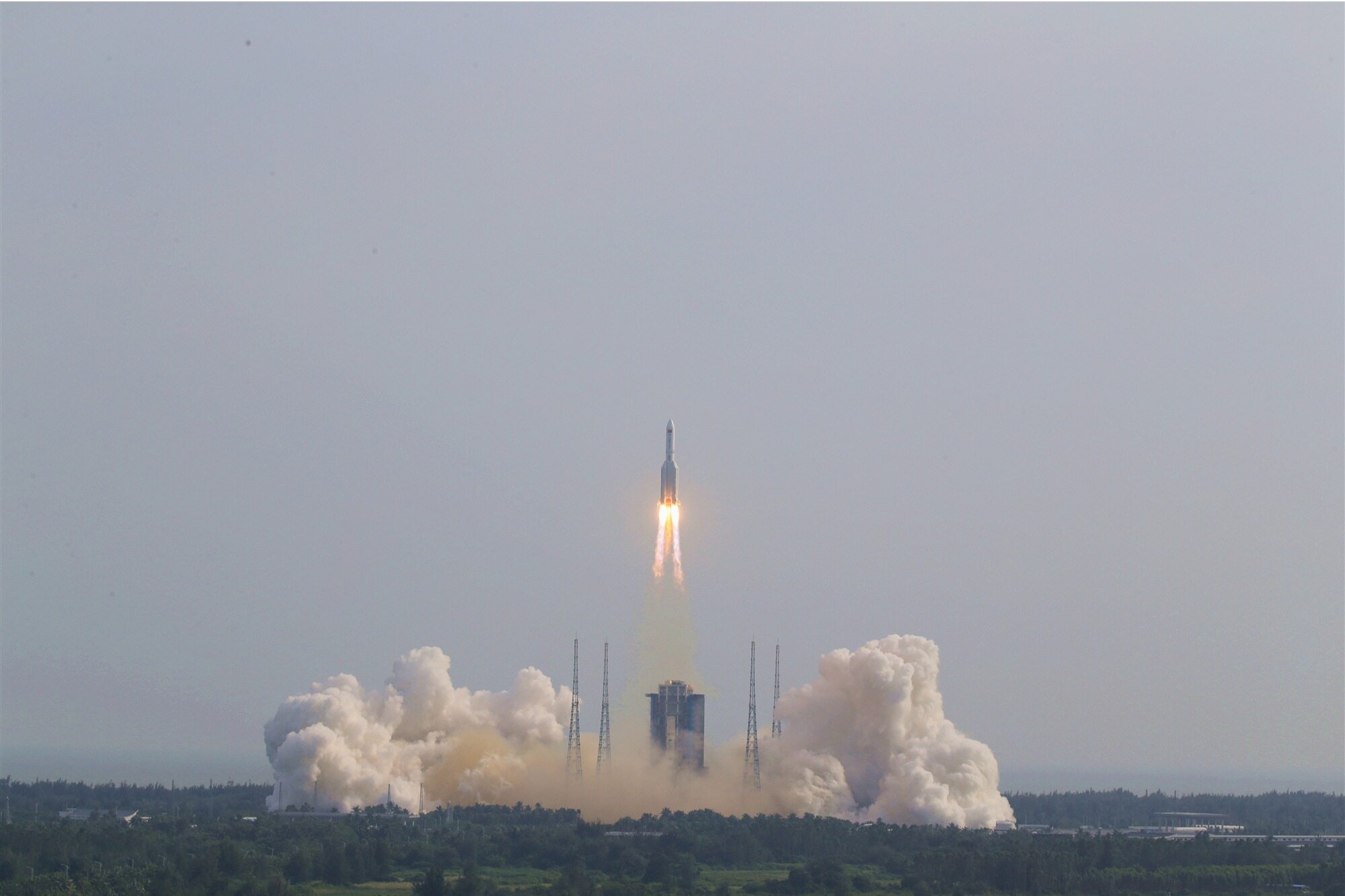
In the summer of 2025, 8 Omani youth will approach a satellite model for the first time at a space summer camp in China; This autumn, four Omani students have entered the classroom in Hangzhou to pursue a master's degree in space technology. Thousands of kilometers away, the Oman ground station is still receiving images from OL-1, and engineers are using algorithms to distinguish between clouds, coasts, and urban areas one by one. One line in people, one line in stars, and finally converge in Beijing: Oman Lens Company and China Star Vision Aerospace signed two cooperation agreements, one for educating people and the other for creating stars. At the time of signing, the Sultan of Oman visited China, and logistics, energy, and digital cooperation also landed in the same batch.

Thousands of people start from the classroom
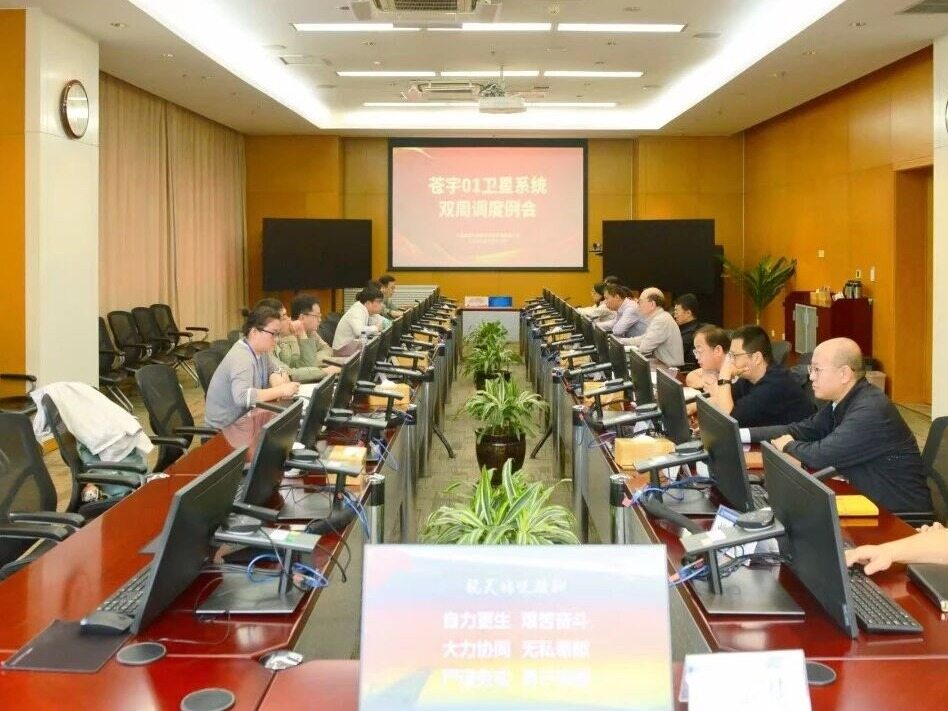
The five-year talent training program is the slowest to take effect and also the most fundamental. According to the agreement, 30 Omani nationals have been sponsored to pursue master's and doctoral degrees in China, and 1000 professionals in the field of space science and advanced technology have received training. The two sides have also established a joint space artificial intelligence laboratory to connect academic training with industry needs. The progress given by CEO Ali Shah is that over 50 people have been organized for training in China, 8 Omani youth have participated in summer programs, and currently 4 students are pursuing master's degrees in China. These four young people are studying space technology applications at Beihang Hangzhou International Campus, covering global satellite navigation systems and remote sensing geographic information. They plan to bring imaging and navigation technology back to China for use in surveying, urban planning, and environmental protection. Degree education and short-term training go hand in hand, while high-end reserves and frontline supplementation are promoted simultaneously, so that there will be people who can handle subsequent research and ground operations.

Seven stars in two steps
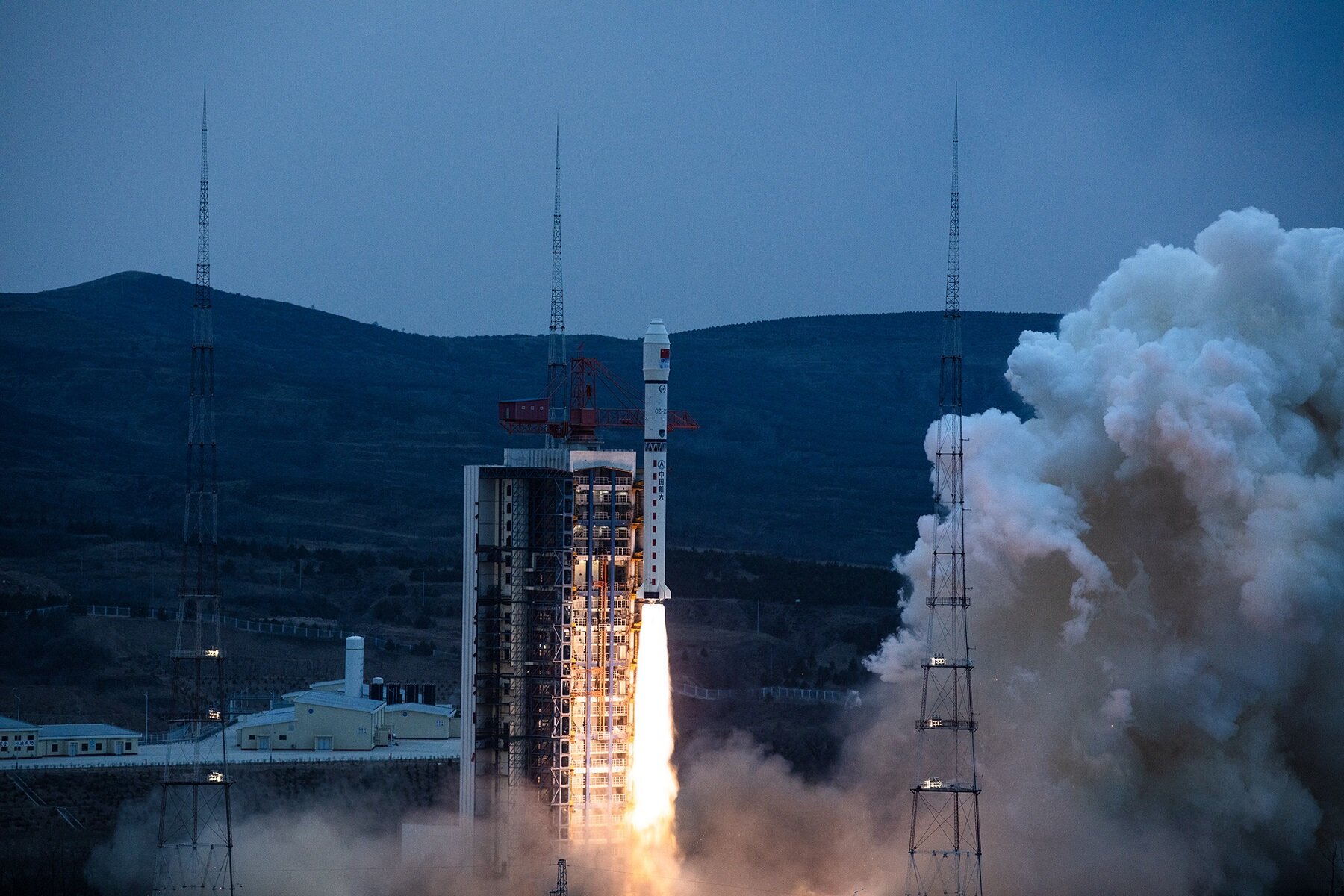
The second agreement is included in the Space Silk Road program, covering two stages of development, launch, and operation: the first stage consists of seven satellites, and the second stage constellation will be considered based on the results of the first stage. The supporting assembly integration testing center is located in Oman, undertaking technology and knowledge transfer, training satellite engineering and operation personnel, and gradually cultivating local manufacturing capabilities. Both parties have previously launched the OL-1 satellite, built ground stations, and developed applications for artificial intelligence and satellite image analysis; That star can complete cloud detection, intelligent compression, and target recognition in orbit, covering the entire process from development to delivery, and has accumulated engineering experience and team synergy. The concept of the Space Silk Road is based on space-based facilities such as Beidou, communication, and remote sensing, with the original intention of helping jointly build countries' independent space capabilities. Compared to a single star, multi star collaboration can improve observation frequency and service continuity. The synchronous promotion of seven stars and the final assembly center is a response to this demand.
Leave the ability in Oman
The agreement aims to expand the application of satellite data and artificial intelligence in fields such as Earth observation, maritime surveillance, natural resource management, environmental monitoring, and urban planning. Oman's previous space sector policy and implementation plan included economic diversification, capacity building, and sustainable development as goals, with a focus on Earth observation and ground networks; Long coastlines, ports, and arid regions all require long-term and continuous observation. Ali Shah said that transferring technology and management knowledge to Oman and building domestic capabilities are the primary goals, and he also hopes to use this to promote the development of the aerospace industry and open up opportunities for future cooperation and investment. The ground station, assembly center, joint laboratory, and training for thousands of people are linked together: satellites are responsible for watching, algorithms are responsible for understanding, and people are responsible for running the system. If the first seven satellites and local teams are in place as planned, data service capabilities will gradually be released to these industries. The focus of cooperation has shifted from single procurement to capacity building. The hardware purchased will depreciate, and the ability to grow locally will not.Editor/Yang Meiling
Comment





 Praise
 Collect
 Comment

 Share


Write something~