 Search


- For the first time since the Middle East conflict, the oil market has opened a new rebalancing cycle

On November 13, 2026, the latest oil market report from the International Energy Agency sent a crucial signal that the supply shadow of the nearly 9-month Middle East conflict is rapidly dissipating, and the underlying operating logic of the global oil market has completely reversed. In October, the supply side exceeded demand for the first time, a situation that has never occurred since the outbreak of the conflict, and the trading logic of the entire industry is rapidly being rewritten.
Full efficiency of outbound shipping from the bay
Since August, the pace of crude oil exports from Gulf oil producing countries has been accelerating, and the shuttle and transfer mode of small oil tankers in the Strait of Hormuz has been fully implemented. The circulation speed of crude oil from the Persian Gulf hinterland to the Gulf of Oman's super large oil tankers has directly doubled. The previously compressed export volume due to geopolitical conflicts is being replenished at a much faster pace than market expectations.
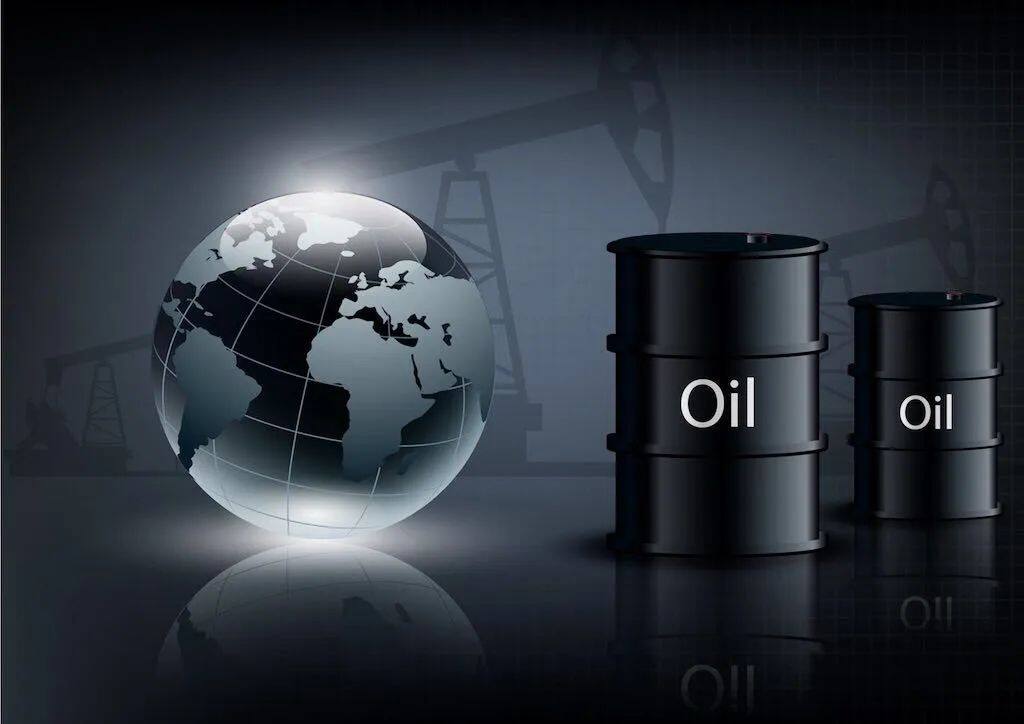
In October, global oil inventories increased by 52 million barrels compared to the previous month, and the inventory levels of port tanks, pipelines in transit, and floating warehouses at sea rose simultaneously. The scenes of grabbing goods, waiting for ships, and buying at a premium that have been seen everywhere in the market in the past few months are rapidly disappearing.
Demand contraction combined with supply recovery
In 2026, the global average daily oil demand decreased by 2.7 million barrels year-on-year, ultimately falling to 102.3 million barrels per day for the whole year. The contraction on the demand side was 100000 barrels per day more than expected by the market last month. On one hand, there is a continuous release from the supply side, and on the other hand, there is a steady slowdown from the demand side. In the fourth quarter of 2026, the global oil market officially entered a comprehensive surplus zone, and the geopolitical conflict premium that has lasted for more than half a year is rapidly being squeezed out.

The focus of the subsequent market game has completely shifted from "whether there will be a supply cut" to "whether oil producing countries should reduce production and destocking". The global oil market is rapidly breaking away from the conflict driven special situation and returning to the normal track dominated by supply and demand fundamentals. The international oil price trend in the next few months will be completely determined by the pace of supply release and the magnitude of demand contraction.Editor/Cheng Liting
Comment


 Praise
 Collect
 Comment

 Share


Write something~