 Search


- Long term equipment is locked in advance, and the efficiency of offshore oil and gas development in Northern Europe continues to upgrade
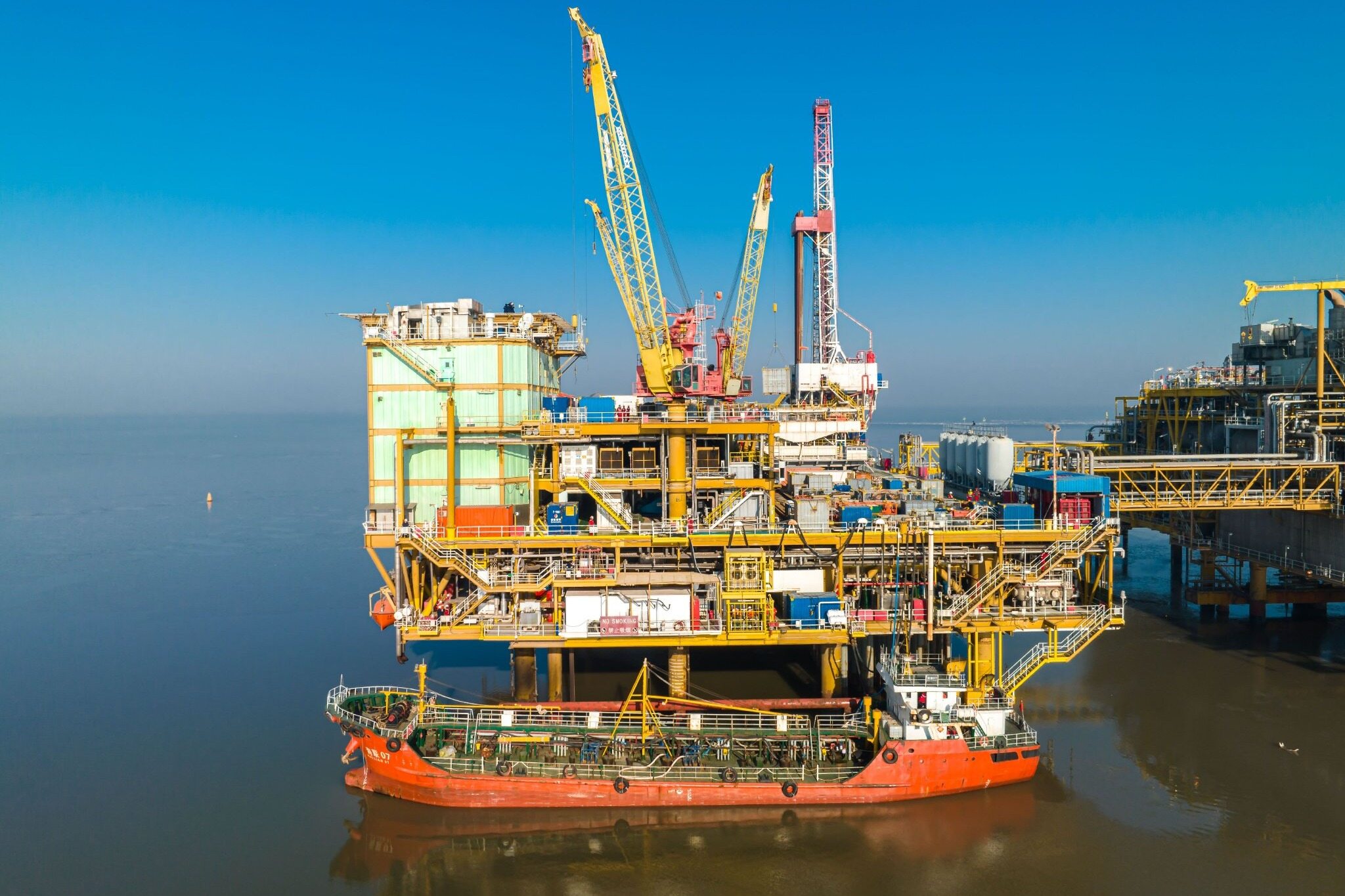
On November 2, 2026, Subsea7 officially announced that it had been awarded the North Sea Lyra Oilfield Development EPCI contract by Aker BP, with a total project amount ranging from $150 million to $300 million.
The North Sea Fast Track Project has secured the core subsea pipeline order
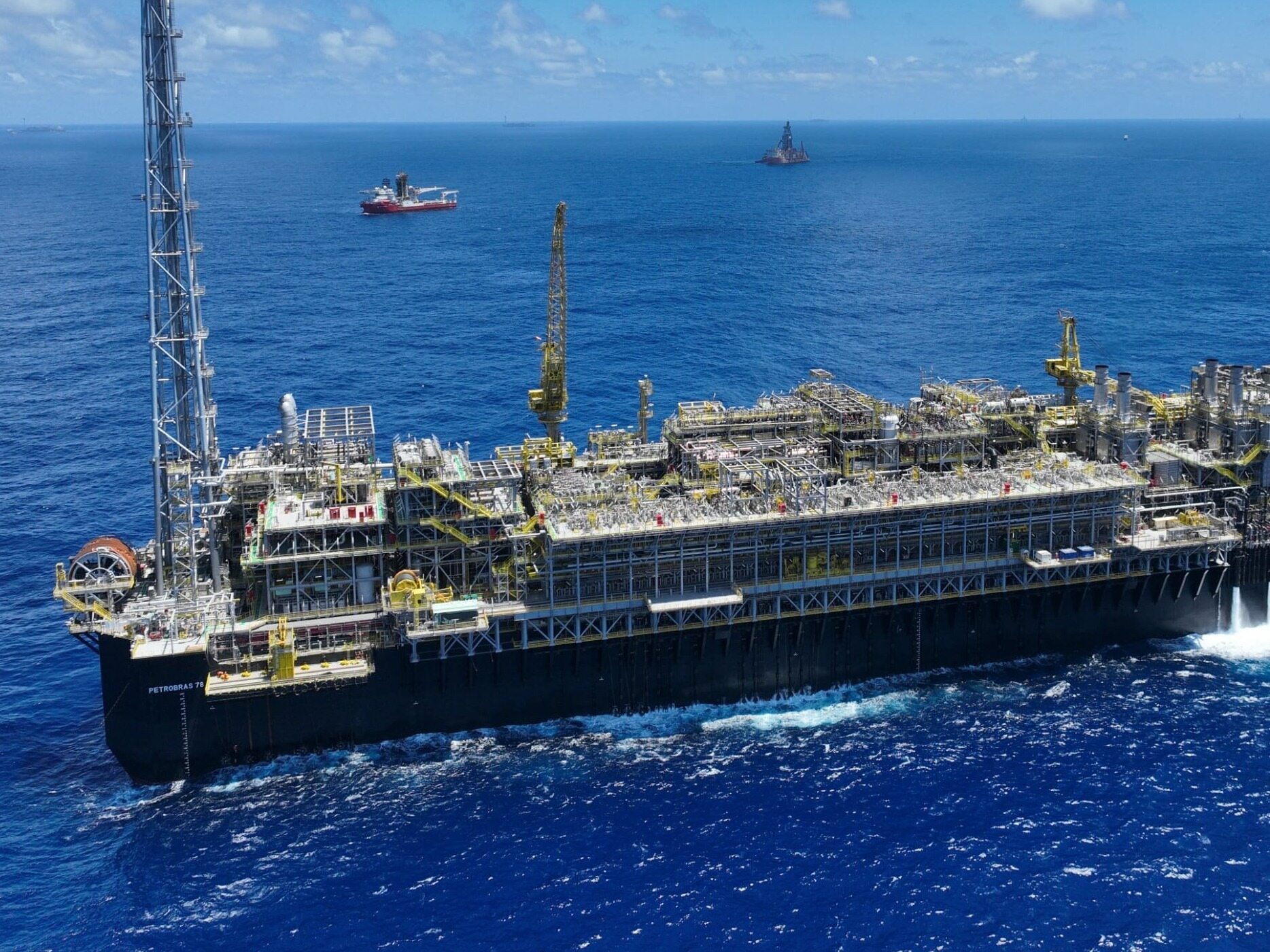
Lyra oil field, formerly known as Kj ø ttkake gas field, was discovered by DNO drilling in early 2025. It is located in the northern North Sea of Norway, about 44 kilometers away from the Gj ø a platform. On October 29, 2026, the project license partner officially approved the development plan, and Aker BP confirmed the final investment decision during the third quarter performance conference call. The oil field was officially renamed Lyra. The output will be connected back to the Gj ø a platform through the existing infrastructure of NOVA oilfield for processing and export.
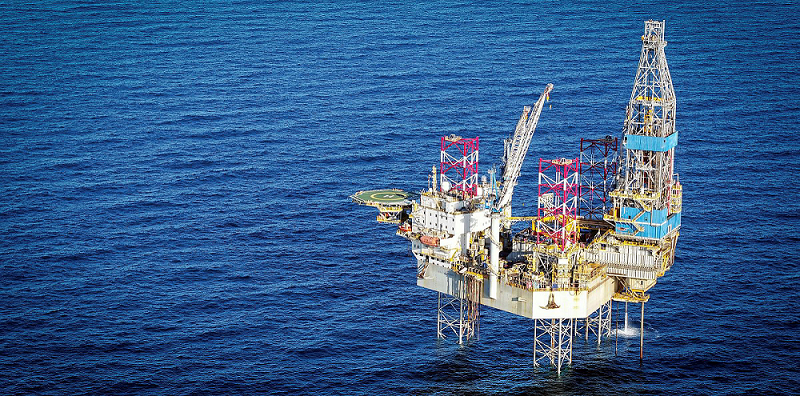
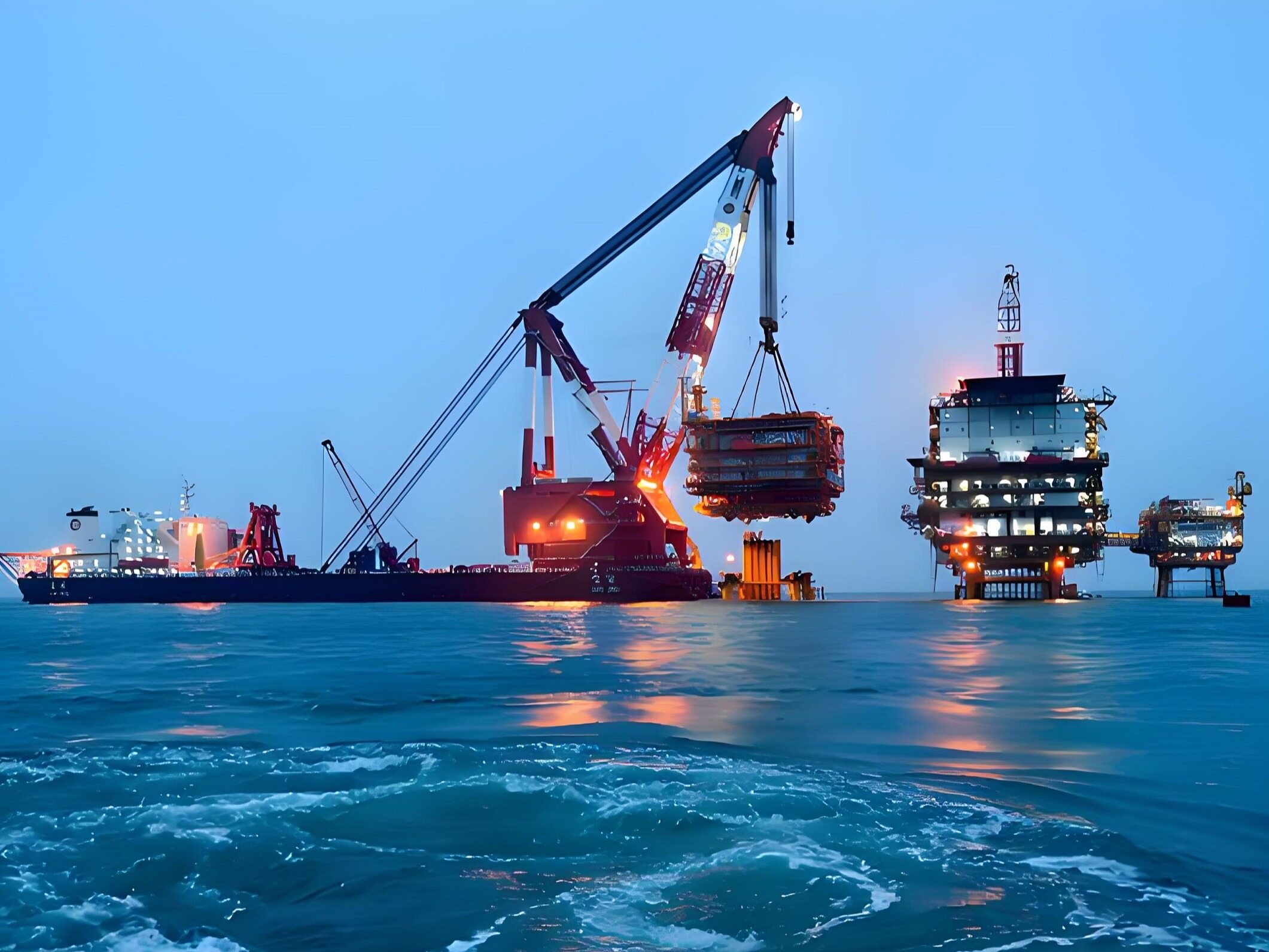
Subsea7 undertakes all engineering procurement, construction, and installation work for gas lift pipelines, production pipelines, and related subsea facilities. The production pipelines adopt a pipe in pipe design, and offshore installations are all carried out by Subsea7's own fleet. The project management and engineering design work has been initiated in the Stavanger office in Norway, and pipeline prefabrication will be carried out at the pipeline section base in Vigra. Offshore operations will be implemented in stages in 2026, 2027, and 2028.
Breaking the pace of North Sea development from discovery to production in three years
Lyra is a typical fast track development project, with an overall cycle of only about three years from oil and gas discovery to the planned first oil production in 2028. In order to match the extremely tight schedule, Subsea7 completed the key long-term equipment pre commitment lock order as early as December 2025, locking in the delivery rhythm of core materials nearly a year ahead of the official award. The recoverable reserves of the project are approximately 37 million barrels of oil equivalent, with an estimated peak gross production of 20000 barrels of oil equivalent per day, and an overall investment scale of approximately 900 million US dollars. Keywords: oil field, petroleum
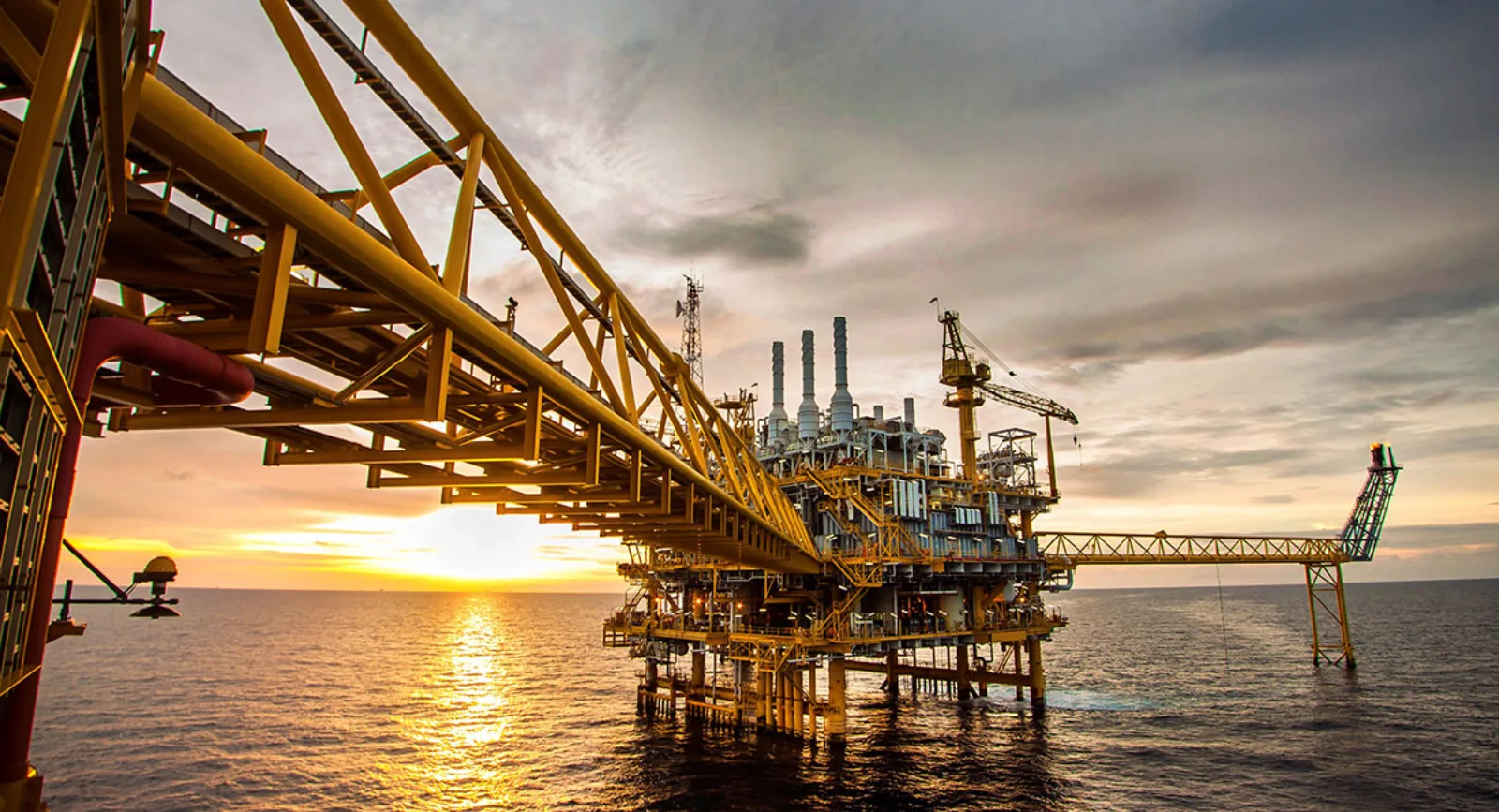
The project adopts a development plan of using a set of subsea manifolds with three multi branch wells, all of which reuse existing standardized equipment and facilities to compress the construction period and control costs. This is DNO's sixth North Sea project under construction and the company's fifth satellite oil field to connect to the Gj ø a hub. The average production of DNO Gj ø a region in the third quarter of 2026 is 17000 barrels of oil equivalent per day, and the company aims to increase the total production in the North Sea to 100000 barrels of oil equivalent per day by 2030. The efficiency of cross year window connection for subsequent subsea pipeline installation will directly determine whether the first oil node in 2028 can be successfully fulfilled.Editor/Cheng Liting
Comment

 Praise
 Collect
 Comment

 Share


Write something~