 Search


- Cracking the development dilemma of inland countries and activating regional economic development momentum through railways
- Cross border infrastructure collaborative construction, promoting the implementation of interconnectivity among Southeast Asian countries
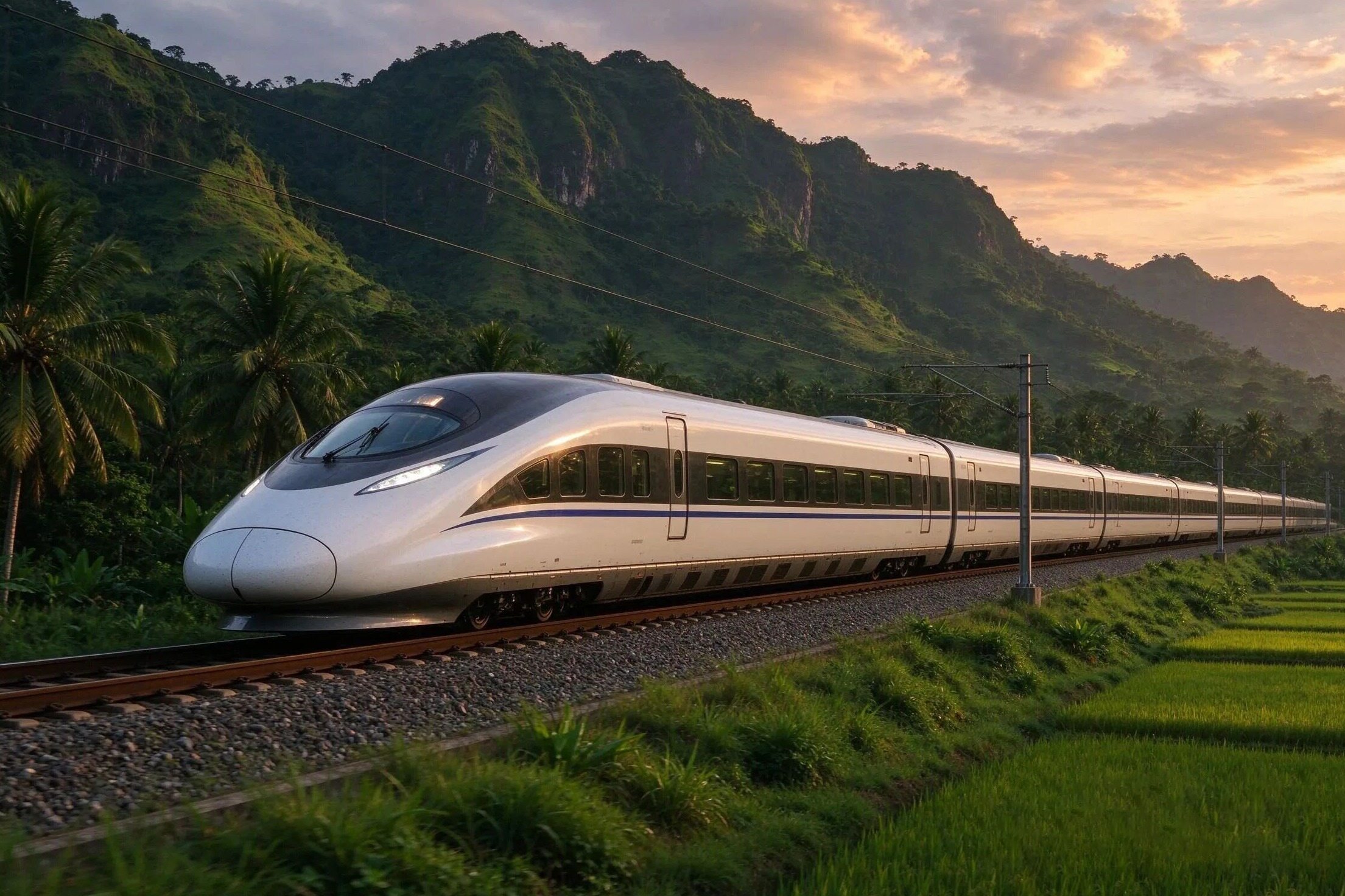
In the late 19th century, deep in the dense forests of Southeast Asia, British and French surveyors each drew railway blueprints, attempting to build a passage connecting Yunnan and the Indochinese Peninsula in order to seize regional resources. But this idea only stays on the blueprint, sleeping for nearly a hundred years.
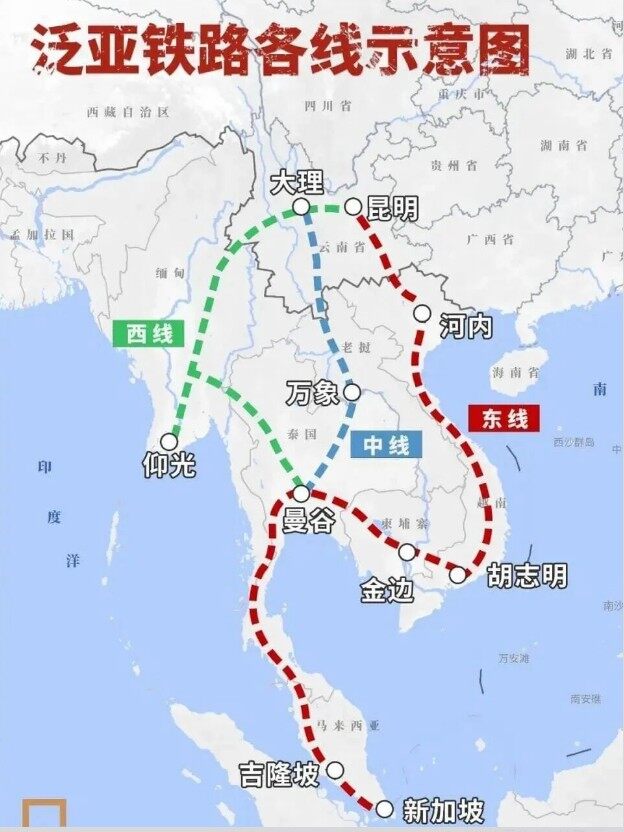
This is the Pan Asian Railway, a grand project that connects the Indochinese Peninsula and the southwest of China. Every extension of the route has a profound impact on the geopolitical landscape of the Asia Pacific region.
Colonial dreams turn into fantasies
The concept of the Pan Asian Railway was born during the colonial era. At that time, Britain and France occupied Southeast Asia and planned to build railways to transport local resources through Southwest China to the mainland. However, due to complex terrain and cross-border interests, the plan has never been implemented. During the Cold War, Southeast Asian countries had different gauge standards, and cross-border connectivity issues were prominent, resulting in long-term suspension of railway plans.
China Laos Railway Breaks
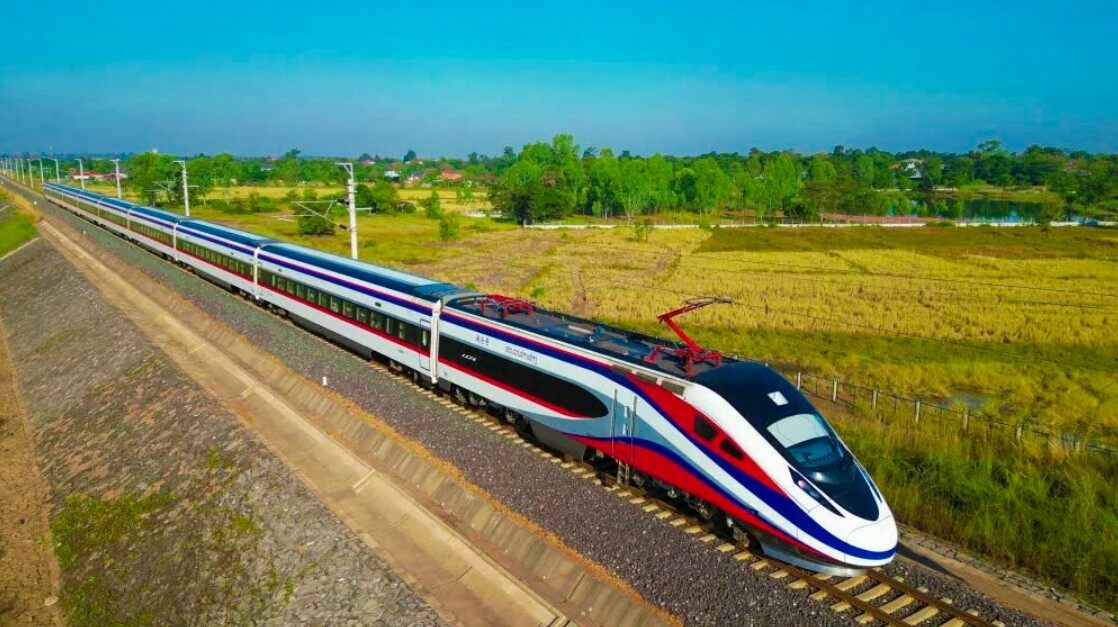
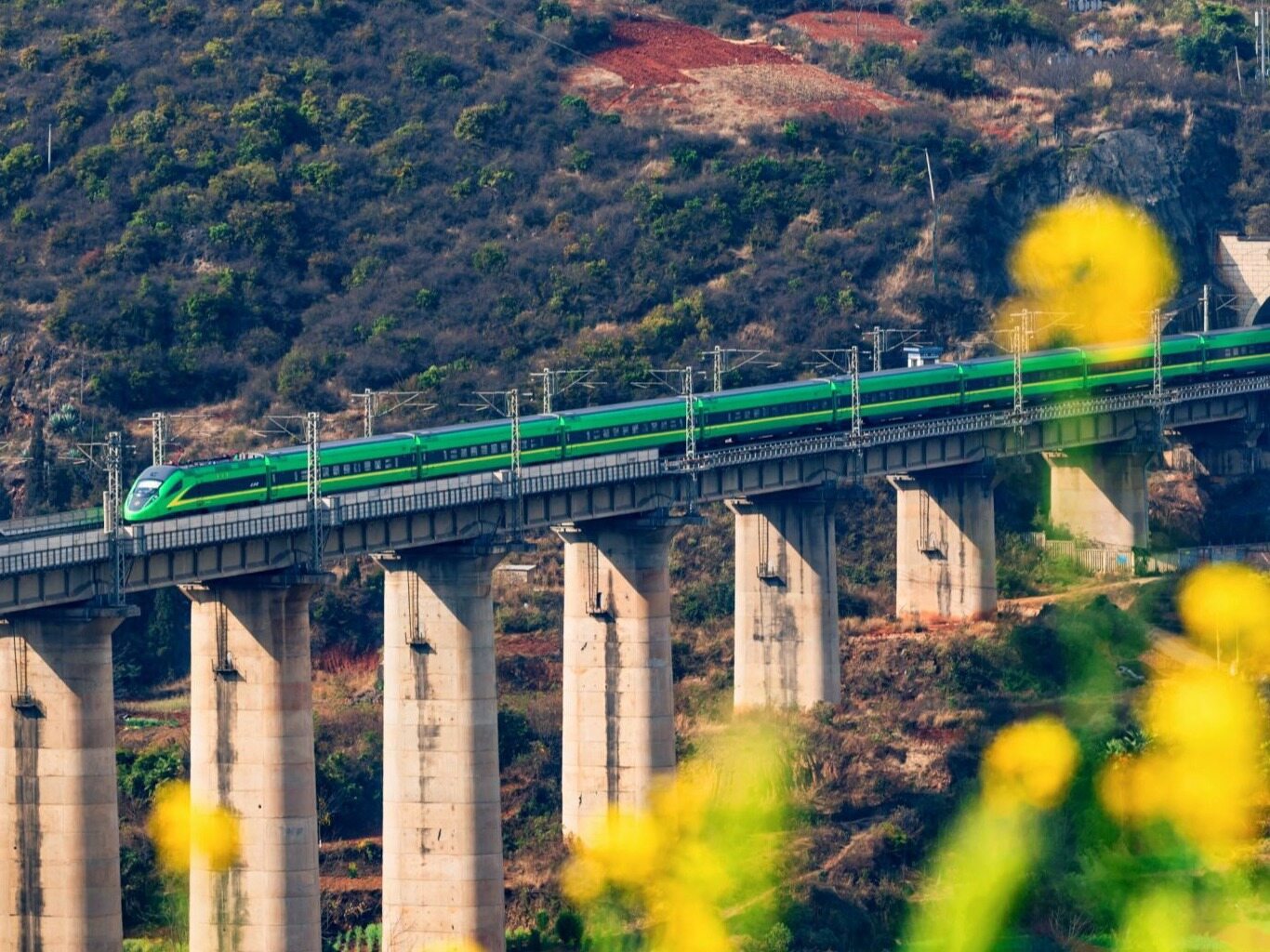
In 2021, the China Laos Railway will be opened to traffic, becoming the first line in Southeast Asia that adopts Chinese standards and directly connects to China's railway network. This route has shifted Laos from a landlocked country to a landlocked country. With the stable operation of the China Laos Railway, the China Laos Thailand Malaysia multimodal transport special train has been successfully launched, and the two-way channel of the central line of the Trans Asian Railway has been initially opened.
The Pan Asian Railway starts from Kunming and is divided into three channels: East, Central, and West.
The progress of the central line is the fastest: the middle and old sections have been opened to traffic; The China Thailand high-speed railway will be promoted in sections, and the journey from Kunming to Bangkok will take about 10 hours after the full line is completed. The eastern route passes through Vietnam and Cambodia, and the construction progress is slow due to factors such as the difficulty of renovating existing railways. The western route is affected by the situation in Myanmar, and the progress of cross-border sections is restricted.
The game behind infrastructure construction
The Pan Asian Railway has already surpassed the scope of transportation infrastructure. For China, this is an important project to deepen regional connectivity, expand southwest external channels, and enrich land transportation options. At the same time, multiple countries are participating in infrastructure competition in Southeast Asia. Southeast Asian countries weigh multiple factors in cooperation, comprehensively consider factors such as technology and long-term development, and carefully choose cooperation plans. Keywords: Pan Asian Railway, China Laos Railway, Indochina Peninsula, the Belt and Road
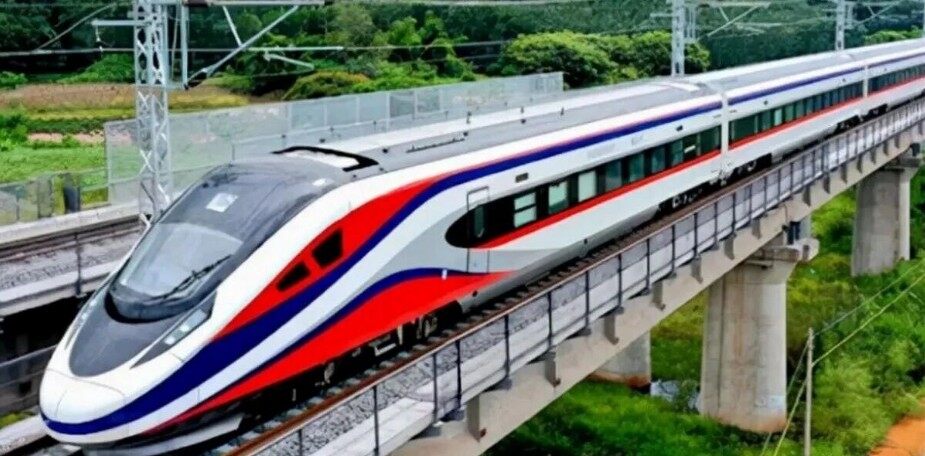
The century old blueprint has gone through colonial fantasies and long periods of shelving, and is now gradually being implemented. The cross-border railway network continues to improve, and once the central line is fully connected, the vision of high-speed rail from Kunming to Bangkok will finally be realized. The once paper-based plan is now becoming a real railway track.Editor/Gong Ziwei
Comment




 Praise
 Collect
 Comment

 Share


Write something~