 Search


- The continuous surge in computing power consumption has opened up new growth opportunities for the photovoltaic industry
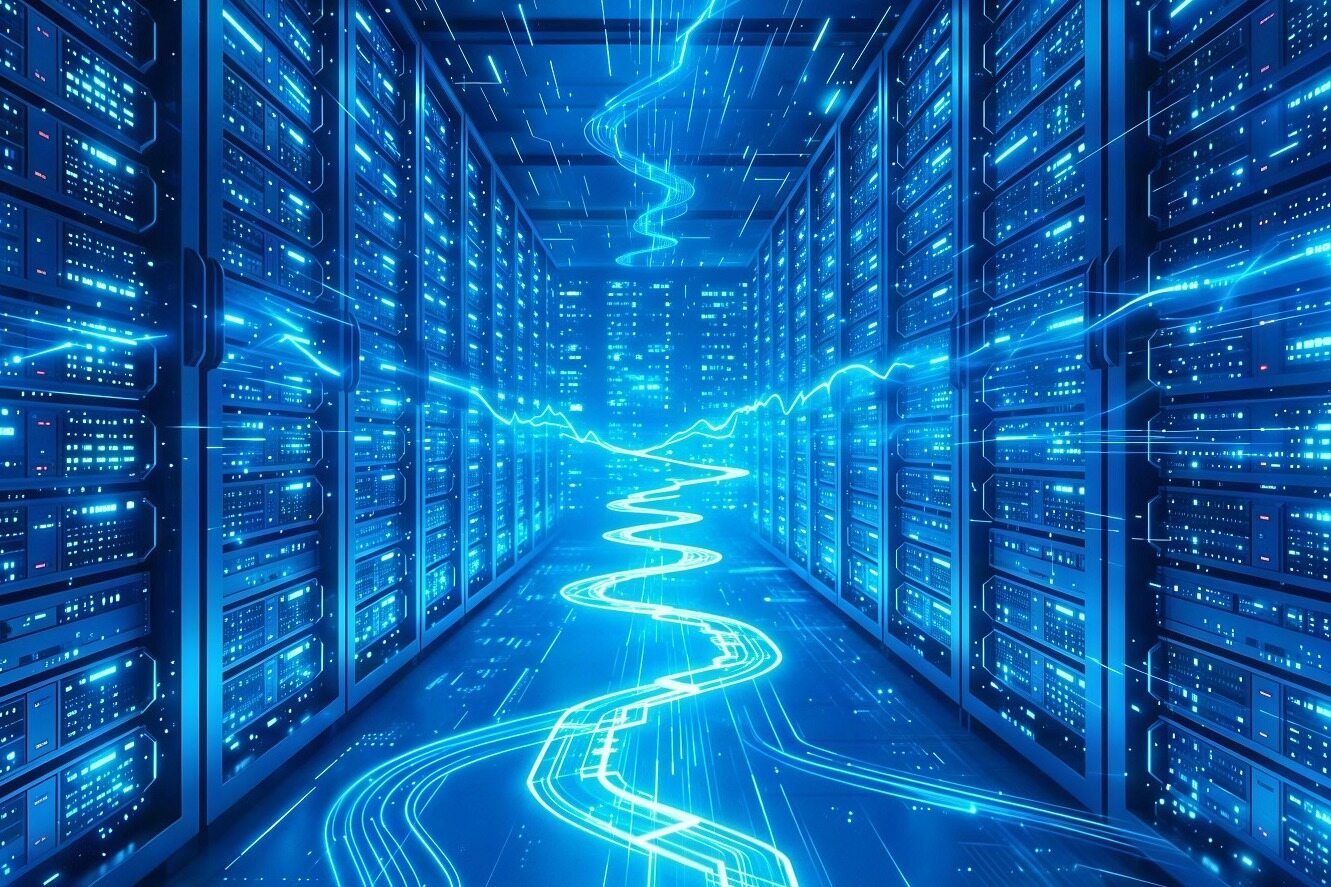
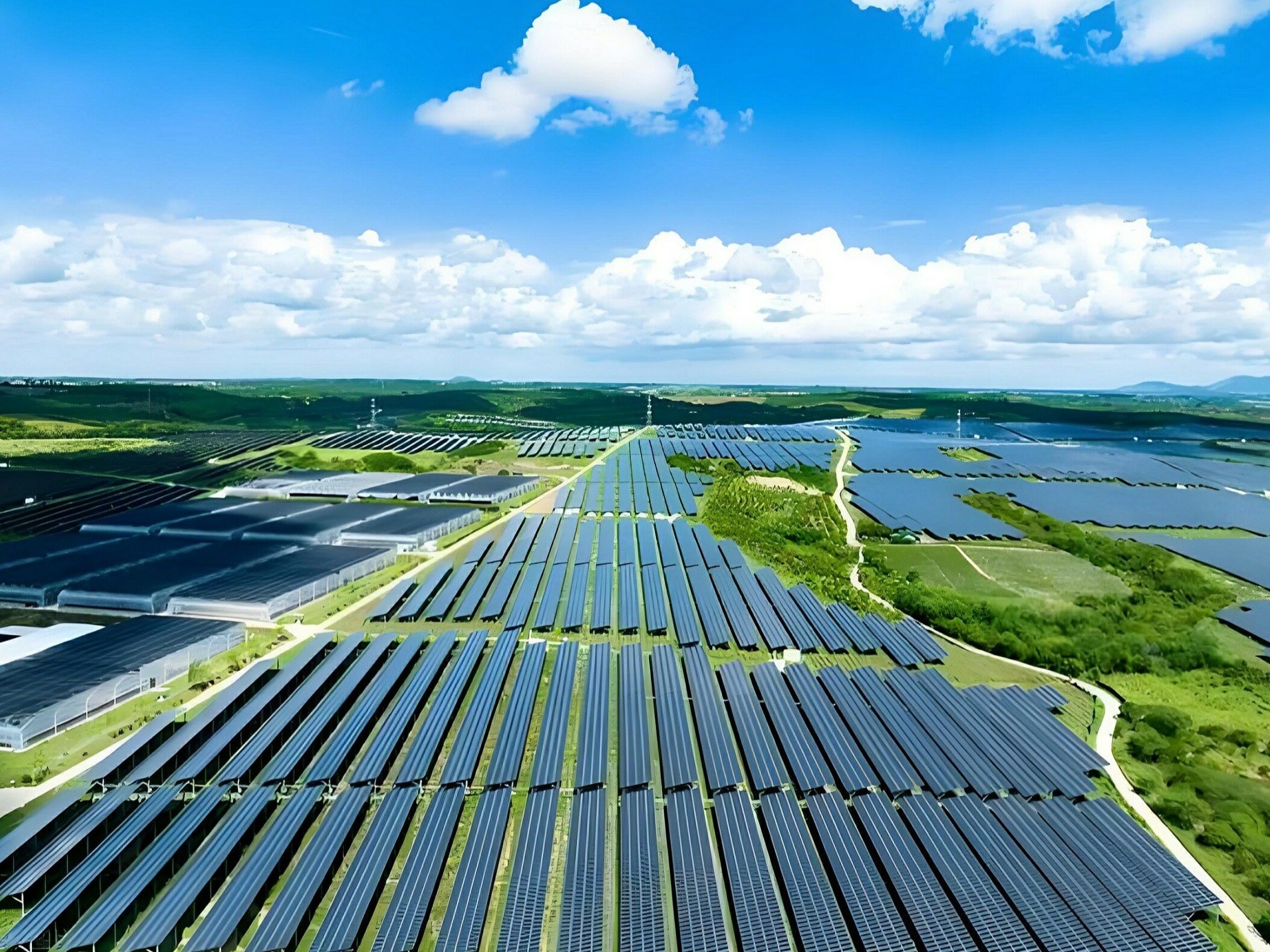
Once upon a time, the biggest mission of photovoltaic panels in the northwest desert was to connect to the grid and sell electricity. The efficiency of components rolls up every penny, and electricity prices are pieced together every penny. Bottlenecks can be absorbed like an invisible ceiling, always pressing down on the profit margins of the industry. Nowadays, a new trend is quietly rewriting this old track - AI computing power centers are entering the market with all-weather, high-density stable loads, and green power direct connection lines have emerged. The photovoltaic industry is shedding the shell of a simple power supplier and accelerating its transformation towards an AI infrastructure base.
Green power direct connection welcomes a new transformation
In the past, competition in the photovoltaic industry revolved around module efficiency, grid connected electricity prices, grid connected indicators, and consumption space, essentially dividing the cake in the existing plate of grid consumption. In the collaborative mode of computing and electronics, the game rules have completely changed: dedicated line direct supply has replaced grid repurchase, nearby matching has replaced long-distance transmission, and physical traceability has replaced general green certificates. The electricity from photovoltaic power plants no longer passes through layers of transfer, but is directly connected to the computing power room through dedicated lines.
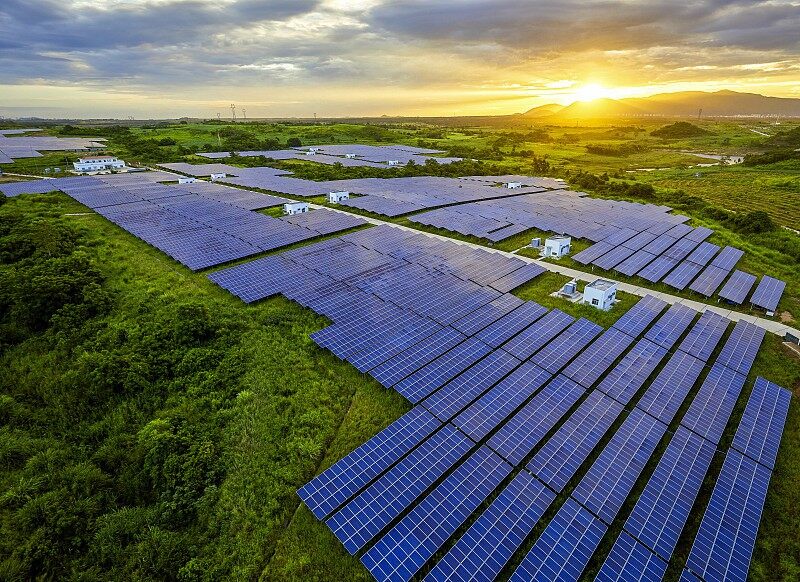
For the photovoltaic end, the computing power load is online 24/7, greatly smoothing out the intermittent fluctuations in wind and solar power output, and changing the pressure of consumption from passive waiting to active matching; For the computing power end, green electricity with traceability certification is directly transformed into a brand premium for green computing power. Low carbon compliance is no longer a cost burden, but a competitive barrier. From a low profit model of selling individual components to an integrated solution of photovoltaic storage, microgrids, and green power contracts, the overall value chain of the industry is rising.
Computing power drives new growth in photovoltaics
The huge demand for computing power is opening up considerable growth opportunities for wind and solar energy storage. During the 15th Five Year Plan period, the annual increase in computing power consumption is expected to exceed 100 billion kilowatt hours, and by 2030, it is expected to account for nearly 6% of the total electricity consumption in society. The high density of computing power load, strong payment ability, and strict low-carbon compliance requirements have led to a continuous reassessment of the value of wasteland and rooftop resources around the computing hub.
But there are still hidden reefs beneath the wind: computing power facilities require extremely high continuity of power supply, and wind and solar fluctuations require energy storage to provide a bottom line; The construction period of computer rooms and new energy projects is not synchronized, and the supporting policies and mechanisms such as electricity prices and carbon trading are still being improved. The industry needs to first establish a pilot closed-loop system, and then promote it in an orderly manner, avoiding a rush.
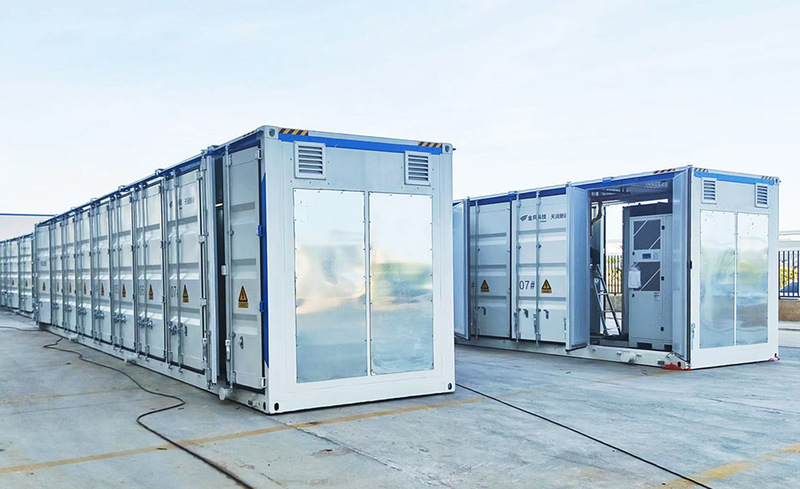
Grasp the track and focus on the four major directions
The new round of industrial opportunities is concentrated in four dimensions. Transforming idle roofs and vacant land into dedicated power points for computing power, making energy storage a standard feature of the project rather than an optional accessory, relying on microgrids to control the initiative of distribution network scheduling, and ensuring the full process operation of green certificate issuance and carbon footprint certification. The prospects for computing hub wind and solar storage bases, smart computing park microgrids, and carbon asset packaging operations are broad. Keywords: collaborative computing, direct connection of green power, energy storage, microgrid
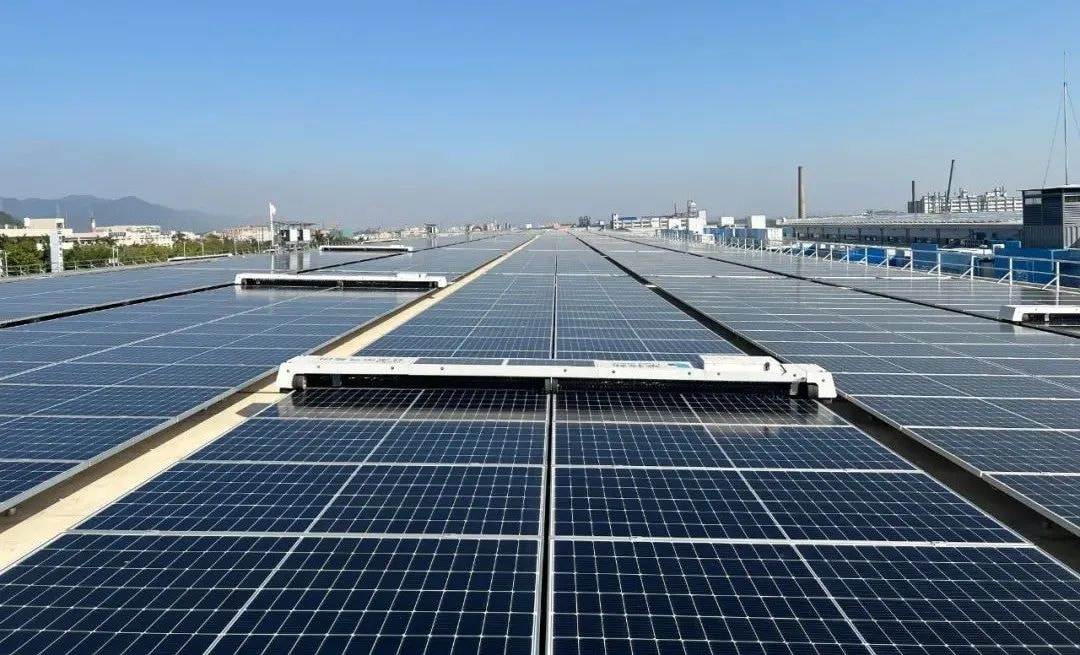
Ultimately, the foundation of computing power is electricity, and the future of electricity lies in synergy. Only by understanding the bidirectional logic of using electricity to strengthen computing and using computing to promote electricity can we seize the true industrial dividends at the historical intersection of photovoltaics and AI.Editor/Gong Ziwei
Comment




 Praise
 Collect
 Comment

 Share


Write something~