 Search


- China Laos Railway has broken 70 million passengers and goods in five years, helping Laos transform into a landlocked country
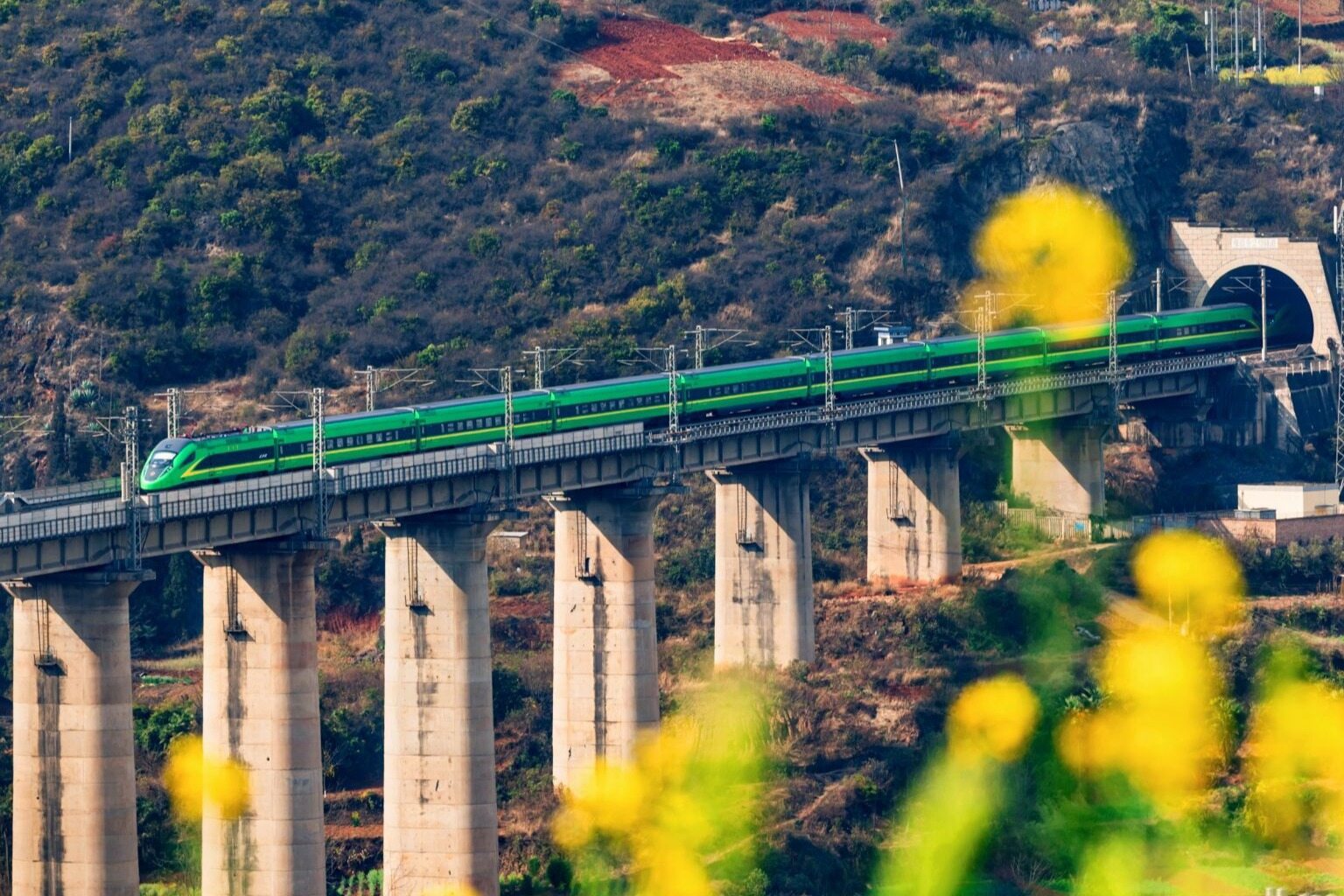
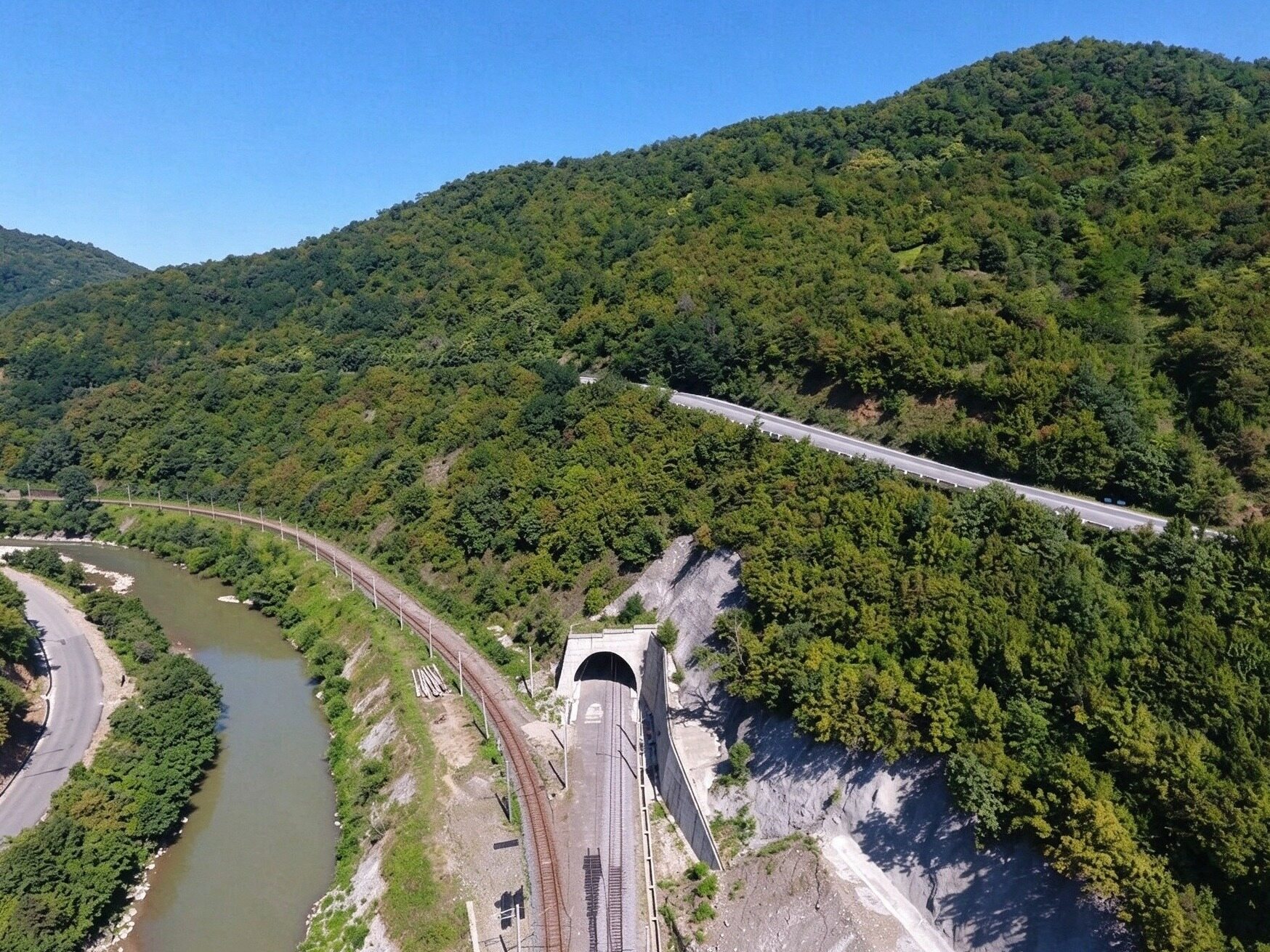
In 2026, on the platform of Vientiane Station, a Laotian businessman watched as a container filled with agricultural products was lifted onto a train. Five years ago, this batch of goods had to be loaded onto trucks and bumpy on winding mountain roads for several days before reaching the border. Now, he only needs to sign the bill at the platform to estimate the arrival time of the goods in Kunming. A railway did not change the landscape of Laos, but changed the way a landlocked country interacts with the world.
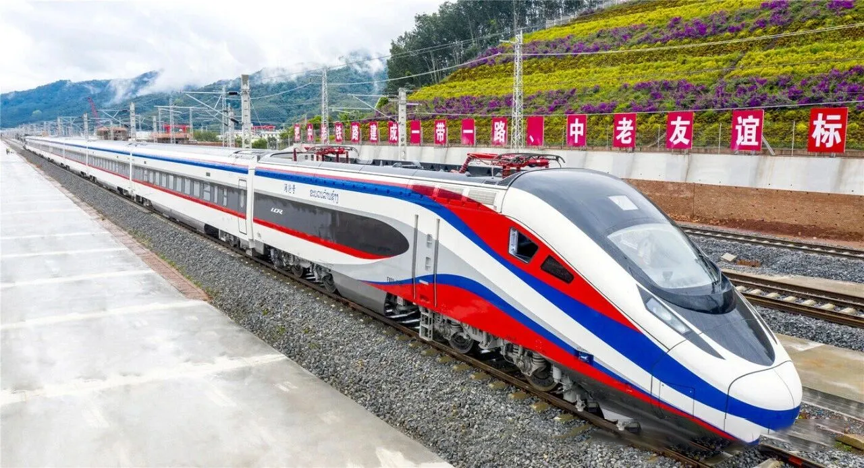
From the channel to the hub
In the five years since the opening of the China Laos Railway, the most noteworthy thing is not a certain volume figure, but the change of Laos' role in the regional logistics landscape. In the past, being an inland country meant that goods had to pass through neighboring ports for export, with multiple transportation links, long cycles, and uncontrollable costs. After the railway is connected, Laos is no longer the end of the road network, but a land node connecting China and ASEAN. Once the status of the channel is established, supporting industries such as warehousing, distribution, and processing have reasons to follow the layout.
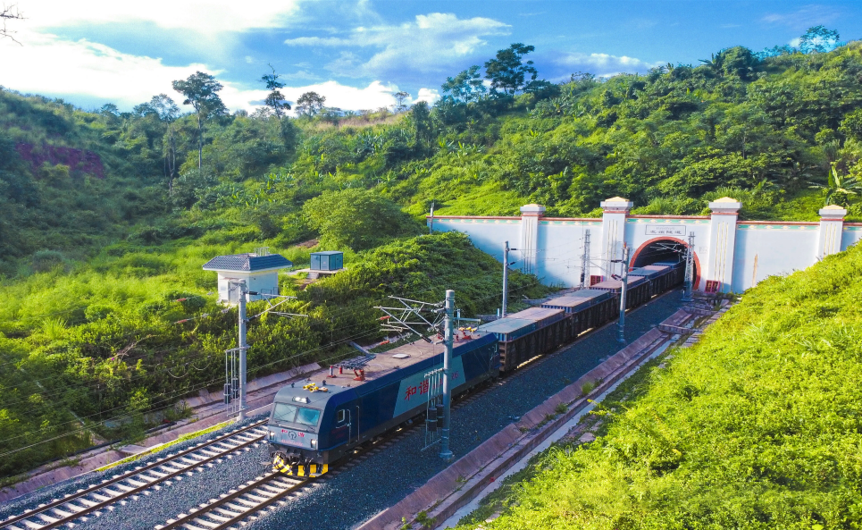
Reassessment of Logistics Costs
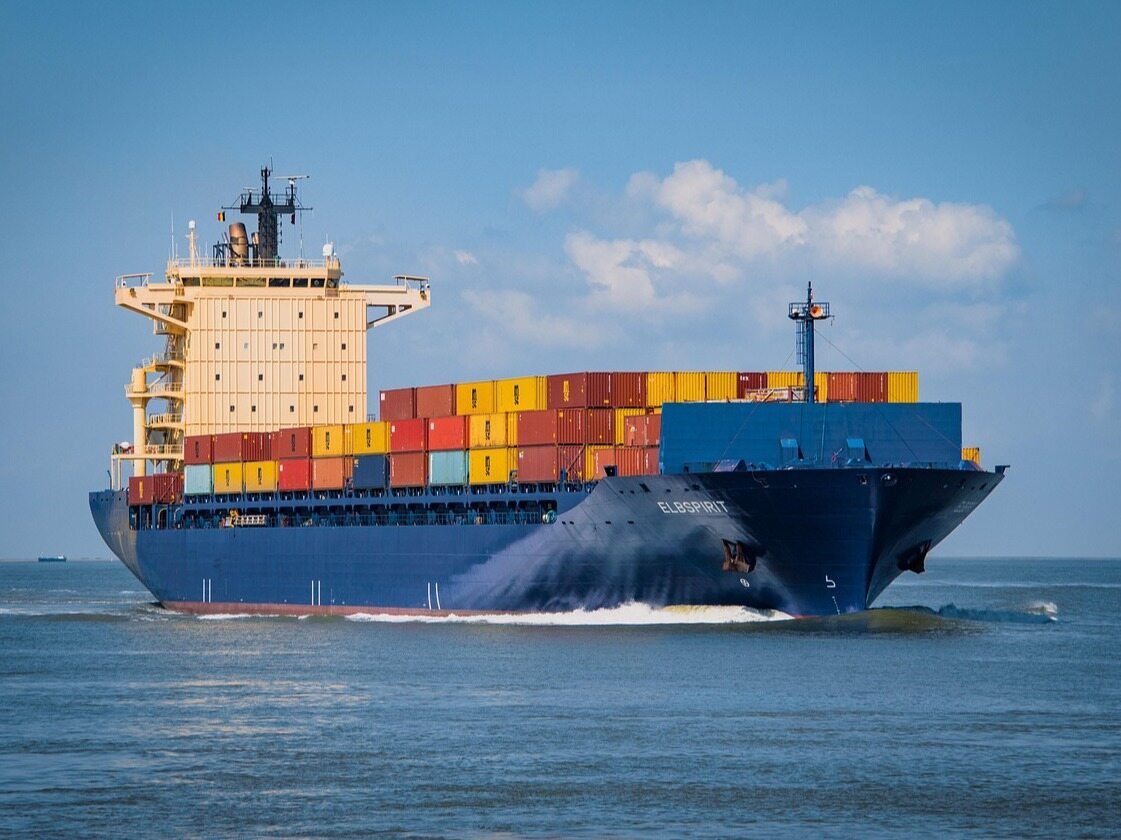
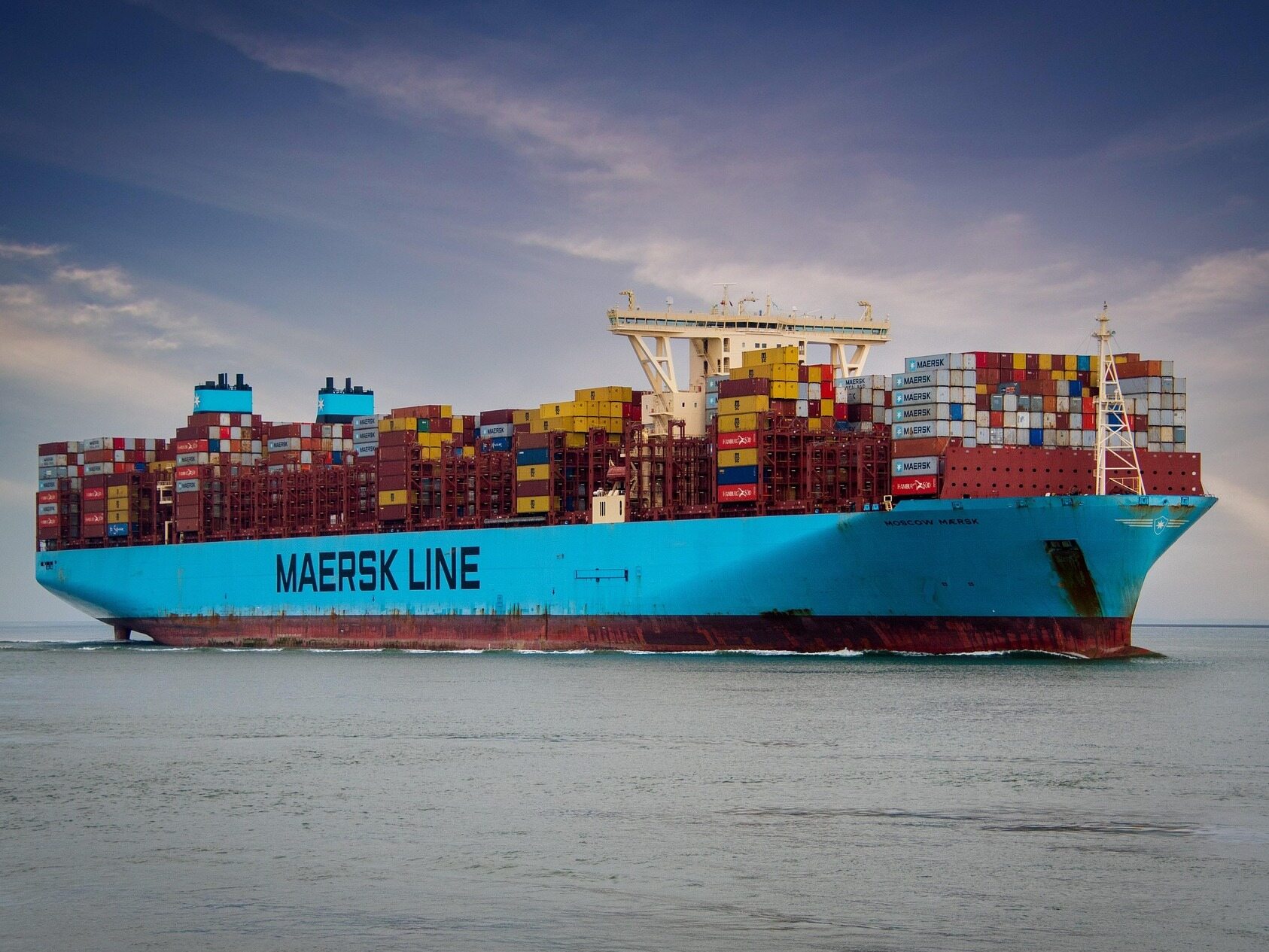
The direct effect brought by cross-border railways is the reassessment of logistics cost structure. Long distance transportation by road is greatly affected by oil prices, road conditions, and weather, while railways provide relatively stable timeliness and batch capacity. When transportation costs decrease and delivery times become predictable, traders are willing to include more categories in their cross-border trading lists. The expansion of goods categories from a few to thousands is due to changes in the organization of the supply chain, rather than simply an increase in transportation volume. Keywords: social commentary news information, China Laos railway, connectivity, logistics
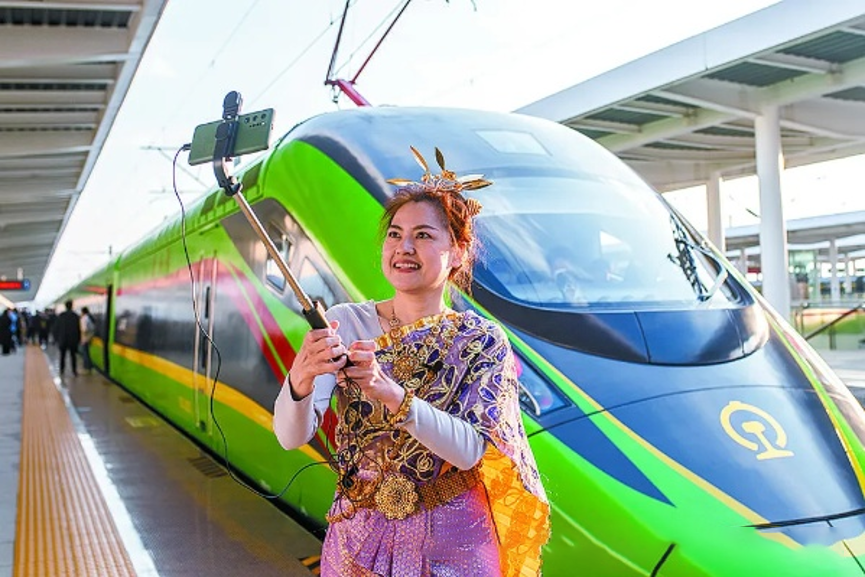
Interconnection needs to be accounted for in the long run
Evaluating a cross-border railway should not only focus on passenger flow and freight volume. Whether it can continue to exert its benefits depends on whether the industries along the line can grow, whether port services can keep up, and whether operational management can be localized. The transformation of Laos from a landlocked country to a landlocked country is a process of mutual evolution of institutions, industries, and talents, with railways only pressing the starting button. Interconnection is not about finishing the road, but about making way to truly integrate into the economic cycle. The experience gained from five years of operation is that the value of the channel ultimately lies not in the track, but in the industries and exchanges that grow at both ends of the track.Editor/Gao Xue
Comment


 Praise
 Collect
 Comment

 Share


Write something~