 Search


- After the landing of over 1 billion euros, the Romanian power grid will gain key flexible regulation capabilities
- Traditional refining giants have also turned into regional green power suppliers as a result
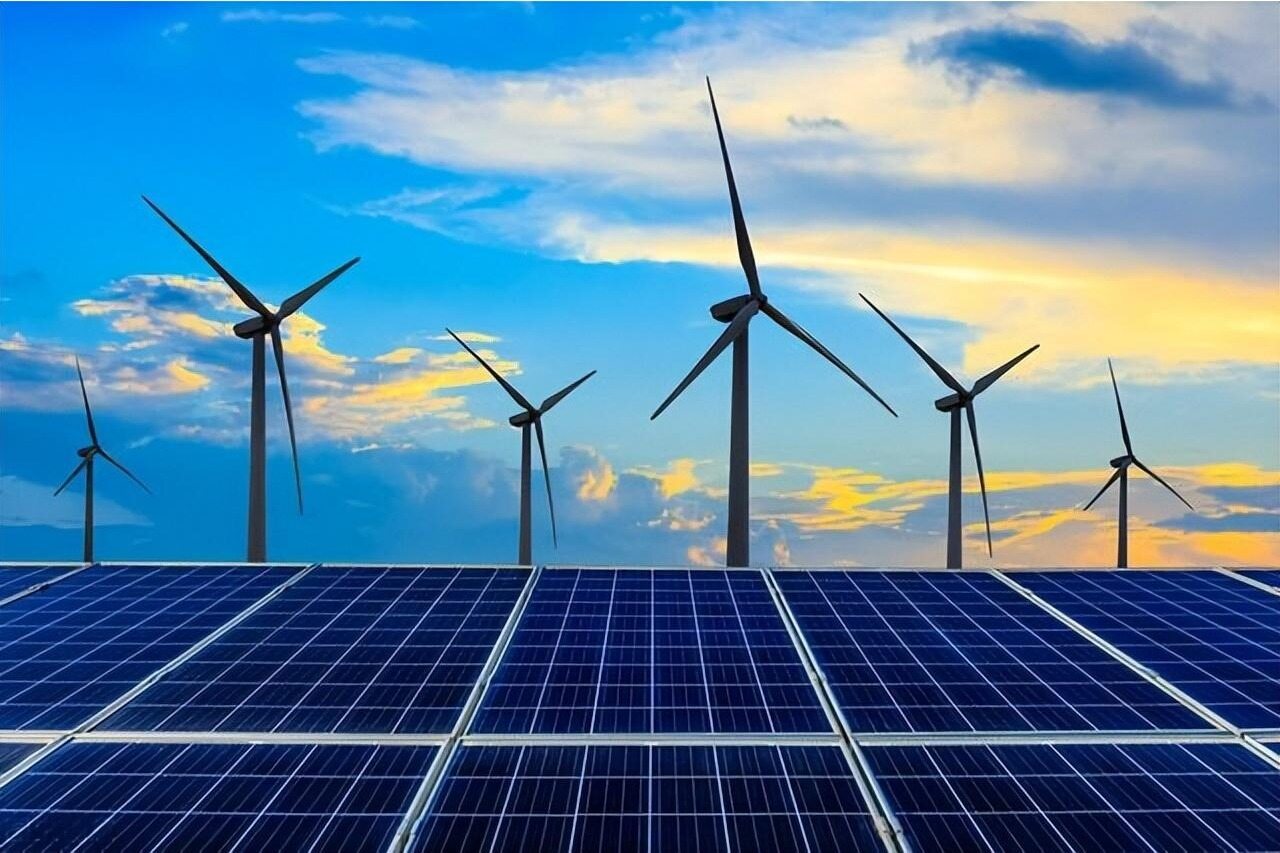
Recently, the management of HELLENiQ ENERGY, together with officials from the Romanian energy and environmental departments, unveiled the HELLENiQ Renewables Romania plaque. After three years of local cultivation, this Greek group, which started with refining and petrochemicals, is not offering a trial, but a timetable of over 1 billion euros by 2030: 1GW of renewable energy installation and 500MW of battery energy storage will be put into operation, totaling 1.5GW.
Four power stations start construction
The story begins on the plains of southern Romania. Teleorman, Giurgiu, Olt, and Dolj counties have four photovoltaic power stations totaling 211MW, with an annual power generation capacity that can meet 155000 households. This is also the first cornerstone for the group to understand the local licensing, grid connection, and electricity sales channels.
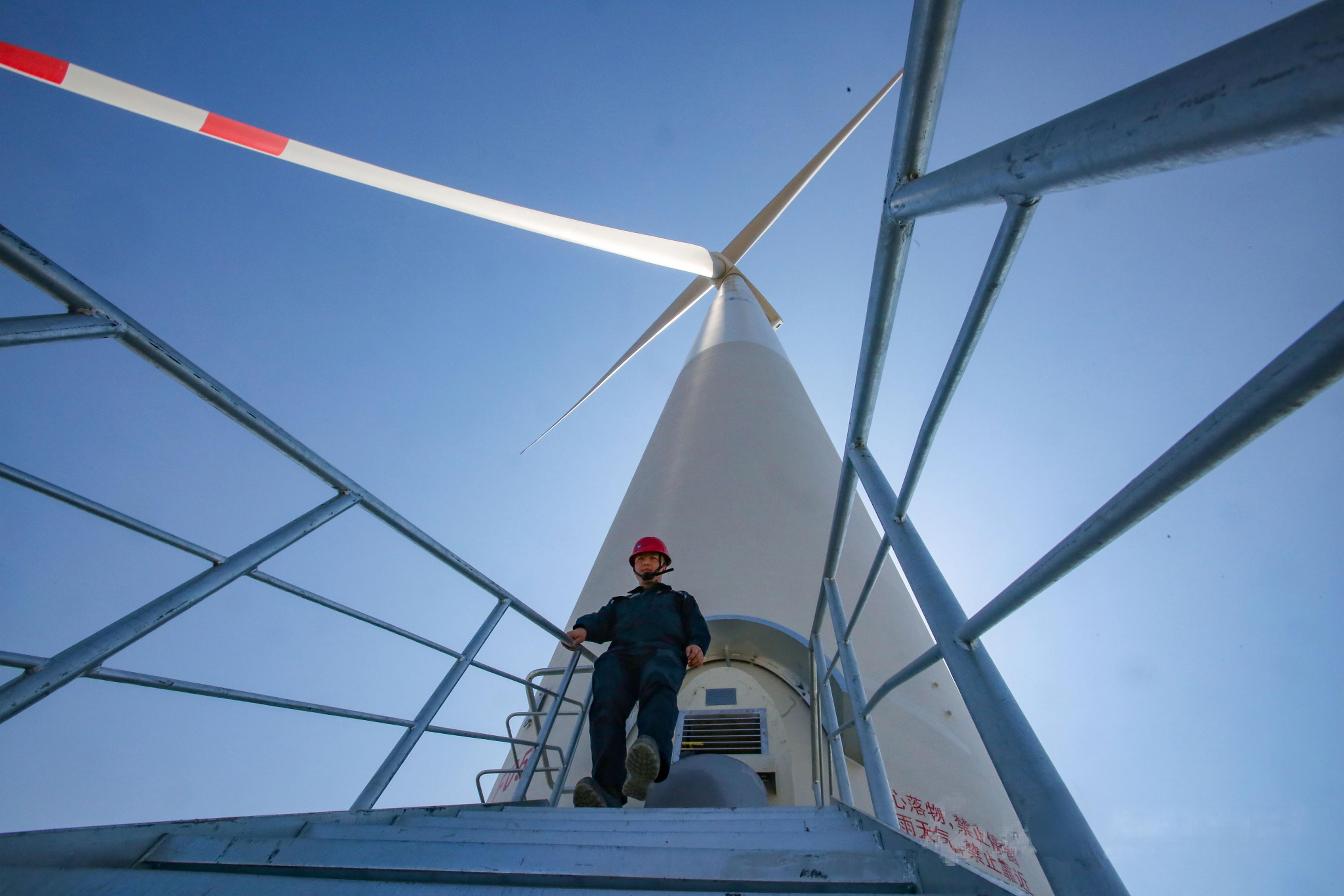
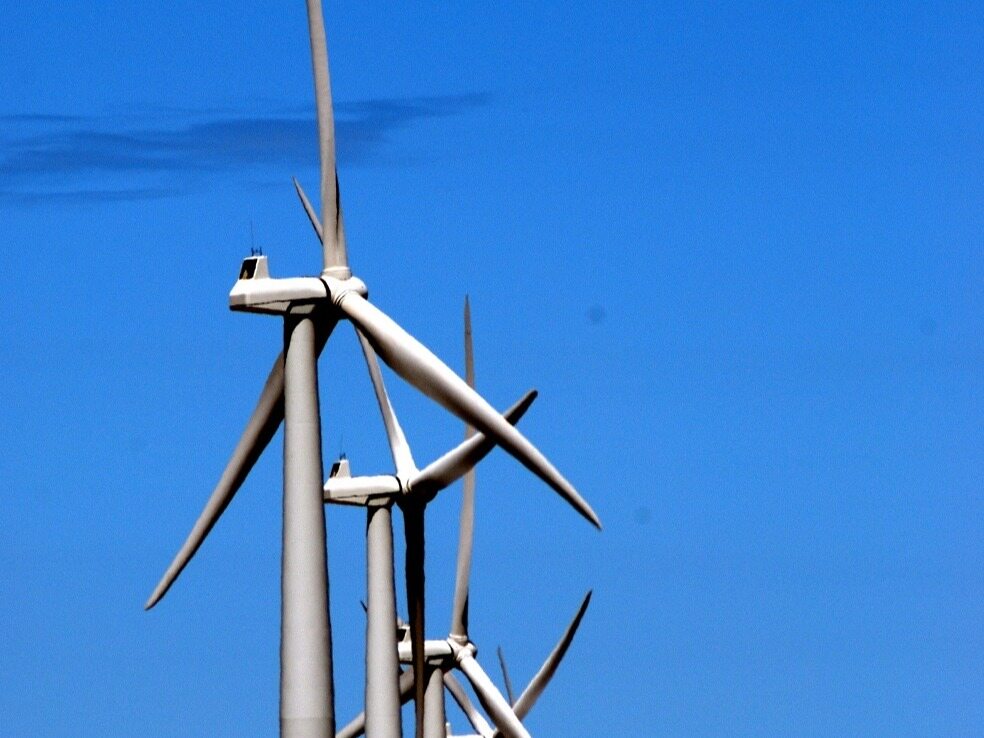
Photovoltaics is just the beginning. The 96MW wind farm in Galati County is under construction and is scheduled to be completed in the second quarter of 2027. Some of the electricity has been locked in through a long-term power purchase agreement. So far, the group has a portfolio of over 800MW renewable energy projects and 500MW battery energy storage system projects in Romania, covering the stages of operation, construction, and development. From a single illumination to complementary wind and solar, it is more indicative than numbers that it will stay for a long time.
Install batteries into the power grid
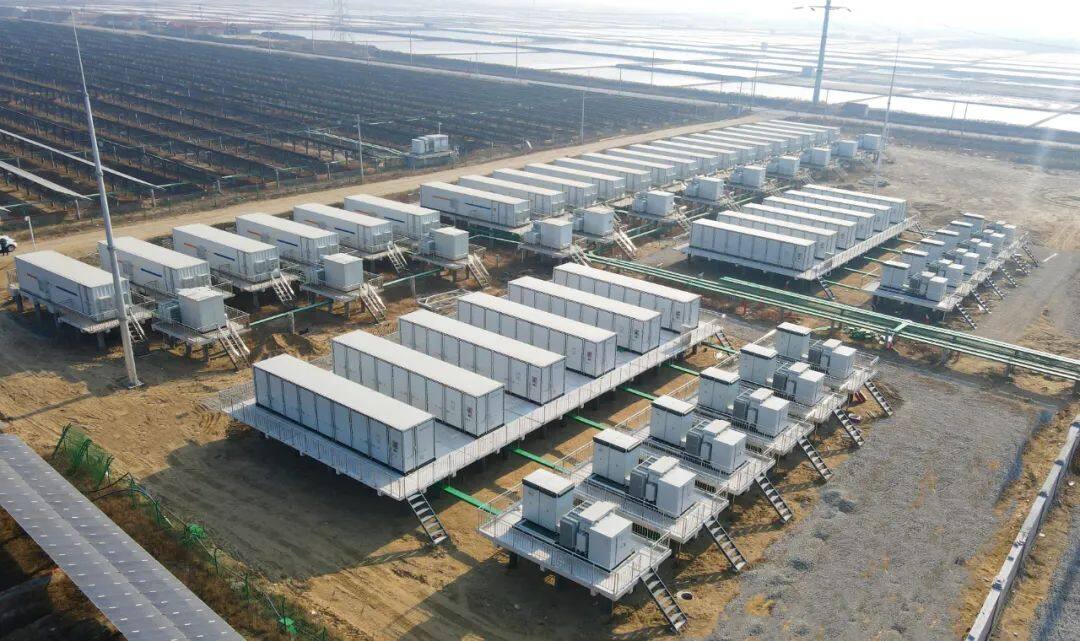
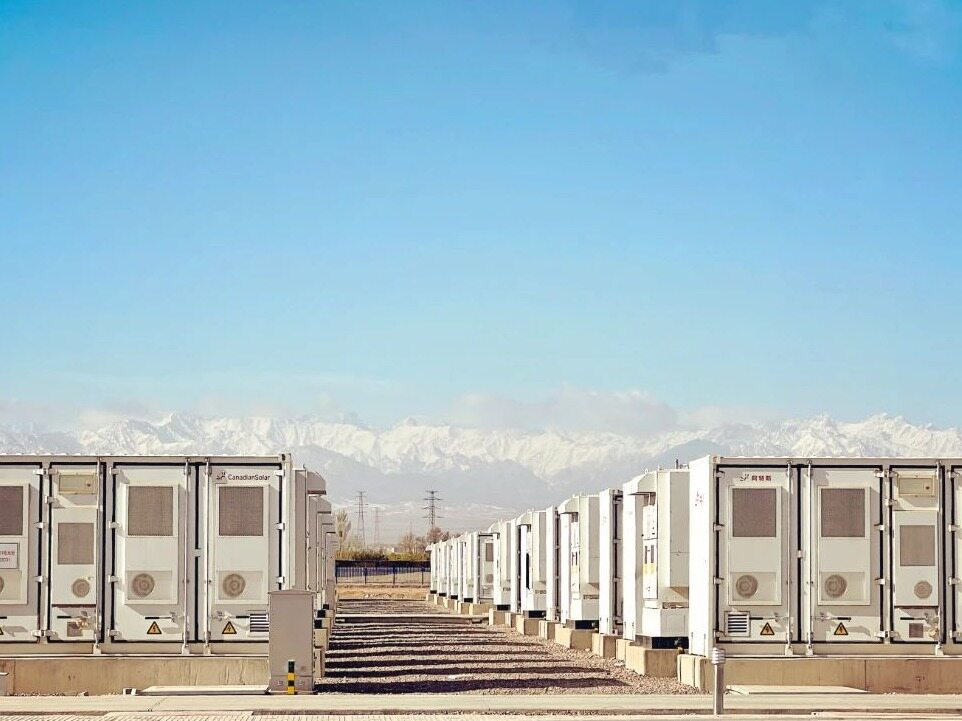
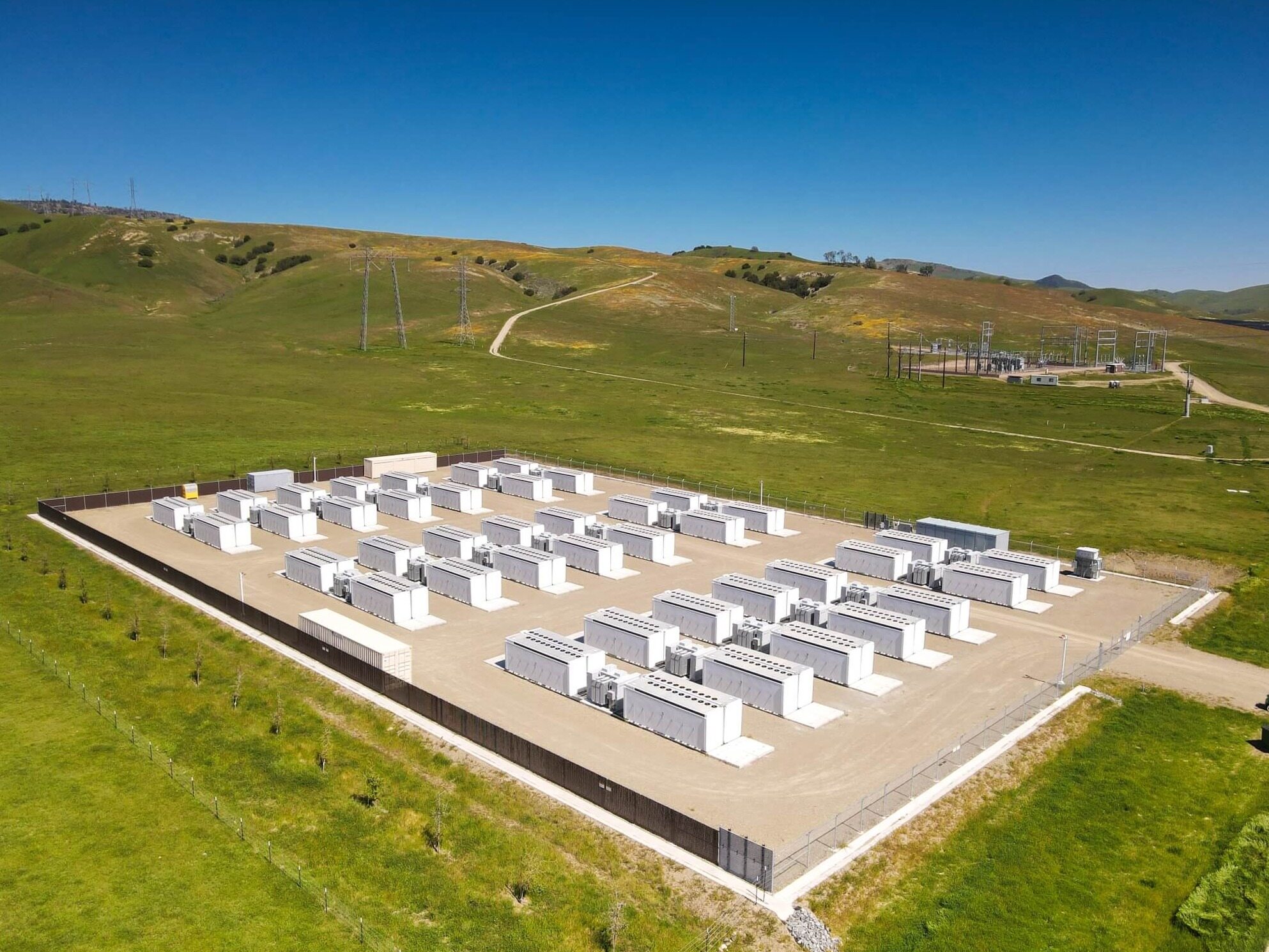
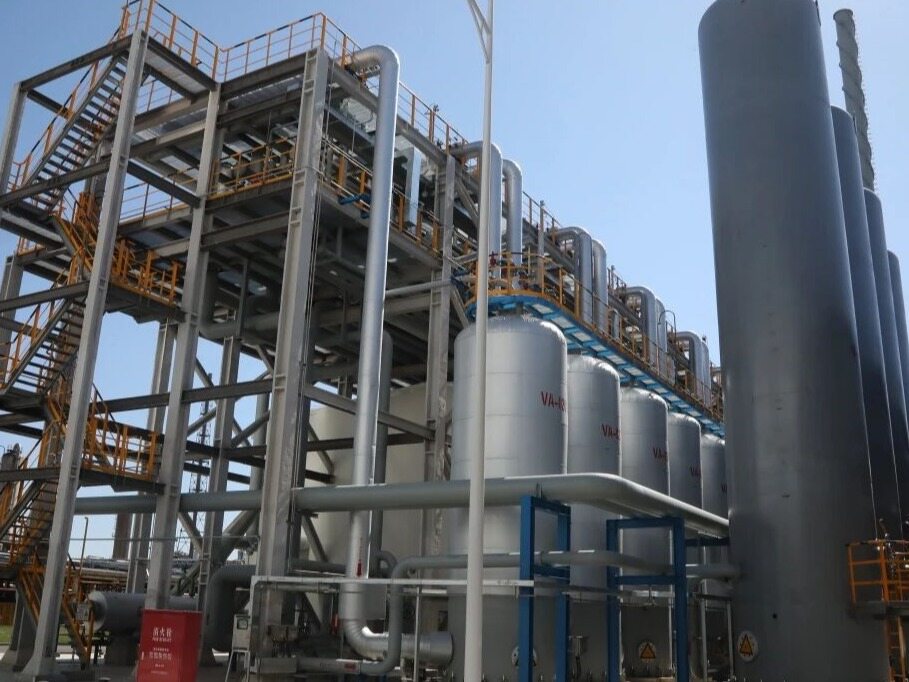
The key to this plan is to place energy storage on an equal footing with power generation. After the rapid expansion of photovoltaics, electricity poured in during clear midday hours to lower prices, and quickly rose again in the evening; Low price charging and scarce discharge of batteries not only stabilize fluctuations, but also prevent the unnecessary disposal of newly added green electricity. The planned 500MW energy storage corresponds to a capacity of approximately 1500MWh, with both co located supporting facilities and independent sites, aiming for the flexibility, resilience, and energy security of the power grid.
Reality is not smooth: two newly put into operation photovoltaic power stations were once connected to the grid below the installed capacity level due to incomplete reinforcement of the supporting power grid. The completion of a power station only means having the ability to generate electricity, and whether it can be sent out when needed is the key to profitability. Romania is also paving the way with price difference contracts and recovery funds, and the space left by the exit of old coal-fired power plants is being filled by adjustable green assets.
A Chess Game in Southeast Europe
Romania is positioned as the second largest renewable energy growth market after Greece, and will host approximately 40% of the group's total installed capacity by 2030. On a larger scale, the total scale of the group's renewable energy portfolio has exceeded 6GW, of which over 800MW has been put into operation, with operations covering Greece, Romania, Bulgaria, Cyprus, and North Macedonia; The 2030 goal is to exceed 2GW of renewable installed capacity, with a total investment of over 2 billion euros in renewable energy and energy storage. Behind it is the transformation from traditional refining to integrated power companies under the Vision 2035+strategy.
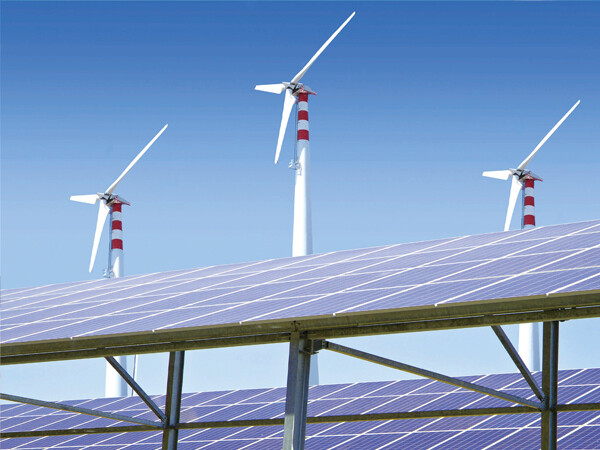
It is not betting alone. Since the end of 2023, Greek companies have invested over 5.5 billion euros in Romania's energy sector, with peers such as PPC, Metlen, Sunel, and others falling behind. As competition intensifies, the winner will depend on who can turn wind and solar energy storage into assets that can be scheduled, contracted, and connected to the grid.keywords:New energy information network
From four photovoltaic power plants to 1.5GW wind and solar energy storage, this investment not only buys panels, wind turbines, and battery cabinets, but also provides an opportunity for a traditional energy group to reposition itself in Southeast Europe. The Romanian power grid has also gained confidence in dealing with fluctuations.Editor/Yang Meiling
Comment

 Praise
 Collect
 Comment

 Share


Write something~