 Search


- Let China take the lead in meeting the demand for synthetic aviation fuel in the European Union by 2030
- Set a model for the green transformation of coal chemical industry
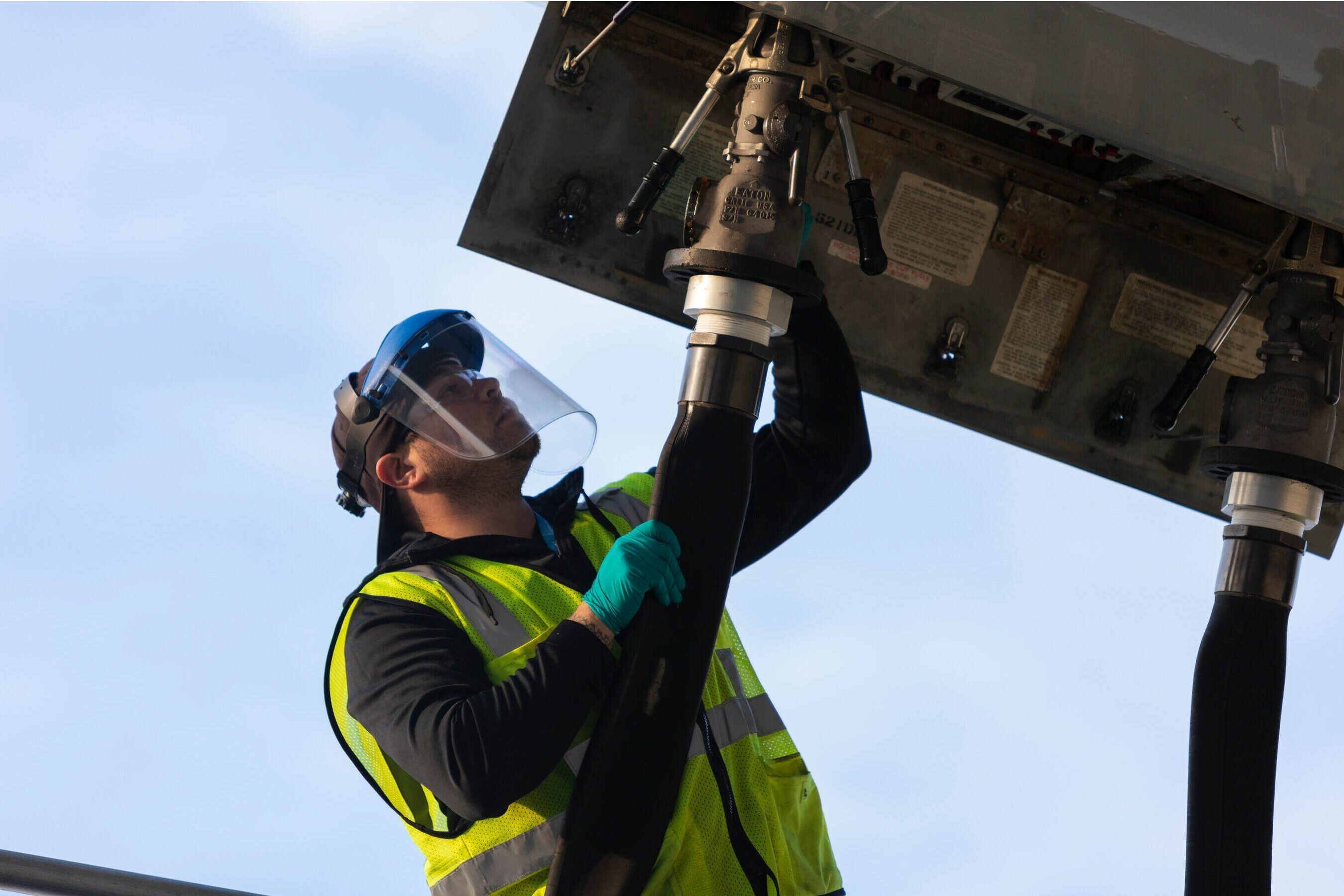
The 300000 ton methanol to olefin plant in Jilin City has been idle for a long time due to changes in the industrial chain and market since its completion in 2020. On November 17, 2026, the machinery returned to the factory area, and what awaited was not the old coal chemical road: the public works remained the same, and the people were still the same. The raw materials entering the factory were replaced with green methanol, and what came out would be aviation fuel that could be burned by airplanes. On the same day, Cornell New Energy Company broke ground on its annual production of 300000 tons of green aviation fuel (SAF) project, relying on the existing 300000 ton MTO unit and using Honeywell MTJ advanced technology to build a new 300000 ton SAF unit. The total investment is 4.8 billion yuan, and it is planned to be completed and put into operation in December 2027.
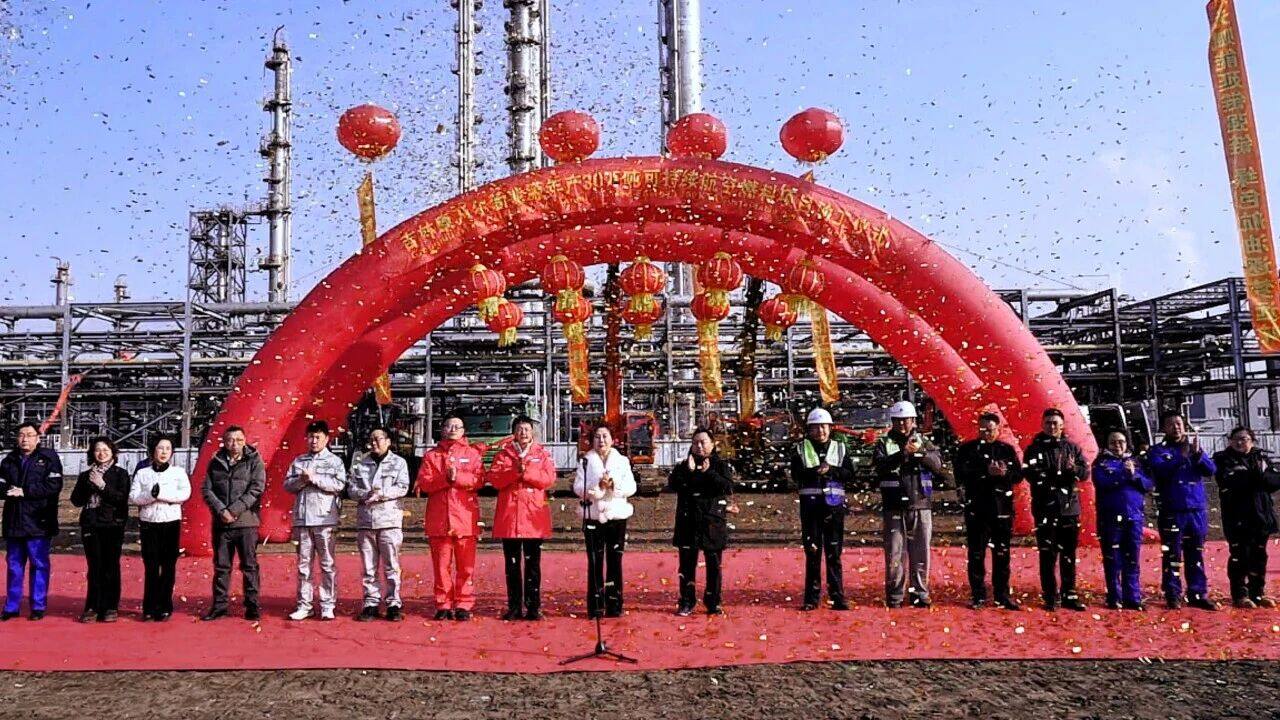
Old equipment receives new materials
Jilin City is one of the cradles of China's chemical industry. The factories, experience, and talents accumulated during the First Five Year Plan period have not been demolished and rebuilt this time. Cornell extends downstream in mature MTO units, adding oligomerization links to connect the methanol olefin fuel pathway, saving investment and risk from scratch.
The key lies in Honeywell MTJ, also known as eFining process: green methanol is first converted into olefins, and then oligomerized and hydrogenated to produce aviation oil with high yield and good selectivity. It was approved by ASTM to be included in D7566 standard in June 2026. The raw material can be green methanol produced by capturing carbon dioxide or biomass with green hydrogen; Compared to traditional aviation fuel, the greenhouse gas emissions throughout the entire lifecycle can be reduced by up to 88%. The finished product can be directly blended, and there is no need to modify aircraft and airport facilities.
This is clearly different from most domestic projects. By the end of 2025, China will have built approximately 1.7 million tons/year of SAF production capacity, all of which are waste oil hydrogenation routes, and the ceiling of raw materials is visible at a glance.
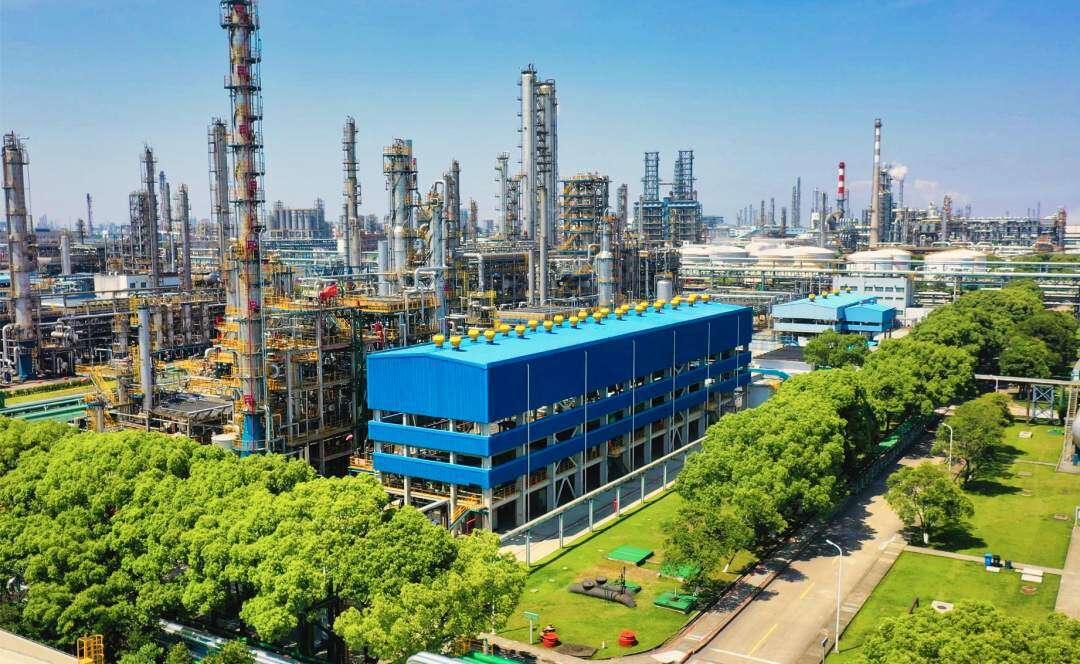
Green electricity forms a chain
300000 tons of SAF require 800000 tons of methanol as raw material, and the supply must be settled in advance. China Huadian Group and Cornell Group cooperate to jointly build a 900000 ton green methanol project in Songyuan. The joint venture was registered in October, with Huadian New Energy holding 60% and Cornell holding 40%, with a total investment of 22 billion yuan; The local government has provided 3 million kilowatts of green electricity quota and the best land for chemical projects.
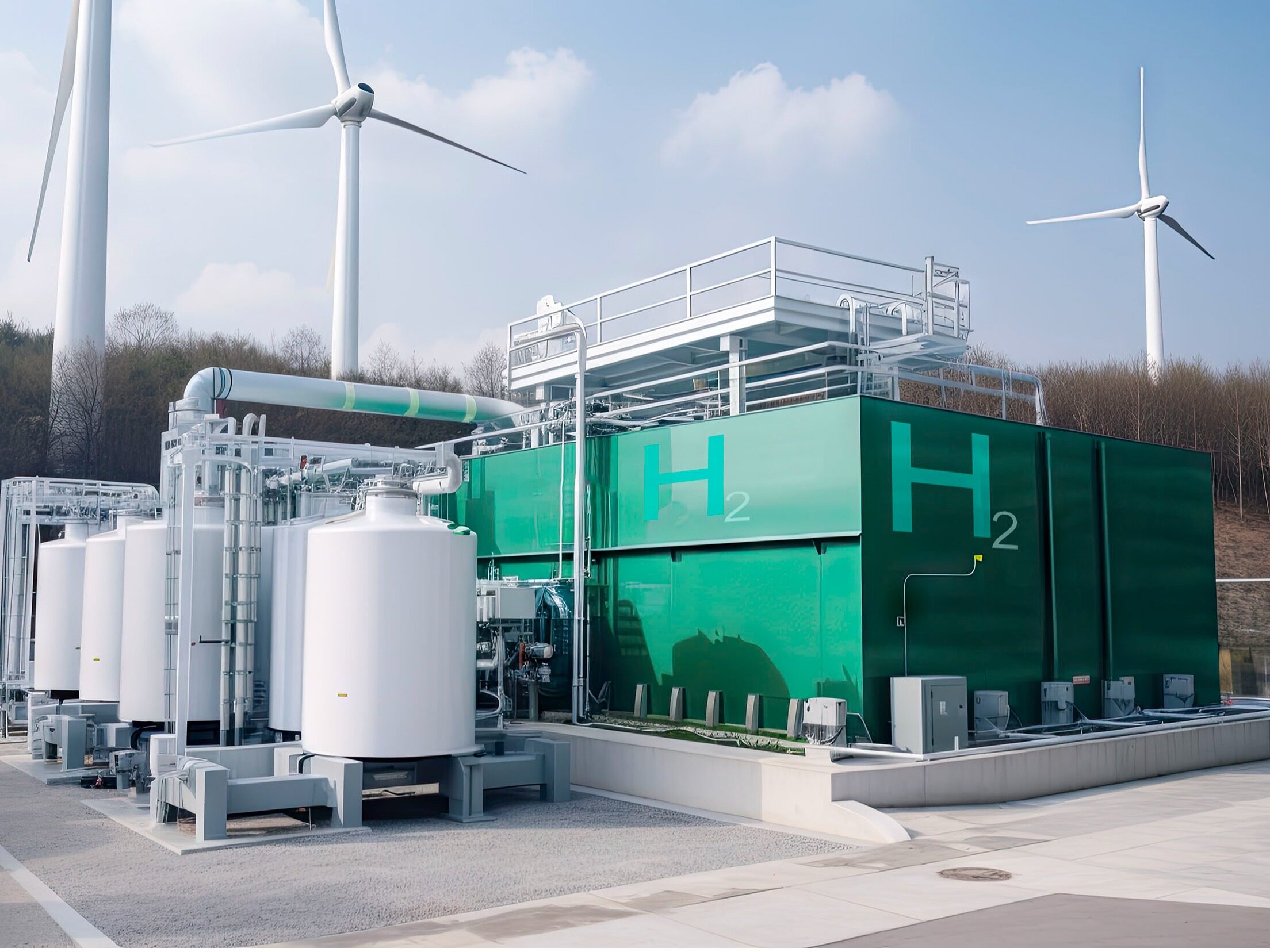
Songyuan is located in the core area of high-quality wind and solar resources, with rich straw, green electricity to produce green hydrogen, and then synthesizing green methanol with available carbon sources. The straw from the wind and land in the west is connected to the reactor of the old industrial base.
Green electricity, green hydrogen, green methanol, and green aviation fuel will form the world's largest integrated project from green methanol to green fuel. The real winner is not in the aviation fuel system, but in green methanol: methanol cost, green electricity price, carbon source, and production pace directly determine the cost and delivery of SAF.
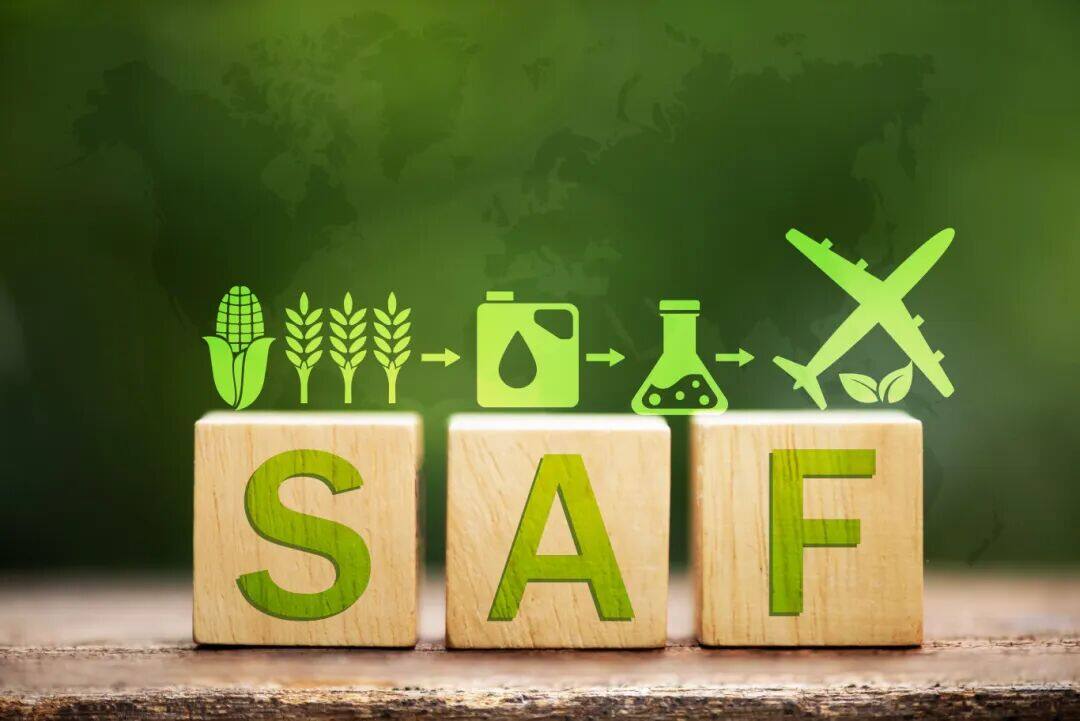
Grab before 2030
There are two types of SAF: low-end ordinary biomass SAF and high-end eSAF. Internationally, the mandatory order for eSAF will come into effect in the European Union by 2030. According to the ReFuelEU aviation regulations, SAF blending at EU airports should be increased to 6% by 2030, with synthetic aviation fuel accounting for at least 1.2%. By 2050, this will rise to 70% and 35% respectively; In the face of airline suspension requests, the EU has recently reiterated its unchanged goal. According to the requirement of mandatory addition of eSAF with an average blending ratio of ≥ 1.2%, the demand for eSAF will reach over 600000 tons by 2030, while the International Aviation Group expects the actual available supply to be only 20000 to 50000 tons by then.
Currently, there are five companies worldwide that use Honeywell technology to produce eSAF: Power2X from the Netherlands, HAMR Energy from Australia, Verso Energy from France, HIF Global from the United States, and Cornell from China. Except for Cornell, the other four companies can only produce products after 2031, which brings Cornell a huge advantage. The production in December 2027 is just ahead of the high demand.keywords:New energy information network、Hydrogen energy latest news

After completion, it is expected to achieve an annual operating income of 6 billion yuan and an annual tax revenue of nearly 400 million yuan, directly driving employment for nearly 500 people. It will create a leading domestic and world-class sustainable aviation fuel production base, help Jilin Province develop a new track of green liquid fuel, and serve the national energy security strategy and the 15th Five Year Plan for the green fuel industry. From a device that has been idle for many years, to wind farms in Songyuan and airports in the European Union, the old industrial base's assets have been replaced with new chips for global aviation emissions reduction.Editor/Yang Meiling
Comment

 Praise
 Collect
 Comment

 Share


Write something~