 Search


- The disturbance of the Strait of Hormuz has accelerated the global energy transition
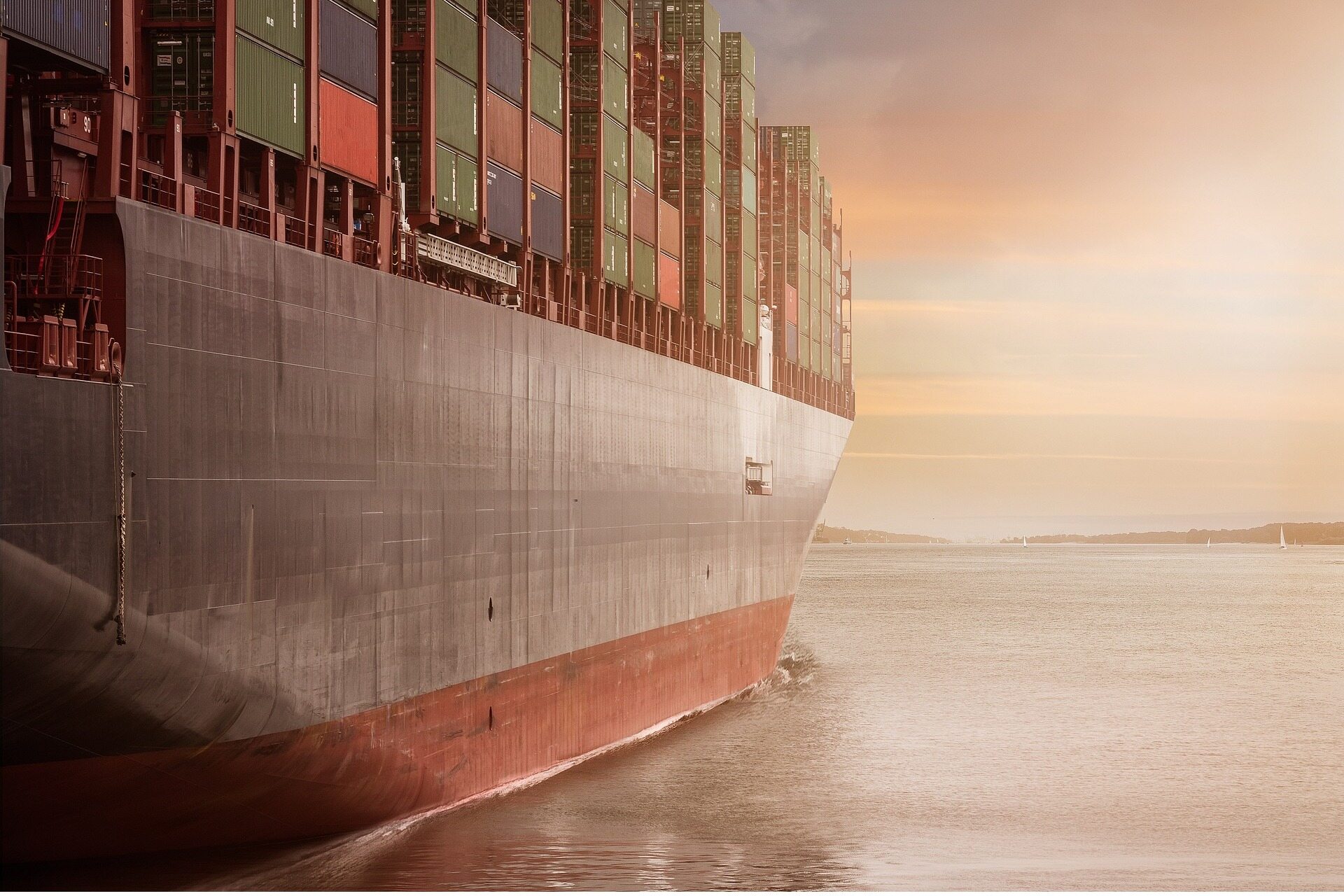
On November 19, 2026, at the press conference held at the headquarters of the International Energy Agency in Paris, a report titled "World Energy Outlook 2026" directly tore open a hole in the global energy industry's understanding. The report did not stop at the surface interpretation of the rise and fall of oil prices, but instead turned the energy gap caused by the Middle East conflict into a long-term reality that no one can escape - this geopolitical event not only brings supply losses on paper, but also completely rewrites the global oil and gas order that has been running for more than half a century.
Deep risks still hanging over our heads
As of the end of October 2026, the cumulative supply losses of oil and gas in the Middle East have reached 2.8 billion barrels and 60 billion cubic meters, equivalent to directly wiping out the entire year's natural gas consumption in Europe. But just as everyone thought that oil prices would continue to rise, global oil supply exceeded demand for the first time since the outbreak of the conflict in October 2026, with inventories skyrocketing by 52 million barrels that month. Floating warehouses at sea quietly piled up, while onshore inventories steadily fell. This was the first time since June 2026 that the oil market had clearly stepped on the accelerator of oversupply, and the loose market will continue until 2027.
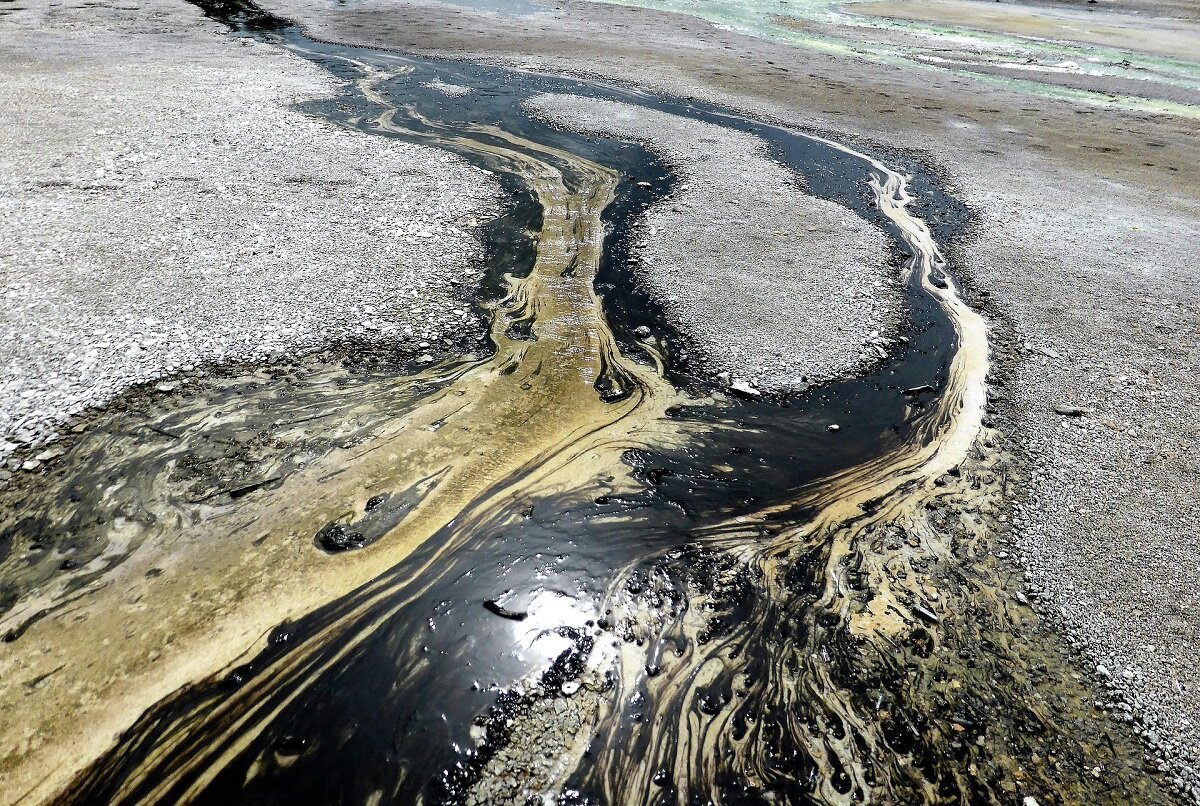
But this' loosening 'is only superficial. The report deliberately sounded the alarm for the industry that short-term inventory replenishment cannot fill the deep pit of geopolitical risks. Even if there is just one shipping disturbance in the Strait of Hormuz, the freight and insurance fees of oil tankers will skyrocket, and the prices of terminal gasoline and industrial fuels will soon be transmitted to the consumer end. The good days of "no worries about buying oil and stable freight rates" in the past few decades are gone forever, and all energy companies must include geopolitical risks in their business accounts for the next decade.
Electric power connection becomes the new growth engine
The double-edged sword of high oil prices has unexpectedly dragged countries' energy transition, which had been delayed for several years, out of the slow lane. In mid November 2026, the European Union directly released a heavyweight agreement, which included all wind and solar power plants and energy storage projects in the list of major public interests, cut dozens of redundant approval processes, and blocked the grid connection bottleneck for European industry personnel for nearly a decade. It was completely cleared overnight. The report estimates that by 2026, the proportion of global renewable energy generation will be about 33%, and by 2035, this number will directly rise to 45% to 50%. Photovoltaic power generation will become the absolute main force driving this round of growth.
The growth rate of electricity has long left traditional fossil fuels far behind. Since 2019, global electricity demand has been growing at an average annual rate of 3.3%, which is exactly twice the overall energy demand growth rate. Factory electrification, new energy vehicles running on the streets, household heat pumps, and computing power clusters in data centers are all competing to reap the dividends of electricity growth. By 2035, the proportion of electricity in global terminal energy consumption will approach 30% from 23% in 2026. Whoever can build their power system more stable, cheaper, and resilient in the future will be able to take the lead in the new round of energy competition.
The major reshuffle of oil trade routes
The extreme deduction scenario in the report directly puts on the table the possibility that many industry insiders have not fully explained: if the shipping risk in the Strait of Hormuz cannot be dissipated for ten years, relying on the combination of building new onshore alternative pipelines, expanding production in other production areas, and importing countries actively reducing demand, the crude oil transported from the strait will drop from 20 million barrels per day before the conflict to 8.5 million barrels per day in 2030, and further drop to less than 2 million barrels per day in 2035. A large number of oil pipelines that bypass the strait will directly transport oil from inland to consumer markets, reducing the average distance traveled by global oil tankers by 15%. The entire roadmap for oil and gas trade will be redrawn.
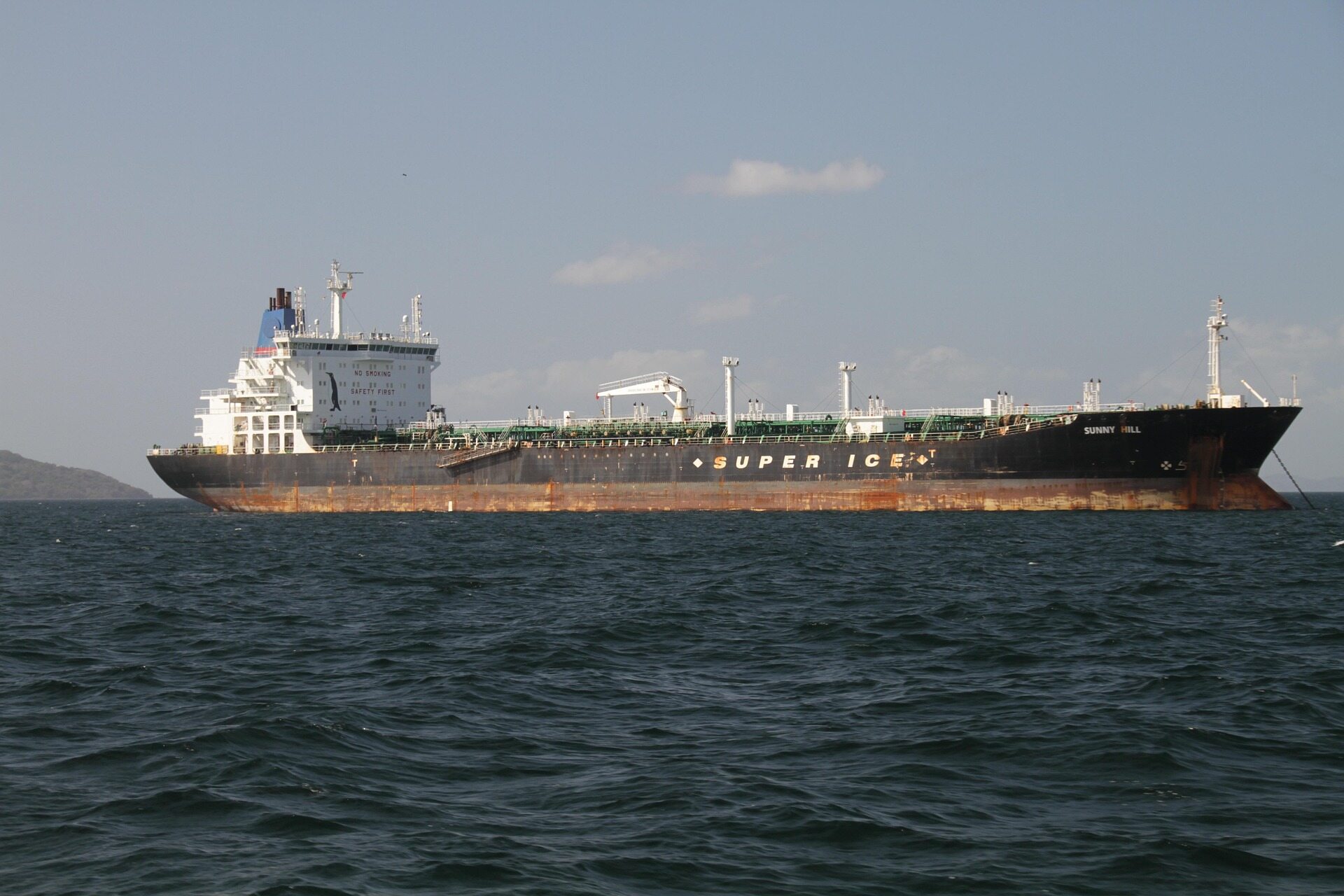
But even at this point, the Middle East remains the world's largest oil exporting region, and its core weight in the global energy chessboard has not wavered at all. The Director General of the International Energy Agency, Fatih Birol, has deliberately pointed out the misconception of many countries: do not think that changing import sources equals energy security. Replacing one external dependence with another is essentially not breaking out of the risk cycle. Only by solidly building a diversified local energy system can we truly establish a long-term security foundation for ourselves.Editor/Cheng Liting
Comment






 Praise
 Collect
 Comment

 Share


Write something~