 Search


- Multi country collaboration to build gas supply network, promoting mutual benefit and balance of regional energy pattern
- The construction of the Harbin North Extension Pipeline has been completed, taking into account the potential for heating for people's livelihoods and cross-border gas supply
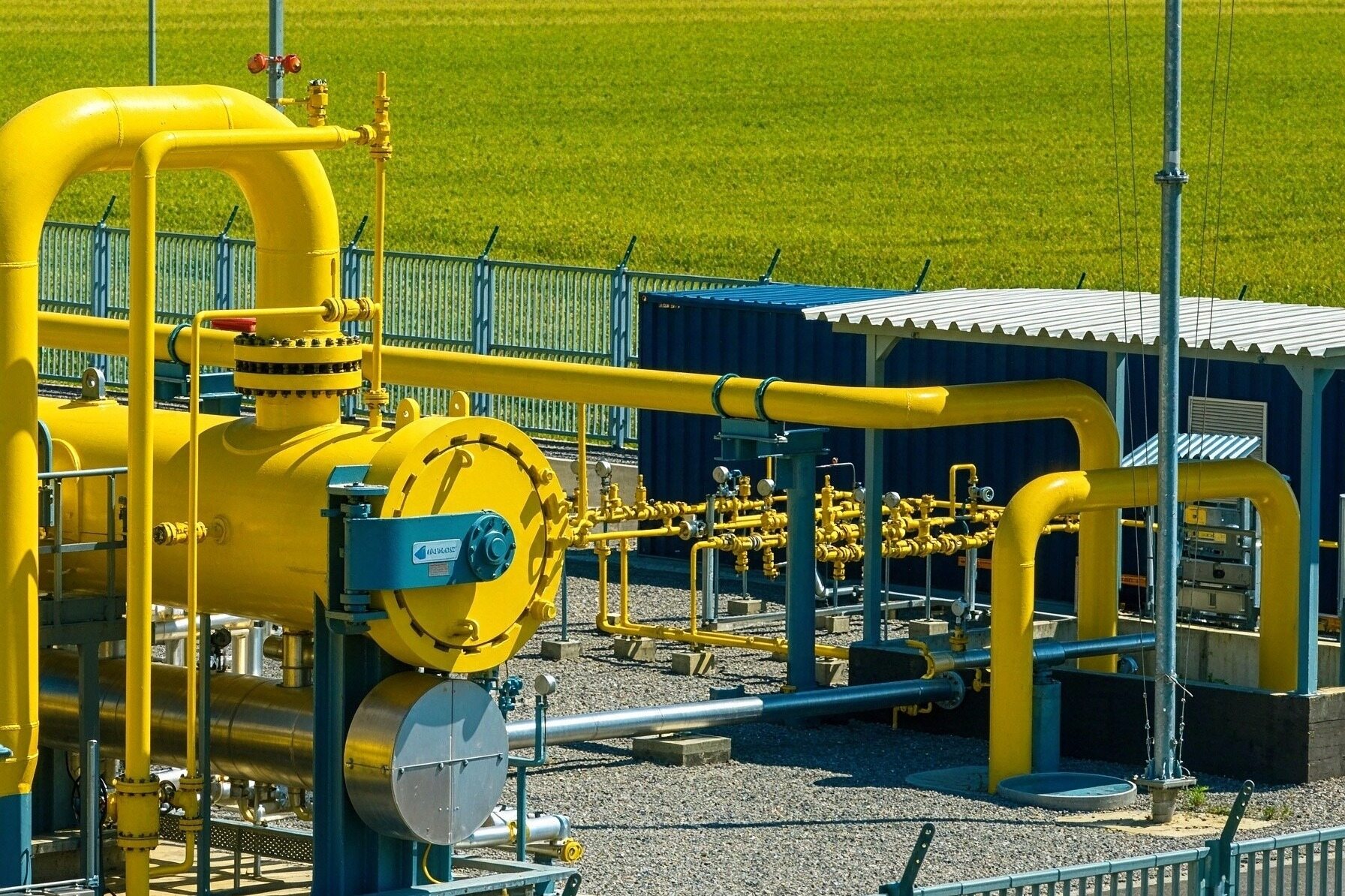
The winter in northern Kazakhstan was shrouded in the smell of coal smoke for a long time. As the gas source of the western Caspian Sea travels north along the grasslands, towns north of Astana finally wait for the warmth in the pipeline. This over 535 kilometer Sareka North Extension Line is not just a gas pipeline, but also a land network that connects people's livelihoods, the Russia Kazakhstan pipeline network interface, and future transit imagination.
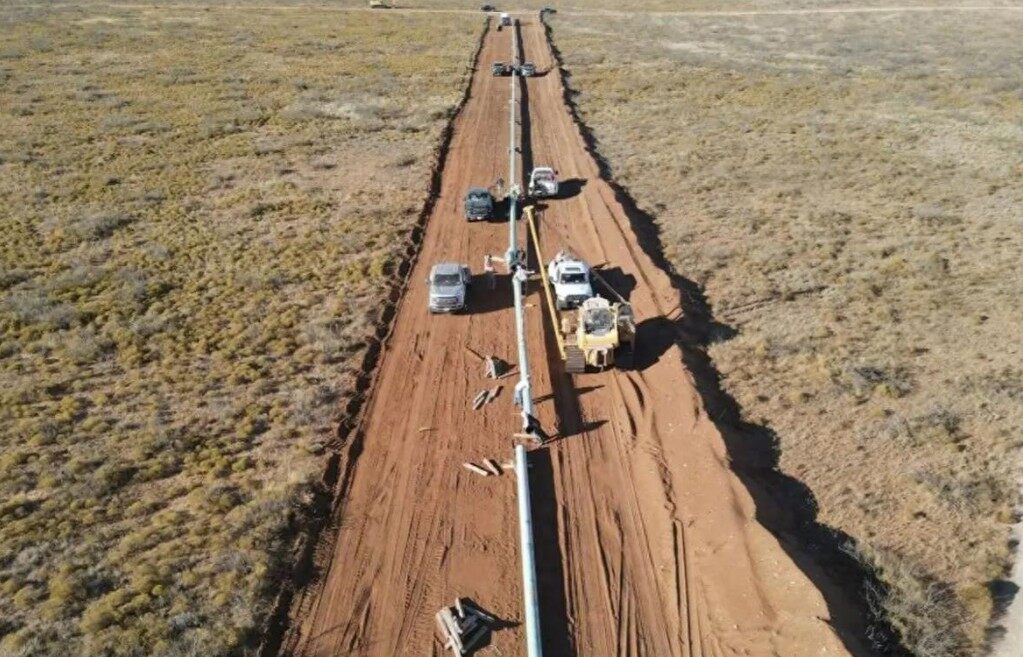
The Sareka North Extension Project is planned to start construction in 2028 and be put into operation in 2030. The new pipeline will have a total length of over 535 kilometers and will be constructed in three phases, including the main pipeline, gas distribution station, border metering station, and upgraded pipeline cleaning facilities. The primary value of the project is reflected in the field of people's livelihood. In the past, northern Kazakhstan relied on coal-fired heating in winter. After the pipeline is put into use, it can promote coal to gas conversion, stabilize residents' heating, reduce dust and pollutant emissions, and achieve outstanding emission reduction benefits.
Shortcomings in gas supply on the northern route
The main gas fields in Harbin are concentrated in the west, while the population in the north is dense but lacks gas transmission pipelines. The new pipeline can achieve the northward transmission of gas from the western region, while also connecting to the Russian pipeline network for gas replenishment. The supporting measuring devices can retain various operational data, reducing disputes for gas volume settlement. The long-term plan is to transport 45 billion cubic meters annually, and 35 billion cubic meters are planned to be transported to China, but this is only a negotiated plan. The pipeline is essentially a domestic trunk line in Kazakhstan, and transporting to China is an optional direction in the future.
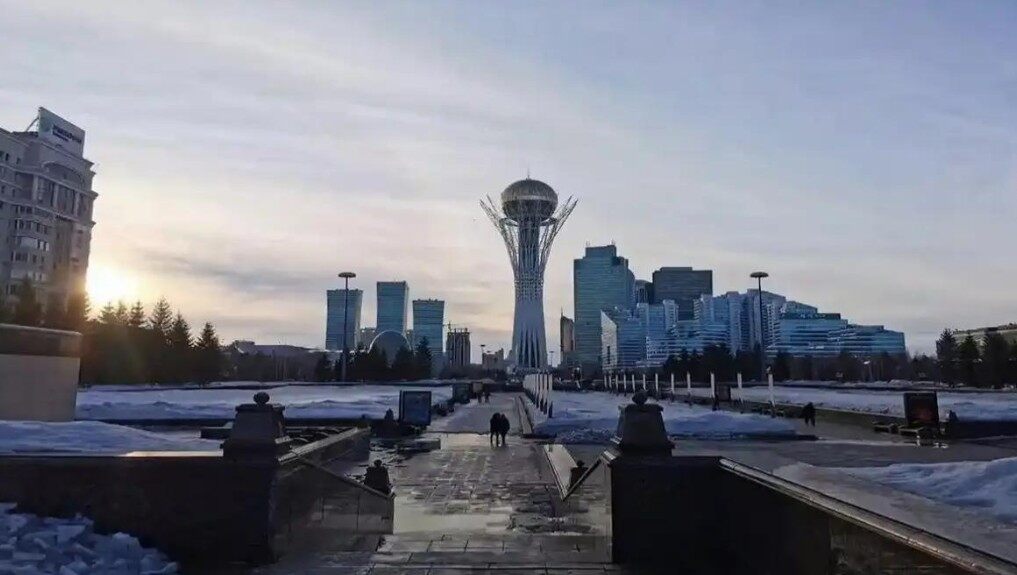
Pre embedded cross-border backup interface
All facilities of the project are built according to cross-border standards, with reserved expansion space, which can serve as backup peak shaving channels for the China Russia West Line and Mongolia Pipeline. At present, China has formed a multi gas source pattern, with multiple onshore pipelines and offshore LNG complementing each other, breaking away from the dependence on a single channel. The digital operation and maintenance of pipelines also helps to accurately control transportation costs and support gas price negotiations.
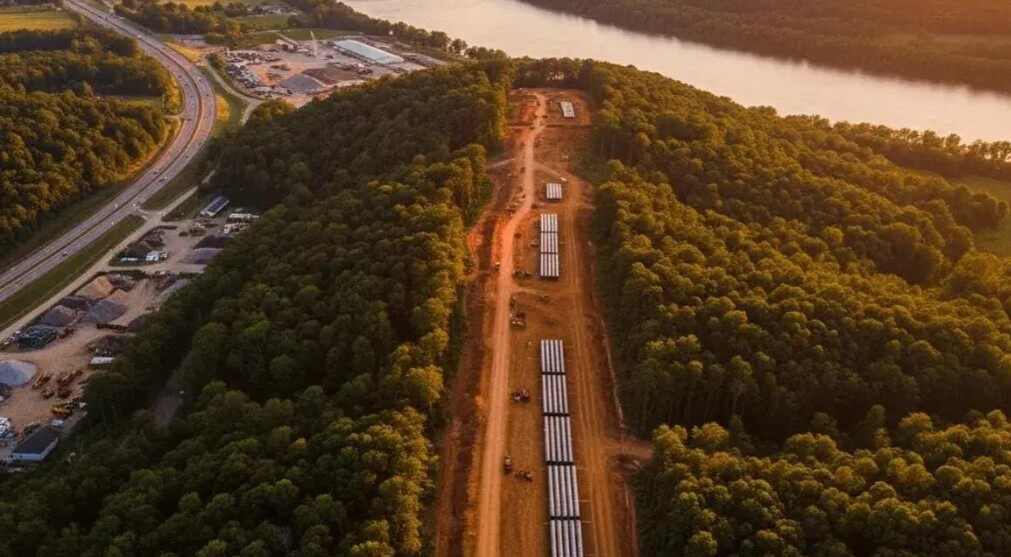
Multi party win-win energy layout
This pipeline is versatile, taking into account local gasification, Russian internet connectivity, and transit options for China. China gains onshore backup gas supply channels, Russia expands export channels, and Kazakhstan guarantees gas for people's livelihoods and reserves transit income. The diversified onshore pipeline network system will help the joint construction of the the Belt and Road energy cooperation go deep and solid, and continue to improve the safety and resilience of regional natural gas supply.Editor/Gong Ziwei
Comment

 Praise
 Collect
 Comment

 Share


Write something~