 Search


- Clarifying the quota circulation rules will help stabilize and smooth China's westward passage
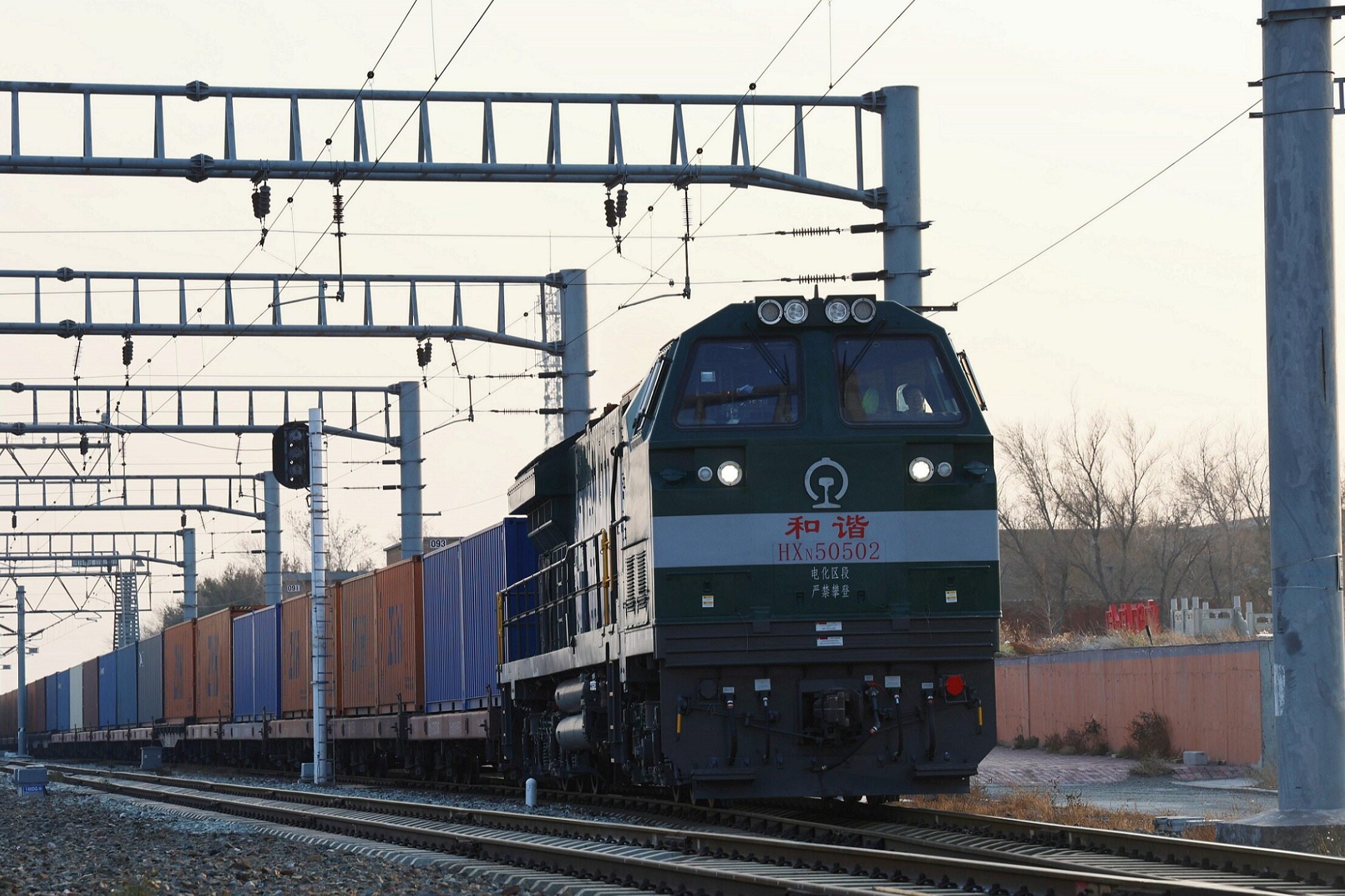
Many practitioners who are deeply involved in cross-border logistics have a similar feeling. During the peak season, the cabin space of China Europe freight trains is tight, and many shippers and freight forwarders habitually apply for shipping plans from stations, but often find that the application channels are not smooth. For a long time, there has been a common misconception in the market that cabin seats are directly issued by stations. In fact, the operation of a train involves multiple restrictions such as railway coordination among multiple countries, port replacement, and route traffic. Cabin space is not simply a first come, first served system. Behind it is a multi-level quota circulation system. Understanding this set of rules is essential to comprehend the underlying logic of cross-border relay transportation for China Europe freight trains.
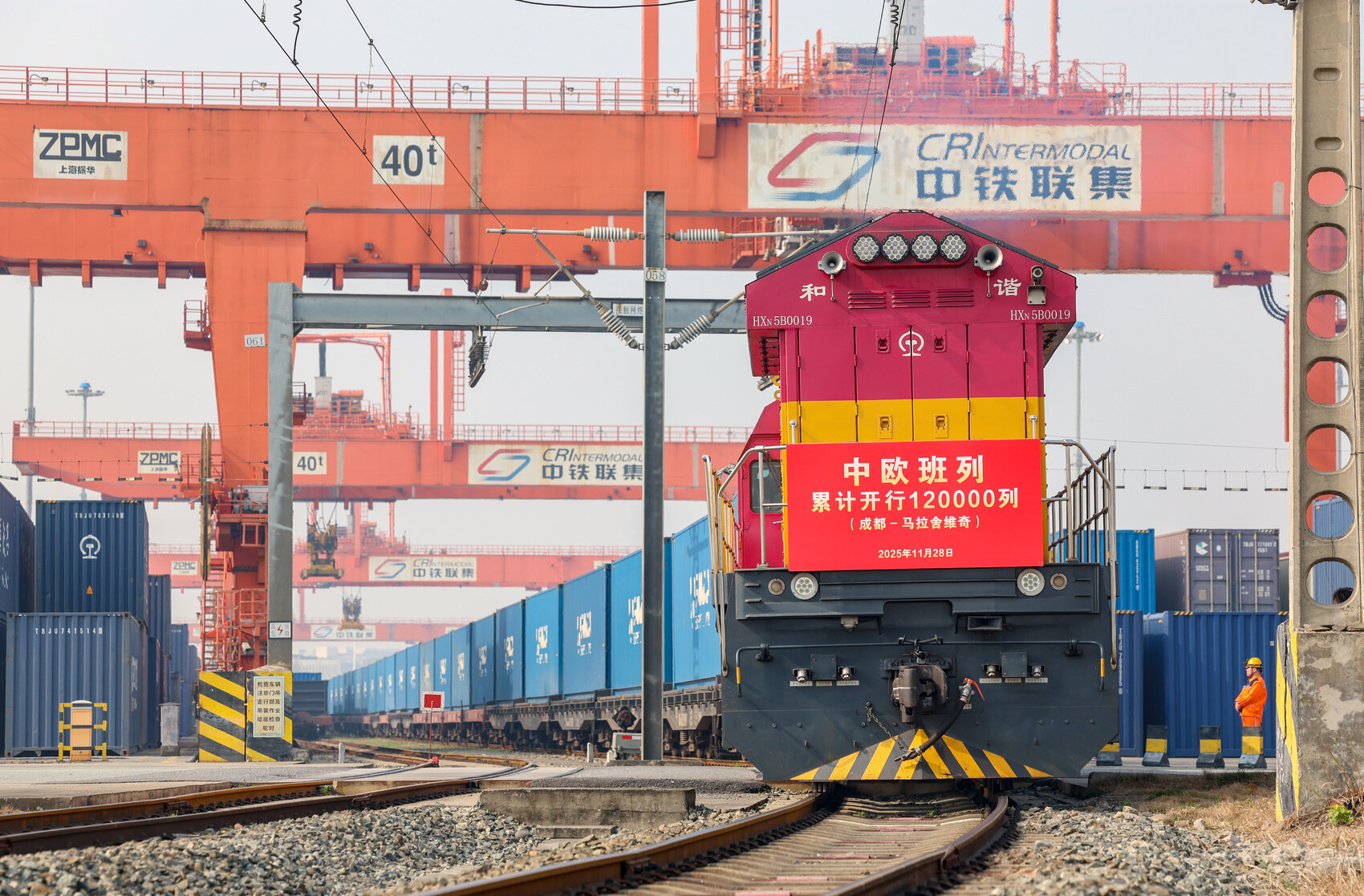
Five layer link series transportation capacity quota
The China Europe freight train belongs to international intermodal transportation, and the planned origin is not at the departure station, but at the agreed link overseas. Prior to shipment, it is necessary to communicate with multiple countries' railways along the route regarding traction, carriage, and driver arrangements to confirm the connection plan. After the overseas agreement is finalized, the national railway will complete the plan approval based on the line and port capacity, and then the platform will submit the materials on the Guolian Information Platform to apply for the stage demand reservation number, which is the key proof to lock in the transportation capacity. After obtaining the quota, the platform distributes the goods to the outside through scattered public trains, customized train packages, and finally enters the practical process of packing and customs declaration, and inbound shipment. There are multiple core originating stations in China, each with its own operating platform, forming a differentiated operating pattern in hubs such as Xi'an, Chengdu, Yiwu, and Zhengzhou.
The platform model carries special value
The platform is not an unnecessary intermediate link, but a product adapted to cross-border transportation modes. Directly connecting dispersed shippers to overseas railways can result in a massive amount of scattered demand that is difficult to coordinate. The platform consolidates the source of goods and forms a unified external docking window, reducing cross-border coordination costs. At the same time, there is a physical upper limit for port replacement and mainline traffic, and the platform undertakes quotas to facilitate unified control of transportation capacity and ensure transportation order. This arrangement also reflects the idea of separating network and transportation. China Railway is responsible for ensuring the infrastructure of the road network, while the platform undertakes market-oriented services such as source organization, document processing, and overseas coordination. The situation of disorderly competition among multiple platforms in the past has gradually been improved through the coordination mechanism.
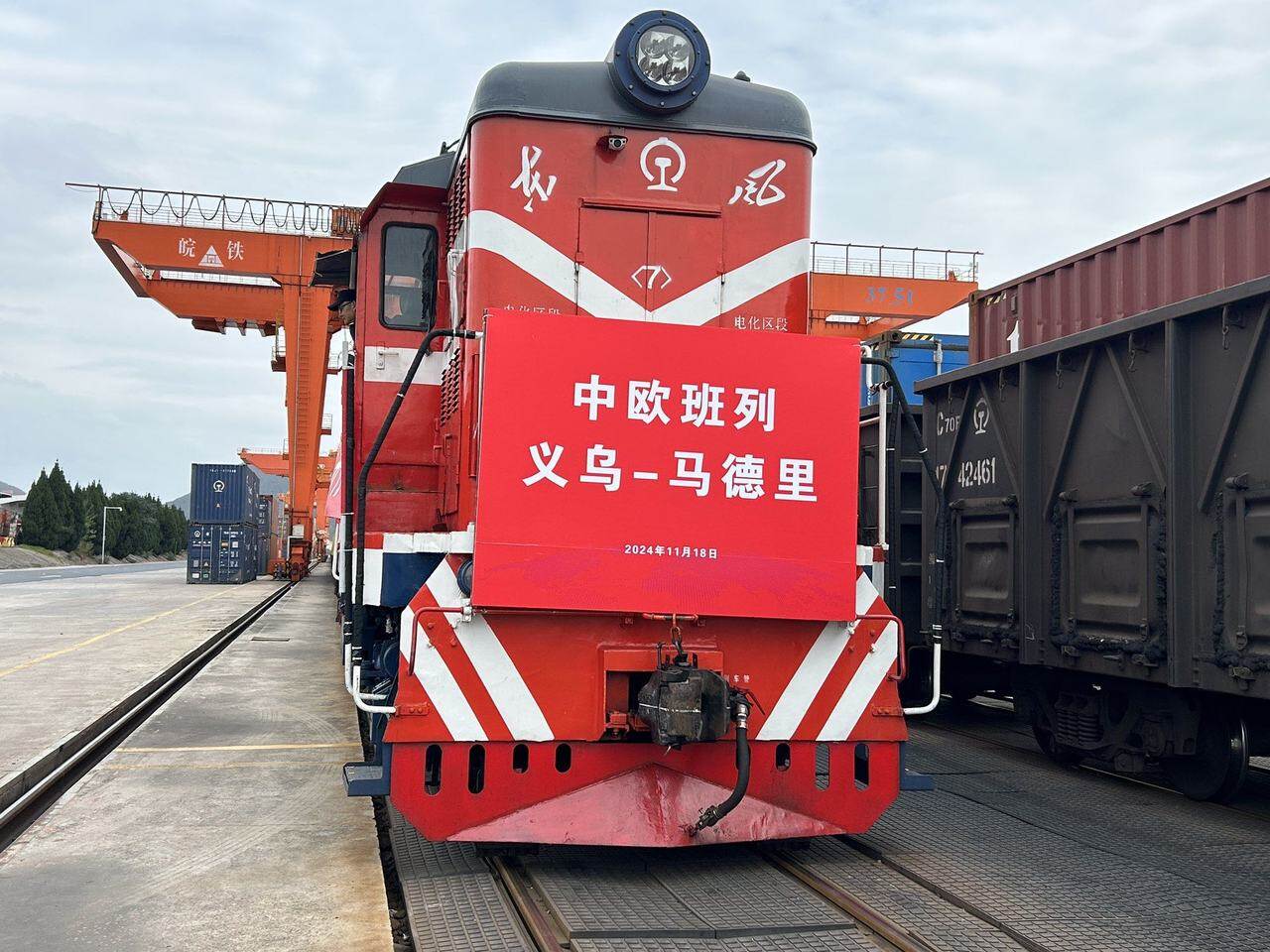
Market opportunities and practical tests coexist
This quota distribution mechanism has similarities with the sea freight market maker and air freight packaging model, but cannot be directly equated. China Railway is the actual carrier, and the platform only has the authority to organize and distribute transportation capacity. The quota supply is constrained by cross-border negotiations and port bottlenecks, and the market elasticity is weaker than that of sea and air transportation. The quota allocation model has also given rise to new problems. Insufficient transparency in allocation can easily breed hidden rules in the industry. Under the cabin bidding model, entities with stronger financial strength are more likely to seize resources, increasing the survival pressure on small and medium-sized freight forwarders. Keywords: China Europe freight trains, cross-border logistics, multimodal transport
As a backbone channel for opening up to the west, the China Europe freight train's capacity allocation rules are still being continuously optimized. Recognizing the underlying logic of quota circulation can help logistics practitioners identify their positioning and provide reference for improving industry supervision, promoting the fair and efficient operation of this Asia Europe land route.Editor/Li Xiaohua
Comment



 Praise
 Collect
 Comment

 Share


Write something~