 Search


- The Algeria Renewable Energy and Energy Efficiency Commission stated that Algeria has great potential for geothermal energy
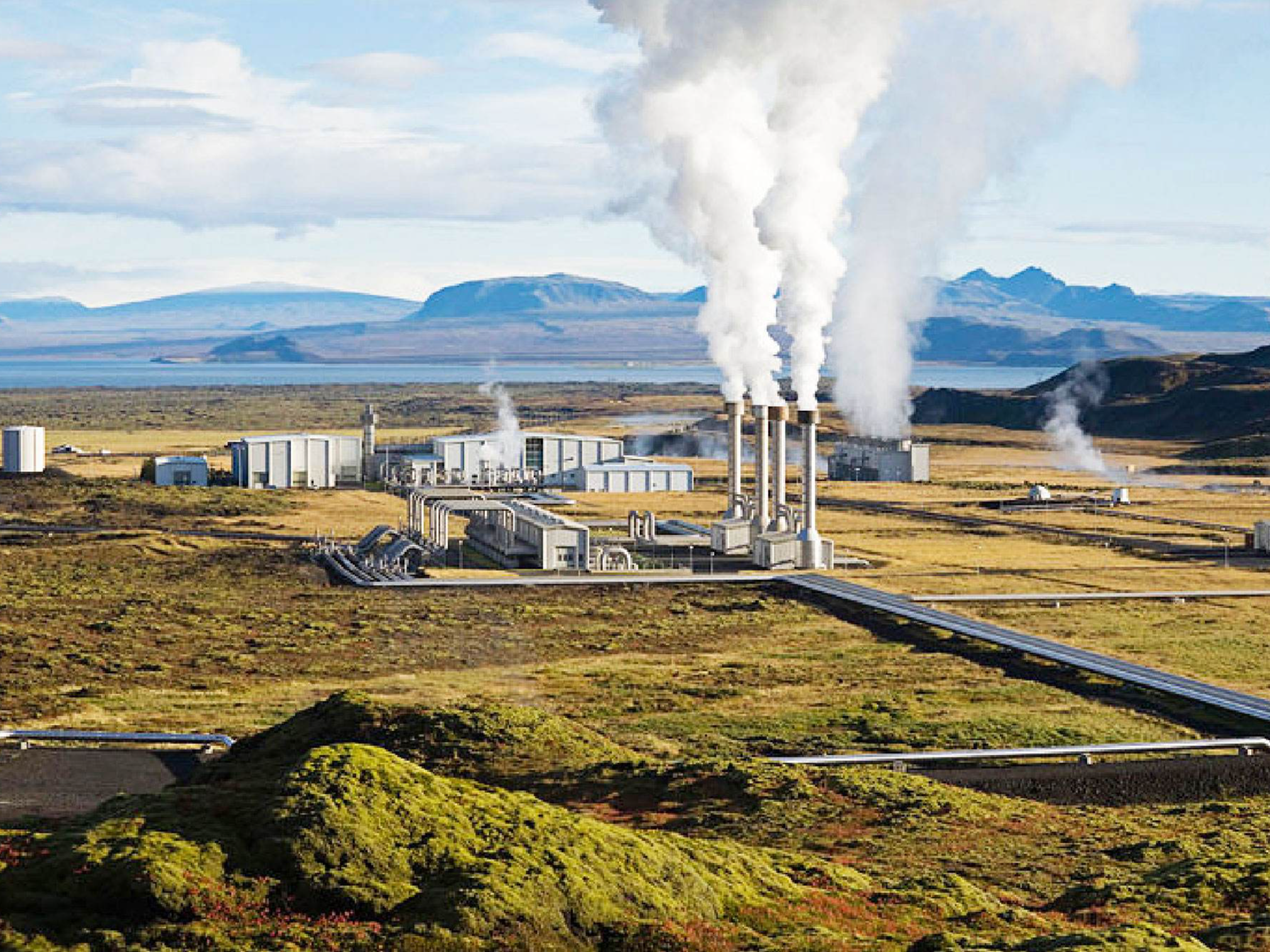
The Renewable Energy and Energy Efficiency Commission cited data from the Algeria Renewable Energy Atlas and posted on its official social media that “Algeria has more than 240 hot springs, which have huge potential for geothermal energy. According to the country’s territory available The map made by the geothermal resources of China can make the useable potential of this resource possible.”
The atlas produced by the Center for Renewable Energy Research (CDER) provides a list of Algeria's main geothermal resources and temperature maps, as well as geothermal gradients, thermal conductivity and heat flux maps.
The Renewable Energy and Energy Efficiency Commission stated: “The maps displayed in this atlas provide evaluation tools and decision-making assistance for the development of Algeria’s geothermal resources.”
Geothermal resources are widely used
The committee also pointed out that the national geothermal resource inventory originated from work initiated by the Renewable Energy Research Center in 1985, which was based on the latest data on hot springs, health resorts, wells and underground irrigation channels, and new geolocation tools.
"The main geothermal resources are classified by temperature. The most famous one is the hot springs of Hammam Debagh, which is one of the hottest hot springs in the world, with an outlet water temperature of 98°C.
The committee explained: “Geothermal energy can be used for power generation, heating of geothermal treatment sites (hotels, huts), and heating of agricultural greenhouses.”
The committee pointed out that the National Irrigation and Drainage Office of the Ministry of Water Resources has carried out a pilot project in the Touggourt Agricultural Industrial Complex in Ouargra Province. The project mainly uses hot water at 60°C in the Alpian strata to be used for agricultural greenhouses. Heating. Editor/Xu Shengpeng
Comment

 Praise
 Collect
 Comment

 Share
Share


Write something~