 Search


- The implementation of the National Wetland Protection Plan has established a "four level linkage wetland protection promotion mechanism"
- The construction of national wetland parks has become a model for wetland protection and utilization. 903 national wetland parks have been built nationwide
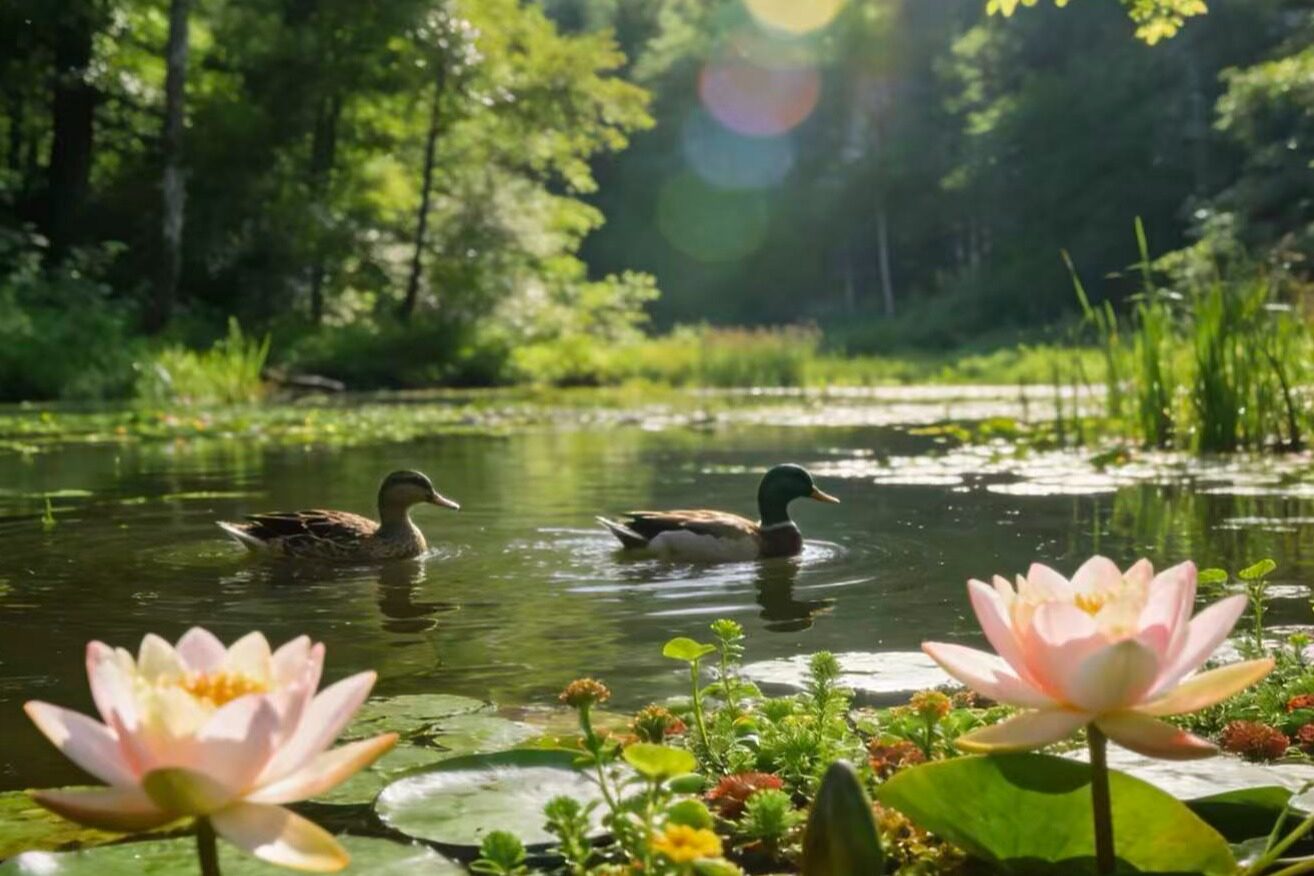
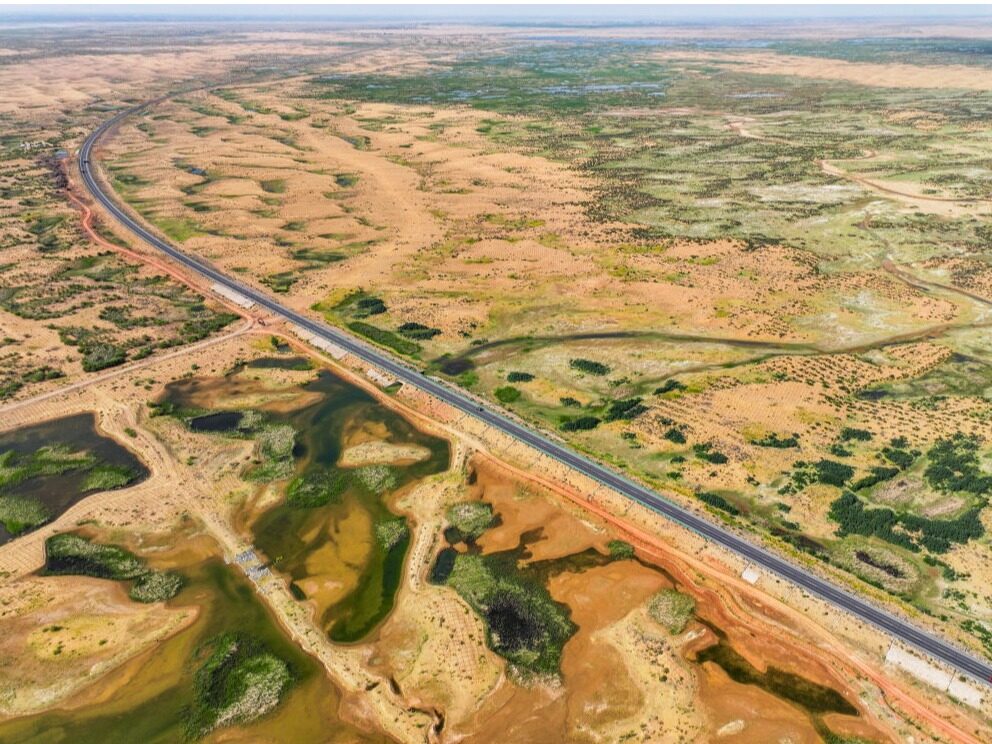
From the mangrove wetlands on the coast of the East China Sea to the marsh meadows in the hinterland of the plateau, from the shallow bays on the mudflat along the banks of rivers to the wetland vegetation belt around lakes, during the "14th Five Year Plan" period, China launched a comprehensive wetland ecological defense war by taking the rule of law escort, systematic restoration, and hierarchical management and control as the starting point, not only stabilizing the wetland area at the safety line of more than 800 million mu, but also achieving breakthrough progress in ecological restoration, function improvement, benefit sharing and other dimensions, contributing to the Chinese program for global wetland protection.
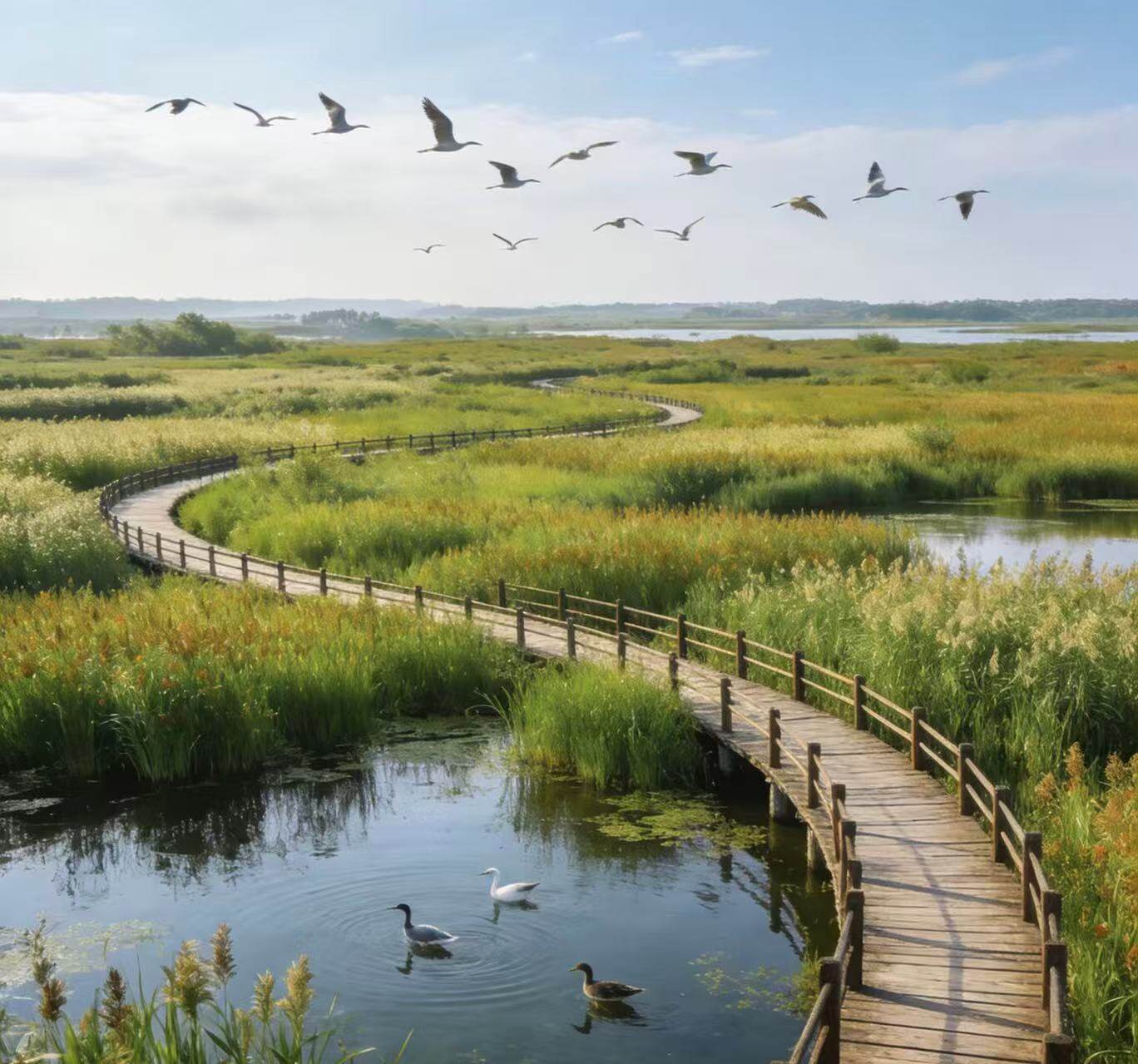
Building the "Four Beams and Eight Pillars" of Wetland Protection
The 14th Five Year Plan is a crucial period for wetland protection in China to enter the track of legalization, standardization, and scientification. The formal implementation of the Wetland Protection Law has for the first time clearly defined the responsible parties, management requirements, and restoration standards for wetland protection through specialized legislation, drawing an insurmountable legal red line for wetland protection. At the same time, the National Wetland Protection Plan has been implemented, establishing a four level linkage mechanism for wetland protection promotion of "national province city county".
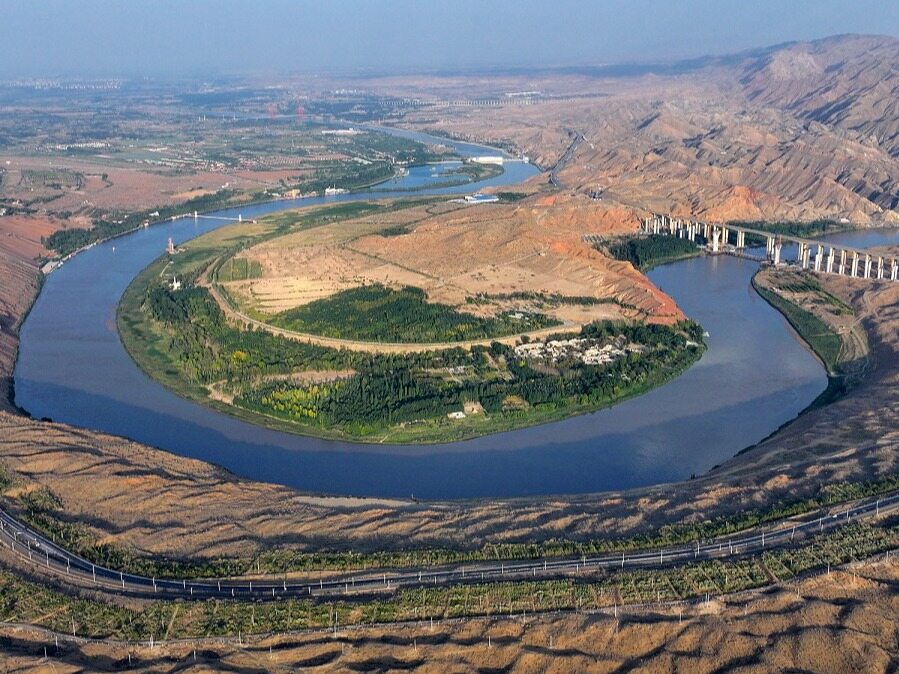
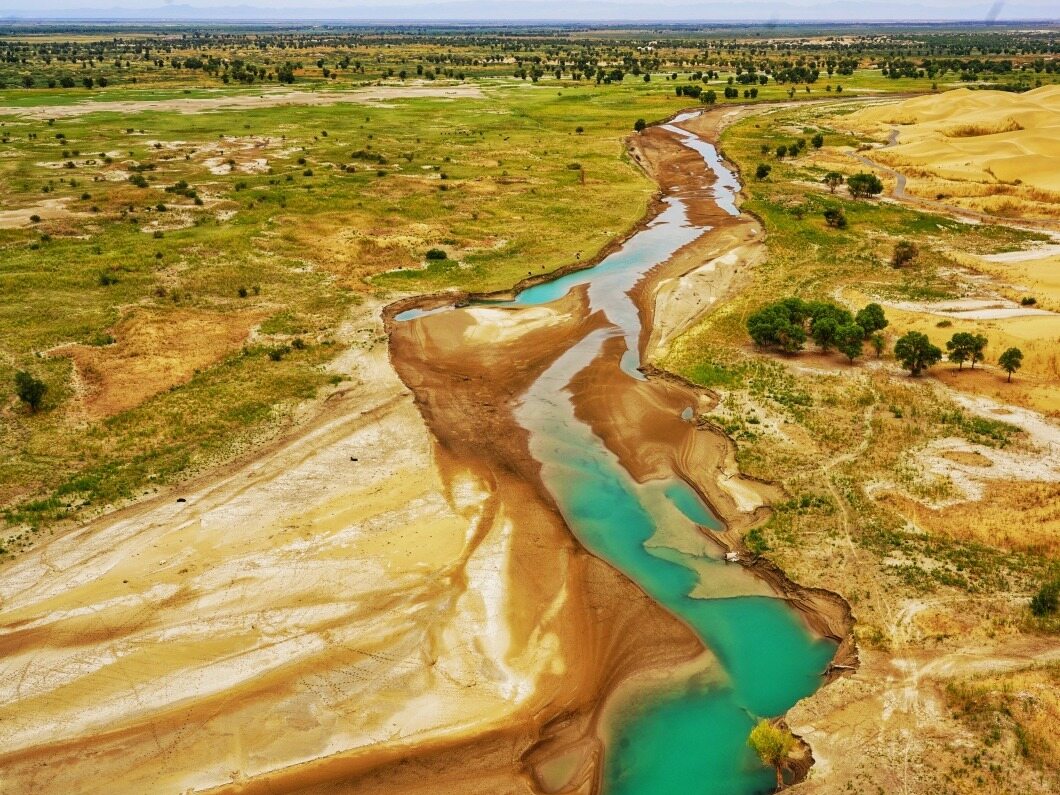
Over the past five years, more than 1000 wetland protection and restoration projects have been implemented nationwide, scientifically restoring 289600 hectares of degraded wetlands. Through measures such as returning farmland to wetlands, connecting water systems, and restoring vegetation, a number of "sick and weak" wetlands have been revitalized. From the transformation of the saline alkali beach in the Yellow River Delta into a migratory bird station, to the restoration of the ecological landscape of "wide riverbank green and fish bird symbiosis" in the degraded wetlands of the middle and lower reaches of the Yangtze River, the dual guarantee of planning and rule of law has built a solid defense line for 800 million acres of wetland area.
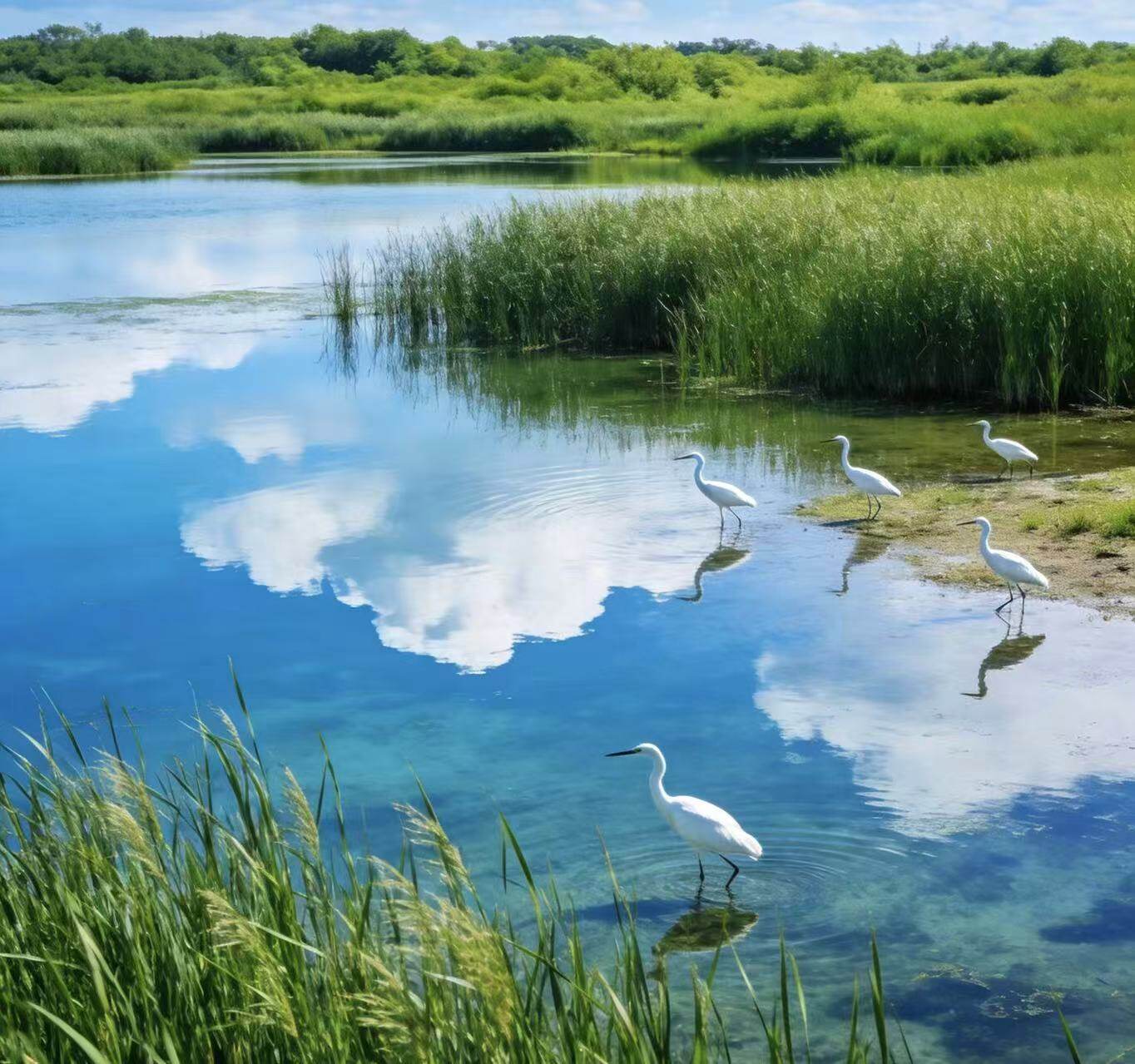
Creating a 'Chinese Model' for Wetland Conservation
China continues to improve its wetland classification management system, forming a multi-level protection pattern of internationally important wetlands, nationally important wetlands, and provincial-level important wetlands, and tailoring protection plans for wetlands of different types and values. As of the end of the 14th Five Year Plan, China has designated 82 internationally important wetlands, 80 nationally important wetlands, and 1205 provincial-level important wetlands, with a protection network covering major wetland ecosystem types across the country.
The construction of national wetland parks has become a model for wetland protection and utilization. 903 national wetland parks have been built nationwide, effectively protecting 2.4 million hectares of wetland resources. About 90% of the parks are open to the public for free, and receive over 320 million visitors annually. At Xixi National Wetland Park in Hangzhou, Zhejiang Province, tourists can enjoy the poetic scene of "several hectares of reed beds are fields, and a stream and a smoke" while boating on the reed marshes; At Zhalong National Wetland Park in Heilongjiang Province, red crowned cranes dance gracefully, becoming a vivid footnote to the improvement of wetland ecology.
It is worth mentioning that the number of international wetland cities in China has increased to 22, ranking first in the world. These cities take wetland protection as the starting point, promote the deep integration of urban development and ecological protection, and create a livable model of harmonious coexistence between humans and nature.
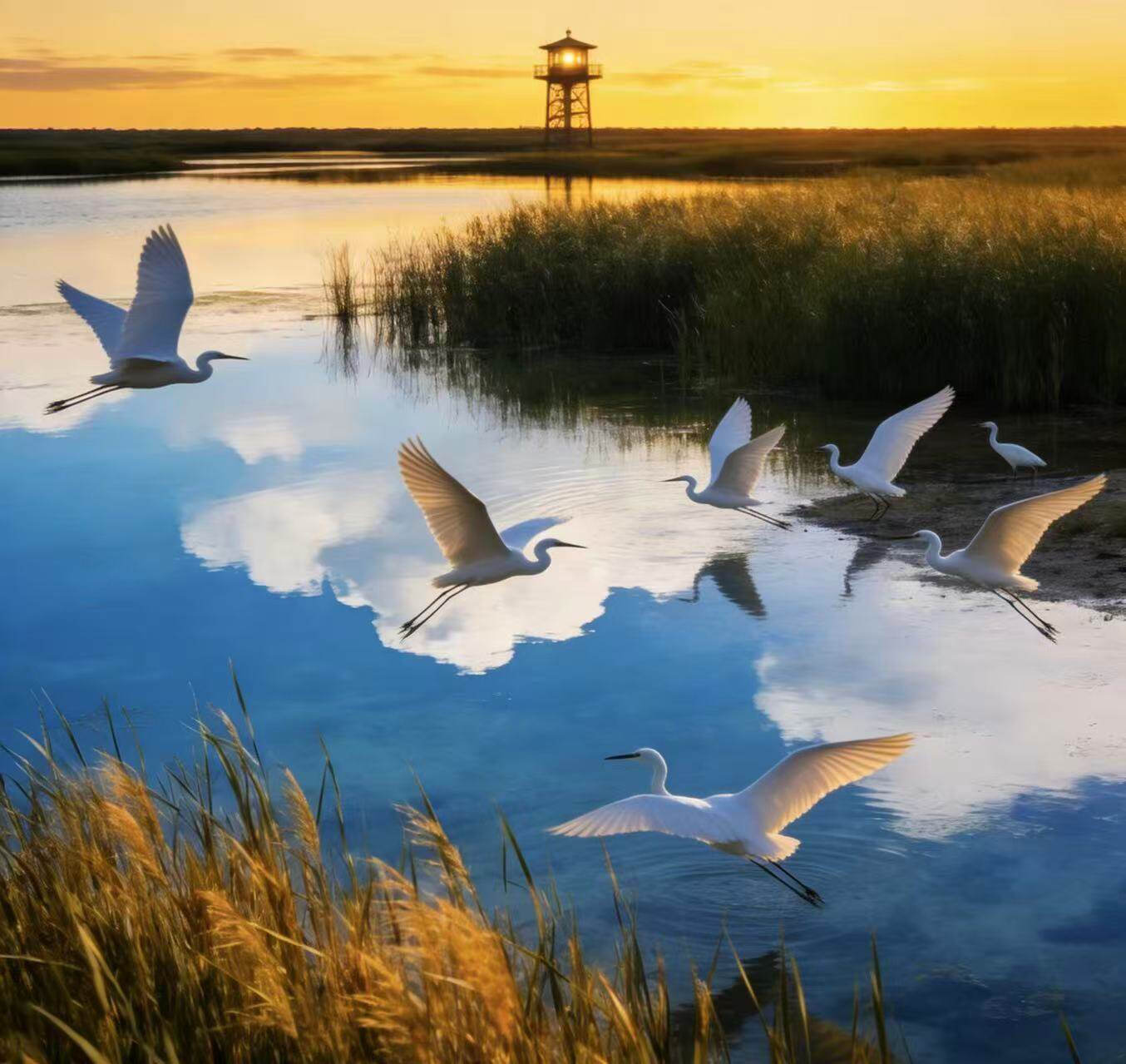
Realize the 'counter trend growth' of mangrove area
In the key areas of wetland conservation, China has made targeted efforts and implemented precise policies, delivering impressive results. Mangrove forests, as the "ecological guardians" that resist typhoons and protect coasts, have been included in special action plans for their protection and restoration. As of June this year, 9200 hectares of mangrove forests have been newly constructed nationwide, exceeding the target of the 14th Five Year Plan ahead of schedule. China has also become one of the few countries in the world to achieve net growth in mangrove forest area. In the mangrove wetlands of Zhanjiang, Guangdong and Beihai, Guangxi, there is now a continuous "sea forest" where organisms such as horseshoe crabs and egrets thrive, and the ecological barrier function continues to strengthen.
In response to the damage caused by the invasive alien species Spartina alterniflora to wetland ecology, China has launched a special cleanup campaign, fully completing the task of clearing 97300 hectares of Spartina alterniflora and effectively curbing its unlimited spread. The mudflat wetland once "occupied" by Spartina alterniflora has gradually restored the local vegetation community, the number of benthos has significantly rebounded, and the integrity and stability of the wetland ecosystem have been effectively maintained.

Wetlands are the kidneys of the earth and the source of life. The significant achievements in wetland protection during the 14th Five Year Plan period in China have not only safeguarded 800 million acres of ecological green lungs, but also made wetlands a happy space that benefits people's livelihoods. In the future, with the deepening of wetland protection work, this "kidney of the earth" will continue to shine with vitality, injecting stronger ecological momentum into the construction of a beautiful China.Editor/Bian Wenjun
Comment


 Praise
 Collect
 Comment

 Share
Share


Write something~