 Search


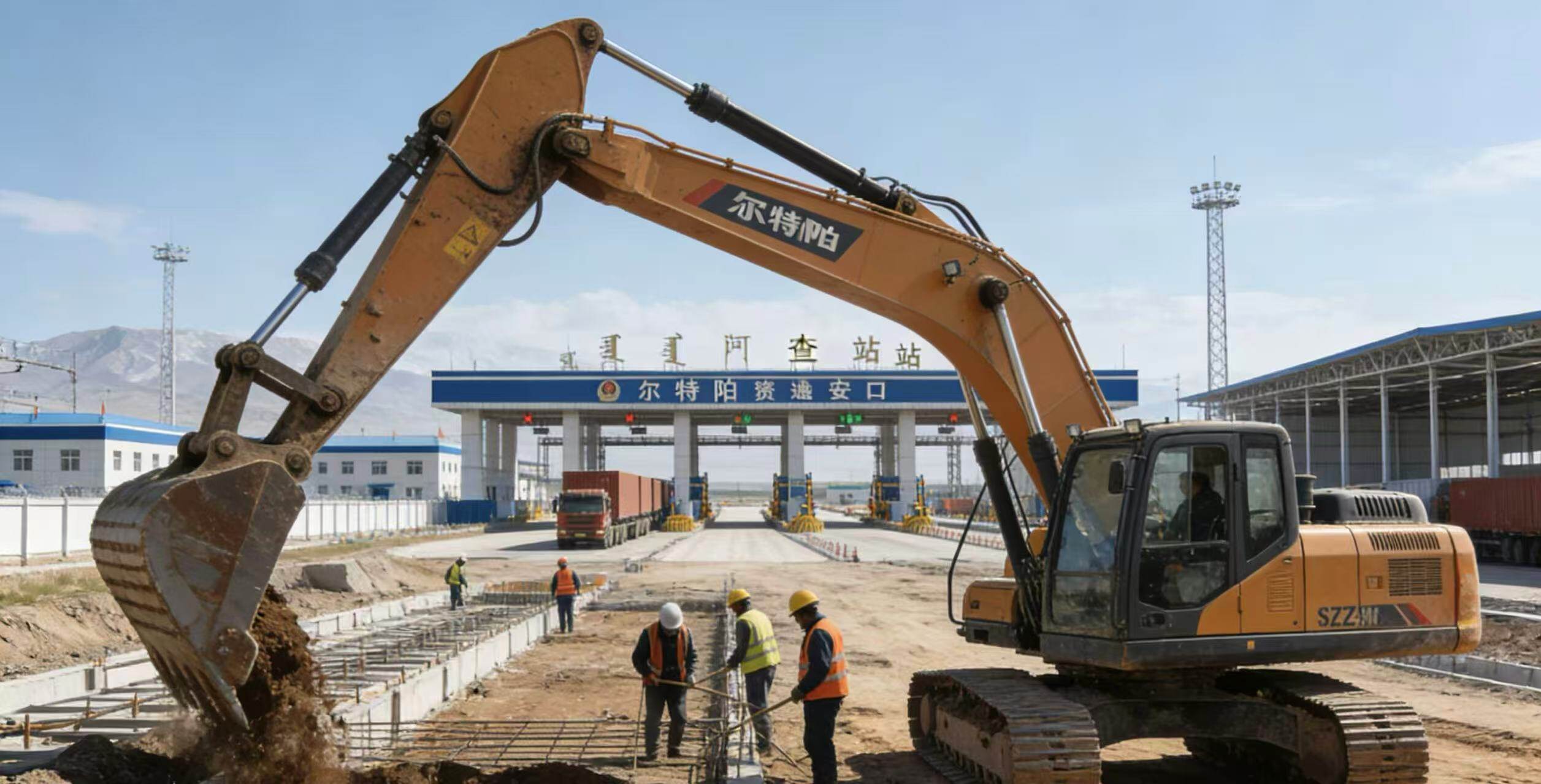
- The efficient operation of corridors relies heavily on the strong support of border infrastructure. As a core supporting project
- In the current context of accelerated restructuring of regional logistics patterns, the birth of this new corridor
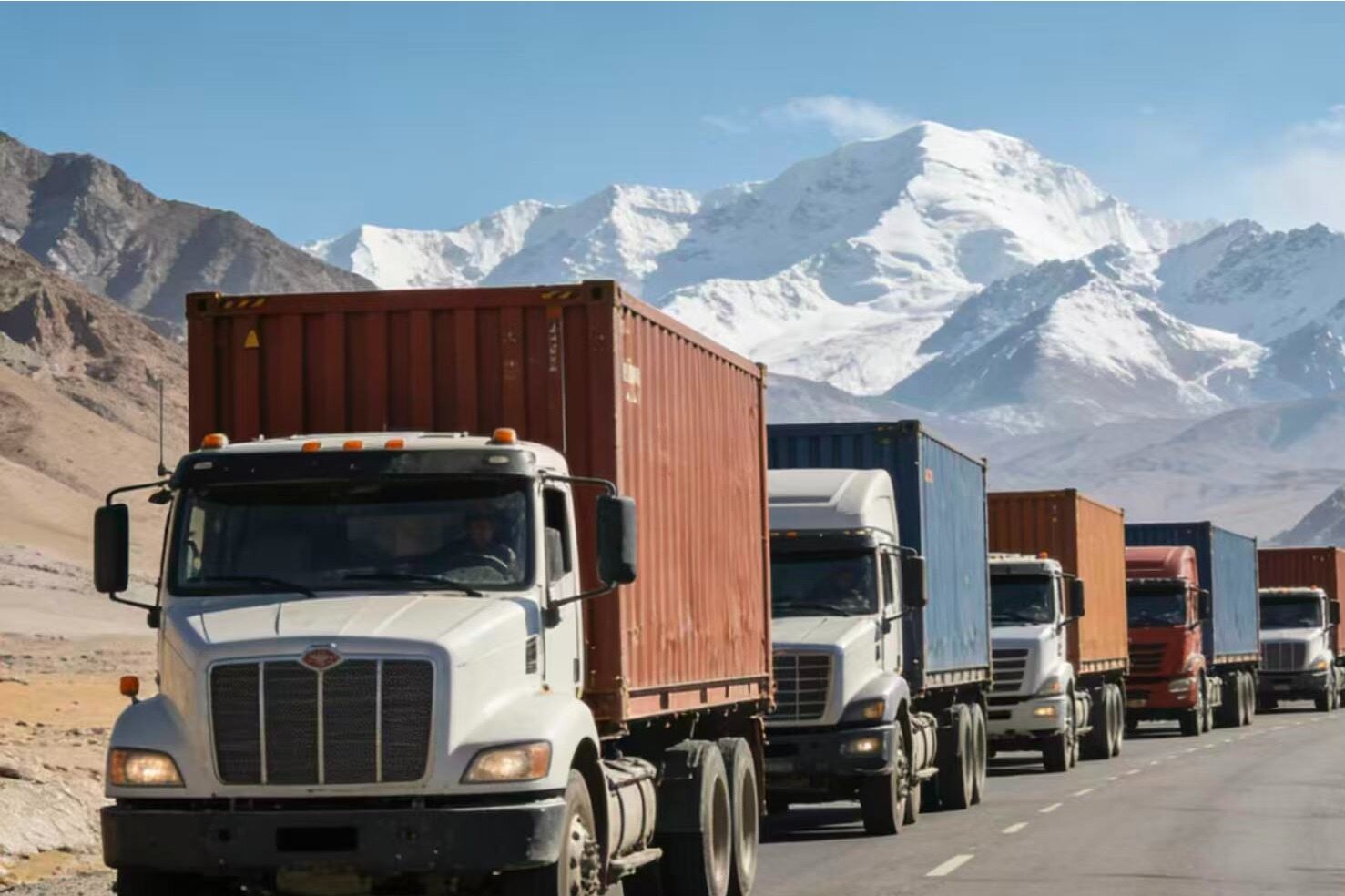
As the truck loaded with goods slowly drove out of the Uzbekistan border port and headed towards Tajikistan, a new multimodal transport corridor connecting China and Europe officially kicked off its pilot operation. On January 7, 2026, this logistics "ice breaking" operation jointly promoted by Tajikistan and Uzbekistan not only enabled Central Asian countries to break through their positioning as "transit channels" for Eurasian trade, but also took a crucial step towards the goal of "international hub nodes".
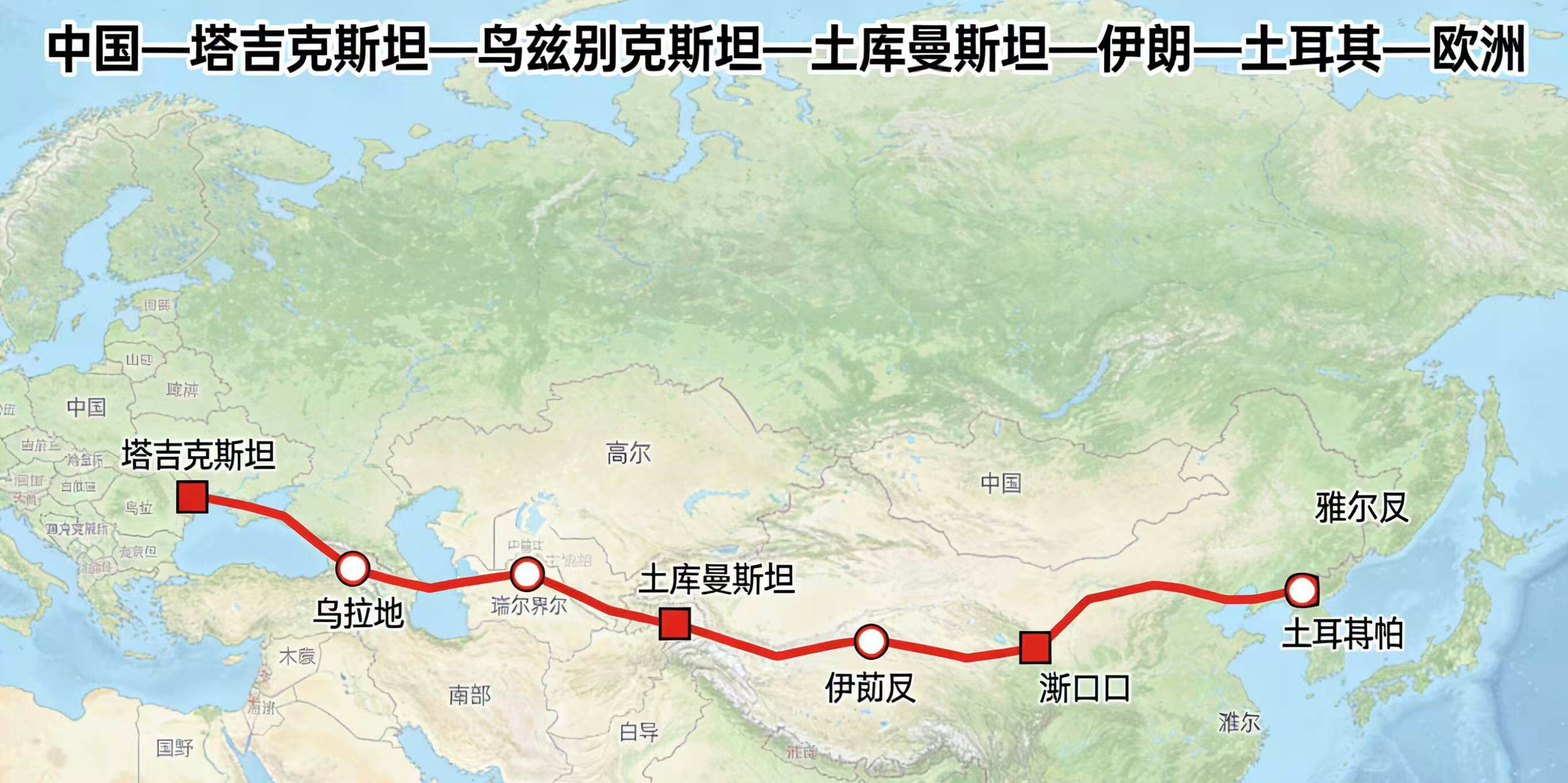
The departure of this pilot fleet originated from a heavyweight meeting between Tajikistan's Minister of Transport Azim Ibrahim and Uzbekistan's Minister of Transport Ilhom Mahakamov. The two sides have agreed on more than just one freight route - the synchronized implementation of the international road transport electronic permit mechanism has pressed the "accelerator" for cross-border logistics clearance efficiency. This high-profile corridor, with a complete line running through "China Tajikistan Uzbekistan Turkmenistan Iran Türkiye Europe", was proposed at the Dushanbe International Conference in 2022. After more than three years of consultation and polishing, it finally entered the substantive testing phase after the Samarkand International Road Transport Joint Committee meeting in December 2025.
Port expansion and upgrading to strengthen the hard support of the hub
The efficient operation of corridors relies heavily on the strong support of border infrastructure. As a core supporting project, the Yartpa Sarazm Port between Samarkand and Panjikent is accelerating its expansion into a comprehensive logistics hub, with a planned daily handling capacity of 100 freight trucks. At the same time, the customs clearance document processing process is being optimized to minimize transit time.
Supporting construction goes beyond logistics functions: a diagnostic center with a daily service capacity of 150-200 people is about to be established, providing convenient medical support for cross-border drivers; A commercial complex that can accommodate 800 entrepreneurs will be synchronously planned to create an industrial cluster integrating logistics, commerce, and services around the port, injecting lasting vitality into the long-term operation of the corridor.
The Eurasian logistics chess game falls, and Central Asia competes for the right to speak in the supply chain
In the current context of accelerating regional logistics restructuring, the birth of this new corridor can be regarded as a strategic breakthrough for Central Asian countries. For a long time, Central Asia has played the role of a "passerby" in Eurasian trade. With the cooperation of Tajikistan and Ukraine, the multimodal transport corridor can not only significantly shorten the freight distance between China and Europe and reduce logistics costs, but also attract industrial agglomeration with its hub position and enhance its voice in the global supply chain.
For China, this corridor has also opened up new land routes for China Europe trade, complementing the existing China Europe freight train routes and further enhancing the resilience of the international logistics network. Under the framework of the "the Belt and Road" initiative, the cooperation between China, Tajikistan and Uzbekistan in infrastructure and trade has continued to deepen. The trial run of the corridor is a vivid practice of the three parties to promote cross-border logistics integration.
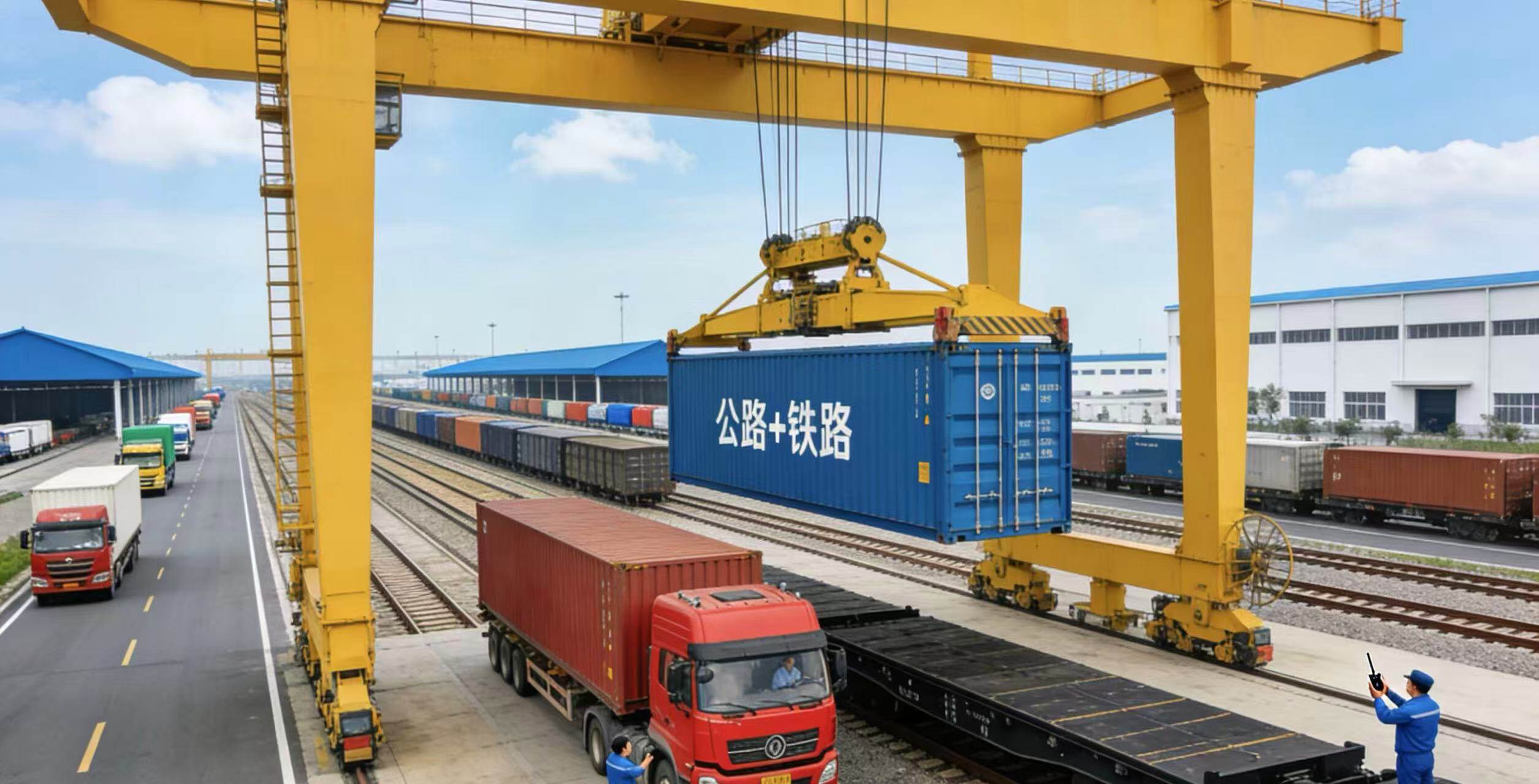
Looking at the European market, the connection of this new channel will bring more high-quality products from China to European consumers, and also build a convenient logistics bridge for European enterprises to explore the Central Asian and Chinese markets. With the advancement of pilot projects and the improvement of subsequent routes, this new logistics artery spanning across the Eurasian continent is expected to become a key force in reshaping the Eurasian trade map, promoting mutual benefit and common development among countries along the route.Editor/BIanWenjun
Comment


 Praise
 Collect
 Comment

 Share
Share


Write something~