 Search


- Analyze the opportunities and challenges faced by the development of China's manufacturing industry
In 2025, the 14th Five Year Plan will come to a successful conclusion, China's foreign trade will achieve breakthroughs, and the manufacturing industry will enter a new stage of going global. The chip, semiconductor equipment, and intelligent hardware industries are flourishing, and the energy storage track is experiencing an explosion; The overall prosperity of the manufacturing industry urgently needs to be boosted, and the new energy vehicle industry faces numerous challenges. Hot words such as "anti involution", "humanoid robots", and "embodied intelligence" have emerged. E-works has specifically identified the top ten hotspots in China's manufacturing industry from 2025 to 2026, analyzing the opportunities and challenges facing the development of China's manufacturing industry.
The 14th Five Year Plan has come to an end, and China's manufacturing industry has moved from leading in scale to high-quality development

2025 is the final year of the 14th Five Year Plan, and in the past five years, China's manufacturing industry has achieved a historic transformation from "scale expansion" to "quality and efficiency improvement". During this period, the added value of China's manufacturing industry increased to 33.6 trillion yuan, accounting for nearly 30% of the global total, and the scale has been ranked first in the world for 15 consecutive years. Significant achievements have been made in innovation driven, industrial structure optimization, integration of data and intelligence, and green transformation. In the future, China's manufacturing industry will continue to promote high-end, intelligent, and green development, consolidate advantages, enhance competitiveness, and inject momentum into the construction of a manufacturing powerhouse and high-quality development.
China's trade surplus has exceeded one trillion yuan, and the road to balanced development is long and arduous。

In 2025, China's foreign trade sector will see a historic breakthrough, with the country's goods trade surplus surpassing the $1 trillion mark for the first time. This data not only far exceeds the historical peak sum of traditional manufacturing powers such as Germany, Japan, and South Korea, but also highlights the strong resilience of China's foreign trade in the context of deep adjustments in the global trade pattern and intensified geopolitical games. The emergence of this trillion yuan surplus is not caused by a single factor, but rather the result of the combined effects of multiple structural, cyclical, and external factors
Diversified path layout for overseas markets, manufacturing enterprises accelerate globalization process through innovation.

With the intensification of global market competition and changes in the development environment, China's manufacturing industry has shifted from "scale expansion" to a new stage of "quality improvement" when going global. In 2026, as the starting year of the 15th Five Year Plan, domestic manufacturing enterprises will lay a solid foundation for development by stimulating technological innovation and new driving forces for model iteration. They will upgrade their compliance systems to strengthen the bottom line of global development, deeply integrate into local industrial chains, innovation chains, and value chains to cultivate a symbiotic ecology, and inject strong impetus into building a new development pattern and promoting high-level opening up to the outside world.
PMI continues to be below the boom bust line, indicating a need to boost the momentum of the manufacturing industry

In 2025, the PMI index of China's manufacturing industry will mostly hover below the boom bust line, and the manufacturing industry's momentum needs to be boosted. Multiple factors such as geopolitical conflicts, escalating trade protectionism, and sustained contraction of manufacturing market demand are intertwined, resulting in the manufacturing PMI hovering at a low level. It is worth noting that the equipment manufacturing industry and high-tech manufacturing industry, as the core carriers of high-end manufacturing, coupled with the rapid penetration and empowerment of AI technology, have driven multiple segmented industries to achieve rapid development and become important pillars for stabilizing the industrial market.
From price war to value war, 'anti internal competition' drives sustainable development of manufacturing industry.
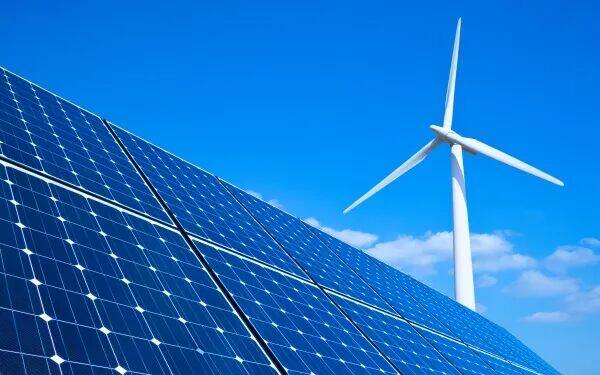
In 2025, China's manufacturing industry is shifting from a price war to a value war, driving the industry towards a new stage of sustainable development through "anti internal competition". In response to low-level repetitive competition, policies and markets are working together to guide rectification, while industries and enterprises optimize supply through self-discipline and industry chain collaboration. Despite the challenges of transformation, focusing on technological innovation and long-term value creation has become an industry consensus, which is effectively driving the development of manufacturing towards the high-end of the global value chain.
Driven by demand and capital, the chip and semiconductor equipment industry is accelerating its development
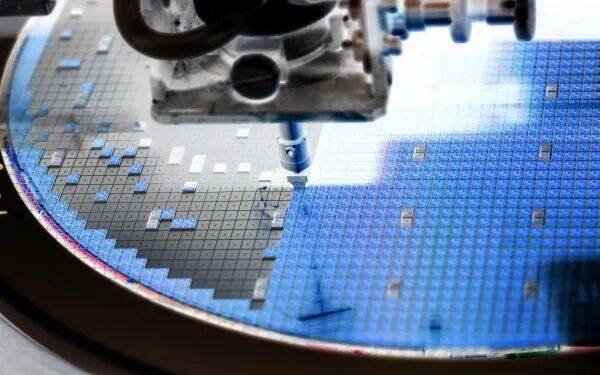
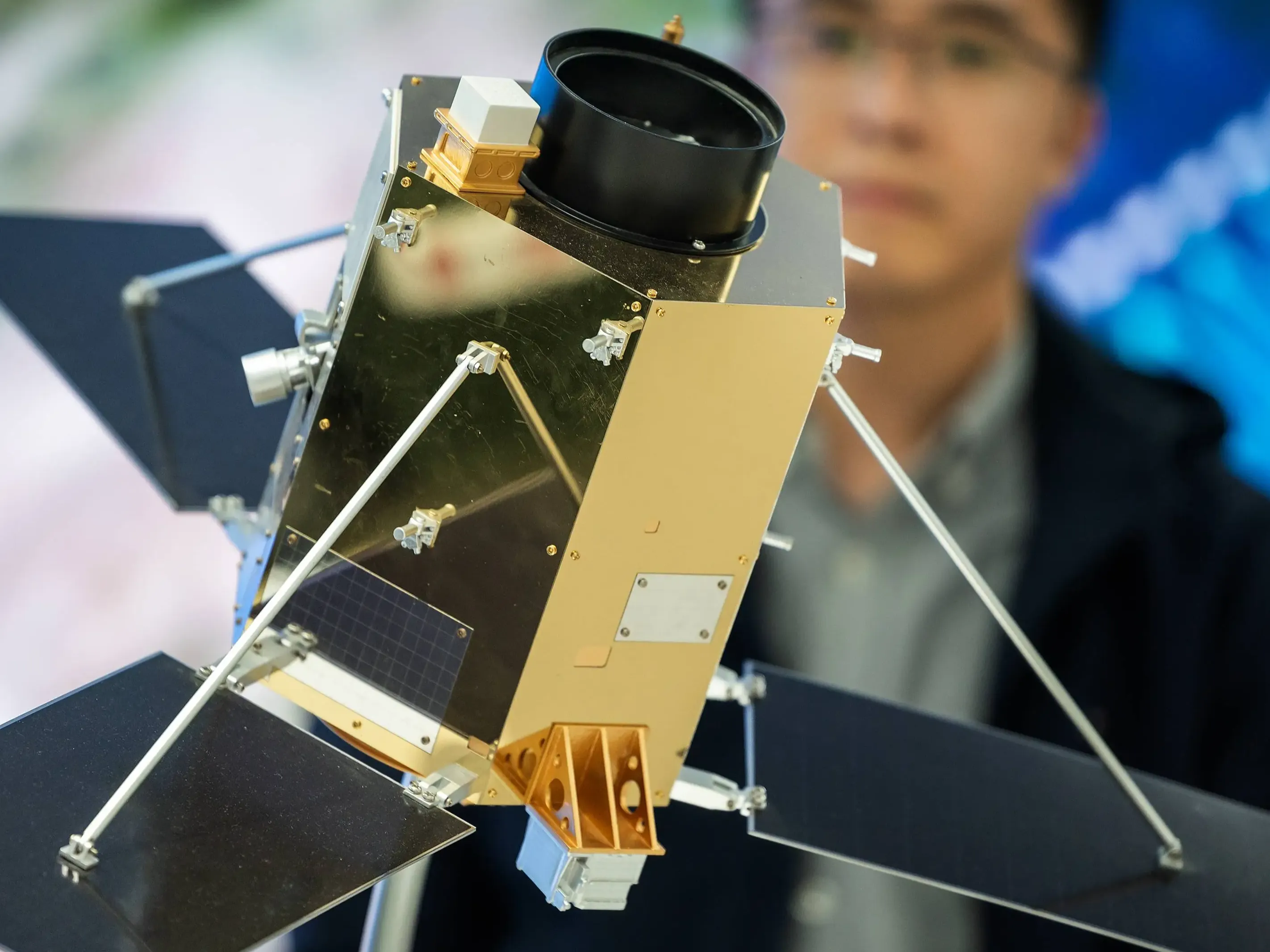
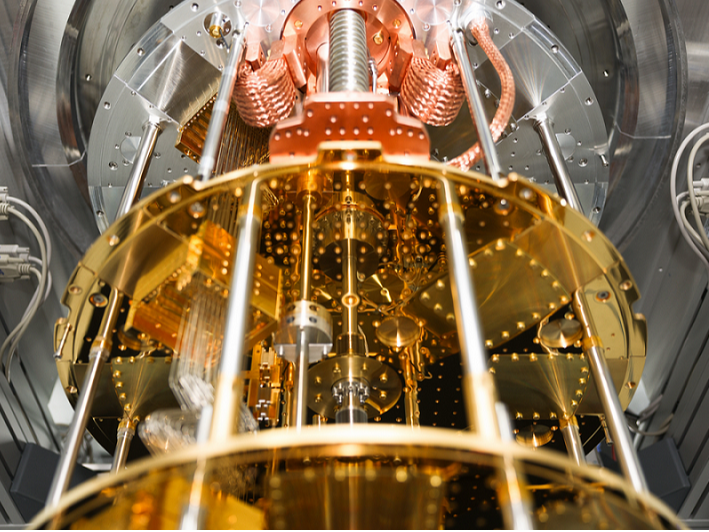
In 2025, driven by demand and capital, China's chip and semiconductor equipment industry has entered an accelerated path of systematic development. Multi path breakthroughs have been achieved in core areas such as CPUs, storage chips, GPUs, and significant progress has also been made in the semiconductor equipment sector. However, at the same time, the industry still faces challenges such as ecological construction and external dependence on core equipment. In the future, it is necessary to continue to tackle key areas and promote the construction of an independent and controllable industrial system.
The trend of humanoid robots and embodied intelligence is surging, and the development of the industry urgently needs to return to rationality

In 2025, the popularity of humanoid robots and embodied intelligence race will soar, and events such as robot yangko dance and combat competitions will ignite public attention. Cross border layout has become the norm in the industry, and traditional manufacturing and industrial robot companies have entered the market one after another. The amount of capital market financing and enterprise valuation have risen synchronously. However, the hidden concerns of the industry are prominent, such as the capital follow the trend to create a valuation foam, the technical bottlenecks such as independent control have not been broken through, and the commercialization is slow to land. The development of the industry urgently needs to return to rationality, focusing on technological breakthroughs, scene adaptation, and commercialization.
From personal consumption to industrial applications, the smart hardware industry is thriving

By 2025, AI+AR glasses, 3D printers, courtyard robots and other products will achieve two-way penetration between personal consumption and industrial applications, with a continuous expansion of coverage, and China's intelligent hardware industry will usher in explosive growth. A complete supply chain system, user oriented design and differentiated research and development, composite talents and innovative genes jointly build the flywheel of industrial growth and drive its high-quality development.
New energy vehicles are accelerating, but still need to build a solid foundation of technology and quality

In recent years, behind the acceleration of the new energy vehicle industry, it is facing challenges such as low profits and frequent safety accidents. After the reduction of purchase tax in 2026, new energy vehicles will officially enter the "naked swimming era". Only by adhering to positive research and development, building differentiated competitiveness with core technologies, and comprehensively strengthening security defenses, can we win user recognition in the market reshuffle and achieve healthy and sustainable development of the enterprise.
The energy storage industry is entering a period of explosive growth, with new energy storage technologies becoming a key engine
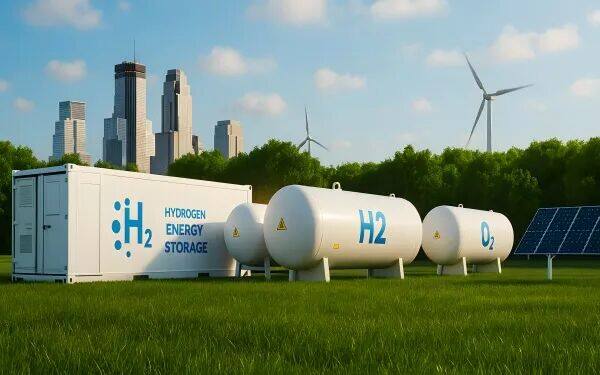
With the cancellation of the policy of mandatory energy storage allocation, China's energy storage industry has entered a market-oriented stage, and independent energy storage has rapidly emerged. In 2025, multiple policies will lay the foundation for industry marketization, and new energy storage technologies will emerge in multiple areas. Technologies such as high-capacity battery cells, hydrogen energy storage, and compressed air energy storage will accelerate their implementation. At the same time, the expansion of production capacity and the pace of going global are accelerating, and the deep integration of AI technology is improving system safety and efficiency. However, the industry still faces challenges such as cost pressure and market mechanisms, and requires continuous innovation and improvement of trading mechanisms to achieve high-quality development.Editor/Bian Wenjun
Comment

 Praise
 Collect
 Comment

 Share
Share


Write something~