 Search


- The railway in southern Vietnam has been promoted to facilitate the connectivity of infrastructure along the the Belt and Road
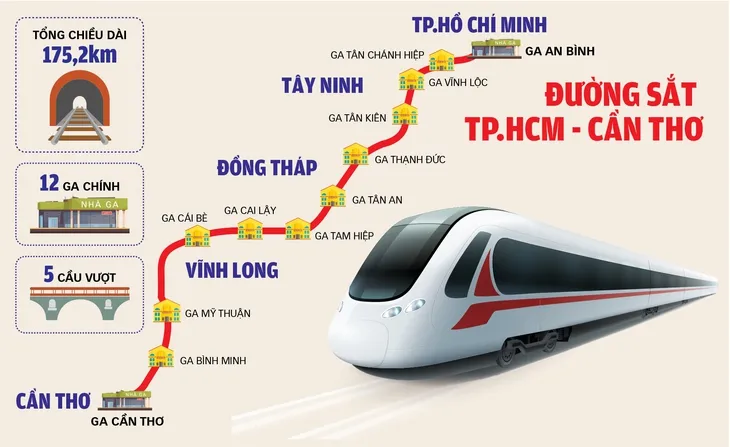
The Meishun Project Management Committee of Vietnam has submitted a revised report on the feasibility study of the Ho Chi Minh City to Can Tho City railway to the Ministry of Construction, marking the official entry of a transportation infrastructure project that has been under consideration for many years into the government's decision-making process. The core proposal of this report is clear and direct: to use all public funds for construction, with a total investment of approximately 6.5 billion to 6.65 billion US dollars.
This 175.2 kilometer railway will become the first railway in the Mekong Delta in nearly 70 years. It is not only a key puzzle in the transportation network of southern Vietnam, but also synchronized with the construction of the North South high-speed railway, which costs about 67 billion US dollars, marking a new stage of parallel north-south railway construction in Vietnam.
Fully invested by the government, completed in eight years
The project is positioned as a mixed passenger and freight railway. The first phase will be constructed according to the single track standard, using a standard gauge of 1435 millimeters. It will be upgraded to a double track railway according to the plan in the future. The entire line is planned to have 12 stations and 3 vehicle bases.
According to the latest planning process, the project will be submitted to the Vietnamese National Assembly for review in August 2026. The front-end engineering design will be completed and land acquisition will begin in the first quarter of 2028. Construction will officially begin in the third quarter of 2028, and the project will be basically completed by 2035. This means that the bidding windows for contracts such as survey and design, civil construction, and equipment procurement will be opened one after another in the next two years.
Elevated and roadbed each account for half
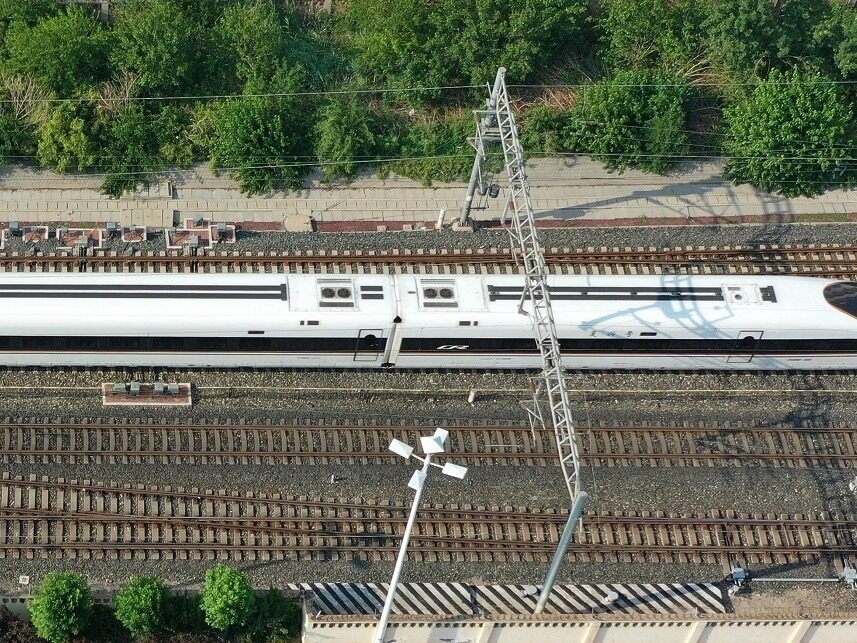
The project is designed according to the Vietnamese Class II railway standard, with a designed speed of 160 kilometers per hour for passenger trains and 120 kilometers per hour for freight trains. The passenger service plan adopts power distributed electric multiple units, and freight trains operate by locomotive traction. Meanwhile, it is equipped with 25 kV AC electrified power supply system and modern signal system, including optical fiber communication, electronic interlocking, centralized dispatching control, automatic train protection and other systems.
About 56% of the entire route is crossed by bridges or elevated roads, mainly concentrated in urban areas, densely populated residential areas, and sections that require crossing rivers or intersecting with existing infrastructure; The remaining 44% of the road sections have stable geology and low risk of flooding, and are laid using conventional roadbed forms. The total land acquisition scale is about 801.5 hectares, involving a large area of agricultural land.
The cross river plan has been decided with a difference of 200 million US dollars
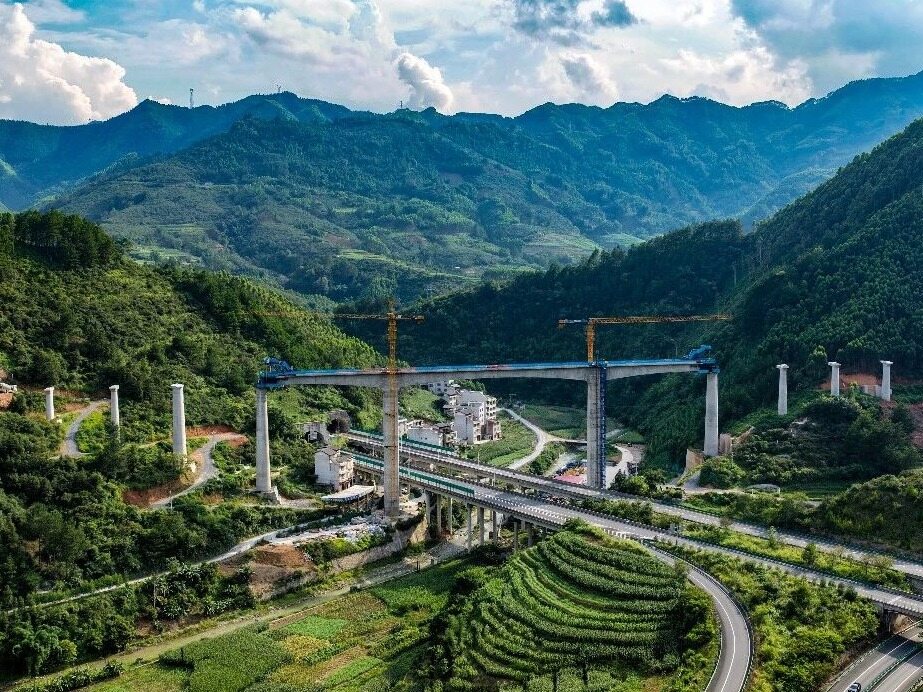
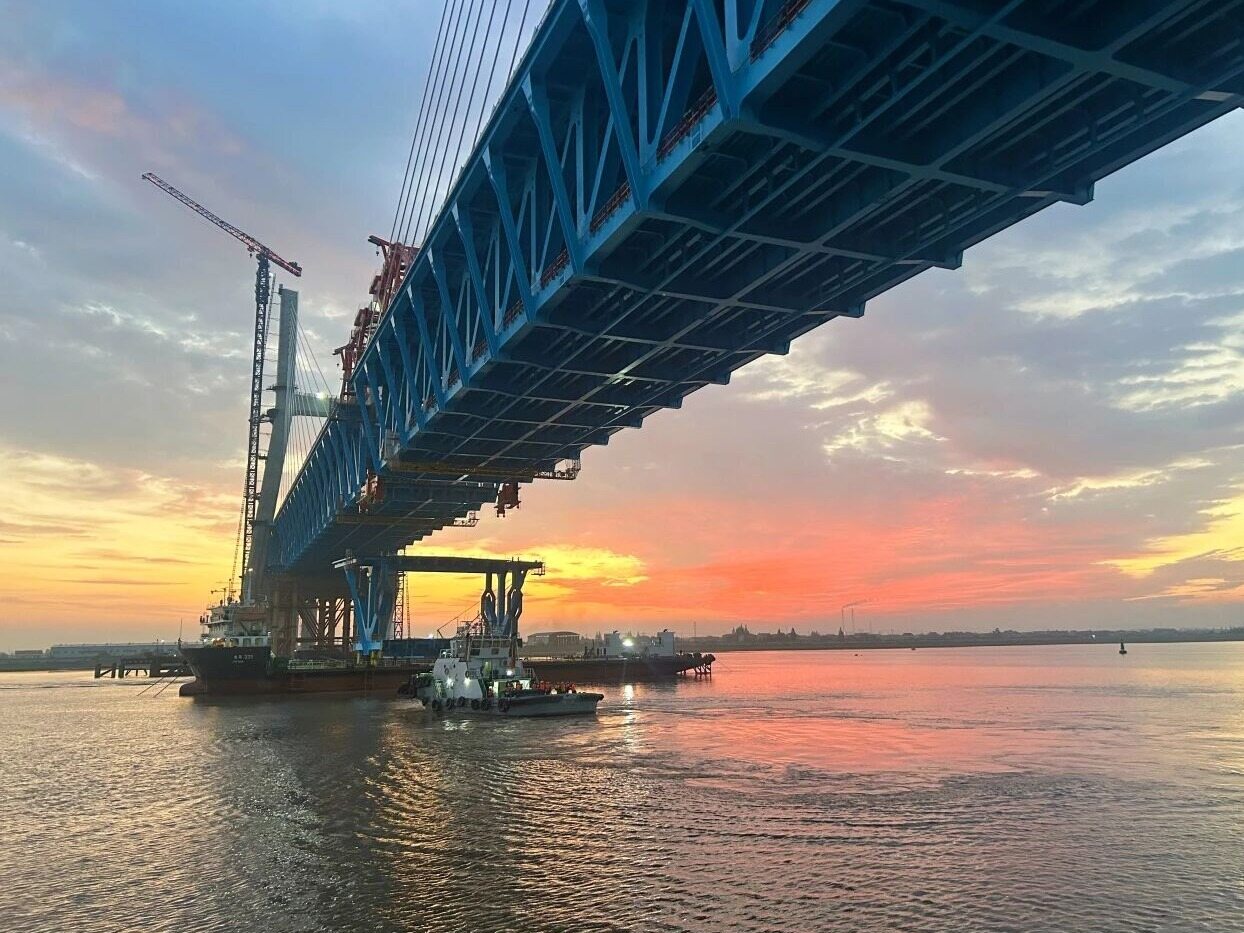
The section crossing the Houjiang River is the controlling node of the entire line. The consulting firm proposed two options: one is to use the planned Qinju No.2 Highway Bridge for parallel traffic, saving independent bridge construction costs, with a total investment of approximately 6.5 billion US dollars; The second is to construct a dedicated railway bridge separately, with a total investment of approximately 6.6 billion US dollars. The consulting firm recommends adopting a collinear scheme. Keywords: news and information on infrastructure projects, railway infrastructure
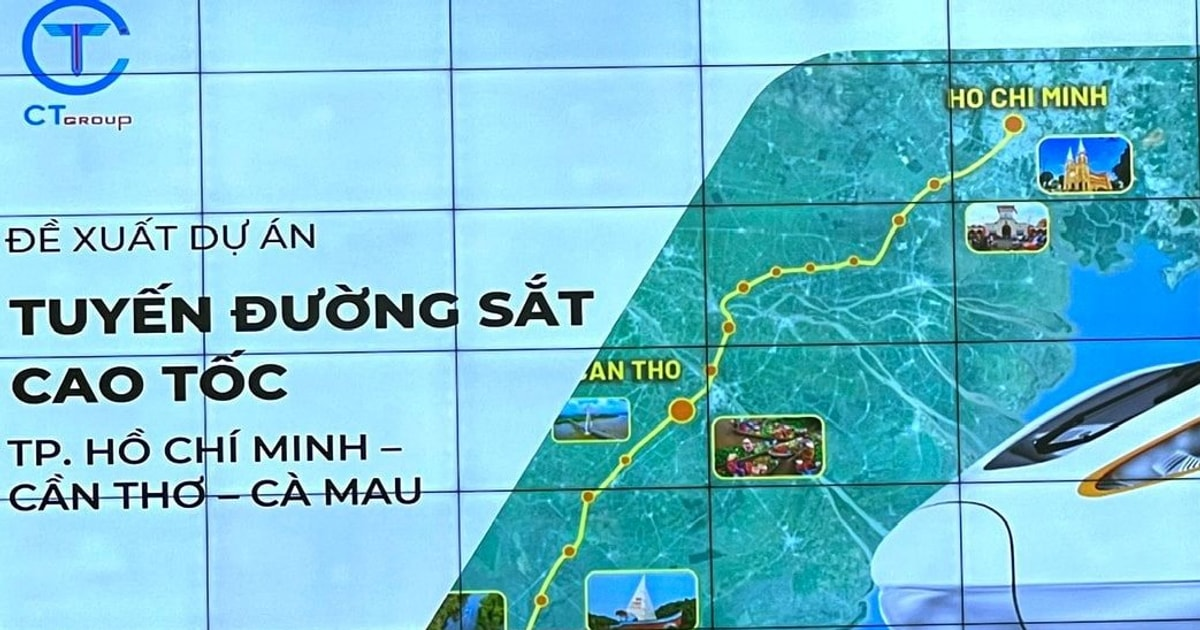
There have been attempts by private capital to intervene in the railway construction around this corridor before. Vietnam CT Group has proposed a PPP plan for the Ho Chi Minh City to Can Tho to Jin Ou railway, with a total length of about 280 kilometers and a design speed of 200 to 250 kilometers per hour. Considering that international railway PPP projects generally face insufficient returns and significant government subsidy pressure, the consulting firm ultimately recommends using national financial funds for investment and construction. The completion of this railway will form an effective echo with the the Belt and Road infrastructure connectivity promoted by China, adding new depth to the regional cross-border transport network.Editor/Gao Xue
Comment

 Praise
 Collect
 Comment

 Share
Share


Write something~