 Search


- Relying on the construction of hydrogen energy corridors, promote the low-carbon upgrade of long-distance heavy-duty logistics
As the wave of green transformation surges forward, a zero carbon fuel is moving from laboratories to mainline logistics, cold chain carriages, and giant factories. Five urban clusters with unique endowments are quietly connected by an invisible hydrogen network - between ruts, cold chains, and blast furnaces. China's hydrogen energy industry is pushing open the door to large-scale applications.
Recently, China officially approved five city clusters to carry out pilot projects for comprehensive hydrogen energy application, marking a new stage of large-scale development of China's hydrogen energy industry. These 5 city clusters are divided into two categories, two focusing on fuel cell vehicle scenarios, namely the Beijing Tianjin Hebei and Greater Bay Area; Three main industrial scenarios, including the Northeast Yangtze River Delta, Xinjiang Chengdu Chongqing dual city economic circle, and the Yellow River bend Central Plains.
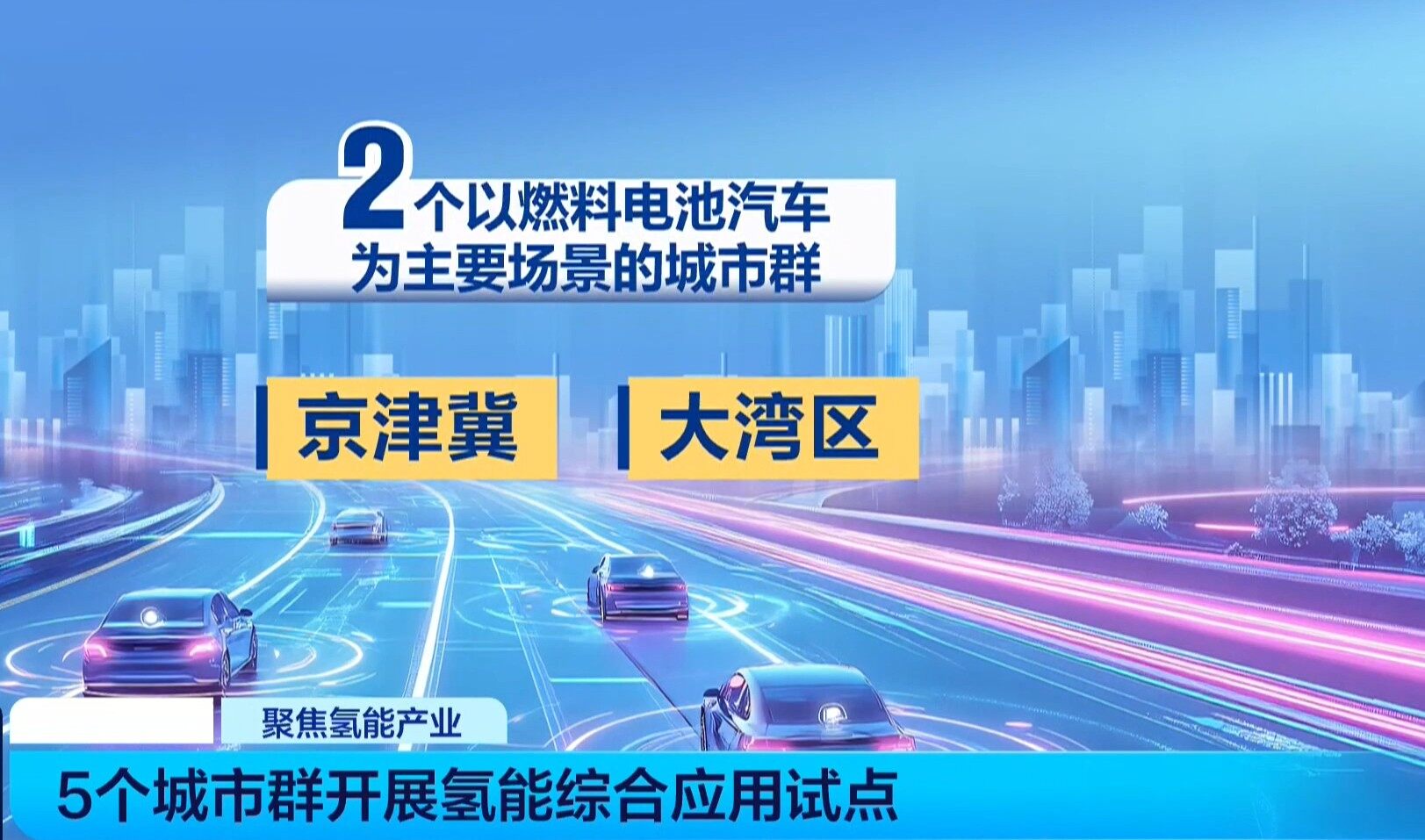
Experts point out that the Beijing Tianjin Hebei and Greater Bay Area rely on the demonstration foundation of fuel cell vehicles during the 14th Five Year Plan period, collaborate with surrounding provinces and cities, create hydrogen energy corridors and hydrogen energy highways, and promote the iteration and upgrading of related technology and equipment. Wang Jia, Technical Director of the China Automotive Strategy and Policy Research Center at the China Automotive Center, stated that the pilot program for comprehensive hydrogen energy application in the 15th Five Year Plan period will focus on multi scenario implementation to enhance the level of clean and low-carbon hydrogen supply. According to data, as of August 2026, the cumulative sales of fuel cell vehicles in China have exceeded 40000 units, and over 620 hydrogen refueling stations have been built, ranking first in the world in terms of scale.
Beijing Tianjin Hebei Hydrogen Corridor
Hydrogen energy is a new quality productivity that helps with green transformation, and China already has the foundation for large-scale development of hydrogen energy. Various regions rely on characteristic scenarios to promote the landing of the hydrogen energy industry. The demand for cross regional heavy-duty freight transportation in the Beijing Tianjin Hebei region is strong, and hydrogen powered heavy-duty trucks have become an important solution for the low-carbon transformation of mainline logistics due to their strong power, long range, and fast refueling. Five one-way 200-300 kilometer cross provincial hydrogen energy corridors are planned locally, and a long-distance logistics channel with a total length of over 600 kilometers from Beijing to Tianjin and Qingdao will be constructed.
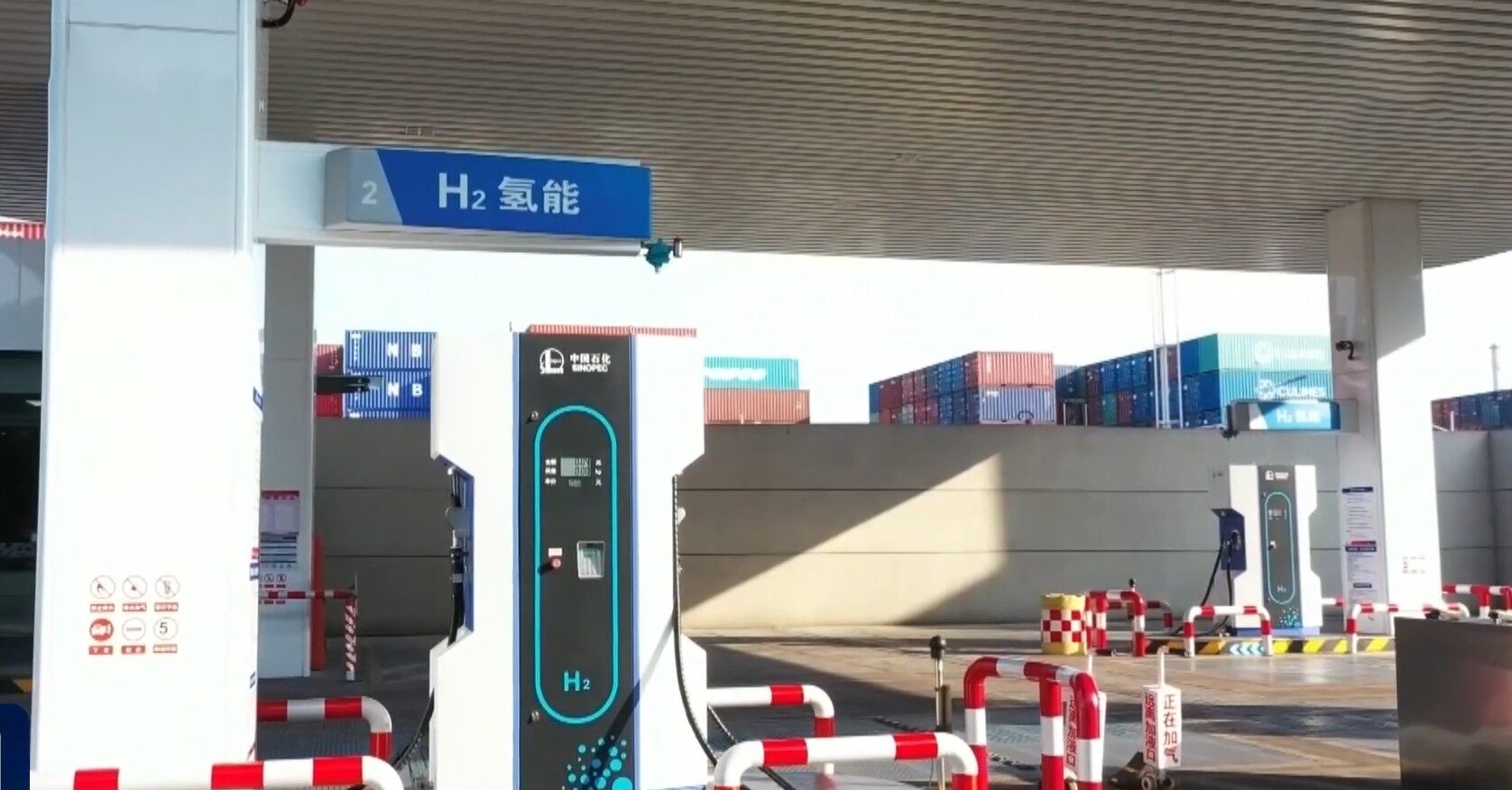
Yu Jianbing, Deputy General Manager of Tianjin Rongcheng New Energy Group, introduced that around the Tianjin Port Handan Rongcheng steel line, a two-way full load mode of transporting iron ore on the outbound journey and coke on the return journey is adopted, effectively reducing transportation costs, and hydrogen energy heavy-duty trucks are gradually showing economic value.
Developing hydrogen cold chain in the Greater Bay Area
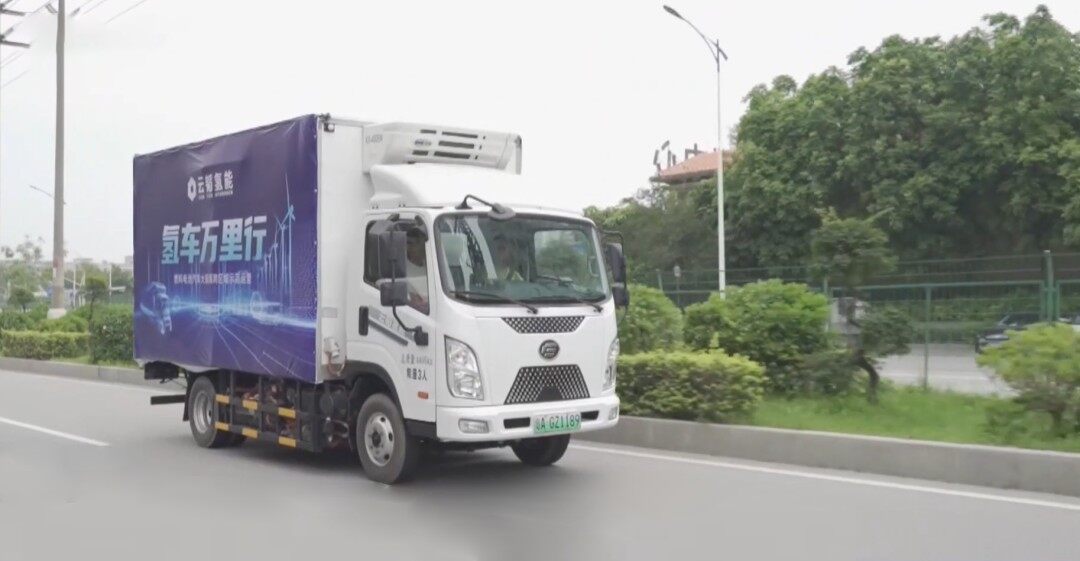
The cold chain logistics and urban distribution in the Greater Bay Area require high timeliness, and hydrogen refrigerated trucks have low emissions and excellent refrigeration endurance. The local area has opened cross regional cold chain operation lines connecting Shaoguan, Foshan, Dongguan and other places. Liu Wei, Co President of Guangdong Yuntao Hydrogen Energy Technology Co., Ltd., introduced that the full industry chain layout reduces the operating costs of hydrogen fuel heavy-duty trucks and forms a sustainable business model. More than 2000 commercial hydrogen fuel cell vehicles have been put into operation in the Greater Bay Area, covering over 30 million kilometers and reducing carbon emissions by over 20 million kilograms.
Expanding scenarios to empower industry
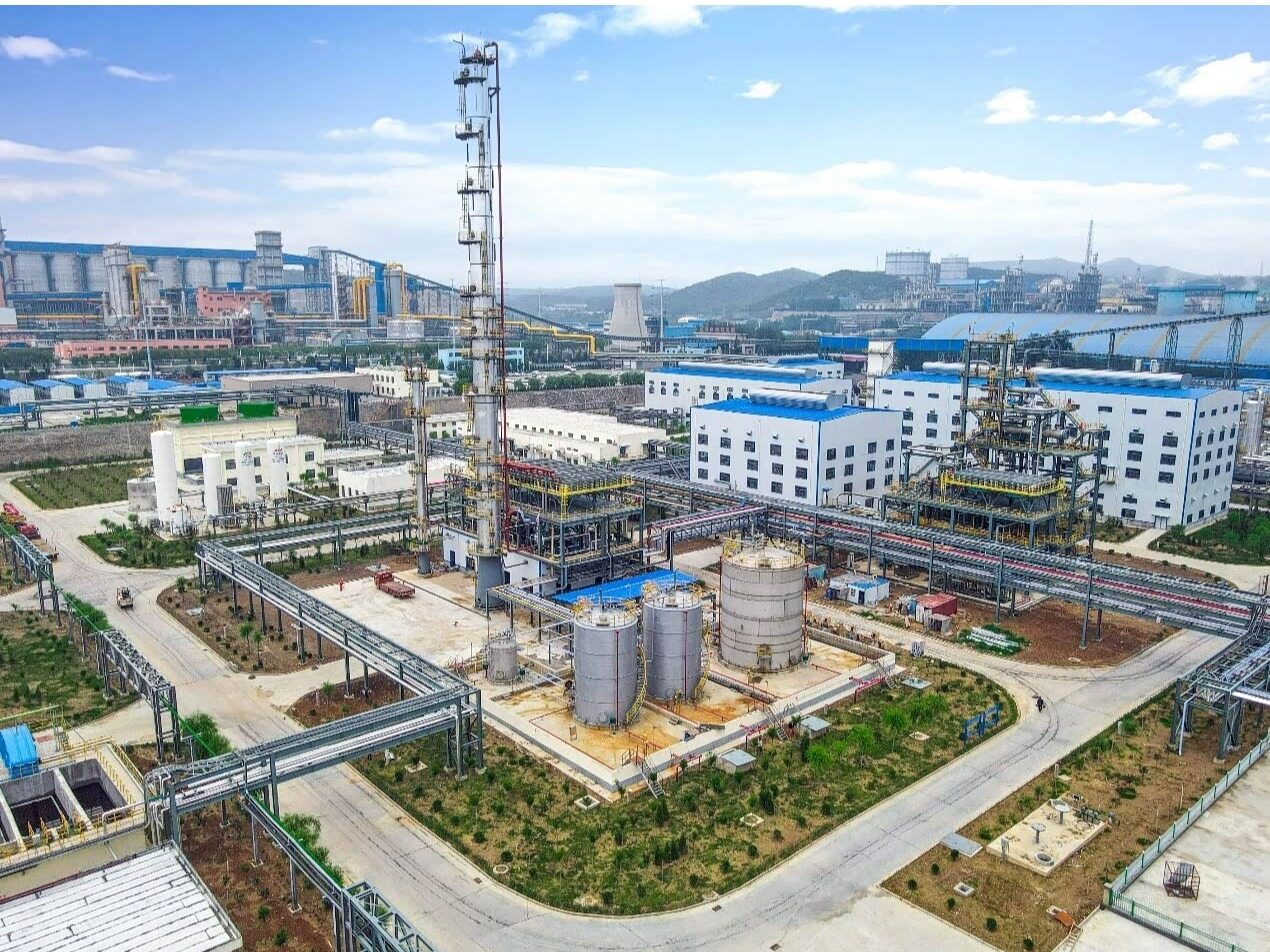
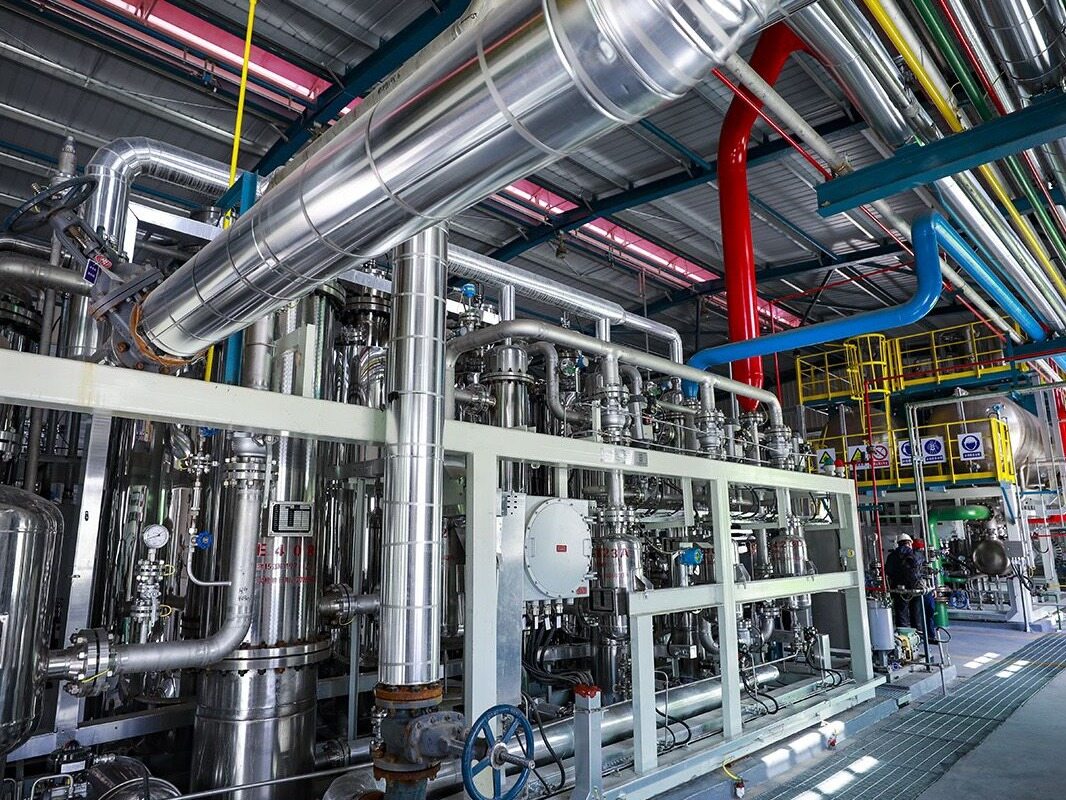
The application of hydrogen energy is not limited to the field of vehicles, and industrial projects continue to be implemented. The green ammonia projects in Chifeng, Inner Mongolia, Da'an, Jilin, and Songyuan, Jilin have been put into operation, while the Duolun green hydrogen coupled coal chemical project in Inner Mongolia and the hydrogen metallurgy projects in Zhanjiang, Guangdong and Yingkou, Liaoning have been completed. The application of hydrogen energy continues to extend from automotive scenarios to diverse fields such as transportation and industry. Keywords: hydrogen energy, fuel cell vehicles, green transformation
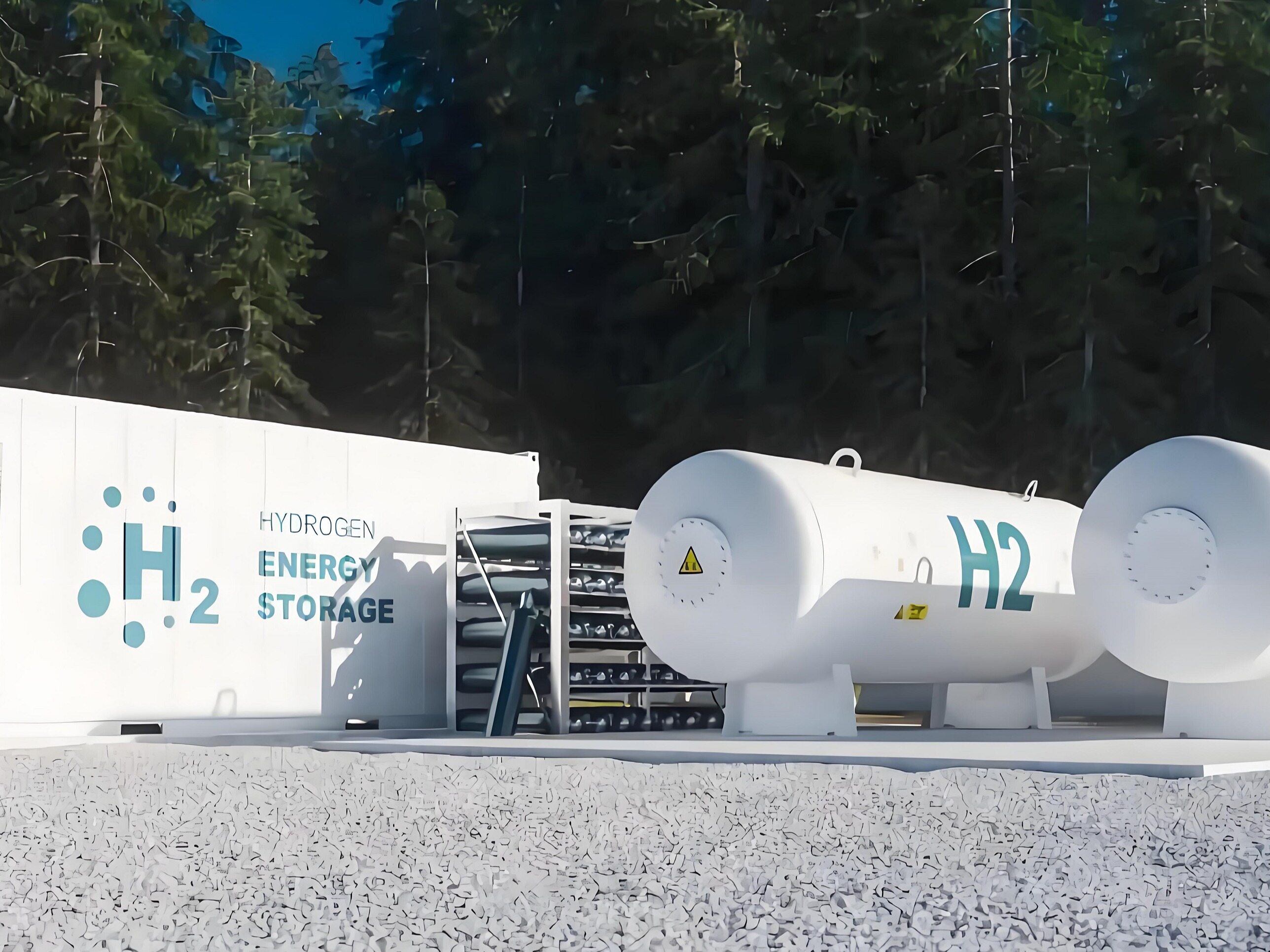
Zhang Tianyu, Chairman of Great Wall Holdings Group Weishi Energy Technology Co., Ltd., introduced that relying on the manufacturing capability of core components of fuel cells, the company will leverage the national hydrogen energy demonstration policy to expand the scale application of hydrogen corridor trunk lines, while exploring emerging tracks such as hydrogen power generation and hydrogen energy storage.Editor/Gong Ziwei
Comment


 Praise
 Collect
 Comment

 Share
Share


Write something~