 Search


- Kyrgyzstan is gambling on the future with 200 major projects

Kyrgyzstan, a small country in Central Asia, is really anxious and daring to think about it this time.
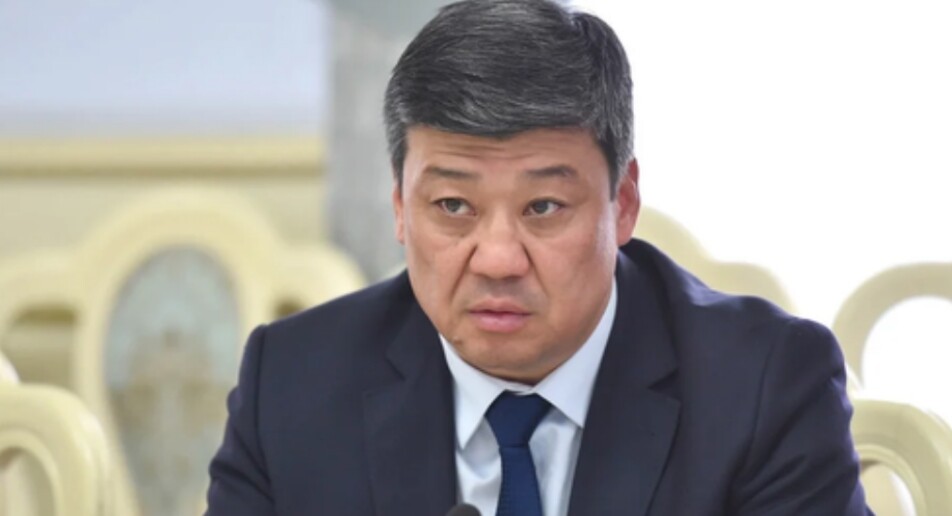
In the next five years, an unprecedented investment leap is about to unfold at the foot of the Tianshan Mountains. Bakt Torobaev, the special representative of the President of Kyrgyzstan, recently stated that this is not a minor economic upgrade, but a complete large-scale industrialization. The goal is frighteningly wild - to achieve a GDP of 30 billion US dollars and squeeze into the ranks of 30 developed countries around the world.
Does it sound like shouting slogans? But he did indeed hold a card in his hand.
Who will foot the bill for 200 mega projects?
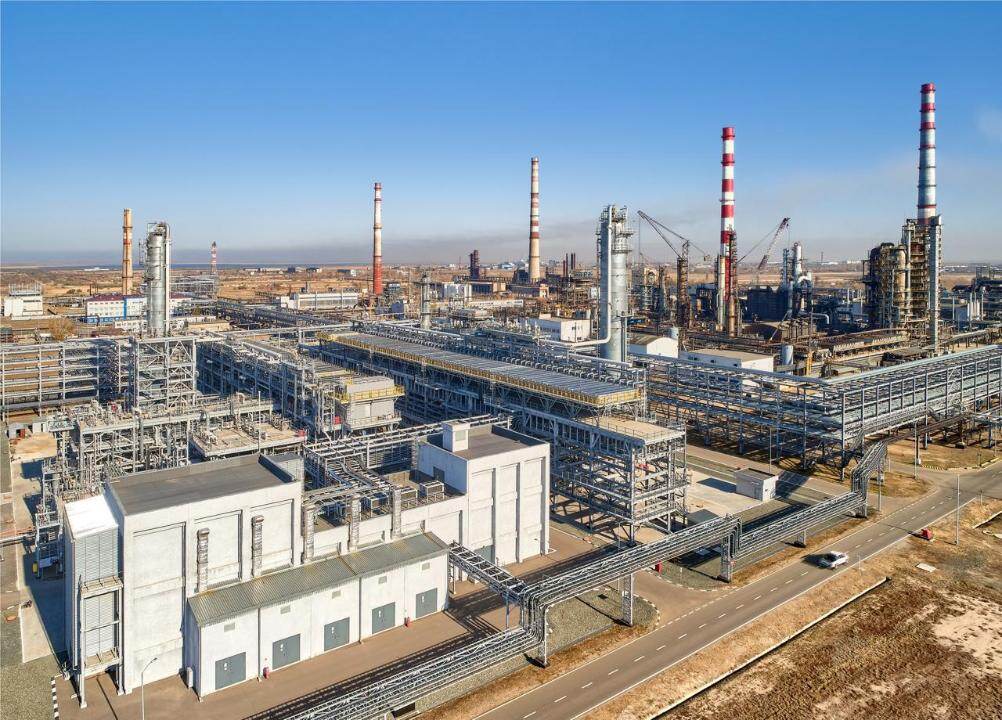
According to the National Development Plan before 2030, Kyrgyzstan has carefully selected 200 large-scale projects in the four major industries of energy, tourism, mining, and manufacturing. Torobaev said that these projects are not meant to be seen, and once the argument is mature, they will be immediately pushed towards international capital and donors.
But passion alone is not enough for this matter, we also need to talk about science. Economist Kubatbek Rashimov poured cold water on the idea that simply calling for the construction of 200 enterprises is useless. There must be real monetary incentives and nationally guided enterprises to take the lead. The most crucial thing is that this is not just a matter for the private sector, it has to be accompanied by the national team on the field.
Refuse to stew indiscriminately, what is needed is precise bite
This time, Kyrgyzstan does not want to take the crude route again. The prescription given by experts is industrial clusters and regional complementarity. To put it simply, we can't act recklessly.
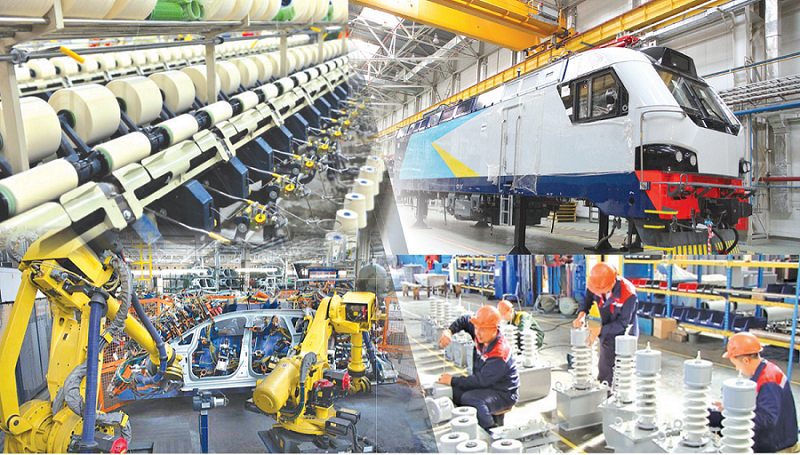
Let's give an analogy: if you want to build complex machines, the final assembly line has to be placed next to a transportation hub, while those silly, bulky, and rough parts should be built in areas with a foundation. The same goes for agriculture. Some places are suitable for growing potatoes, while others specialize in producing apricots. However, canning factories must be built next to logistics centers, otherwise they will rot when shipped out.
Rashimov emphasized that this requires extremely strong computing power and coordination, and cannot rely on brainstorming. At this point, the role of the National Academy of Sciences of Kyrgyzstan becomes extremely crucial. Dean Kanatbek Abdrachmatov even compared his own unit to the fifth power department - not only to conduct scientific research, but also to be the brain of the government and develop cross industry models.
Not only do we have to fight with physical strength, but we also have to fight with AI
The most interesting thing about this is that Kyrgyzstan does not want to rely solely on selling resources to make a living, but wants to become wealthy through their "brains".
Meritorious economist Nurbek Erebayev put it bluntly: the government needs to first figure out which projects can really come out, and then use national and foreign funds to smash them. The standard is one: fast, accurate, and ruthless. Moreover, even AI tools are now being used to calculate investment returns and feasibility, providing a 'technology insurance' for this massive project.
Where is the confidence?
Ultimately, this is not just an economic account, but also a political account. As Rashimov said, trust in a country's scientific and analytical capabilities is the foundation of economic sovereignty. If these 200 projects can really be implemented, Kyrgyzstan will no longer sell underground ore, but a high-quality development model. Keywords: Kazakhstan, Development Planning
Of course, there is still a distance of 18000 miles between drawing the pancake and eating it. But at least, Kyrgyzstan has put it here: in the next five years, we won't look at advertisements, we'll look at the effectiveness.Editor/Cheng Liting
Comment



 Praise
 Collect
 Comment

 Share
Share


Write something~