 Search


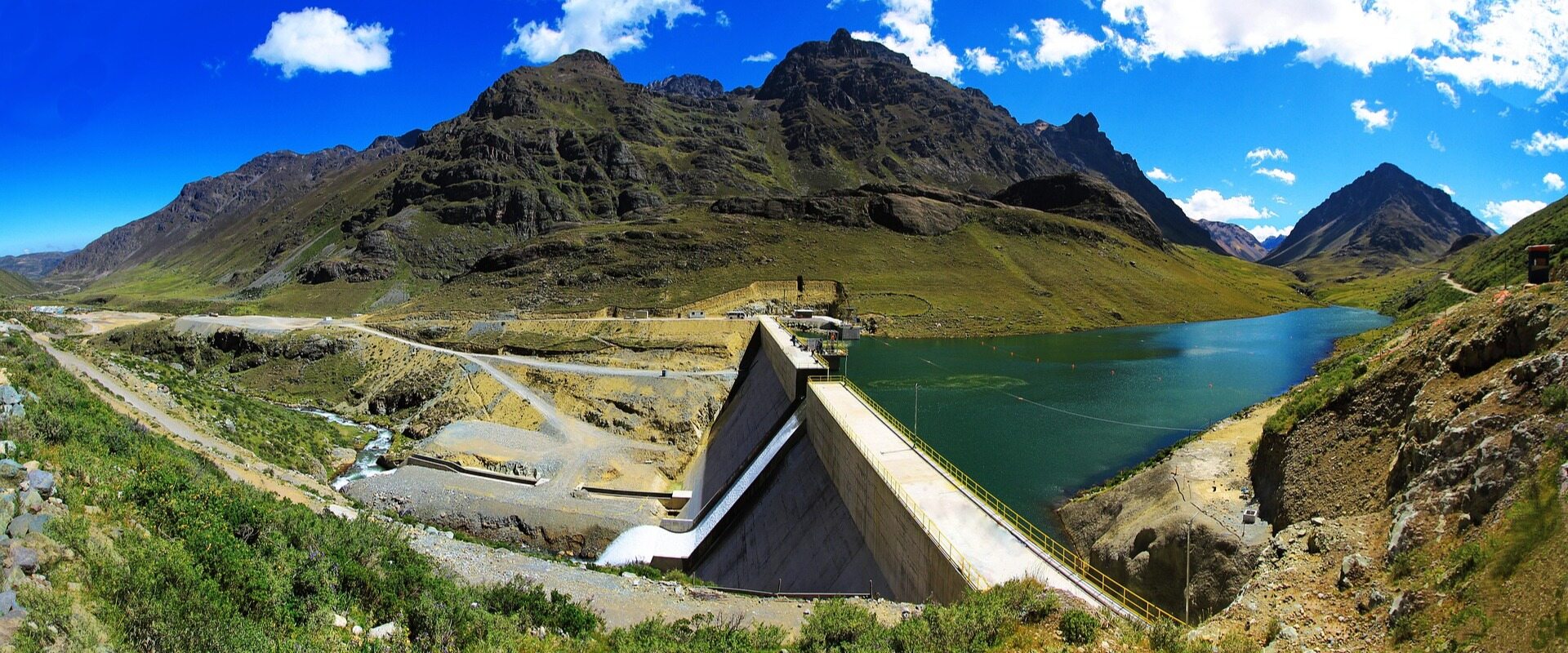
- Hydropower, which once supported half of Peru's electricity, is actively giving way to the wise
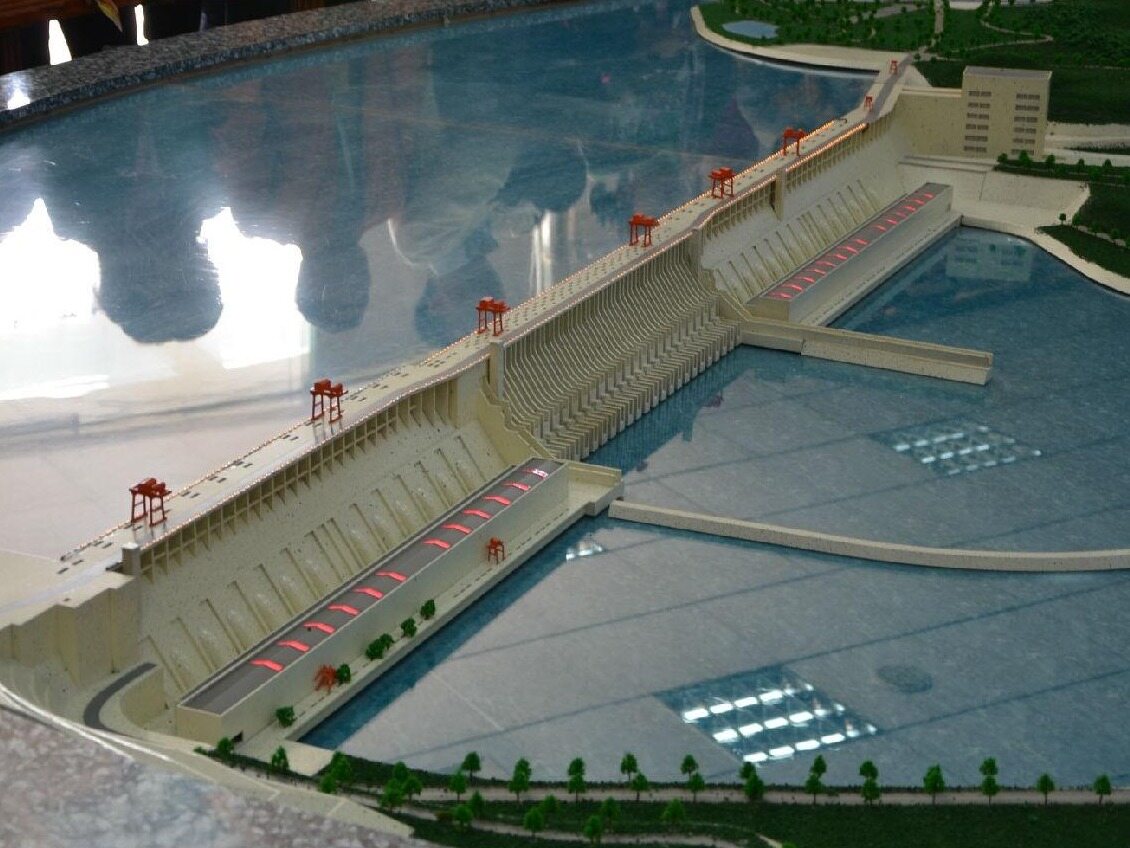
Hydropower, which once held a stable position in the power grid and supported half of Peru, is now undergoing a quiet yet deafening role revolution. Relying on the gifts of the Andes Mountains, hydropower was once the heart of Peru's industry and the guarantee of people's livelihoods.
However, in the face of the rapid development of photovoltaic wind power and the unpredictable nature of climate change, this big brother is actively shifting his investment from a simple power generation model worker to a voltage regulator for the power grid. This is not the beginning of decline, but an advanced evolution for survival.
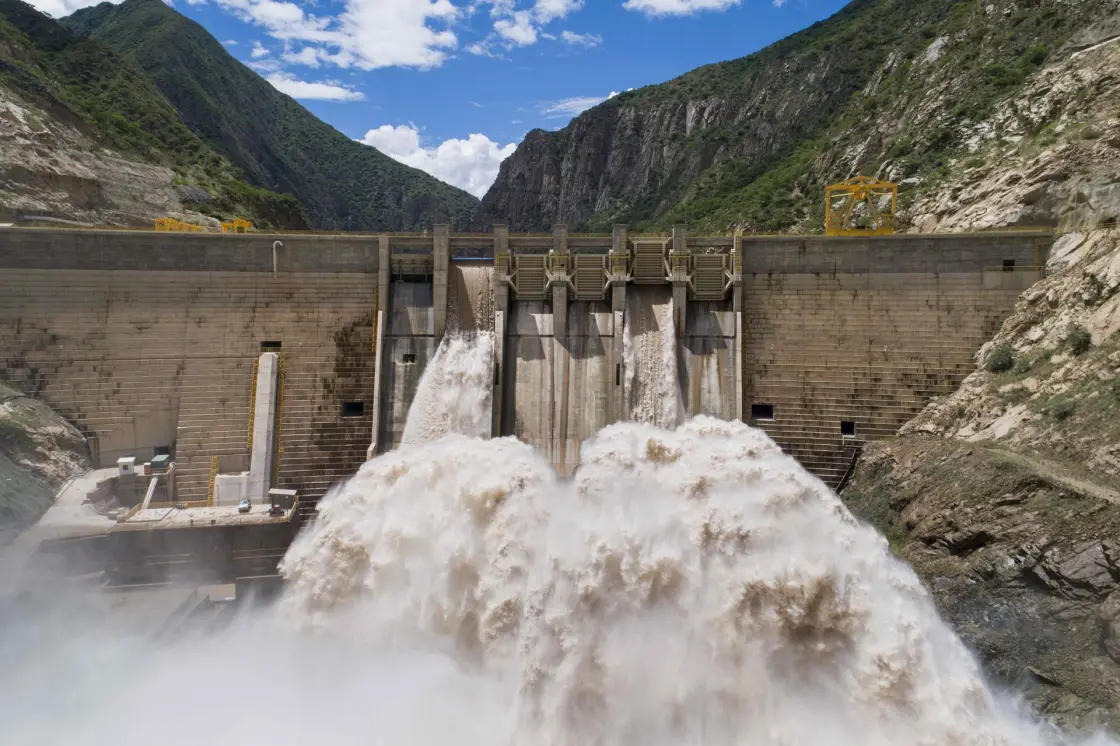
From single cantilever girder to the best supporting role
Data doesn't lie, but it can also deceive people. According to a GlobalData report, in 2024, Peru's large-scale hydropower installed capacity will account for nearly 30% of the country's total, with a power generation capacity of up to 47%, remaining an undisputed base load power source. But the script for the future has been rewritten: by 2035, the installed capacity of non hydro renewable energy will soar from 2.3GW to nearly 13GW, completely crushing thermal power. In this pattern, the mission of hydropower has changed - no longer pursuing the absolute value of power generation, but competing for gold content. The combination of hydropower and energy storage models, such as the Saint Overtime Project and battery energy storage, is the standard answer for the future: using the regulating ability of reservoirs to smooth out fluctuations in wind and solar power, and becoming the most reliable ballast for the power grid.
The tight spell of relying on the sky to eat
The transformation of hydropower in Peru is largely driven by thirst. Although backbone power plants such as Santiago Antunes and Cerro del Aguilar are still in their prime, they can only rely on oil and gas fired thermal power to sustain their lives during the dry season due to El Ni ñ o and perennial drought.
The forecast shows that even if the installed capacity increases to 6.2GW, the annual power generation will actually decline due to hydrological fluctuations. The highly dependent structure on hydropower makes national energy security vulnerable to climate change. Therefore, energy diversification is no longer an environmental slogan, but a necessity for survival.
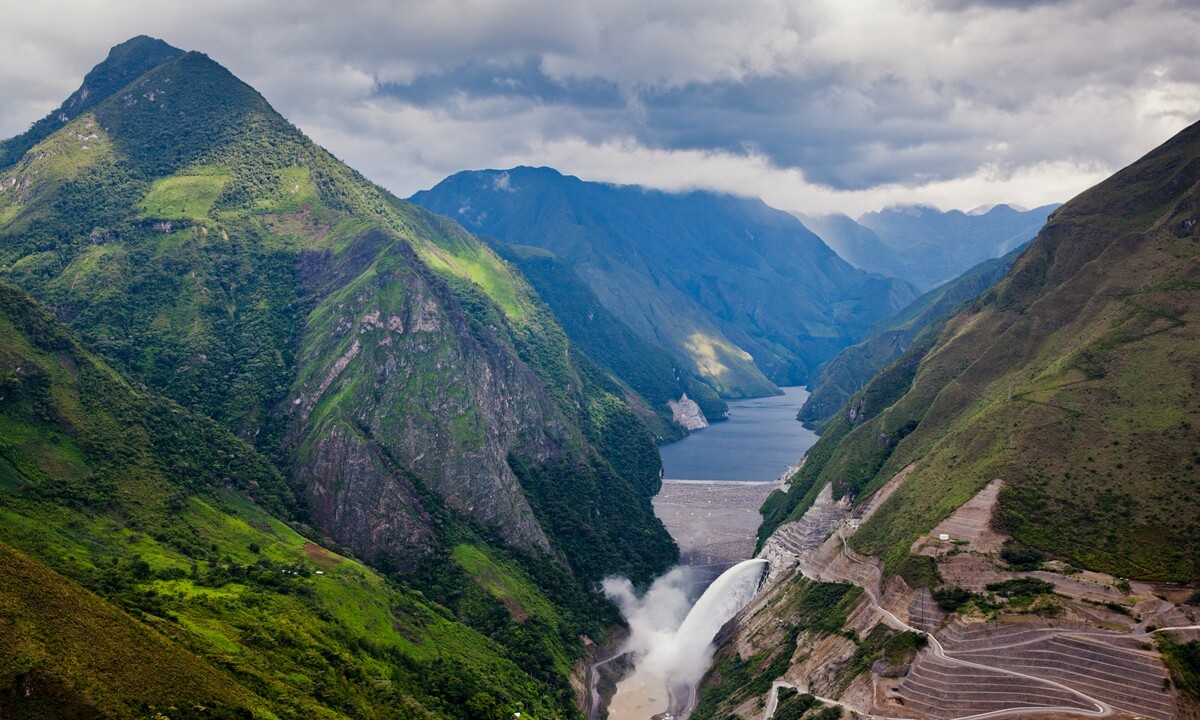
No longer blindly enclosing land
In the next five years, 27.7% of the investment in the power industry, about 2 billion US dollars, will still flow into hydropower, but the gameplay has completely changed. Capital no longer blindly believes that taller dams are better, but instead focuses on strategic projects such as the Chad Ding Phase II and the Mahes Xiguas Phase II, as well as small and medium-sized hydropower serving rural areas. As for the planned 7.55GW mega project Manseriche, despite its astonishing size, it has been shelved due to environmental and social controversies. This shows that Peru has learned wisely: it would rather have a modern power station that can flexibly adjust peak load than a giant that can cause social division. Keywords: Peruvian hydropower, energy transformation
Ultimately, the turnaround of Peru's hydropower is to avoid being eliminated in the ultimate goal of carbon neutrality by 2050. When photovoltaic wind power is responsible for charging forward, hydropower is retreating to the rear, using half a century of accumulated storage capacity and experience to hold the bottom line for this energy revolution. This is not an exit, but a dance with the scenery in a more advanced posture.Editor/Cheng Liting
Comment

 Praise
 Collect
 Comment

 Share
Share


Write something~