 Search


- Senegal's leap from 500 megawatts to 2 gigawatts is advancing deeper with energy storage as the axis
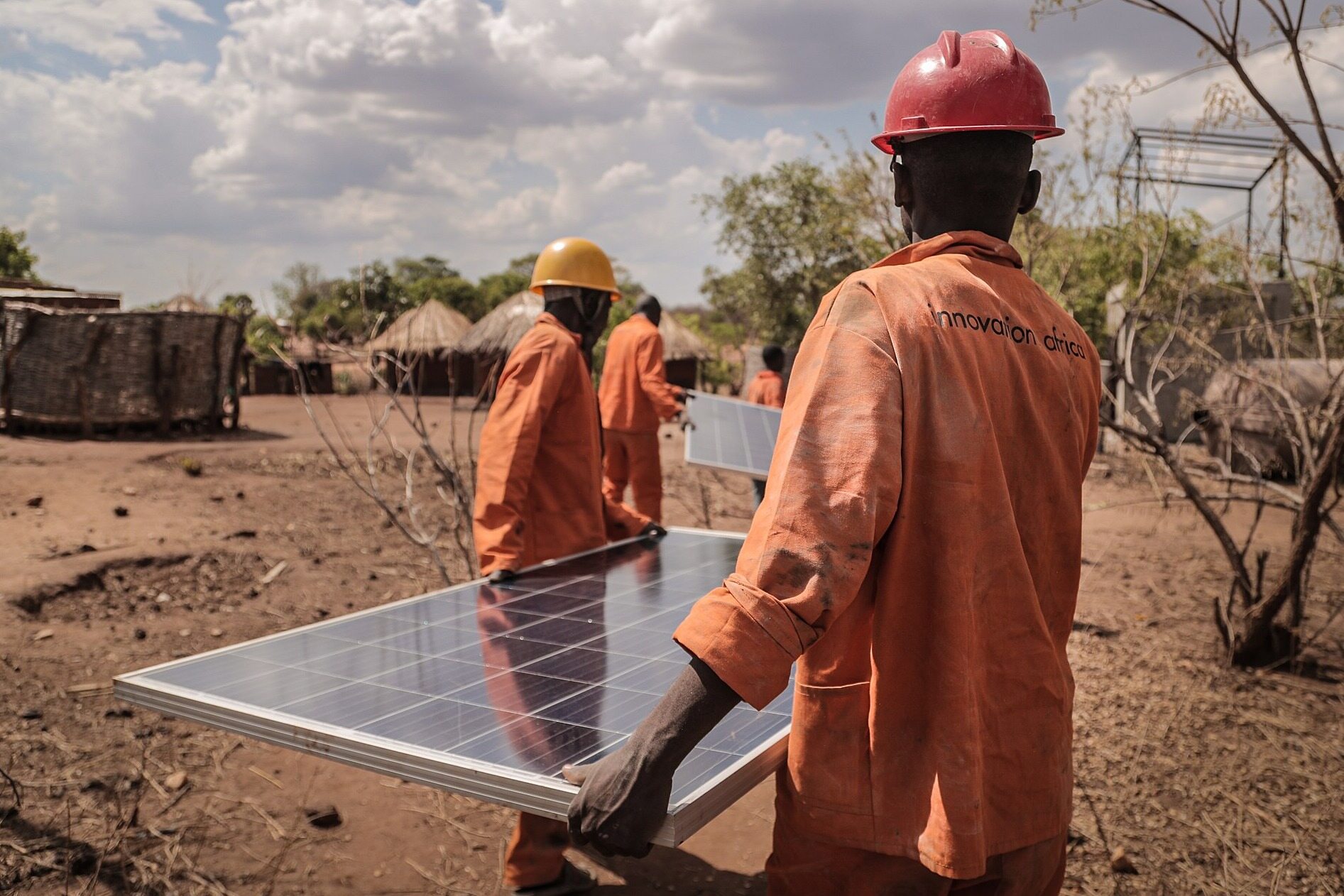
From 2004 to 2024, Senegal's installed power generation capacity jumped from about 500 megawatts to nearly 2 gigawatts, doubling its electricity consumption. This African growth engine, whose GDP has doubled in the past two decades, is standing at a crossroads of energy transition: renewable energy has accounted for 25% of installed capacity, but there will still be 312 power rationing events in 2024, with rural electrification rates only 60%, far from the 97% in cities. A systematic reform centered around energy storage is underway.
Concentrated landing of photovoltaic and energy storage
Senegal's deployment of renewable energy is accelerating. As of early 2026, the total installed capacity of solar energy in China reached 671 megawatts, ranking third in West Africa. Among them, utility scale power stations accounted for 307.5 megawatts, and household photovoltaic power reached 294 megawatts. In 2025, the first independent grid level energy storage project in West Africa, Walo Power Station (10 MW/20 MWh), will be put into operation, providing frequency regulation and black start services. The Taiba N'Diaye wind farm is equipped with 40 MW/160 MWh energy storage facilities, and the Niakhar integrated photovoltaic and energy storage project (30 MW photovoltaic+15 MW energy storage) is expected to be put into operation in 2026.
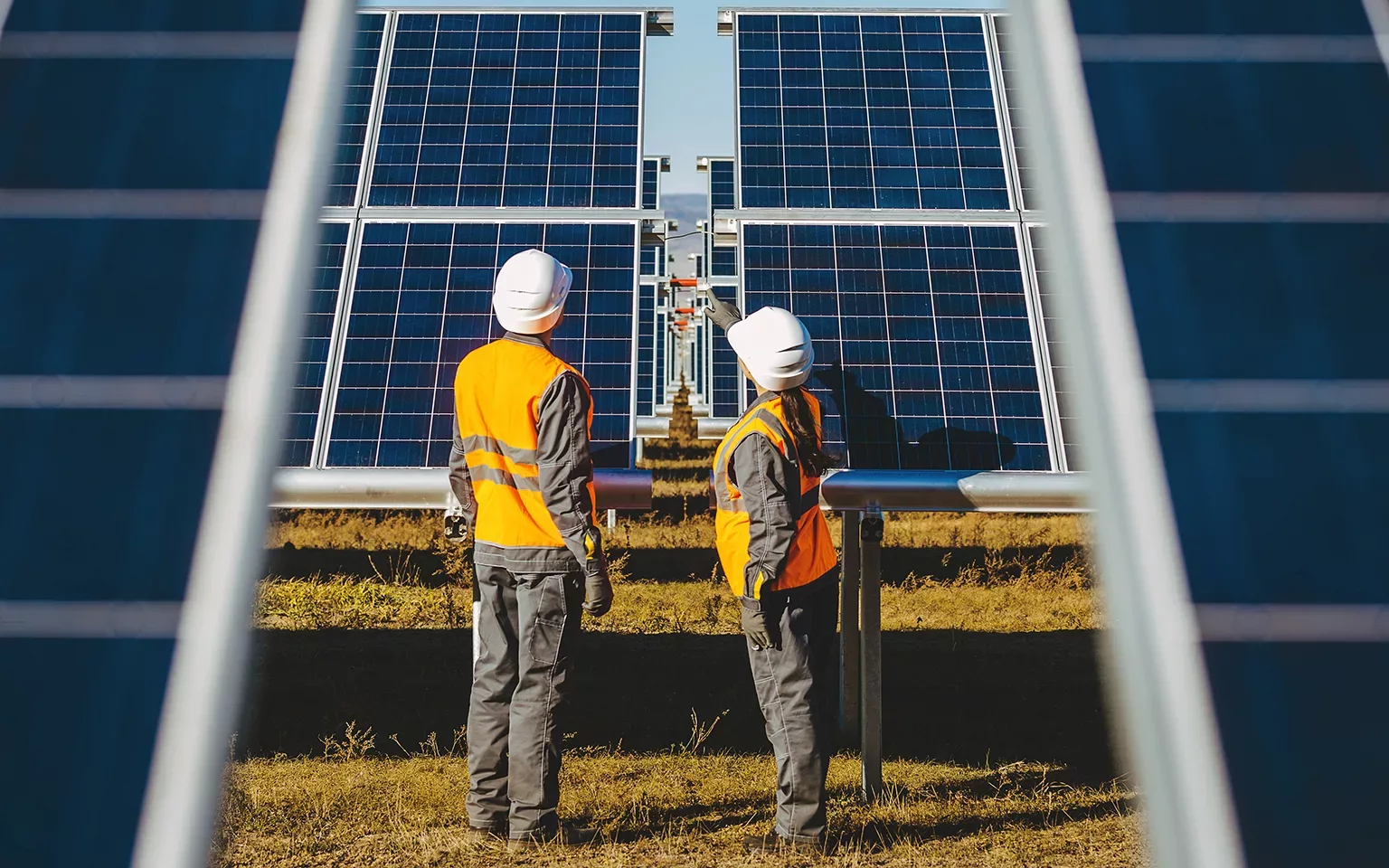
In early 2026, state-owned power company Senelec launched bidding for two major photovoltaic distribution and storage projects, Lingu è re (200 MW) and Kolda (300 MW), each equipped with 400 MW of energy storage. AXIAN Energy's NEA Kolda project has completed a financing of 72 million euros, with an installed capacity of 60 megawatts of photovoltaics and 72 megawatt hours of energy storage. It is expected to be connected to the grid in November 2026 and generate approximately 91 gigawatt hours of electricity annually, covering 235000 households. Senelec has signed a contract with a Chinese company to build two 50 megawatt photovoltaic power plants with 90 megawatt hour energy storage, which are planned to be put into operation between 2026 and 2027.
Microgrid deployment to rural areas
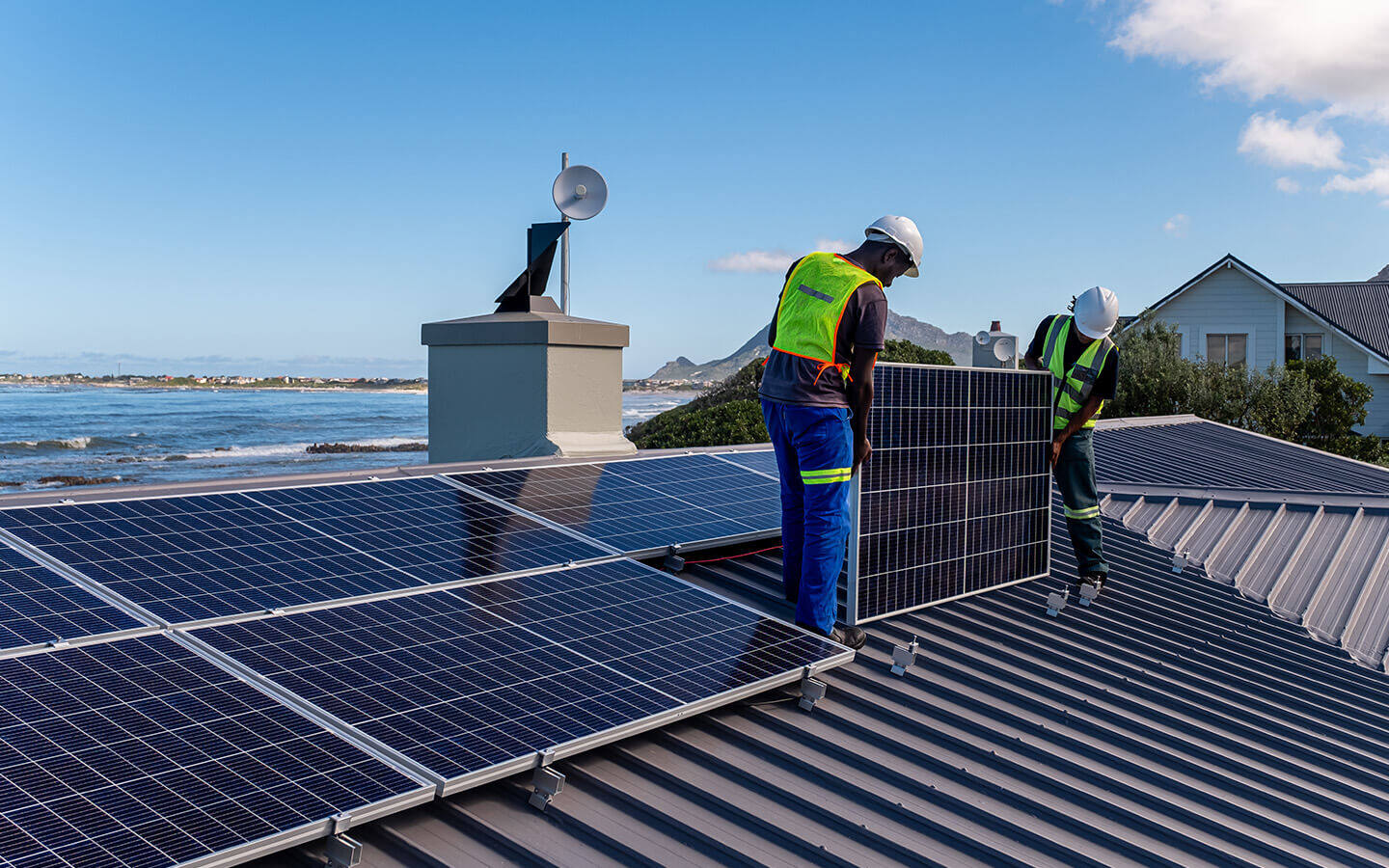
Rural electrification is another main line. Senegal plans to build 133 solar microgrids, including 31 in the Tambacounda region, with a total budget of 17.6 billion West African francs. In February 2026, the 63.9-kilowatt photovoltaic storage microgrid in S é goukoura village was put into operation, providing power to nearly 2000 residents. The self generation policy framework specifies that photovoltaic projects below 1 megawatt will adopt a filing system, opening up channels for distributed participation of industry and commerce. Keywords: national strategic development, energy strategy
Senegal is transitioning from a newcomer in oil and gas to a pioneer in energy storage. Triple the installed capacity, rural lighting, and Gobi energy storage - the core driving force of this energy transformation comes from a direct judgment: green electricity without energy storage cannot support the future of a West African manufacturing powerhouse.Editor/Cheng Liting
Comment

 Praise
 Collect
 Comment

 Share
Share


Write something~