 Search


Strategic construction
The Pinglu Canal unlocks three major highlights of the Century Project!
09-17
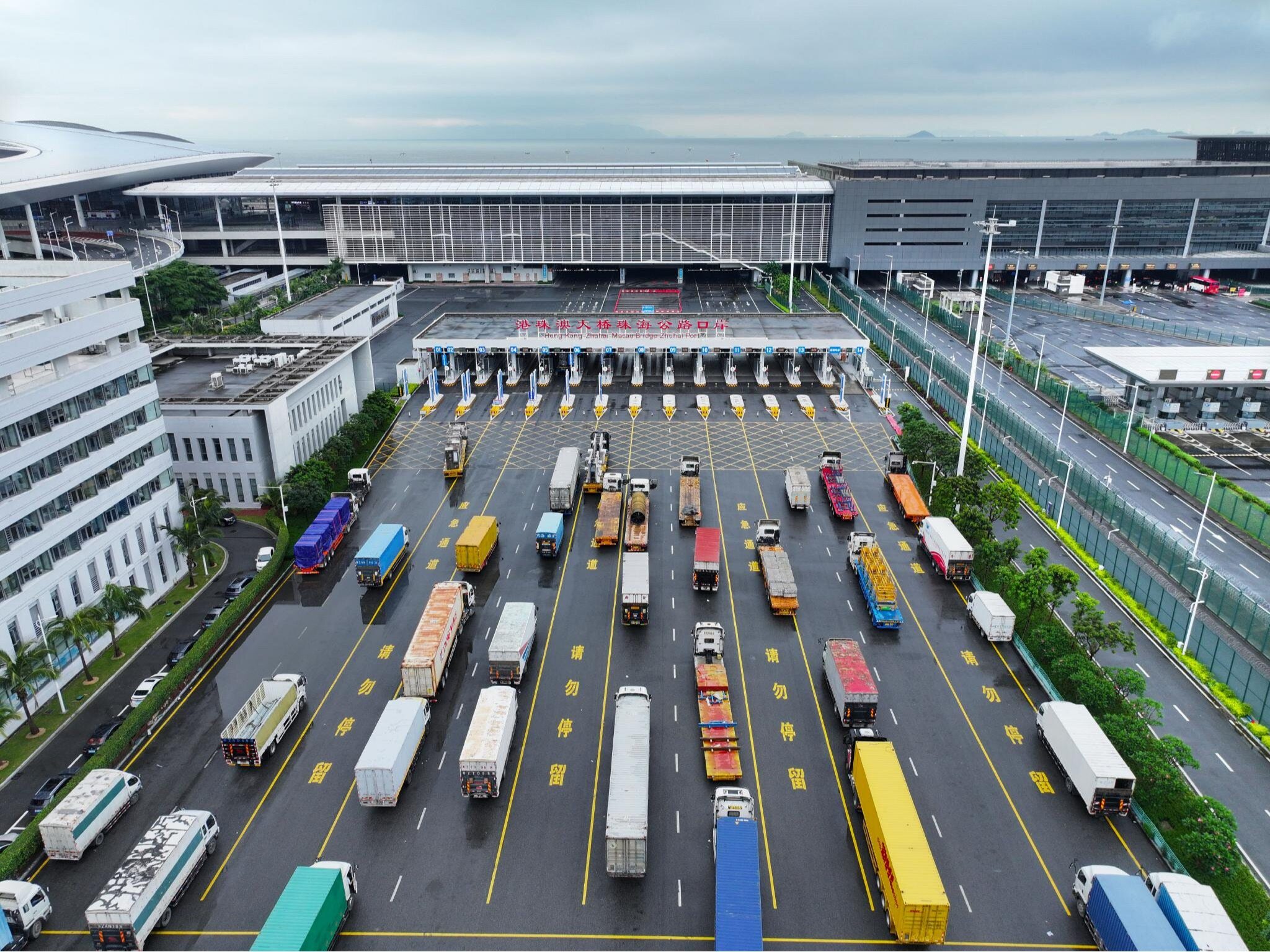
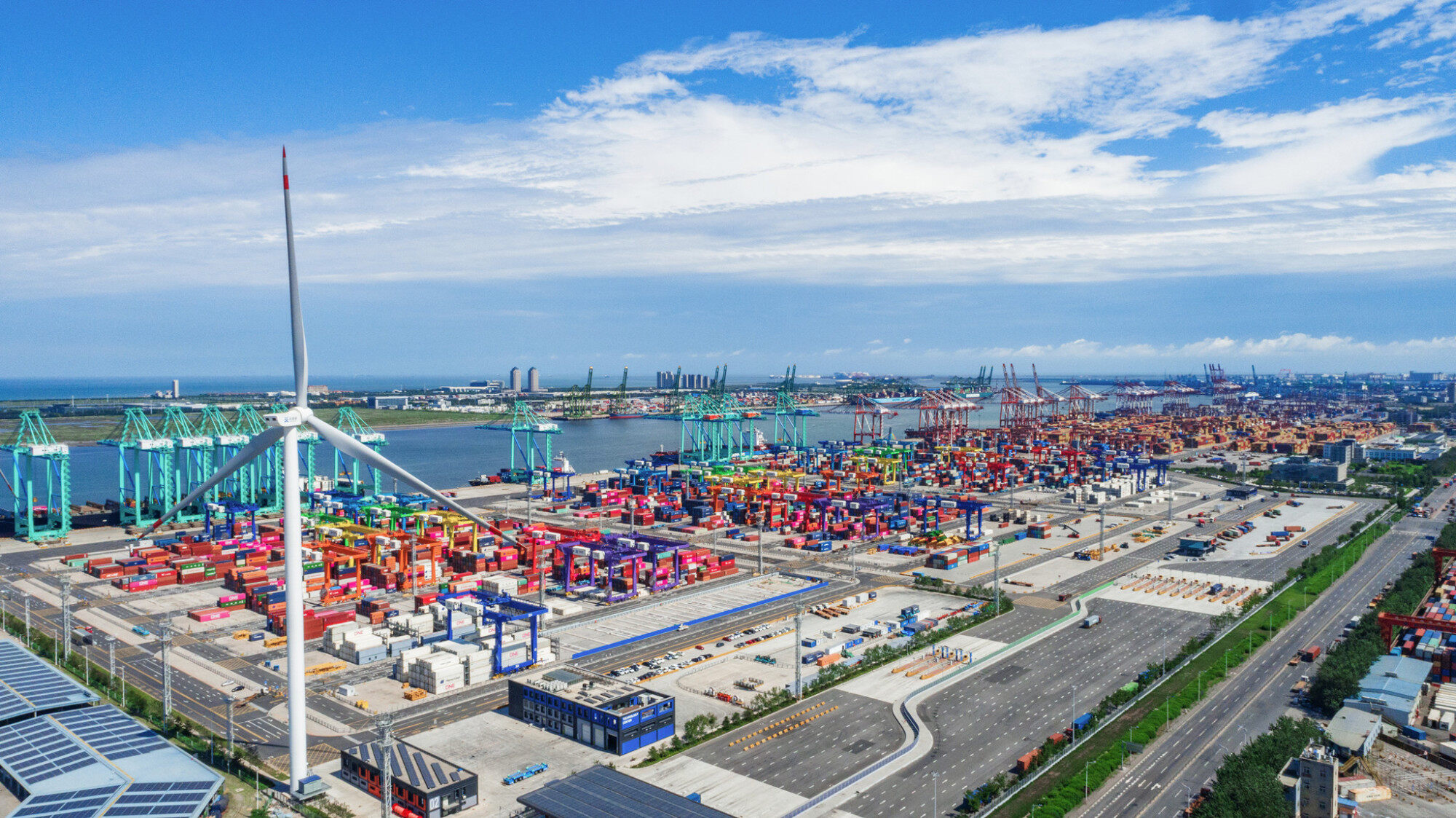
In the early morning of Tianjin Port, bridge cranes take off and land in the mist, and container trucks orderly pass along the unmanned lanes. This kind of scene will become common in more Chinese ports in the next five years - the State Council Information Office recently held a press conference, revealing that with the approval of the State Council, the General Administration of Customs and the National Development and Reform Commission have jointly issued the "15th Five Year Plan for Port Modernization", a blueprint related to the direction of national water, land, air and rail ports in the next decade has been officially implemented.
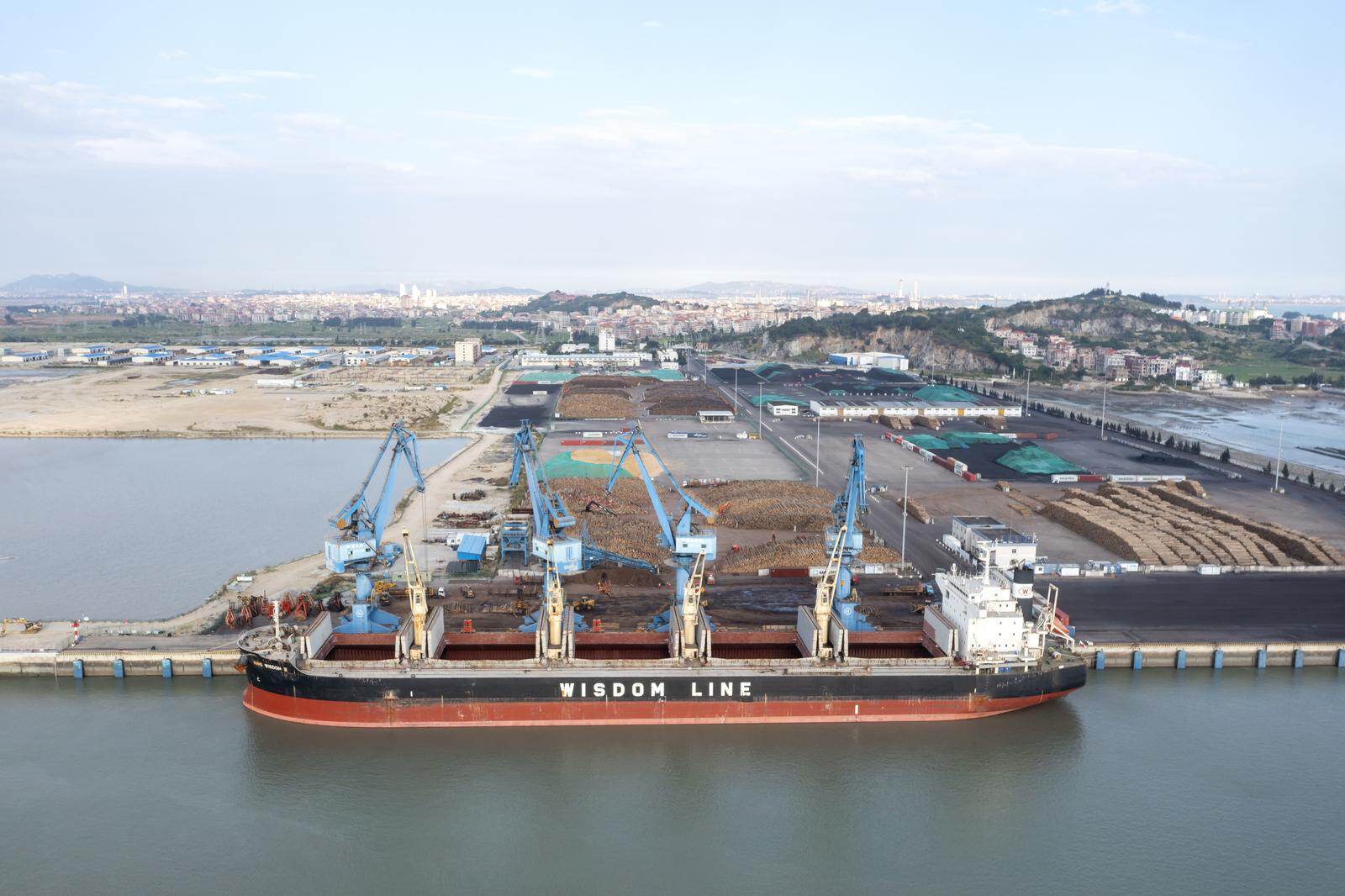
The most influential factor in the planning for coastal cities is a list of ports. Thirteen water transport ports' infrastructure and inspection facilities construction and renovation projects: Tianjin Port, Tangshan Port, Huanghua Port, Dalian Port, Dandong Port, Shanghai Port, Ningbo Port, Weifang Port, Rizhao Port, Yantai Port, Zhangzhou Port, Nansha Port, Yangpu Port; Fifteen water transport ports have entered the smart port construction project: Tianjin Port, Tangshan Port, Yingkou Port, Dalian Port, Taicang Port, Lianyungang Port, Zhoushan Port, Ningbo Port, Wuhu Port, Pingtan Port, Jiujiang Port, Weihai Port, Qingdao Port, Chenglingji Port, and Guangzhou Port. Two tables were merged to remove duplicates, and a total of 24 ports were approved to appear.
Upgrading the level of infrastructure renovation
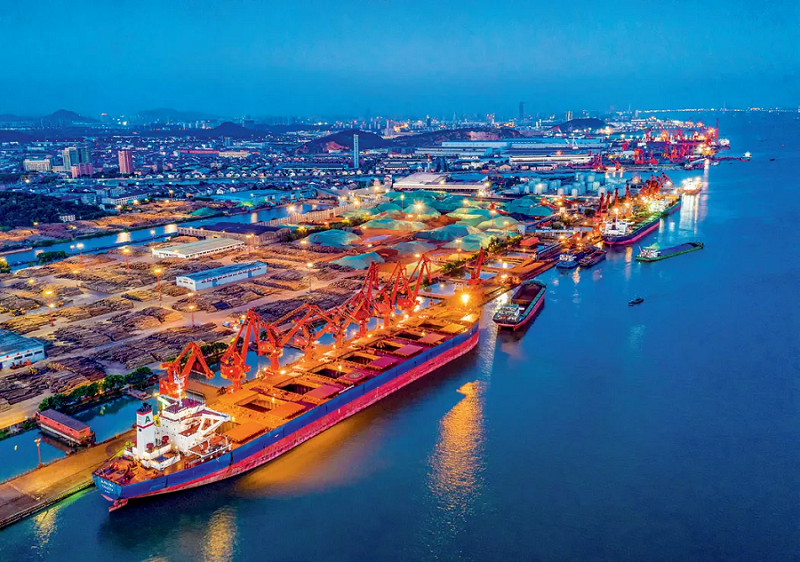
The ports included in the infrastructure renovation list will now have to do hard work. According to the planning principles, various regions will make up for their shortcomings, make breakthroughs in key areas, and make overall leaps. They will upgrade facilities for port inspection, border health quarantine, anti smuggling technical prevention, etc., improve unloading and storage channels and transit distribution channels, and promote capacity expansion for transshipment and transportation in accordance with multimodal transport standards. Services such as Yangpu Port serving Hainan Free Trade Port and Nansha Port radiating to the Pearl River Delta will further enhance the hub's carrying capacity in this round of renovation.
Smart Port Acceleration
The ports on the list of smart ports compete for soft power. The plan clearly promotes the deep integration of smart ports with smart customs, smart border inspections, smart transportation, and smart emergency response, increases the deep application of artificial intelligence+in operation management, customs supervision, and service guarantee, and promotes the construction of cross-border trade big data platforms and international trade single window digital bases. Ningbo Zhoushan Port appears in both tables, serving as both a hardware hub and an intelligent benchmark; By 2030, more than 90% of ports in China will be equipped with intelligent inspection equipment, and it will gradually become the norm for enterprises and the public to clear customs without feeling the pressure.
Two step construction of modern ports
The plan provides two milestones: by 2030, significant progress will be made in modernizing ports, with better spatial layout, more complete infrastructure, comprehensive promotion of smart construction, initial formation of green models, efficient cross-border interconnection, precise security prevention and control, improved governance capabilities, and a complete legal system; By 2035, Chinese path to modernization ports will be basically completed, serving high-quality development and high-level security. During the 14th Five Year Plan period, the port system has ensured the smooth closure of Hainan Free Trade Port and Hengqin Guangdong Macao Deep Cooperation Zone; During the 15th Five Year Plan period, we will anchor five types of ports: safe, efficient, intelligent, rule of law, and green. We will simultaneously optimize the layout of coastal, border, aviation, and inland waterways, and strengthen the linkage with China Europe freight trains, the Western Land Sea New Corridor, and inland ports.keywords:Engineering infrastructure,Infrastructure News
Draw a blueprint to the end, with 24 ports taking the lead. When the bridge crane is still up and down, but the data runs through the customs clearance process in the cloud, the next decade of China's ports has already begun from this plan.Editor/Yang Meiling
Comment

 Praise
 Collect
 Comment

 Share
Share


Write something~