 Search


- The strategy of supplementing the network and strengthening the chain of the national railway network is once again implemented
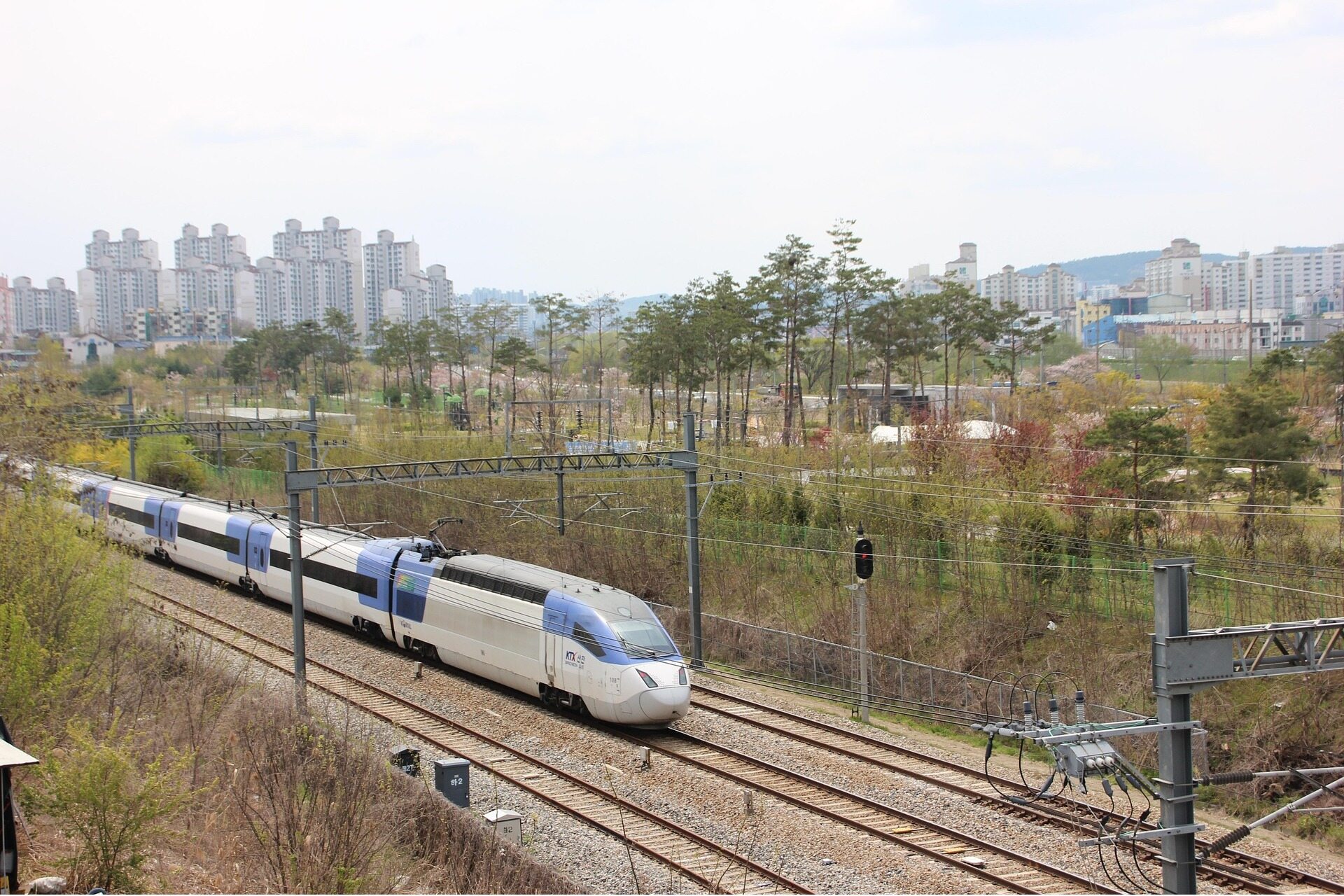
As of May 2026, except for Jiangxi, Henan, and Liaoning, 28 provinces in China have officially released the outline of the 15th Five Year Plan. Thirteen newly-built conventional railways have been clearly included in the construction plan, and the five major areas of Southwest, South China, Inner Mongolia, Northeast, Zhejiang, Fujian, and Jiangxi have been fully deployed.
Six new lines in the Southwest Plate
Dacun Zunyi Railway
The total length is about 140 kilometers, with a designed speed of 120 kilometers per hour. After upgrading to a high-speed railway, there is a gap in the original freight capacity of the Luzhou Zunyi Railway, and this line is filling the gap. At present, the preliminary procedures for feasibility study approval have been basically completed, and the survey and design of the Guizhou section have won the bid. The bidding for geological survey supervision and energy-saving evaluation services has been launched simultaneously, and it is a preparatory project for construction in Guizhou in 2026.
Nayong to Liupanshui Railway
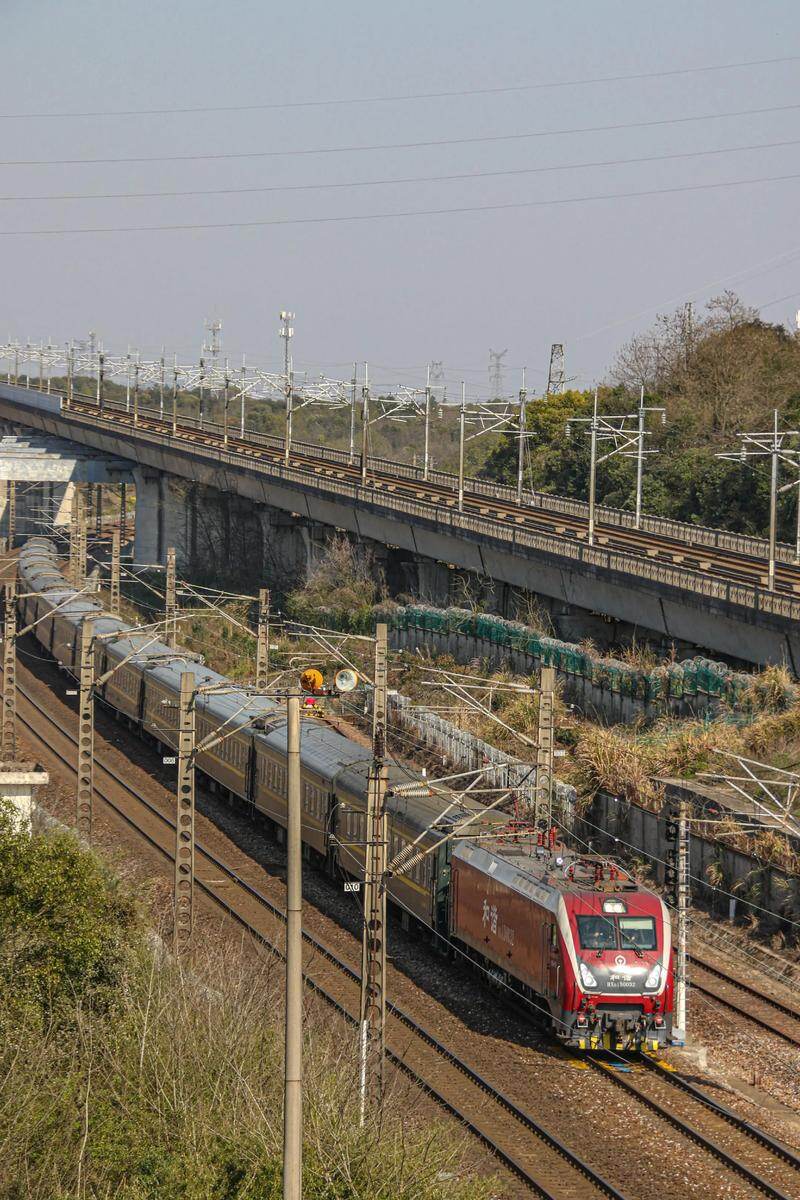
The total length is about 47.1 kilometers, with a designed speed of 160 kilometers per hour. The core task is to serve the transportation of billion ton coal fields in Zhijin and Nayong. The first environmental impact assessment public announcement was completed in April this year, and it has been included in the Guizhou 2026 planned construction project.
Zhaotong Qianjiang Railway
The total length is about 812 kilometers, with a designed speed of 160 kilometers per hour. It starts from Zhaotong, Yunnan, passes through Guizhou, and ends at Qianjiang, Chongqing. After completion, it will put an end to the history of multiple counties along the Guizhou route not being connected by railways. The Bijie Qianjiang section has passed the feasibility study review of China Railway Group, and the Zhaotong Bijie section has entered the stage of line coordination and preliminary survey.
Wenshan Jingxi Railway
The southwestern border railway is a component of the railway, with a total length of about 282 kilometers and a designed speed of 160 kilometers per hour, filling the gaps in the network of western Yunnan and southern Yunnan. The project has entered the feasibility study and evaluation stage, and the location drilling will be launched by the end of 2025. The plan is to start construction in 2026.
Pu'er Lincang Railway
It is also a component of the Yunnan Guangxi border railway. The feasibility study expert consultation was completed in 2017, and it was officially included in the China Railway Group's 2025 reserve construction project plan last year, with a high level of maturity in the preliminary work.
Dali Lijiang Panzhihua Railway
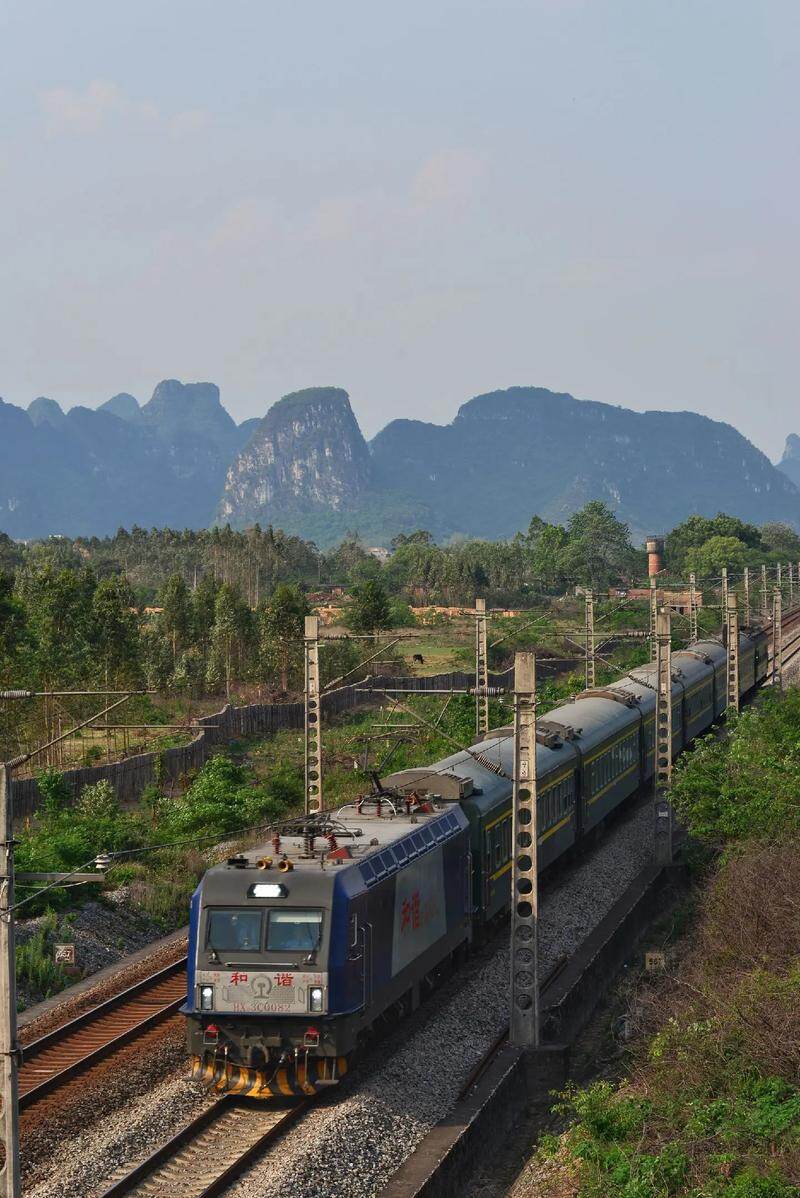
The total length is about 340 kilometers. The Dali Lijiang section is positioned as a high-speed railway with a speed of 250 kilometers per hour, while the Lijiang Panzhihua section is a mixed passenger and freight railway. The 15th Five Year Plan for Yunnan and Sichuan will be implemented in 2026, but at the national level, the preliminary work will be temporarily promoted based on conventional railways.
Two new lines in the South China Plate
Danzhou Yangpu Railway
The total length is about 64 kilometers, with a designed speed of 200 kilometers per hour. After completion, it will directly enhance the collection and distribution capacity of Yangpu Port and serve the construction of a free trade port. We won the bid for the preliminary feasibility study in the second half of last year and will be included in the provincial preparatory major project in 2026, with a focus on promoting the improvement of the feasibility study plan.
Liuzhou Guangzhou section of Liuguang Railway
The total length is about 231 kilometers, with a designed speed of 160 kilometers per hour, connecting the main freight channel from southwest to the Pearl River Delta. Guangdong was not directly mentioned, but the feasibility study bidding was initiated in March 2026 and the service bidding announcement was completed in April. Guangxi has explicitly proposed to accelerate construction during the 15th Five Year Plan period.
Two new lines in Inner Mongolia Plate
Huolinguole to Alshan Railway
The total length is about 376 kilometers, with a designed speed of 160 kilometers per hour. Geological exploration field work is expected to be completed by 2025, and construction is expected to commence by the end of the 15th Five Year Plan period. A line connecting resource development and tourism, balancing economy and ecology.
Chagan Deris to Bayanhot Railway
The total length is about 205.59 kilometers, and it is a first-class single track of the national railway. After completion, the history of no north-south mainline railway in Alxa Left Banner will be ended, forming a direct passage from Xinjiang Coal to Alxa to the mainland. At present, the preliminary review of land use has been approved, and efforts are being made to incorporate it into the national railway network planning and handle the integration opinions.
Two new lines in the Northeast Plate
Heihe Jiayin Wuyiling Border Railway
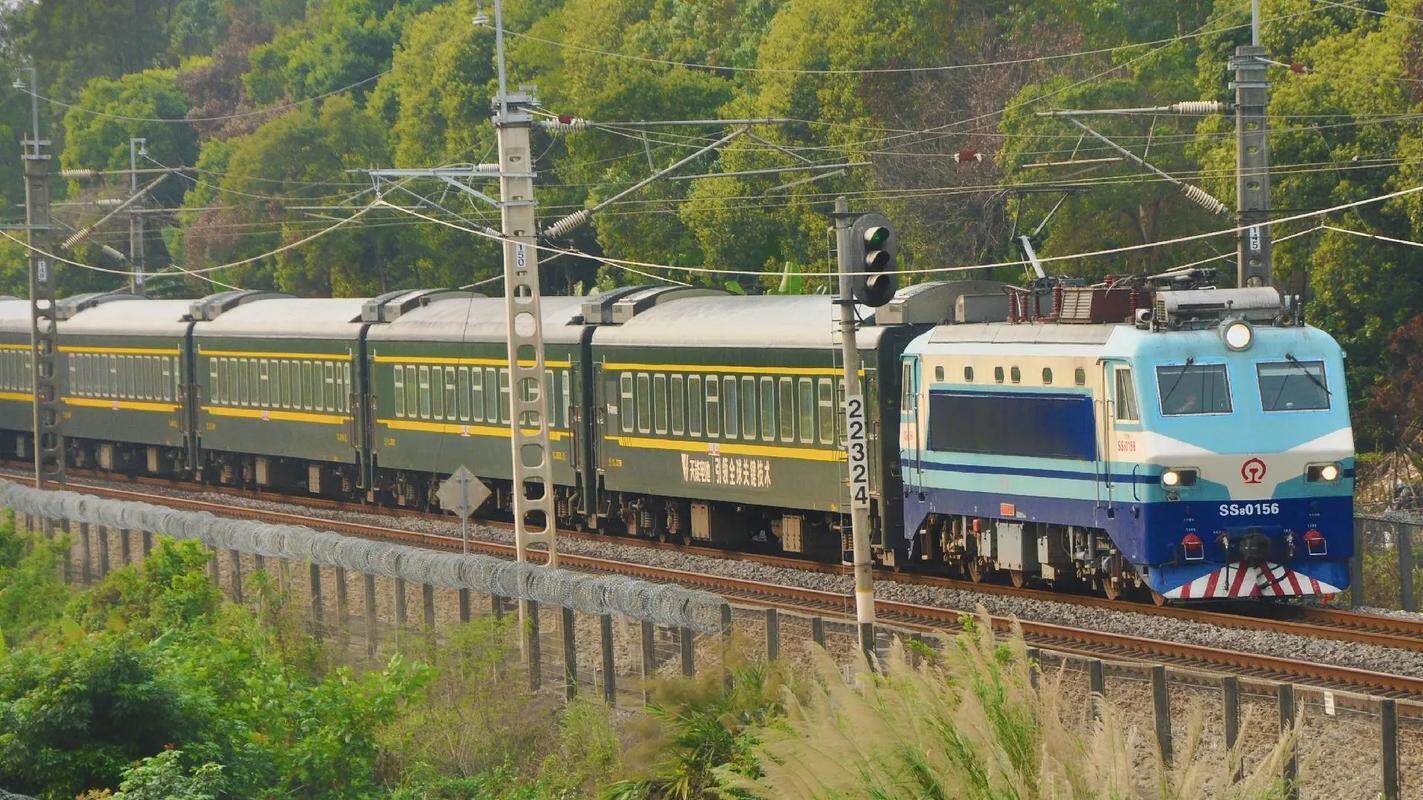
The total length is about 364.46 kilometers, of which 249.17 kilometers are newly built from Sunwu to Jiayin to Wuyiling. Make up for the shortcomings of the railway along the northern border of Heilongjiang and restart the preliminary work of the project in 2025.
Baoqing Yingchun Railway Phase II (Heilongjiang)
With a total length of 47.92 kilometers and a designed speed of 100 kilometers per hour, it undertakes the transportation of coal and grain from Baoqing to connect with the Fuqian Railway. The first public announcement of environmental impact assessment will be completed by the end of 2025, and the bidding for forest land assessment and other activities will be launched in February 2026.
One new line in the Zhejiang Fujian Jiangxi Plate
Wenwuji Railway
Connecting the three provinces in the central and eastern regions, it is one of the few conventional railways in the region that is expected to start construction. Fujian explicitly mentioned construction during the 15th Five Year Plan period, while Zhejiang mentioned planning and promoting it. Recently, Rui'an in Zhejiang Province publicly revealed key information: the road and land sides have reached a preliminary consensus -160 double lines, new investment to be borne by the local government, and the country reserving double lines for review. 2026 is the crucial year for pre feasibility study review, with construction expected to commence in 2028 and opening to traffic in 2031. Keywords: railway transportation
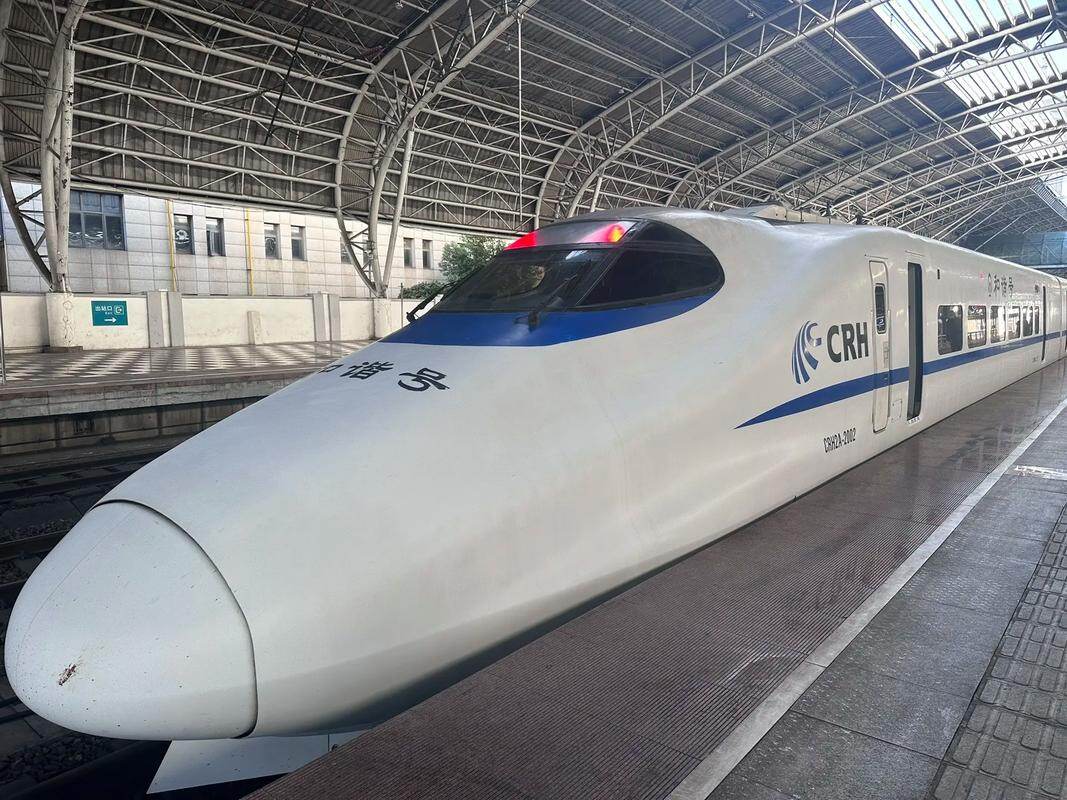
From the distribution of 13 routes, a clear logic is emerging: Southwest China focuses on energy channels and border opening, South China is closely linked to free trade ports and seaports, Inner Mongolia and Northeast China focus on resource export and road network filling, while Zhejiang, Fujian, and Jiangxi are seeking the greatest common divisor in inter provincial coordination. Most of these projects are in the deep-water zone of feasibility study approval or preliminary work, and the ones that truly start beam erection and pile driving are concentrated from 2026 to 2028. At that time, the strategic intention of connecting, supplementing, and strengthening the national railway network will be reflected in every rail from the planning text.Editor/Cheng Liting
Comment


 Praise
 Collect
 Comment

 Share
Share


Write something~