 Search


- A new 1435mm standard gauge line will be built, and the total throughput of the port is expected to increase to 39 million tons
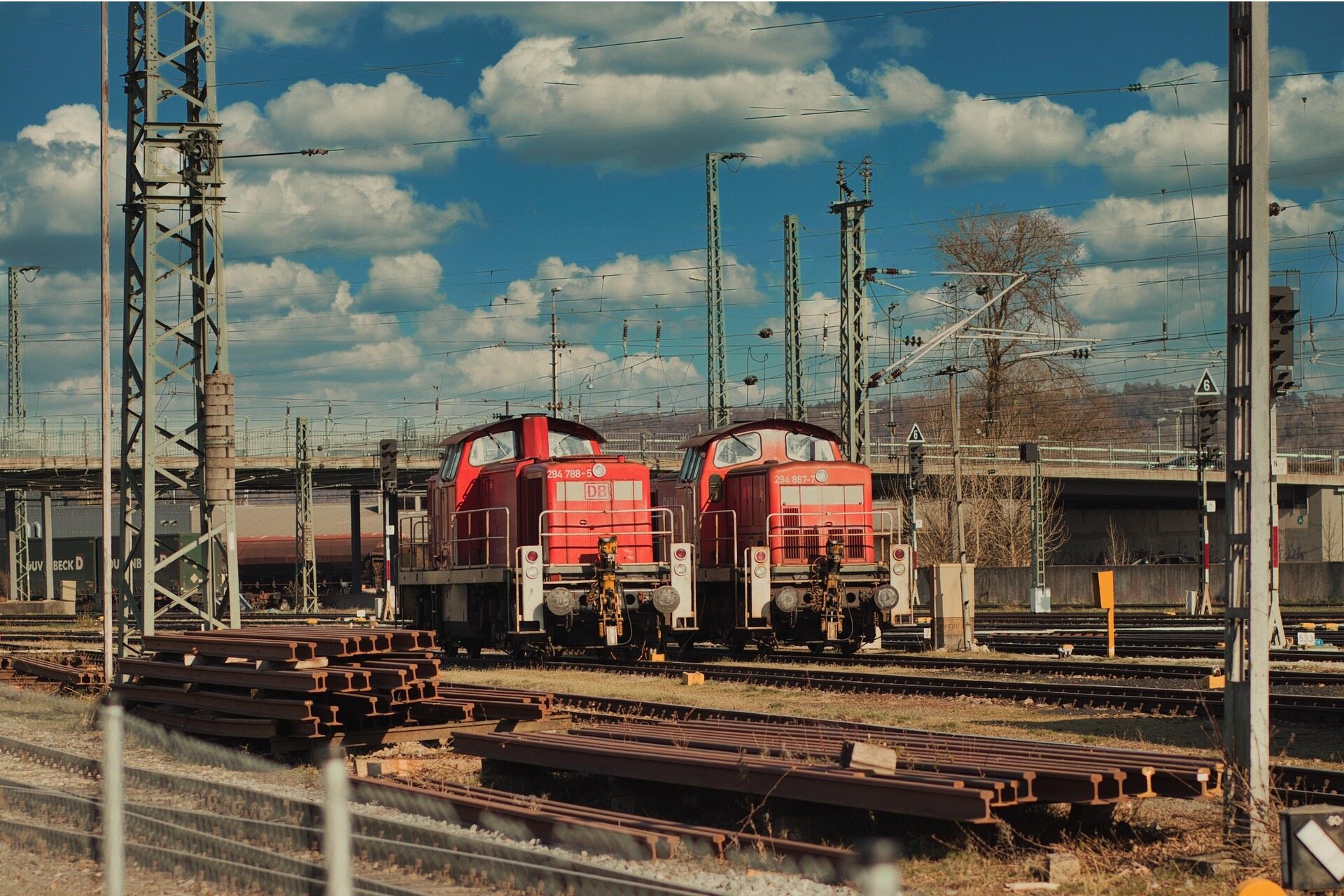
On May 20, 2026, during the meeting between the heads of state of China and Russia, the two sides officially signed the "Agreement on the Joint Construction of the Manzhouli Houbaijiarsk Cross border Railway 1435mm Gauge Second Line". Russian Transport Minister Andrei Nikitin and China State Railway Administration Director Song Xiude jointly signed a cooperation document and simultaneously signed a memorandum of understanding on cooperation in the field of talent development.
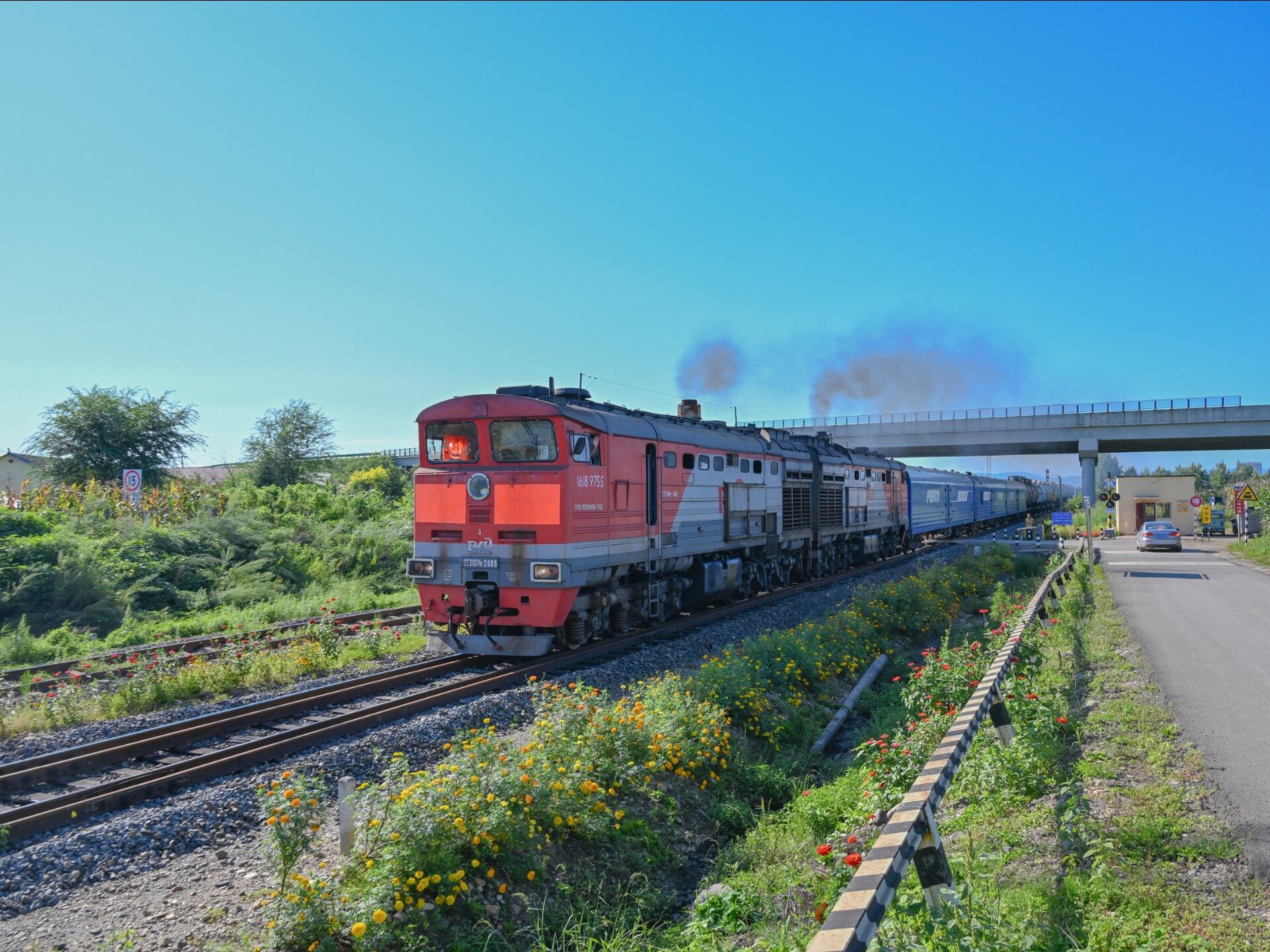
Manzhouli Houbaijiarsk Port is the largest railway port on the China Russia border, responsible for over 60% of China's trade with Russia through railway transportation. The two stations are only about 10 kilometers apart. For a long time, due to the difference in gauge between China and Russia - China's 1435mm standard gauge and Russia's 1520mm wide gauge - goods have to be reloaded at ports, severely restricting traffic efficiency. The implementation of this new line will fundamentally solve this bottleneck.
Standard gauge second line directly connects to China's road network
According to the agreement, China and Russia will jointly promote the construction of the second 1435mm standard gauge line from Manzhouli to Houbaijiarsk. After the completion of the new line, it will be directly connected to the Chinese railway network, completely eliminating the replacement process and significantly reducing logistics costs and time. The route adopts a one-way separation operation mode, which is equivalent to adding a two lane road to the port.
According to the plan, by 2030, the port will add an annual transportation capacity of about 11 million tons, and the total throughput is expected to increase to about 39 million tons. The daily freight train capacity will achieve a qualitative leap. Previously, China and Russia had already advanced preparations through a strategic cooperation agreement between railway companies. In February 2026, the Russian government officially approved the draft agreement. The signing of this intergovernmental agreement marks the full implementation phase of the project.
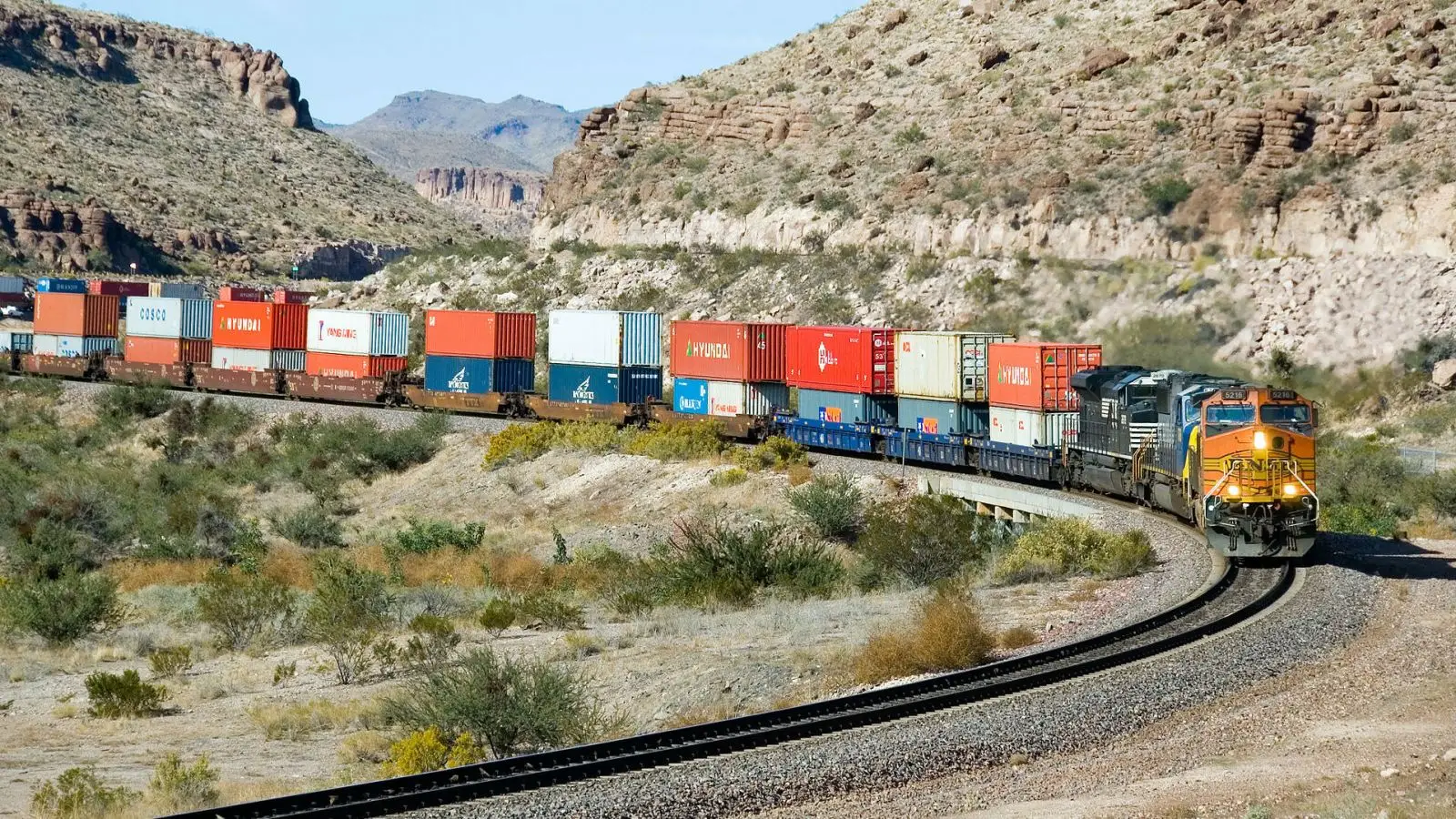
The strategic value of land-based channels is highlighted
In recent years, China's cross-border railway construction has accelerated comprehensively. The operation of the China Laos railway has continued to improve. The cumulative number of China EU trains has exceeded 100000. The China Kyrgyzstan Uzbekistan railway has accelerated. The construction of the China Mongolia second railway channel and the China Kazakhstan third railway channel has been synchronized. An international railway transport network connecting the Eurasian mainland and the Indochina Peninsula has accelerated to take shape. Keywords: interconnectivity, cross-border railway
In 2025, the annual freight volume of China Europe freight trains will exceed 2 million TEUs, a year-on-year increase of about 15%. Against the backdrop of increasing uncertainty in international maritime transportation, cross-border railways, with their stable and efficient interconnectivity advantages, are becoming a key support for the global supply chain.Editor/Cheng Liting
Comment





 Praise
 Collect
 Comment

 Share
Share


Write something~