 Search


- The cooperation between the two sides continues to deepen in fields such as new energy, digital technology, and aerospace
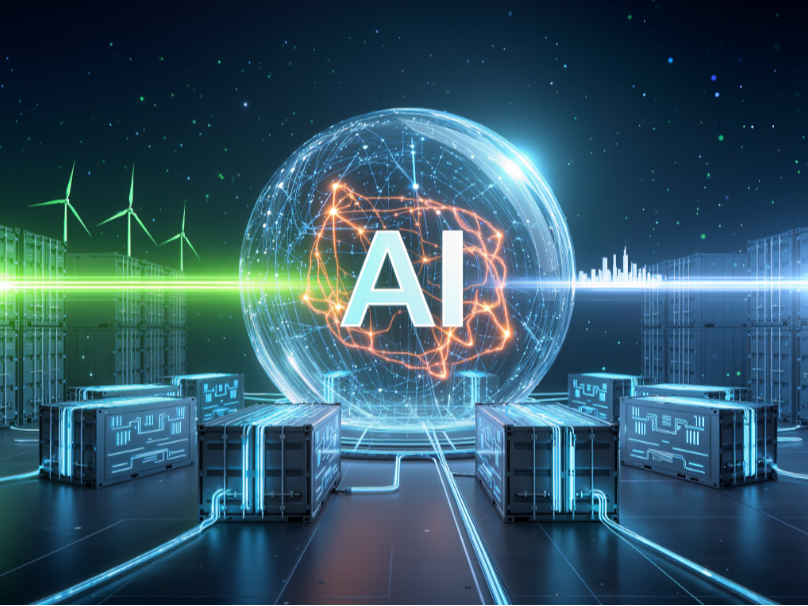
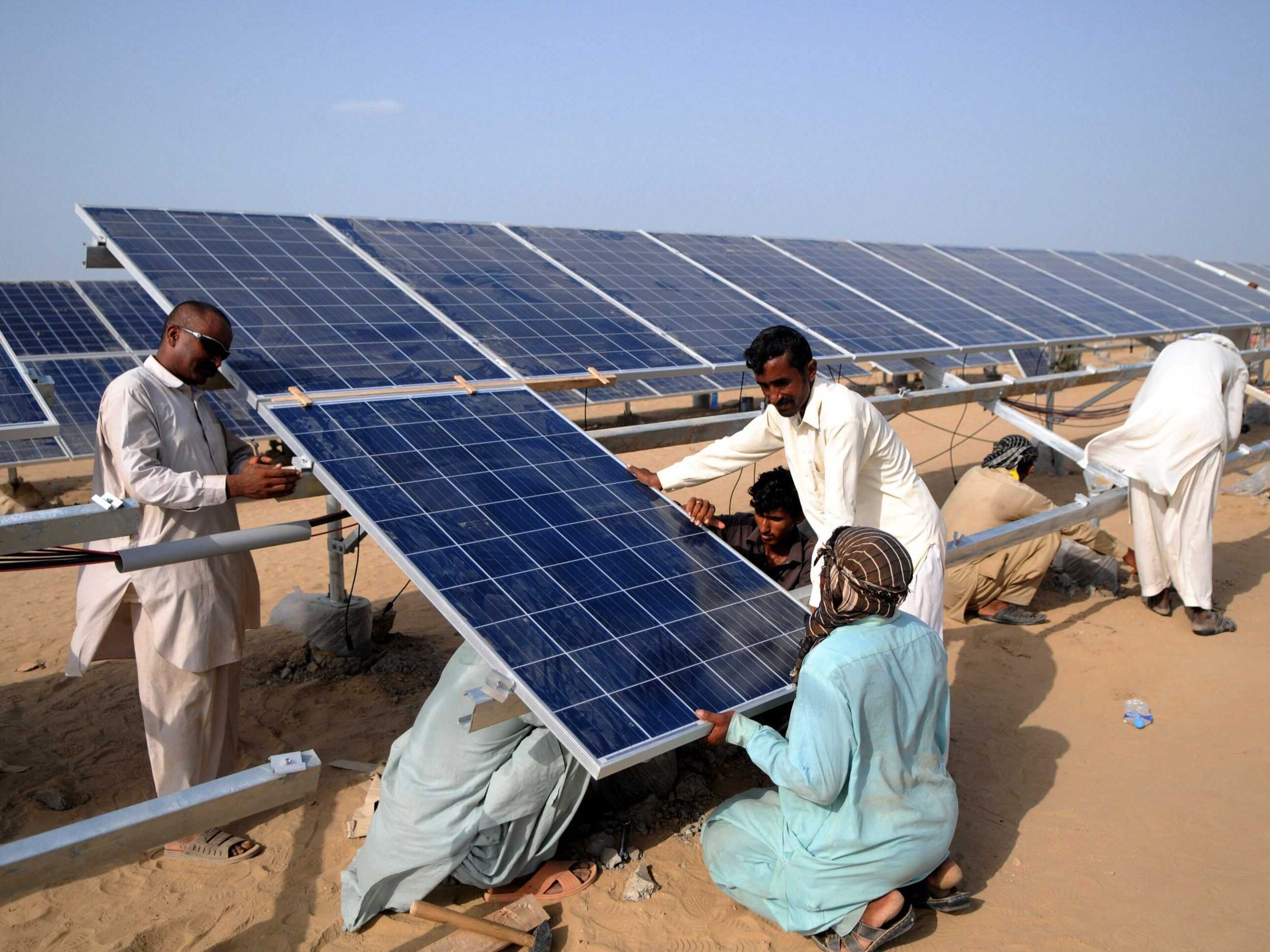
Under the scorching sun of Aswan, deep blue photovoltaic panels spread out like waves in the desert, and sunlight is silently converted into electricity, running along cables towards distant cities. Every ray of light here seems to tell the story of China and Egypt joining hands in the field of clean energy.
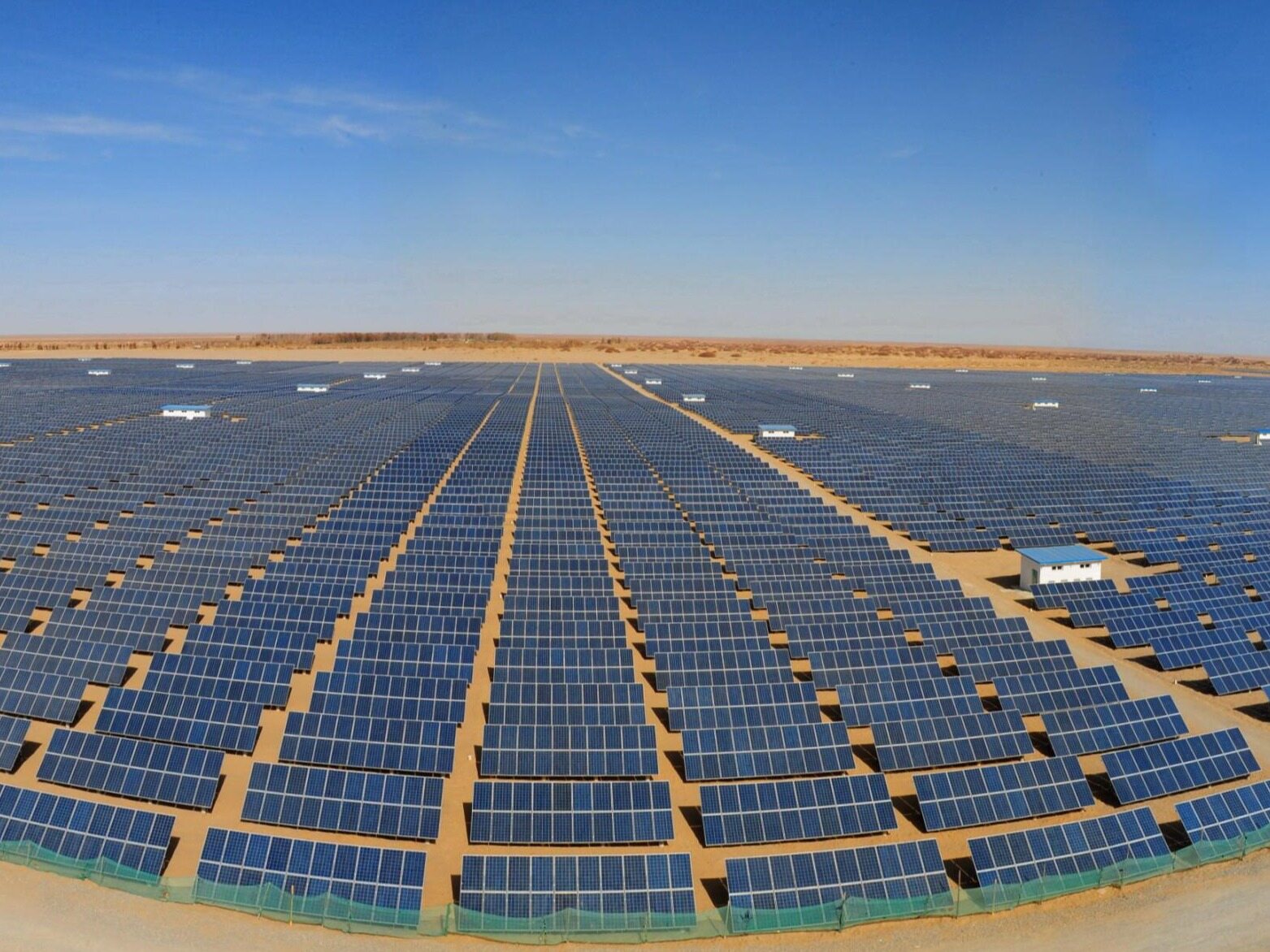
Combining photovoltaics and energy storage
Egypt has a strong demand for electricity and abundant wind and solar resources, and the government has set ambitious goals for new energy. Chinese companies have participated in the construction of multiple large-scale power plants, from Kangwengbo to our photovoltaic park, and then to the wind farm in the Gulf of Suez, with most of the equipment coming from China.
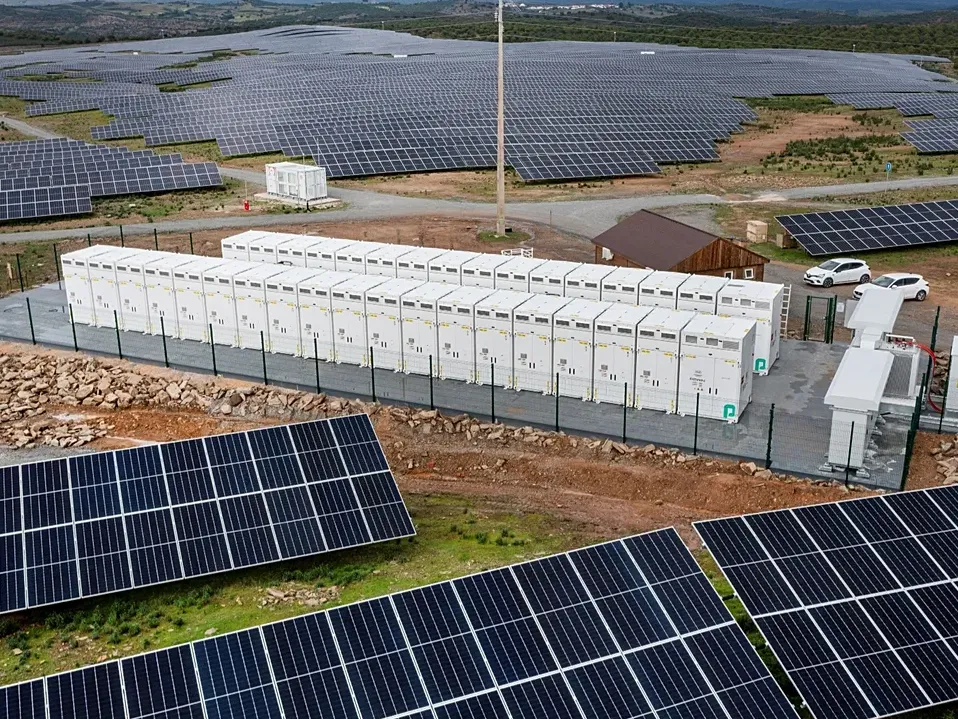
With the expansion of new energy grid integration, energy storage has become crucial. The Fangjianbei integrated photovoltaic and energy storage project, which was put into operation at the beginning of this year, is currently the largest photovoltaic and energy storage comprehensive power station in Egypt, capable of meeting the electricity needs of about 1.6 million households. Yuanjing Energy provides a new type of power system and AI energy storage technology for the project, which can operate stably even in high temperatures in the desert and respond flexibly to grid scheduling.
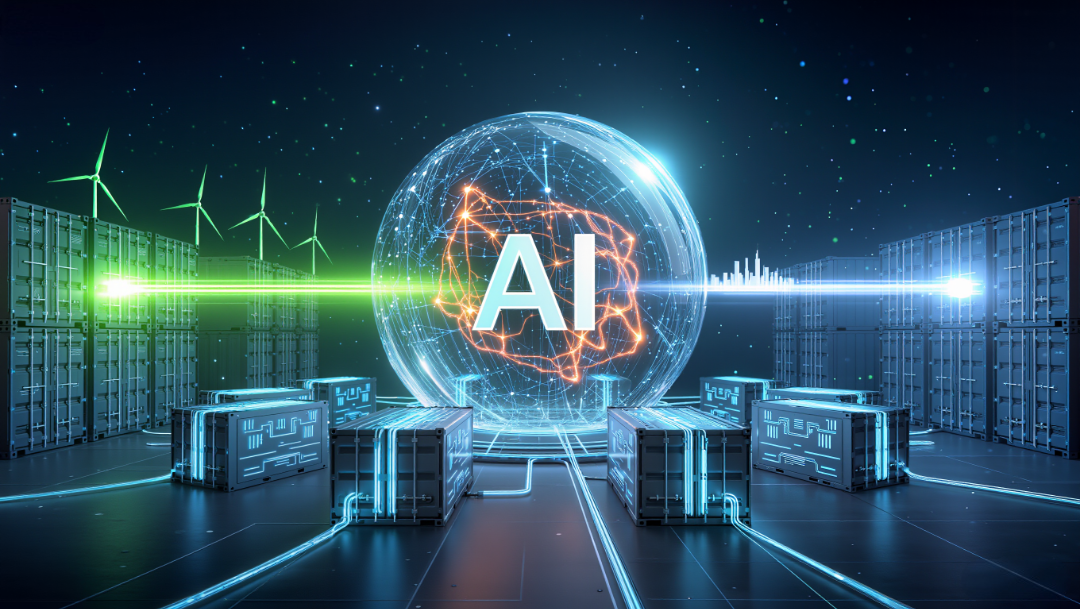
Digital collaboration lights up the future
Collaboration in the digital field is equally active. In the spring of 2024, the Egyptian government data and cloud computing center, which adopts Chinese technology, will be officially put into use, laying the foundation for the government's digital transformation. Subsequently, the first public cloud node operated by Chinese enterprises in Egypt was launched, which has now carried the business of more than 200 enterprises.
Software developer Ahmed Huli has developed an application that recognizes ancient Egyptian script using the artificial intelligence technology of this platform. Tourists only need to take pictures of hieroglyphs to obtain translations. He plans to further cooperate with the Chinese side, using VR and 3D technology to bring history to life and allow more people to immerse themselves in ancient civilization.
Aerospace and desertification control go hand in hand
At the end of 2023, China successfully launched the Egypt-2 satellite, making Egypt the first country in Africa to have complete satellite assembly and integration testing capabilities. On the mission badge of this satellite, the Great Wall of China and the pyramids of Egypt are connected, symbolizing the bond of technology and friendship. During the project implementation, Chinese and Egyptian technicians formed a joint team according to Chinese aerospace standards, and the Chinese side imparted key technologies to the Egyptian side.
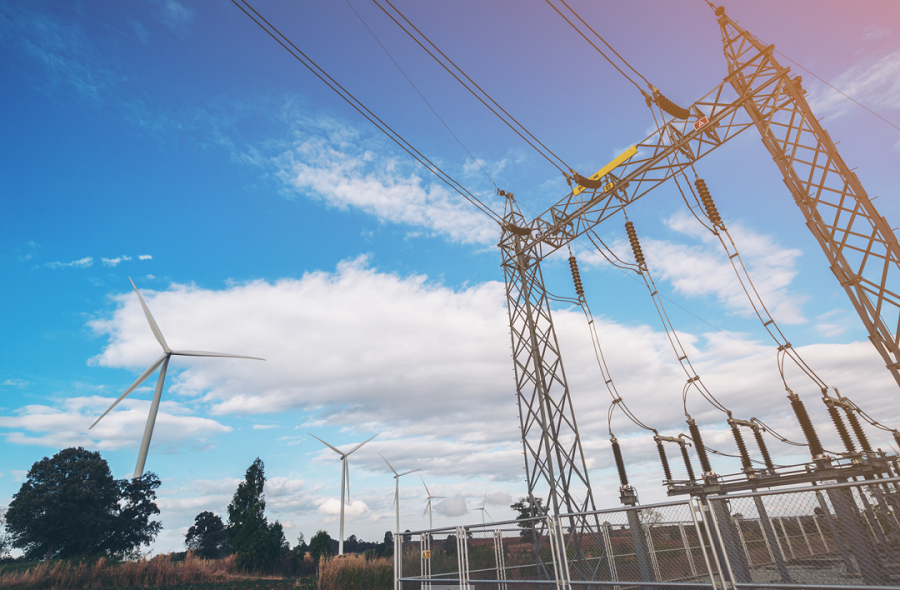
Faced with the challenges of a large population and limited arable land, Egypt vigorously cultivates deserts. In the northern New Delta region, Chinese power equipment companies provide advanced substation technology, build multiple substations, and deliver stable electricity to irrigation systems, leading the Nile River water to the depths of the desert and allowing crops to grow on barren beaches.keywords:New energy news
From satellite launch to photovoltaic landing, China Egypt cooperation is accelerating on the path of intelligence, greenness, and integration. As the Egyptian Prime Minister has said, on the occasion of the 70th anniversary of the establishment of diplomatic relations, the two countries should seize the opportunity and continue to write more chapters of cooperation across mountains and seas.Editor/Yang Meiling
Comment

 Praise
 Collect
 Comment

 Share
Share


Write something~