 Search


- South Africa's Eskom invests special funds to coordinate the retirement of nuclear coal power plants and investment in clean energy
In the Eskom headquarters building in Johannesburg, the latest annual report has officially finalized the allocation plan of 21.3 billion rand for the transformation special fund. South Africa, one of the world's most coal dependent economies, has finally taken a substantial step on the path of energy transformation.
In 2026, Eskom's after tax profit reached 30.3 billion rand, doubling year-on-year, providing a rare financial buffer window for this transformation investment with a total scale of approximately 8.965 billion yuan, and also opening up the possibility of breaking South Africa's long-standing energy transformation deadlock.
Orderly connection between new and old energy sources
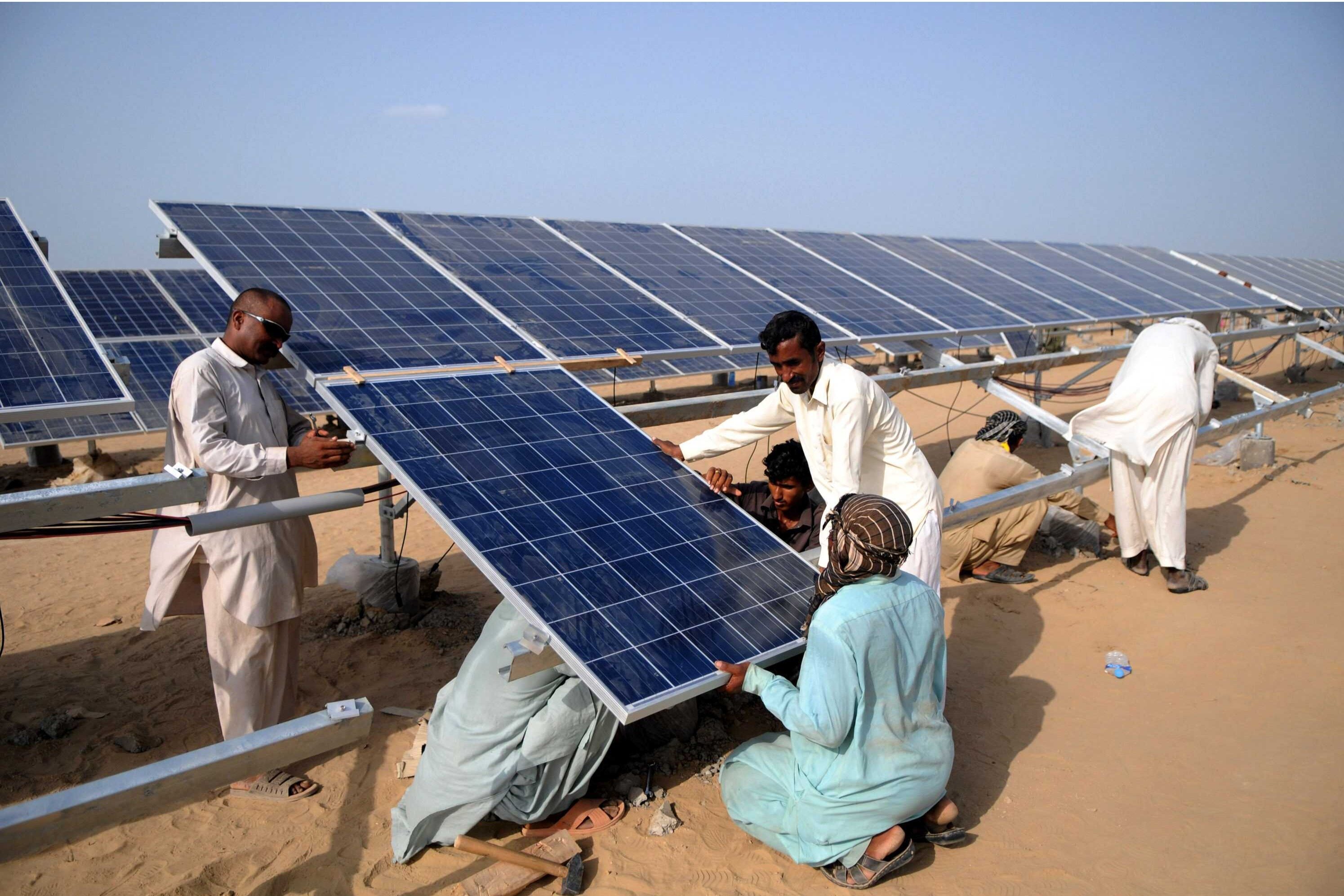
Of the 21.3 billion Rand special funds, 9.8 billion Rand will be invested in clean energy projects, accounting for nearly 46%, which is the highest share among all sectors. It will directly target Eskom's newly established independent operating platform, Eskom Green, to accelerate the development and implementation of renewable energy projects such as photovoltaics and wind power.
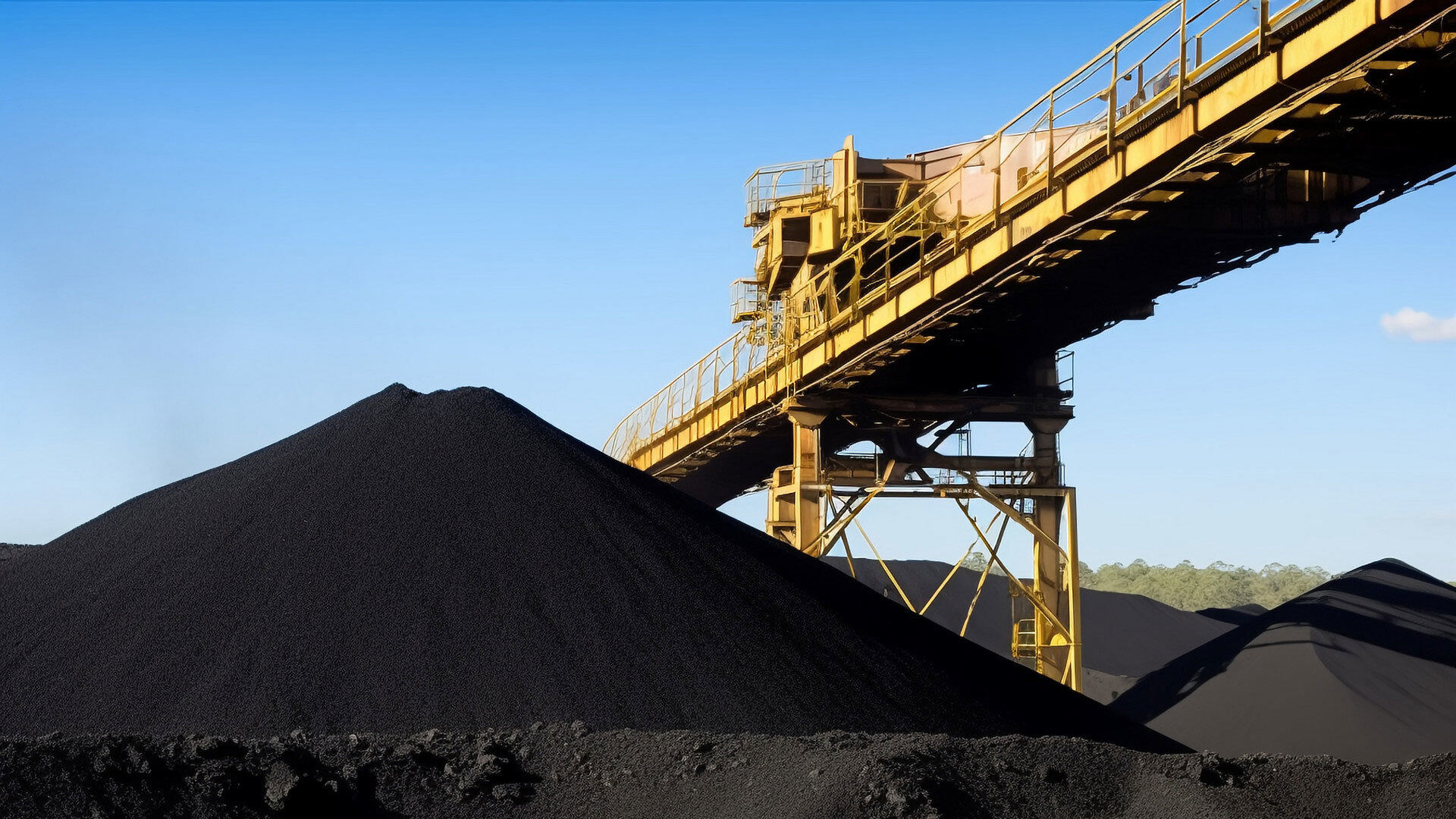
The 4.3 billion rand nuclear facility retirement funds will be prioritized for the pre retirement preparations of Koeberg, the only commercial nuclear power plant in South Africa. Although the two units have been granted a 20-year life extension, early activation of technical reserves and site planning remains a mandatory requirement for South African nuclear safety regulation. The 7.2 billion rand retirement funds for coal-fired power units will be used to support the shutdown of five old coal-fired power plants by 2030, with three of them having been postponed to 2030, leaving sufficient buffer space for a smooth transition of the power grid.
Profit and Debt Game
As of the latest year in March 2026, Eskom's after tax profit reached 30.3 billion rand, more than double the previous year, with a 13% increase in electricity prices and a significant reduction in diesel spending being the core reasons for profit growth. However, at the same time, Eskom's total debt remains as high as R356.2 billion, and the accumulated arrears of electricity bills by local governments have reached R119.9 billion. The huge debt and arrears quagmire may still interrupt the pace of transformation at any time. According to South Africa's 2025 Comprehensive Resource Plan, by 2030, the country needs to add 11270MW of photovoltaic and 7340MW of wind power installed capacity, with a total investment of about 2.2 trillion rand. The 21.3 billion rand this time is only the first start-up capital for the transformation, and the subsequent large-scale implementation still needs to solve the multiple contradictions between debt, power supply security, and emission reduction targets. Keywords: international news, energy news
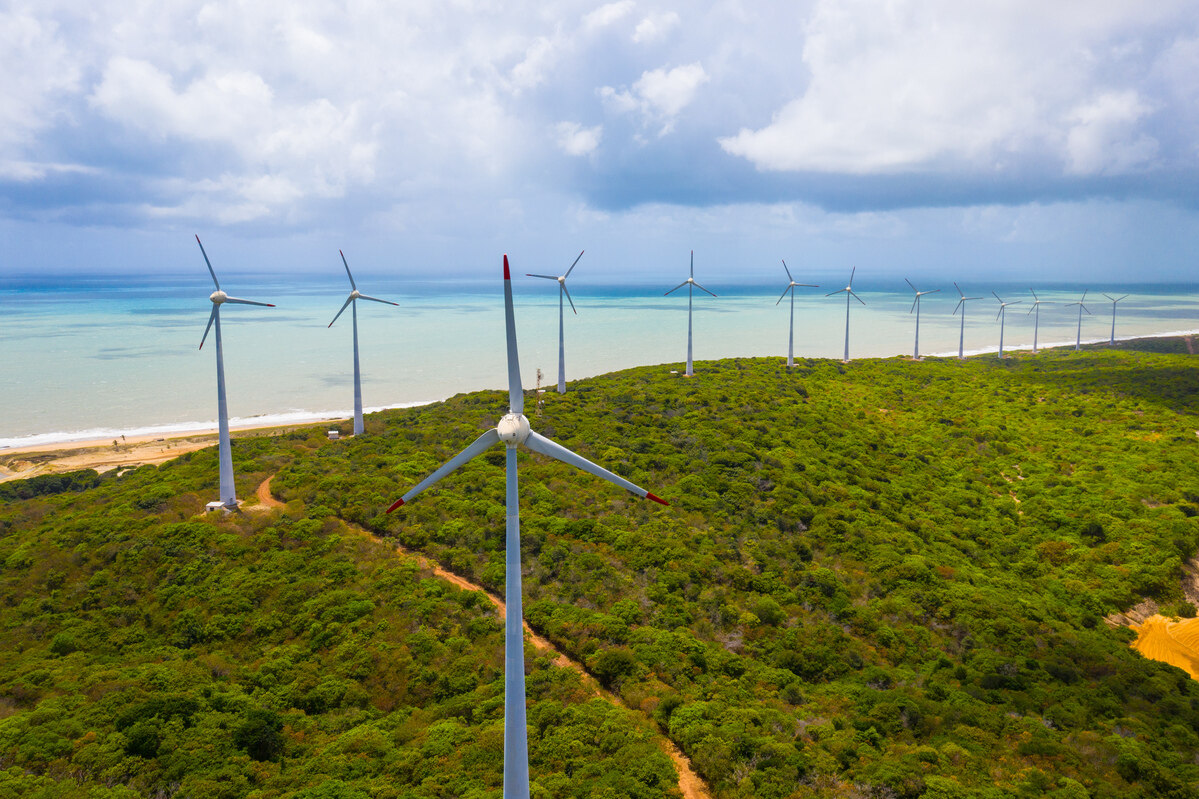
From the Koeberg nuclear power plant near Cape Town to the contiguous coal-fired power plants inland, South Africa's energy landscape is slowly but firmly transitioning towards a diverse and clean new structure, driven by the 21.3 billion rand.Editor/Cheng Liting
Comment



 Praise
 Collect
 Comment

 Share
Share


Write something~