 Search


- The EU spends 550 billion euros to build a high-speed rail network across Europe, cutting travel time between capitals by half by 2040
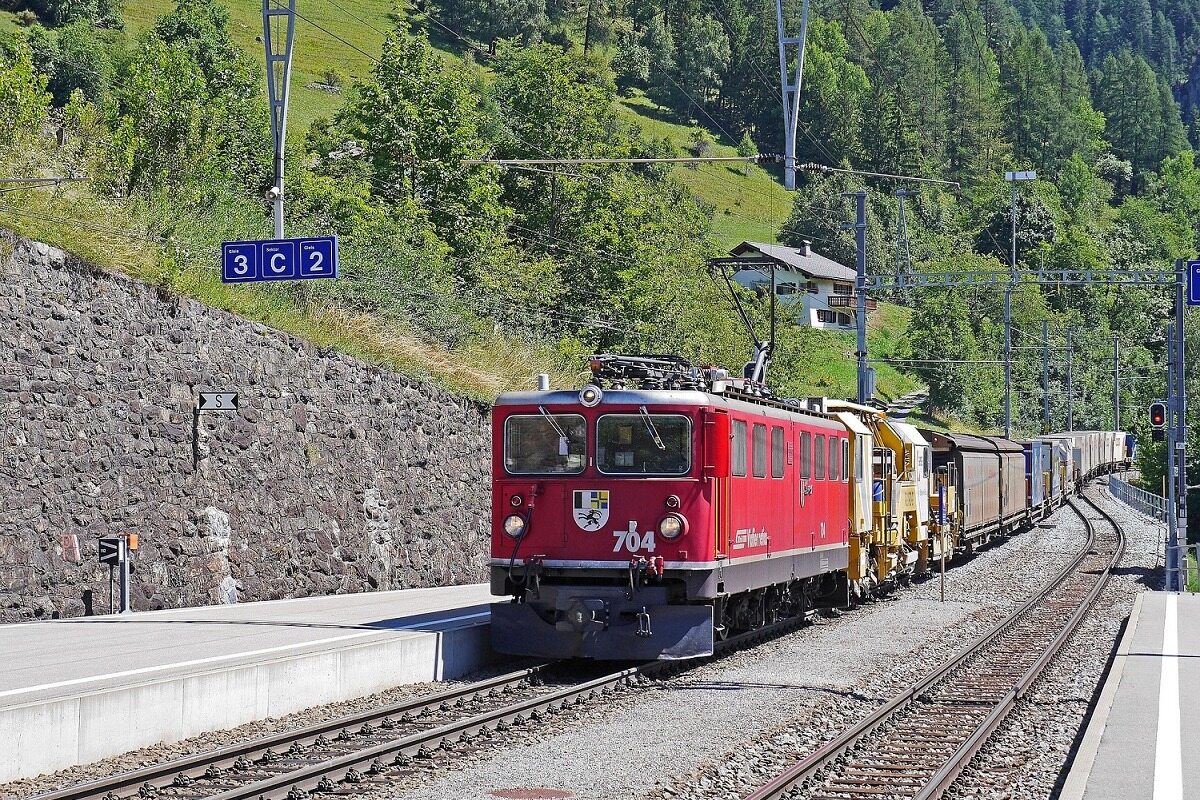
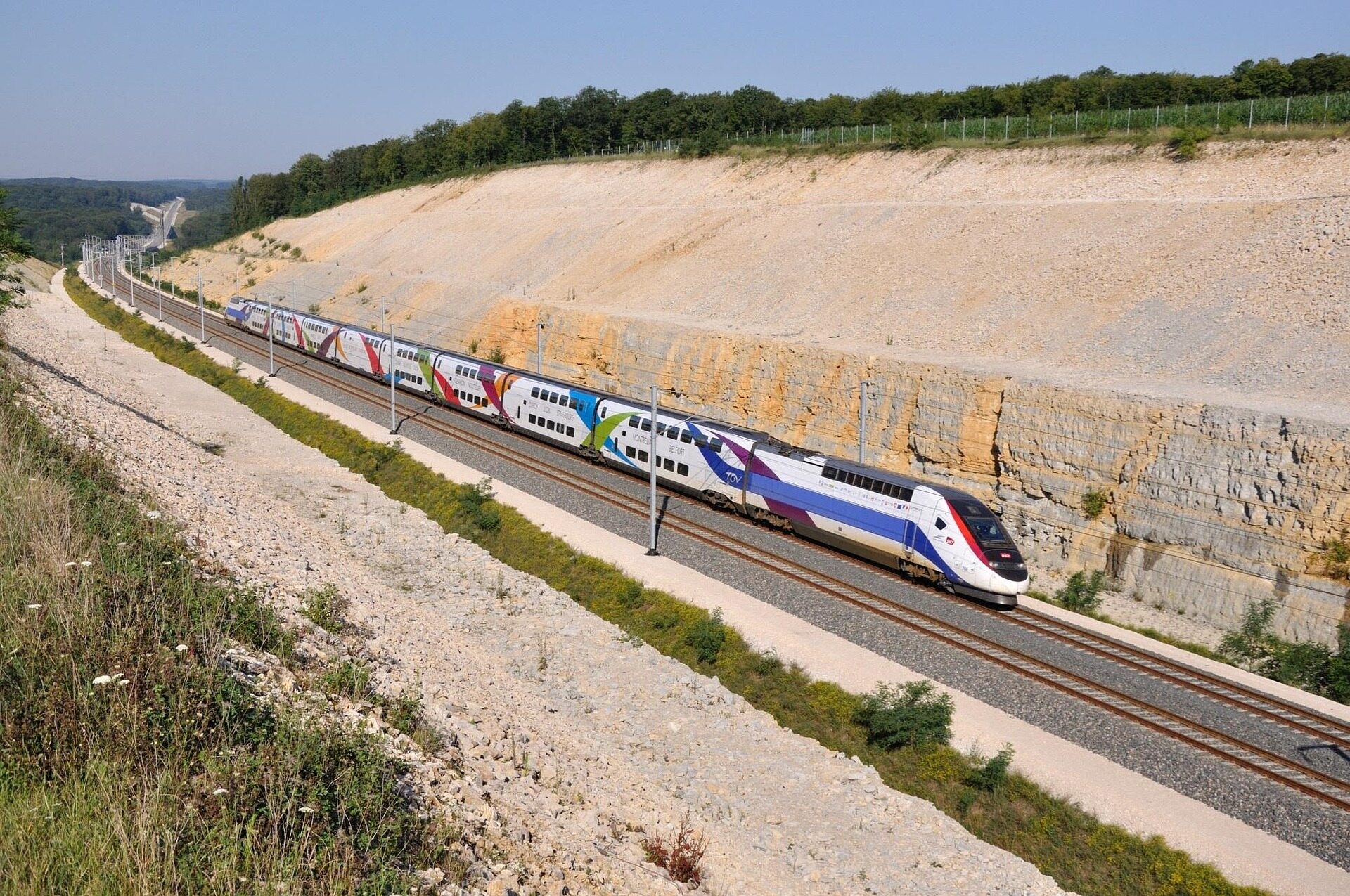
Paris to Berlin is still being connected by plane, and Brussels is already drawing a blueprint for a high-speed rail that covers the whole of Europe. The European Union recently announced its 2040 high-speed rail development plan, with a total investment of up to 550 billion euros, with only one core goal: to reduce travel time between major European capitals by at least half. This is not only a transportation plan, but also a triple game of geography, economy, and green transformation.
550 billion euros, where does the money come from
The plan is based on the updated "Pan European Transport Network" regulations in 2024, with the goal of building the TEN-T core network by 2040 and achieving high-speed rail connectivity in all EU member states' capitals. The design speed for newly built lines shall not be less than 250 kilometers per hour, and for renovated lines shall not be less than 200 kilometers per hour.
The construction of the core network alone requires about 345 billion euros, and if the complete expansion network is included, the total investment is nearly 550 billion euros. The funding adopts a combination model of EU funds, member state matching, and private capital, mainly providing support through connecting European funds. The EU plans to develop a detailed high-speed rail agreement before 2026 to leverage more private capital to enter the market.
Not only transportation, but also strategic chessboard
Technical standardization is the biggest challenge. The entire network will be required to deploy a European railway traffic management system, eliminate cross-border technical barriers, and achieve one train to Europe connectivity. Focus on filling the network gaps in Eastern Europe, Southern Europe, and the Balkans, and build new lines connecting the Baltic Sea, Adriatic Sea, and Black Sea.
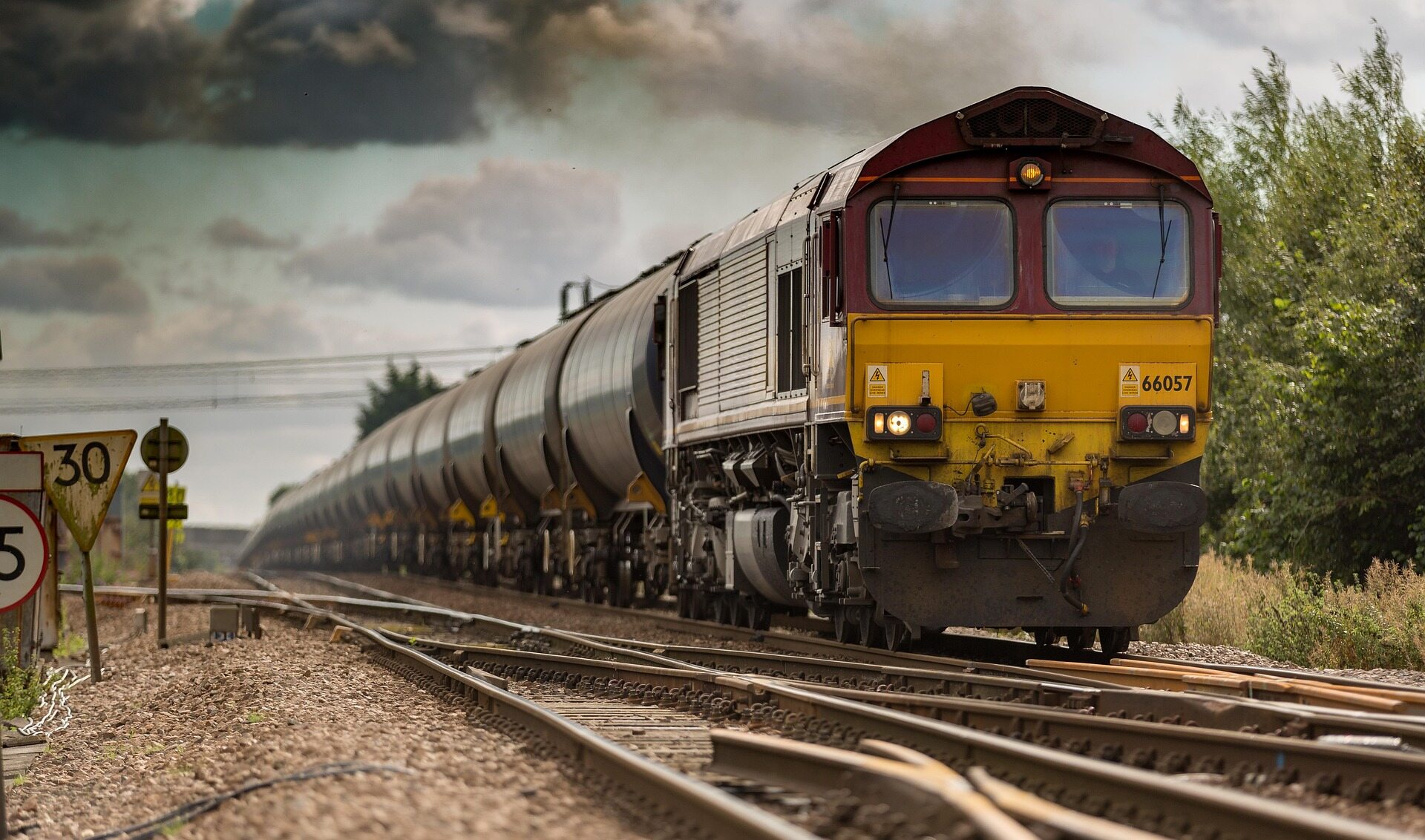
This website also carries three strategic intentions: in terms of green transformation, shifting short and medium distance air passenger flow to electrified railways to reduce transportation carbon emissions; In terms of economic cohesion, closely connect peripheral areas with central cities; Geostrategically, the high-speed rail network serves both civilian and military purposes, enhancing the rapid mobility of troops and materials. Keywords: transportation infrastructure, railway network
But whether the promise of 550 billion euros can be fulfilled depends on the financial capacity and construction progress of Eastern and Southeast European countries. Financing, land acquisition, and environmental approval are all tough battles. The European high-speed rail dream of 2040 ultimately depends on every steel rail to be realized.Editor/Cheng Liting
Comment

 Praise
 Collect
 Comment

 Share
Share


Write something~