 Search


- The new land route will reduce maritime dependence and reshape the Eurasian logistics landscape

On June 9, 2026, Saudi Arabia and Türkiye signed two memorandums of understanding in Riyadh, covering railway and logistics. This paper agreement brings a railway corridor spanning four countries and connecting the Gulf region with Europe from blueprint to reality. And the predecessor of this modern corridor was the Han Zhi Railway, built in 1908- a historical route that had been dormant for nearly a hundred years, which is now being awakened.
A strategic corridor spanning four countries
This planned railway channel connects Türkiye's railway network and southern Europe in the north, enters Amman, Jordan, via Aleppo and Damascus in Syria, and reaches Aqaba Port in the south. It connects with the Saudi railway system, runs through Türkiye, Syria, Jordan and Saudi Arabia, and may be incorporated into Iraq in the future. The channel can also extend towards the Arabian Peninsula, forming a more flexible cross-border land transportation network.
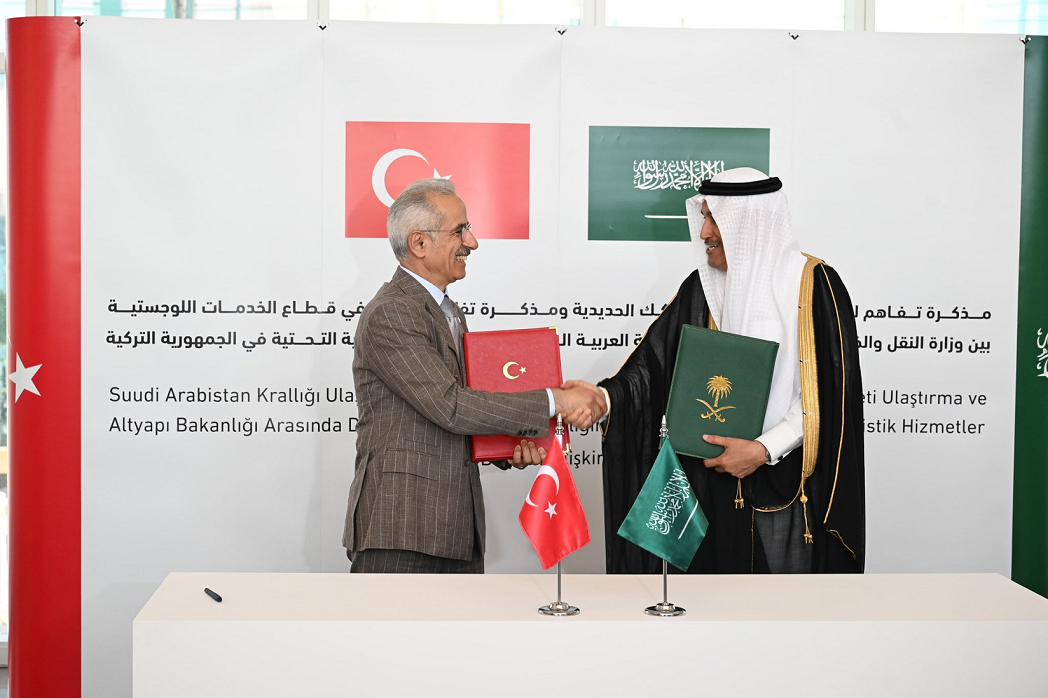
The two memorandums signed by Saudi Arabia and Türkiye clearly define the division of labor: railway cooperation focuses on technical standards, infrastructure, operation system and talent training, and promotes the localization of the industrial chain; Logistics cooperation focuses on the development, operation, and knowledge sharing of logistics centers. Both serve a larger goal together - to open up a new land route from the Gulf to Europe.
Türkiye takes the lead in starting repair
Among the four countries, Türkiye is the most active. The country has initiated railway repair work near the Syrian border, which has been suspended for nearly 15 years, and has developed a 4-5 year cross-border railway repair roadmap with Syria and Jordan. At the same time, the Minister of Transport of Türkiye revealed that two freight railway trials have been completed from Iraq to Saudi Arabia to test the feasibility of different land transport routes.
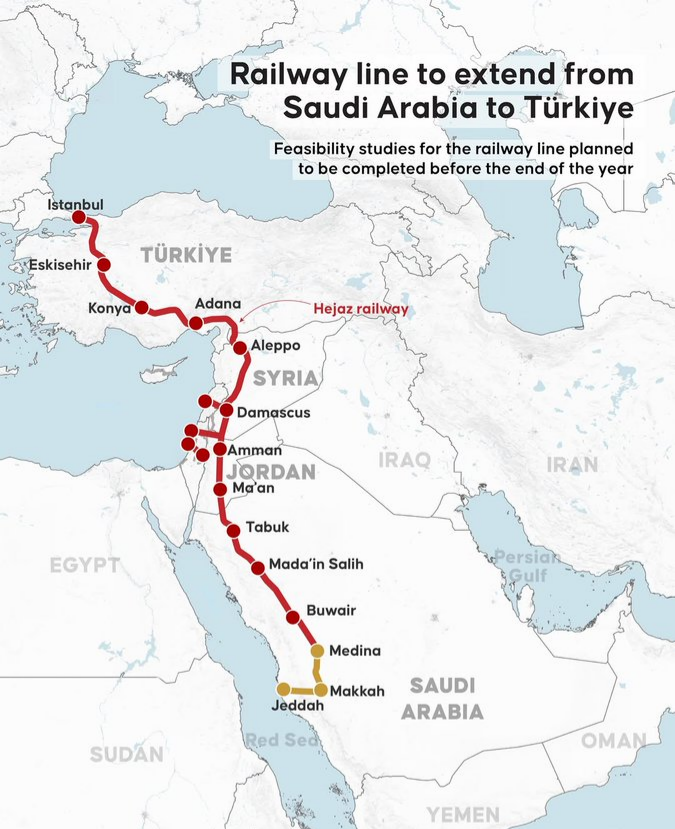
The biggest challenge of this passage lies in the restoration of infrastructure within Syria. After more than a decade of war, a large number of bridges, stations, and signal facilities have been damaged, and the reconstruction workload far exceeds general repairs. The intervention of external funds and engineering capabilities is almost a necessary condition.
Three advantages beyond IMEC corridor
Industry experts pointed out that the Saudi Türkiye route has three key advantages over the India Middle East Europe economic corridor: first, the route passes through Syria and Jordan to Türkiye, rather than Israel; Secondly, the project is based on a signed memorandum of understanding and a clear technical roadmap, while IMEC has been stalled since 2023; Third, Türkiye, which criticized IMEC for bypassing its territory, is now returning to the core of Eurasian strategic connectivity through a new route. Keywords: news and information on infrastructure projects, cross-border railways
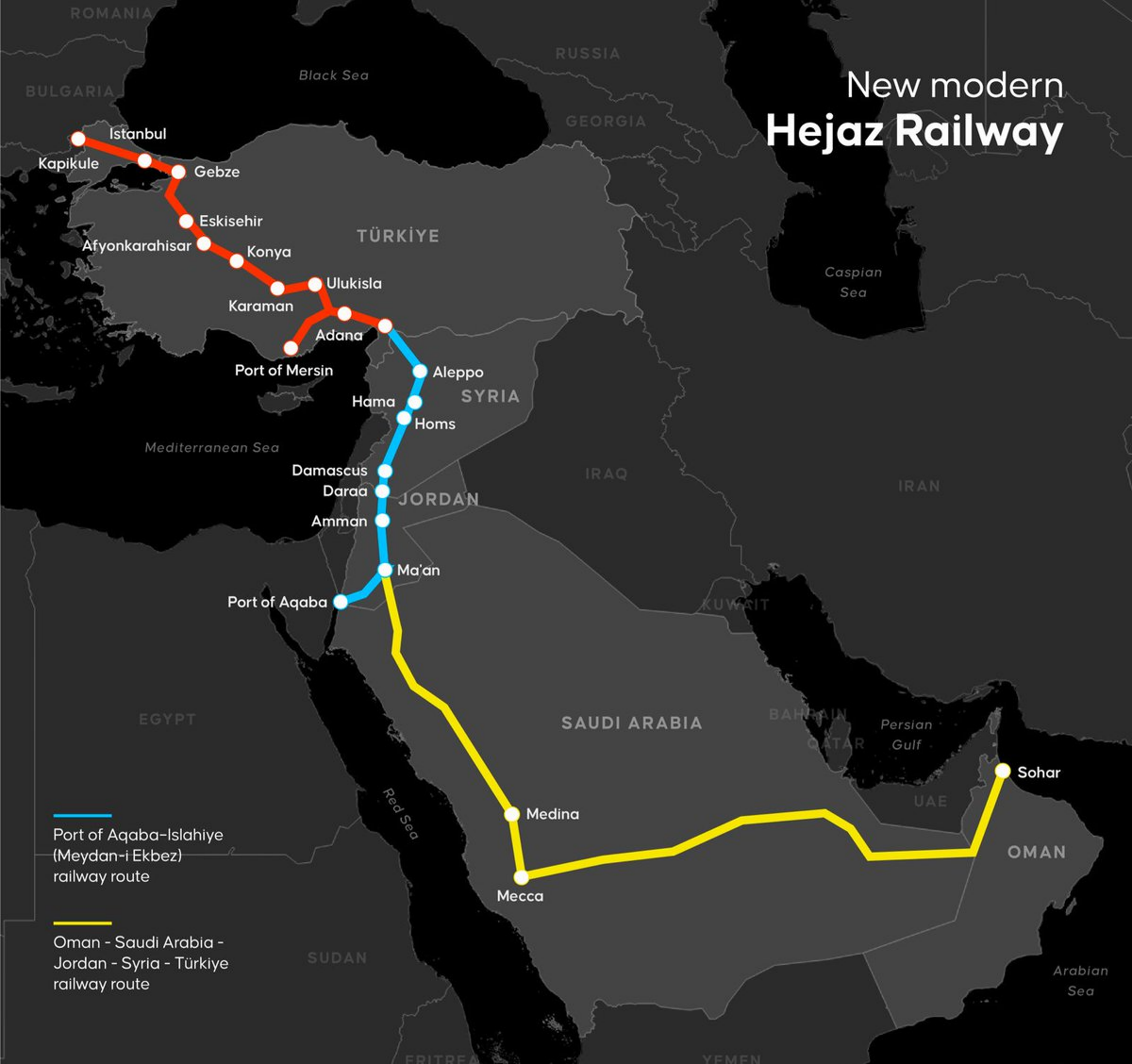
On the basis of the original route of the Hanzhi Railway, this modern corridor has expanded its functional goal from traditional pilgrimage transportation to a cross-border trade channel connecting Europe and the Arabian Peninsula. In the future, it is planned to extend towards Oman to form an alternative land transportation path, reducing dependence on sea transportation in the Strait of Hormuz and connecting with the regional cross-border railway network.Editor/Gao Xue
Comment





 Praise
 Collect
 Comment

 Share
Share


Write something~