 Search


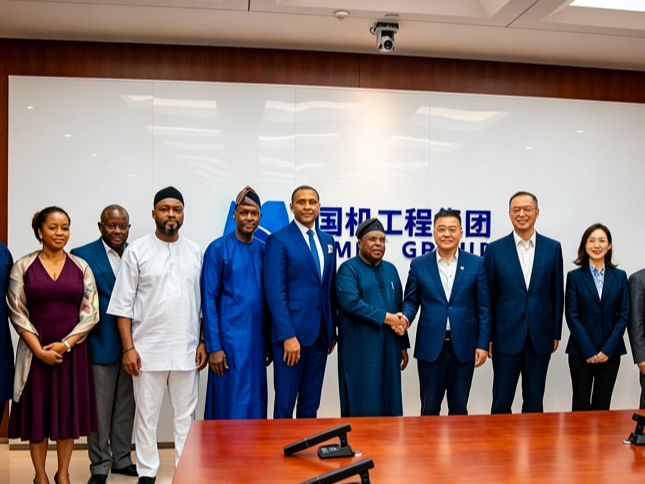
- 1.5 billion US dollars, 900 megawatts - Chinese company signs a large contract for wind solar coal hybrid power in Zambia
- By 2025, Africa will add 11.3 GW of renewable energy installed capacity, a two-fold increase compared to the same period last year
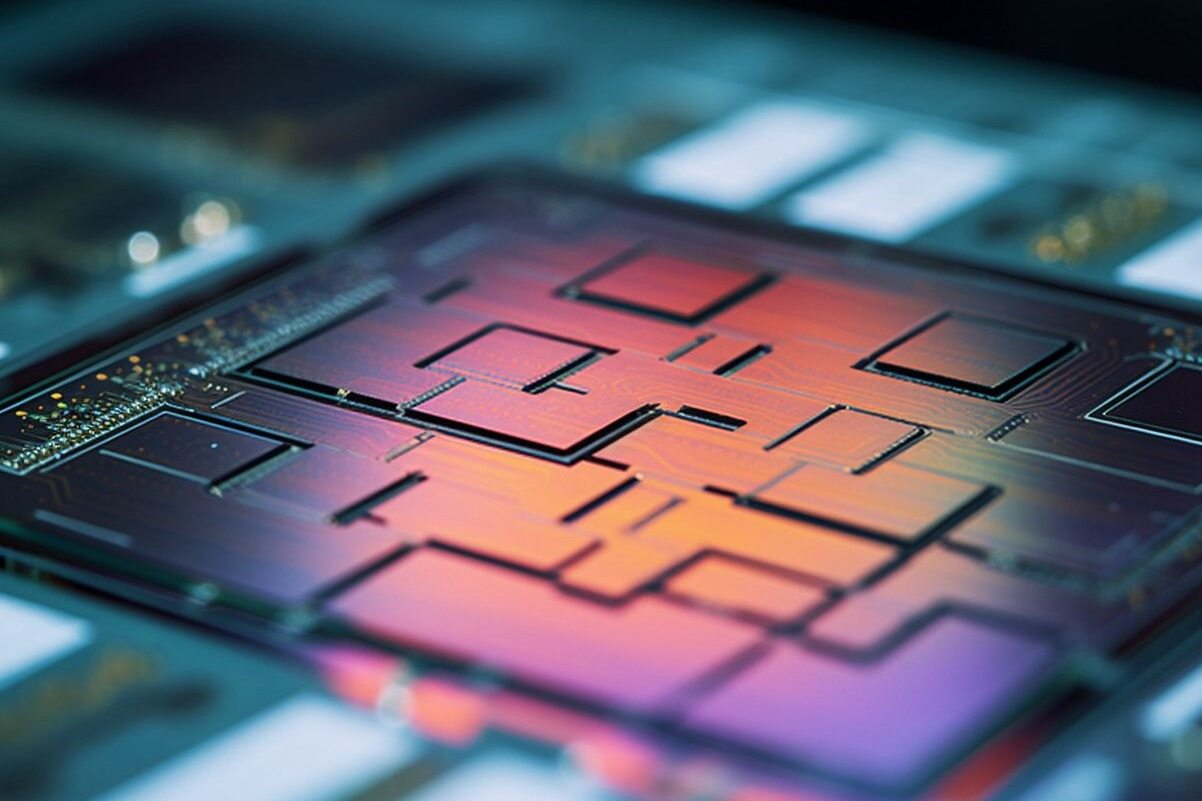
In 2026, a news from Australia sparked global attention in the photovoltaic industry. Shi Zhengrong, the founder of Wuxi Shangde, who was once known as the "godfather of photovoltaics", is promoting a feasibility study for an annual production base of 50000 tons of polycrystalline silicon through his controlled Australian local enterprise Energus Pty Ltd. If the project is ultimately implemented, it will become Australia's first 10000 ton polysilicon manufacturing base in nearly 20 years.
Shi Zhengrong's Overseas Chess Game
The main operator of this project, Energus Pty Ltd, was established in 2014 and is a local photovoltaic enterprise registered in Australia. Its parent company is the well-known Chinese company Shangmai New Energy, and the actual controller is Shi Zhengrong. Since 2017, Shi Zhengrong has made public appearances as a representative of Energus, continuously expanding overseas new energy manufacturing. The 50000 ton polycrystalline silicon project marks his first return to the upstream heavy asset track of photovoltaics after years of overseas travel.
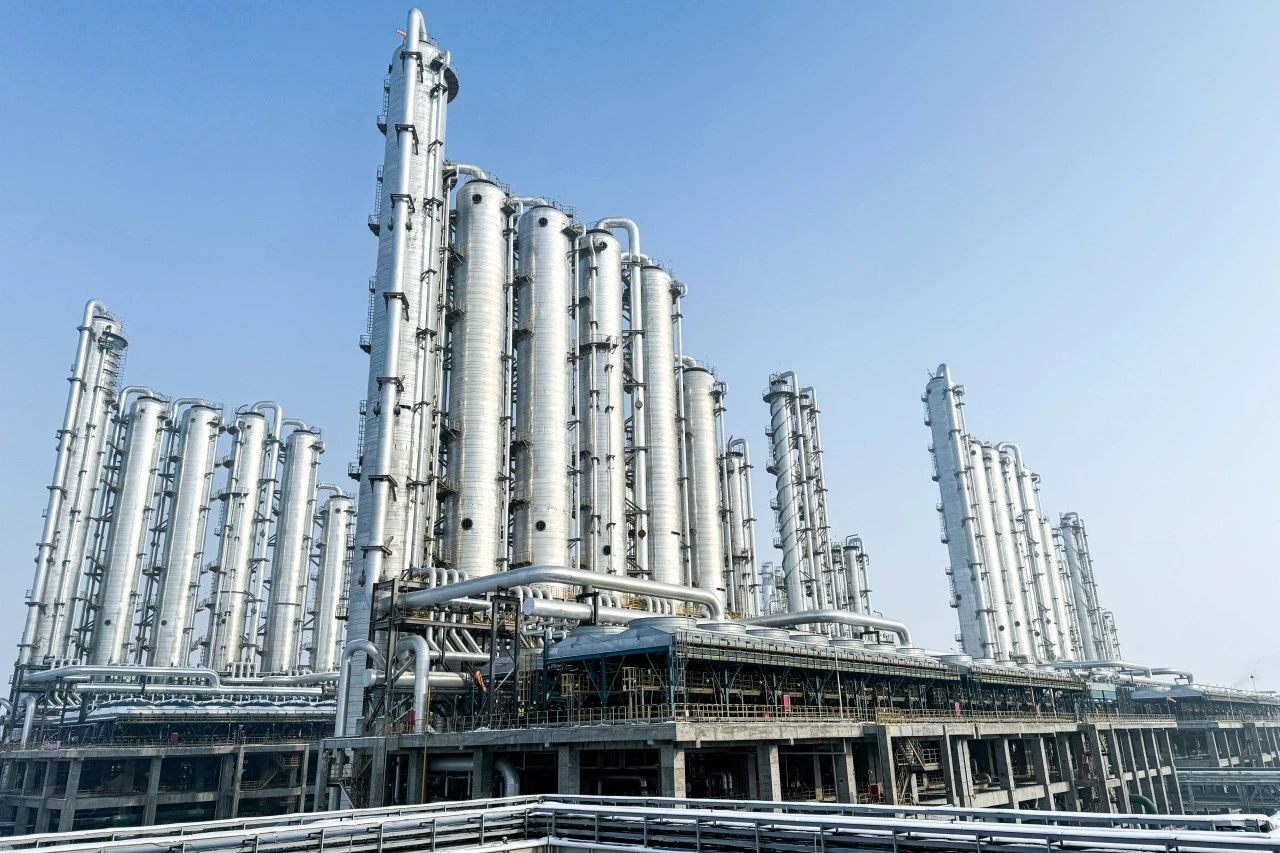
The project is located at the Hunter Energy Hub in New South Wales, and is the first upstream manufacturing project in the Australian federal government's "Photovoltaic Revitalization Plan" to enter substantive implementation. The base is designed to have an annual production capacity of 50000 tons of polycrystalline silicon, which can reverse support a photovoltaic module manufacturing capacity of 10GW to 40GW.
High cost and policy variables
The total investment for this feasibility study is 2.81 million Australian dollars, of which 1.4 million Australian dollars is specifically allocated by the Australian Renewable Energy Agency. The research work will continue until mid-2027. However, the project implementation faces two major challenges.
Firstly, there is the extremely high cost. According to the proposal submitted by Energus, the capital expenditure for this 50000 ton polycrystalline silicon plant is as high as AUD 2.5 billion to AUD 3.5 billion, and the construction cost in Australia is 2 to 3 times that of domestic factories in China at the same scale. To achieve breakeven, the project relies on the federal government providing initial funding of AUD 1 billion to AUD 1.5 billion, as well as continuous production subsidies for 10 years.
Secondly, there is policy uncertainty. The Australian federal government has recently tightened its budget for the new energy industry and implemented funding cuts for multiple manufacturing subsidies, including the "Photovoltaic Revitalization Plan". The risk of the project ultimately being stranded continues to rise. Darren Miller, CEO of the Australian Renewable Energy Agency, stated that this feasibility study is a strategic exploration for Australia to break away from single import dependence and build a local photovoltaic industry chain.
China's production capacity is difficult to shake in the short term
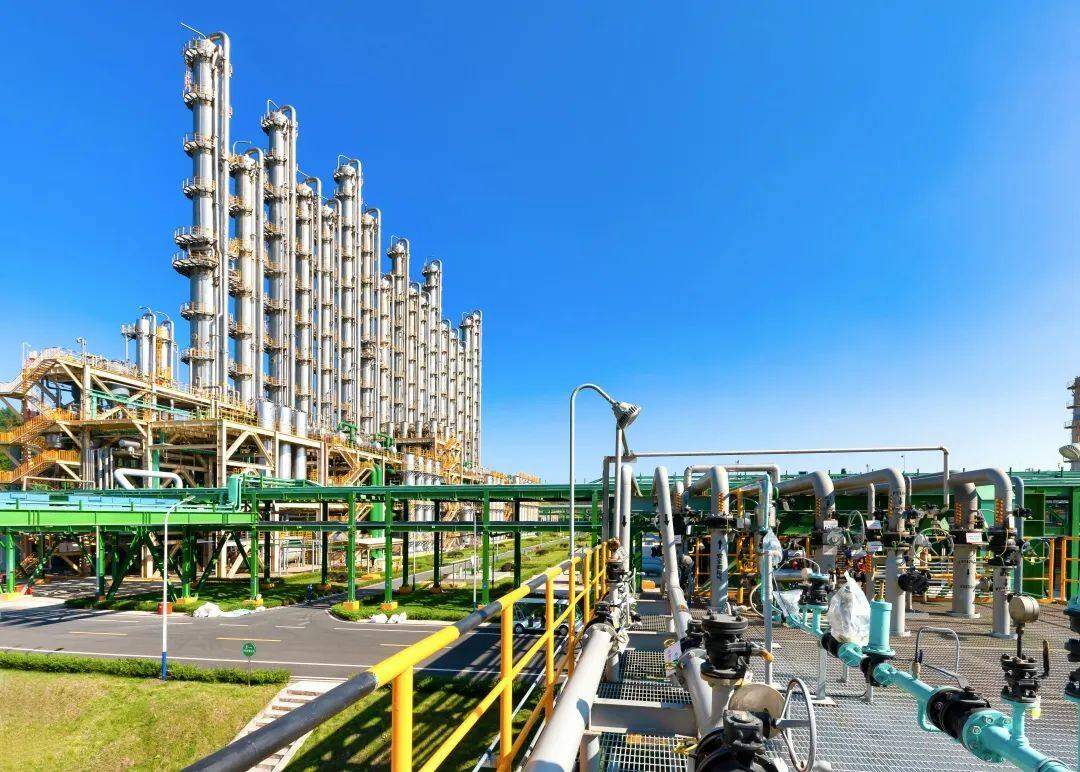
For a long time, Australian polysilicon has relied almost 100% on imports. If this project can be implemented, it can not only meet local demand, but also be exported to the outside world, allowing Australia to enter the global polysilicon supply market.
Shi Zhengrong's layout is not only an upgrade of his personal industrial map, but also an important attempt overseas to divert China's dominant position in polysilicon. However, considering costs, policies, and industrial chain support, it is difficult for the Australian polysilicon industry to have a short-term impact on China's mature production capacity. The Chinese polysilicon industry has already achieved low-cost and fully supported large-scale production, while Shi Zhengrong's Australian project is still in the feasibility stage, and there is still a long game process before it can be put into actual production. Editor/Yang Beihua
Comment

 Praise
 Collect
 Comment

 Share
Share


Write something~