 Search


- Global offshore wind power is expected to reach 420GW by 2035, with China leading the market share for eight consecutive years
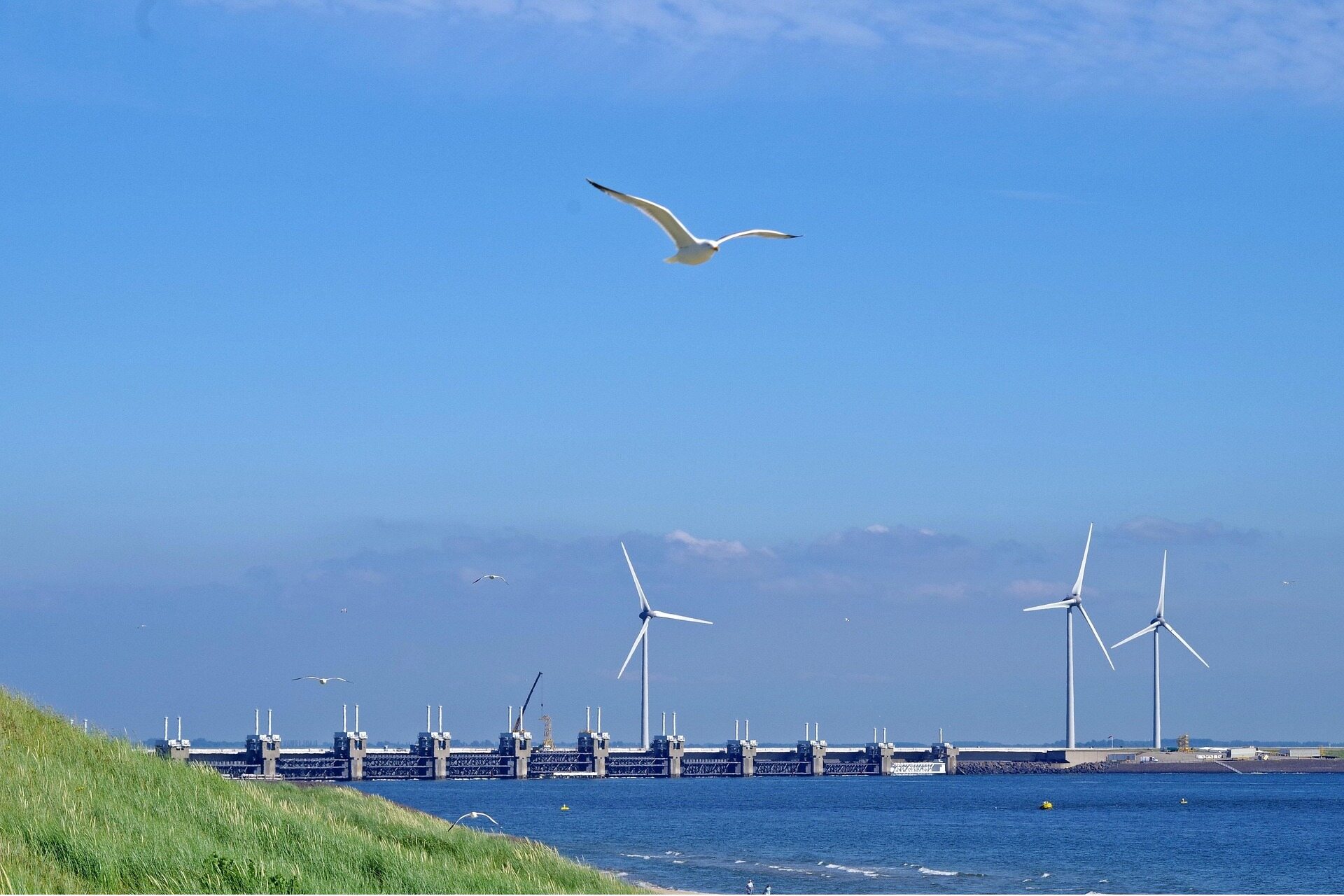
Two energy crises erupted consecutively within five years, and global policy makers finally realized one thing: energy security supported by imported fuels is just talk on paper. The latest Global Offshore Wind Report 2026 released by GWEC provides an urgent set of numbers, with only one core signal - offshore wind must go from optional to mandatory.
Doubling growth expectations
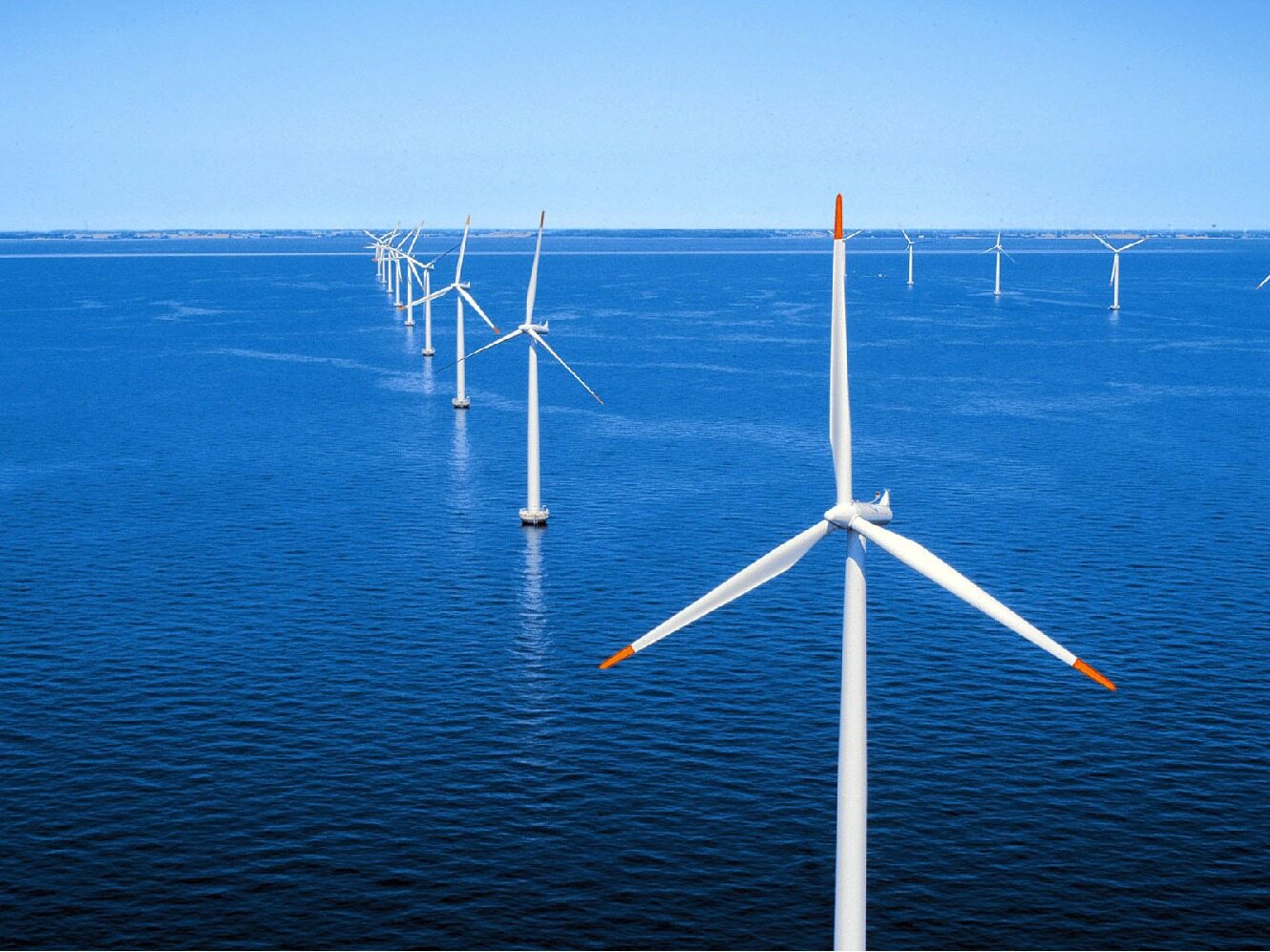
By 2025, the global newly added offshore wind power grid connected capacity will exceed 9GW, which can supply power to more than 10 million households. The cumulative installed capacity will reach 92.5GW, equivalent to supplying electricity to over 100 million households. The newly added installed capacity is the third highest in history. But GWEC believes that the speed is far from enough.
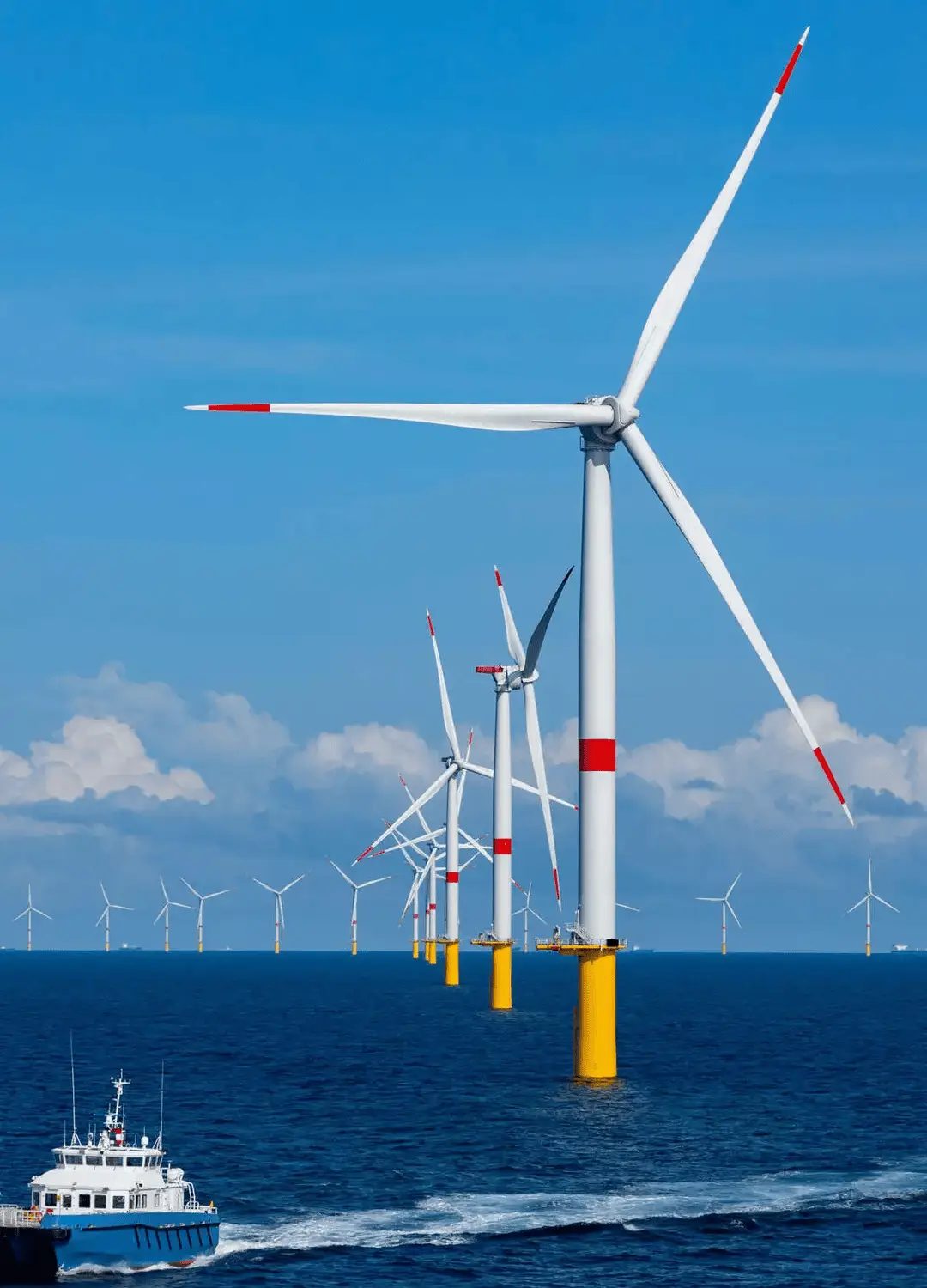
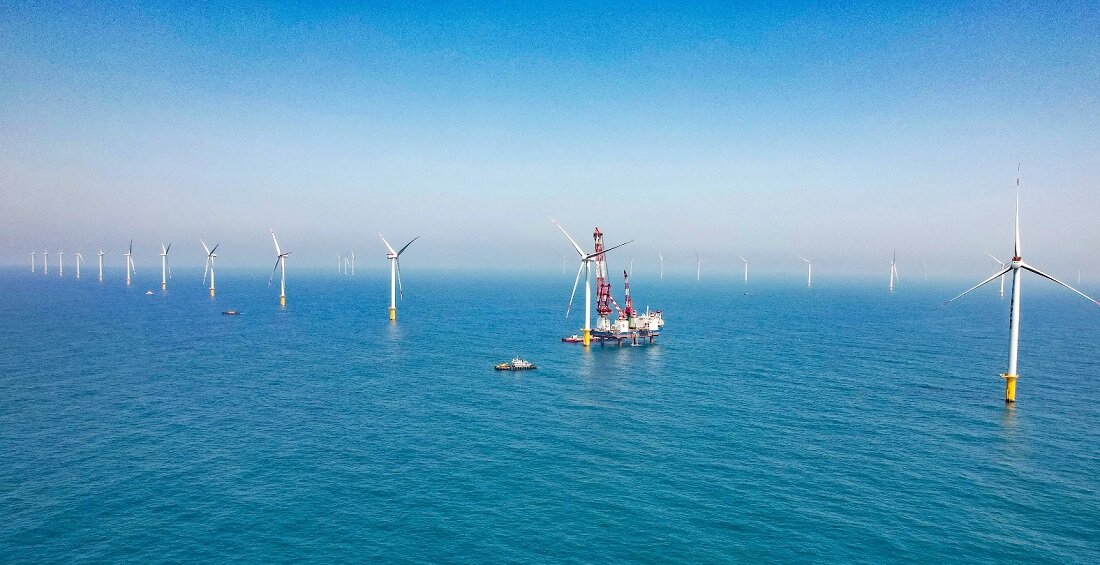
At present, over 50GW of projects are under construction worldwide, and it is expected that the new installed capacity will double by 2026, double by 2031, and reach 50GW before 2035. The compound annual growth rate from 2026 to 2030 will reach 24%, and the world will add over 327GW of installed capacity in the next decade, with a total installed capacity of 420GW by the end of 2035.
However, there is a clear gap between reality and goals. The offshore wind power capacity obtained through auctions in 2025 is only 11.4GW, less than one-fifth of the record level set in 2024. Approximately 25GW of projects worldwide, excluding China, are still awaiting final investment decisions, and the deployment speed is far from reaching the expected level.
China occupies half of the world's territory
China's annual newly installed capacity has led the world for eight consecutive years, with a grid connected capacity of 6.6GW by 2025, accounting for 52% of the global offshore wind power market. Europe connected nearly 2GW to the grid that year, including 1GW in the UK, 500MW in Germany, and 400MW in France.
GWEC Deputy CEO Rebecca Williams pointed out that in less than five years, the world has faced two major crises caused by dependence on imported fuels, and building offshore wind turbines along national coastlines is an effective way to prevent future energy supply shocks. The report also proposes an eight point action plan, calling on governments around the world to accelerate approval processes, strengthen government enterprise cooperation, implement auction frameworks, increase financing, expand supply chains, and fully promote offshore wind power as a key energy infrastructure. Keywords: wind power, new energy
From 9GW to 50GW, from 92.5GW to 420GW, offshore wind power is moving from the edge to the center. This is not only an energy transition, but also a competition about national energy security, and the time window left for countries is rapidly narrowing.Editor/Cheng Liting
Comment

 Praise
 Collect
 Comment

 Share
Share


Write something~