 Search


- The EU invests nearly 180 billion yuan to support Italy in launching a new wave of new energy construction
- The goal is to reduce carbon emissions, control prices, and achieve energy independence by 2030
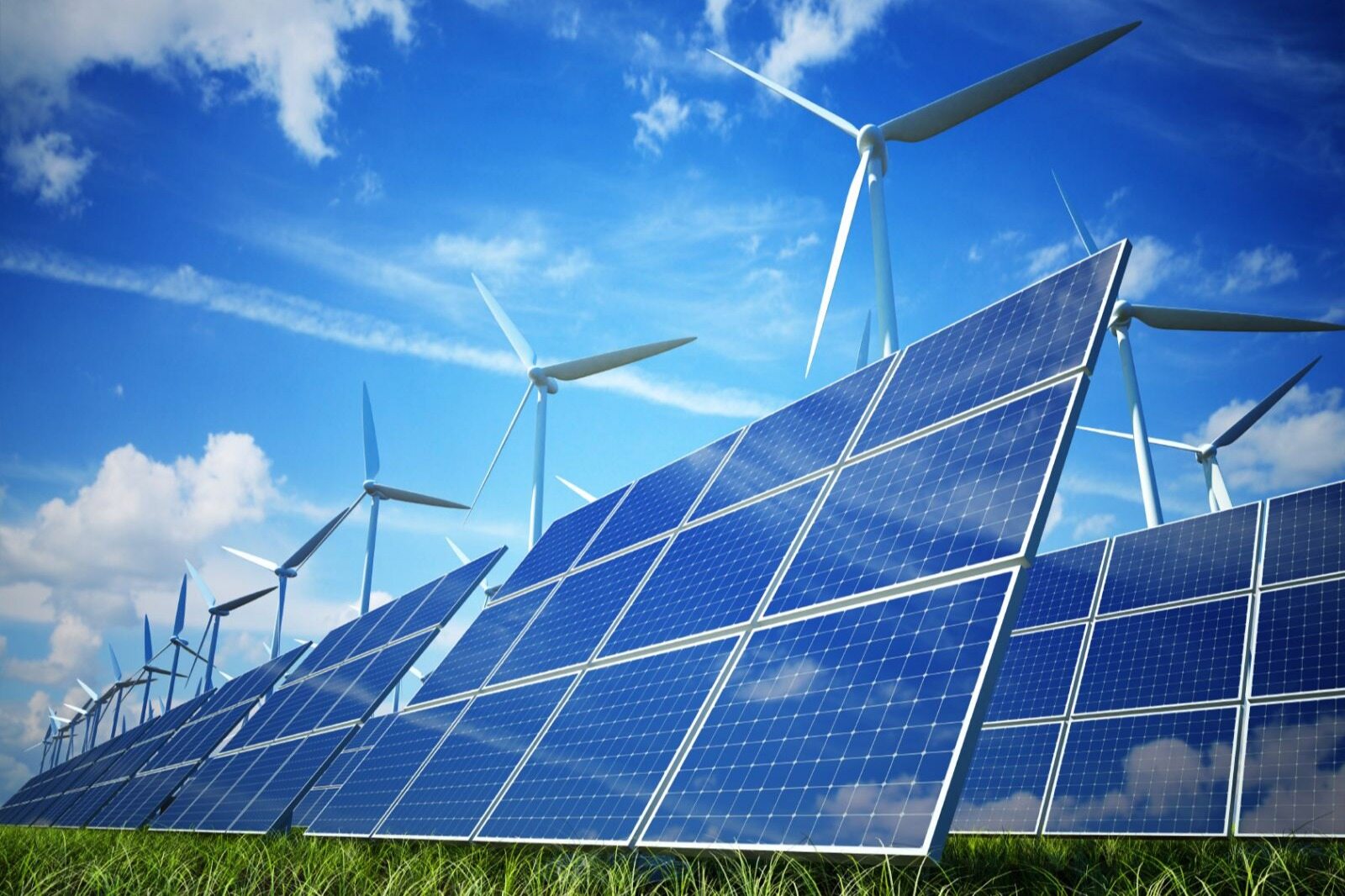
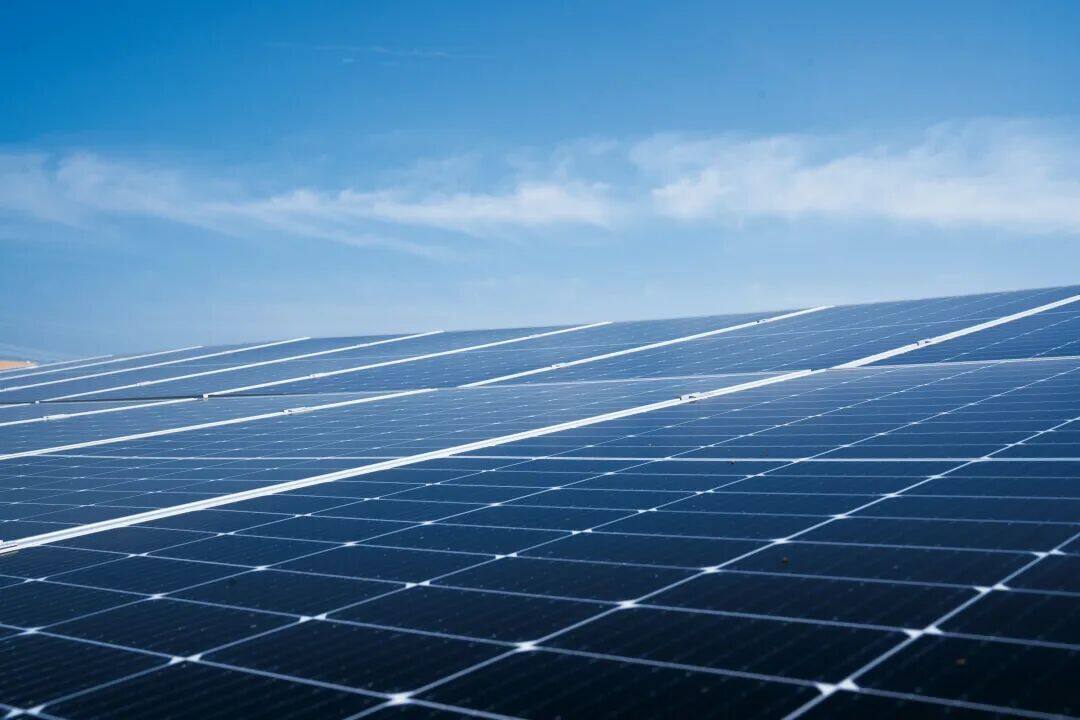
Under the scorching Mediterranean sun, thousands of photovoltaic panels on the Italian peninsula are quietly waiting for the horn of expansion. A blueprint concerning the energy fate of this southern European country has just been finalized, located thousands of miles away at the headquarters of the European Commission. The massive aid plan of 23 billion euros has been officially approved, which amounts to approximately 180 billion yuan and will completely reshape Italy's power landscape in the coming years.
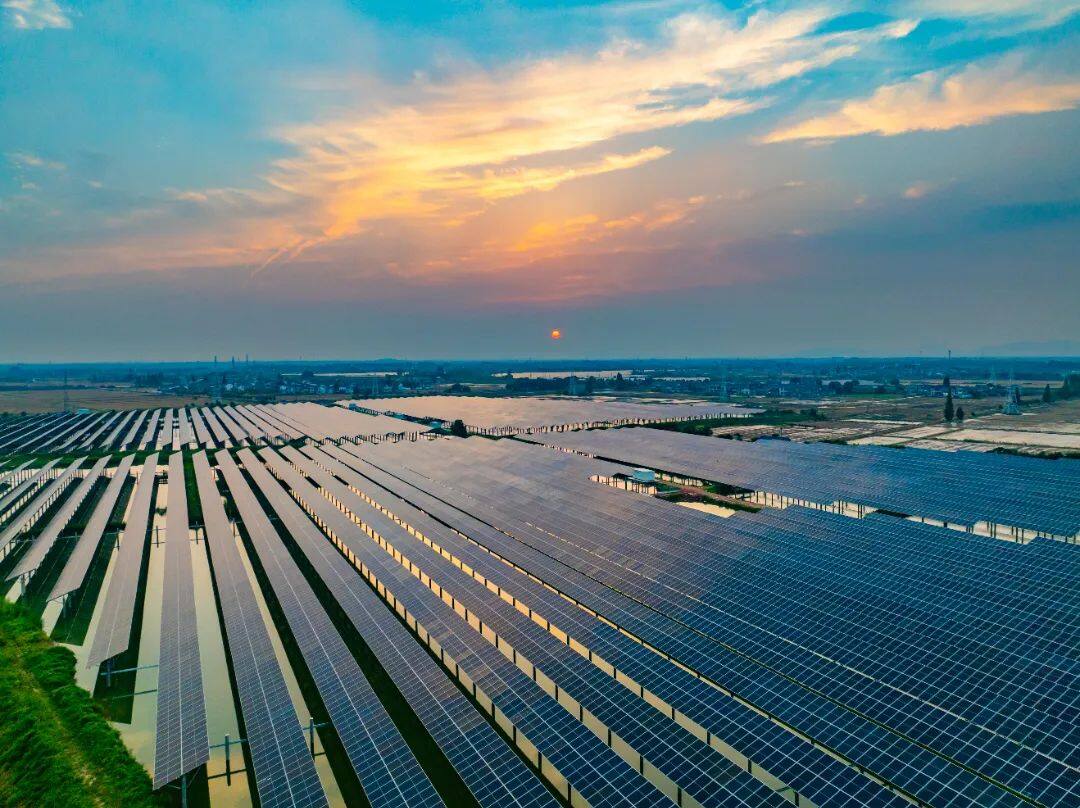
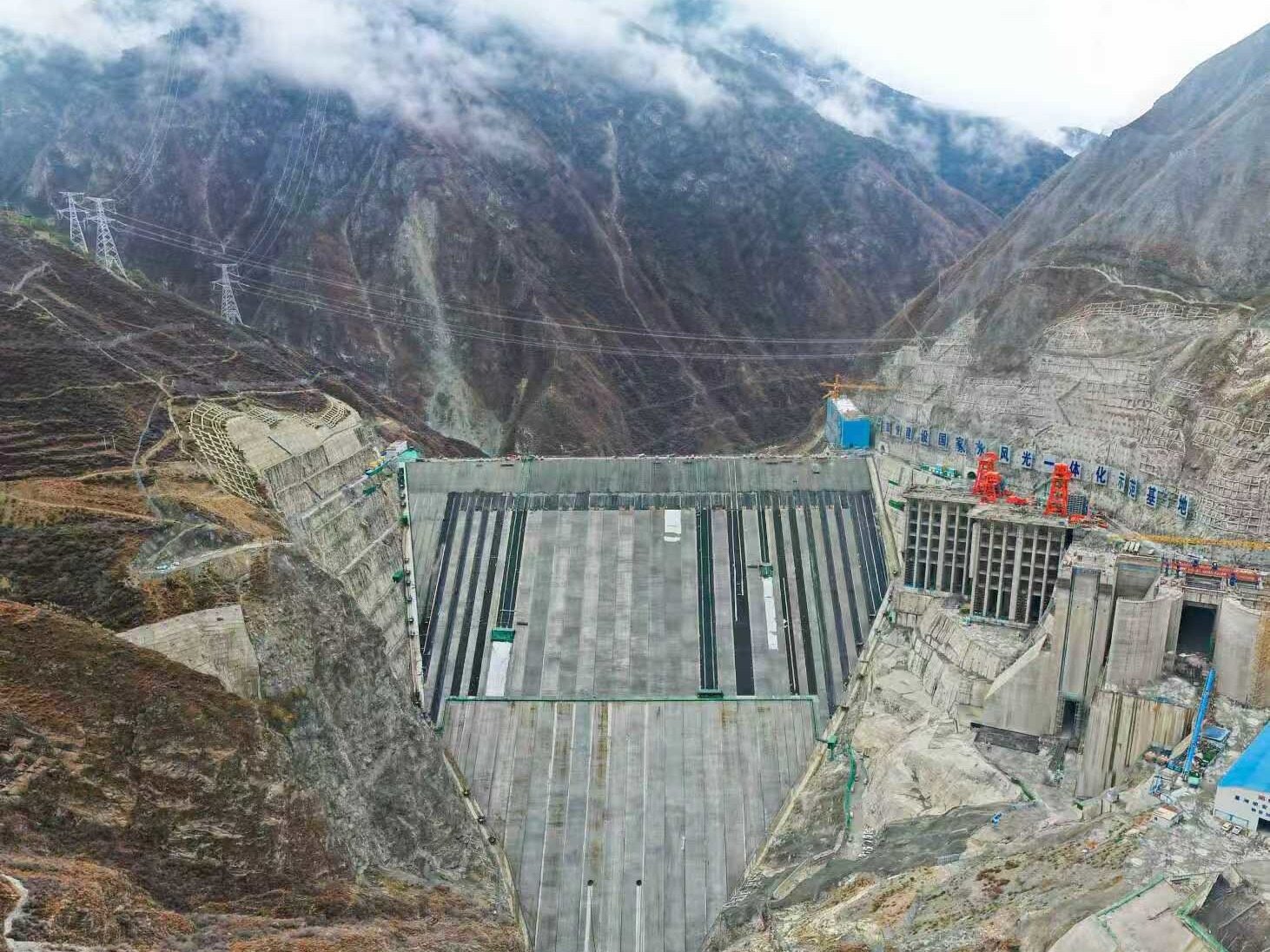
This is not just a cold string of financial figures, but also a bold gamble on the energy structure. According to the plan, Italy will rely on this funding to add over 37.15 gigawatts of renewable energy installations. What concept is this? This is almost equivalent to half of the total scale of renewable energy currently available in Italy. From the Alpine hydroelectric power plants in the north to the vast wind farms in Sicily in the south, a green revolution is about to sweep across the country.
How to land billions of funds
In order to ensure that this huge taxpayer's money is spent efficiently, the EU has designed a sophisticated two-way contract for differences mechanism. This system is like a huge stabilizer that will operate for up to 20 years.
When the wholesale price of electricity in the market is low and below the government agreed execution price, the national treasury will extend a helping hand to developers to make up for the difference; On the contrary, if the market electricity price is high, developers must return the extra money earned to the state. This mechanism not only ensures the bottom line of investors' returns, but also prevents the generation of excessive profits, ensuring that the ultimate beneficiaries are the end consumers.
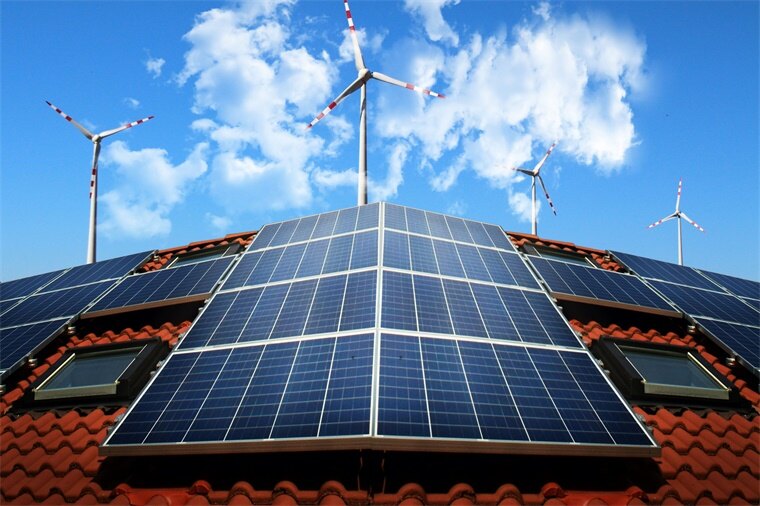
The allocation of funds will mainly be carried out through brutal bidding auctions. Only developers who offer the lowest electricity prices can win, forcing companies to continuously reduce costs and driving technological progress. For small distributed projects below 1 megawatt, such as rooftop photovoltaics, there is no need to participate in intense competition, and subsidies can be obtained directly through administrative approval, reflecting the policy's gentle side towards small property owners.
Can green electricity lower electricity prices
For a long time, high electricity bills have been a pain point for Italian people and businesses. One of the core demands of this aid plan is to stabilize prices through massive supply.
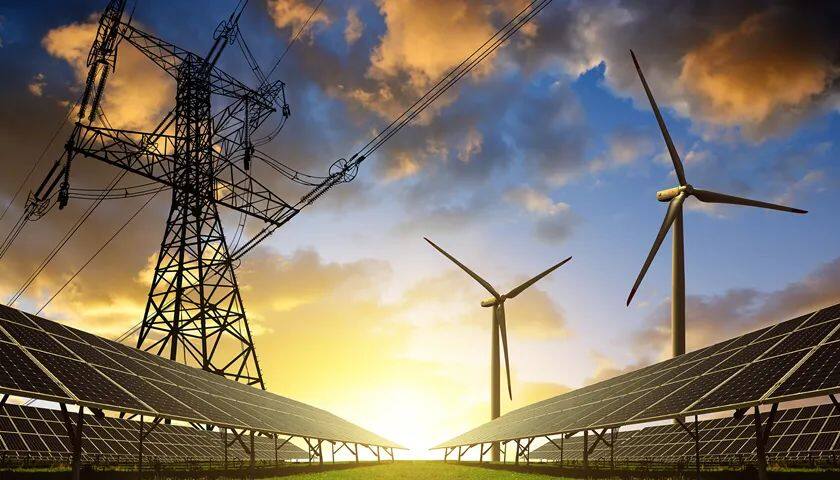
With the influx of 37 gigawatts of new installed capacity into the grid, Italy's energy self-sufficiency rate will significantly increase. The European Commission has explicitly stated in its assessment that this move will significantly reduce the country's dependence on imported fossil fuels and enhance the resilience of the energy system. Especially in the current geopolitical turmoil leading to fluctuations in oil and gas prices, electricity generated from one's own rooftop is undoubtedly the safest bargaining chip.
It is worth noting that 23 billion euros is only a predetermined upper limit. If the electricity market prices continue to rise in the future, the subsidies that the government actually needs to pay will be significantly reduced, and there may even be a situation of net income.
Strictly guard against excessive profits
In order to avoid the proliferation of subsidies, the EU has installed a tight firewall in the plan.
All large-scale projects must comply with the strict standards of the Net Zero Industries Act, not only in terms of power generation, but also in terms of technology localization and supply chain security. Most notably, the plan includes a stop loss clause: once the market experiences negative electricity prices, meaning that power generators are selling electricity at a discount, the government will immediately stop providing subsidies. This means that developers cannot expect to maintain a stable income even in times of market surplus, and must bear some market risks.keywords:Domestic new energy latest news,New energy news
The European Commission firmly believes that this package of plans is fully in line with its Clean Industry Agreement Country Assistance Framework, accelerating Italy's goal of achieving 39.4% renewable energy by 2030 while maintaining a fair competition market bottom line.Editor/Yang Meiling
Comment



 Praise
 Collect
 Comment

 Share
Share


Write something~