 Search


- Northwest relies on wind and photovoltaic power to reshape the energy landscape
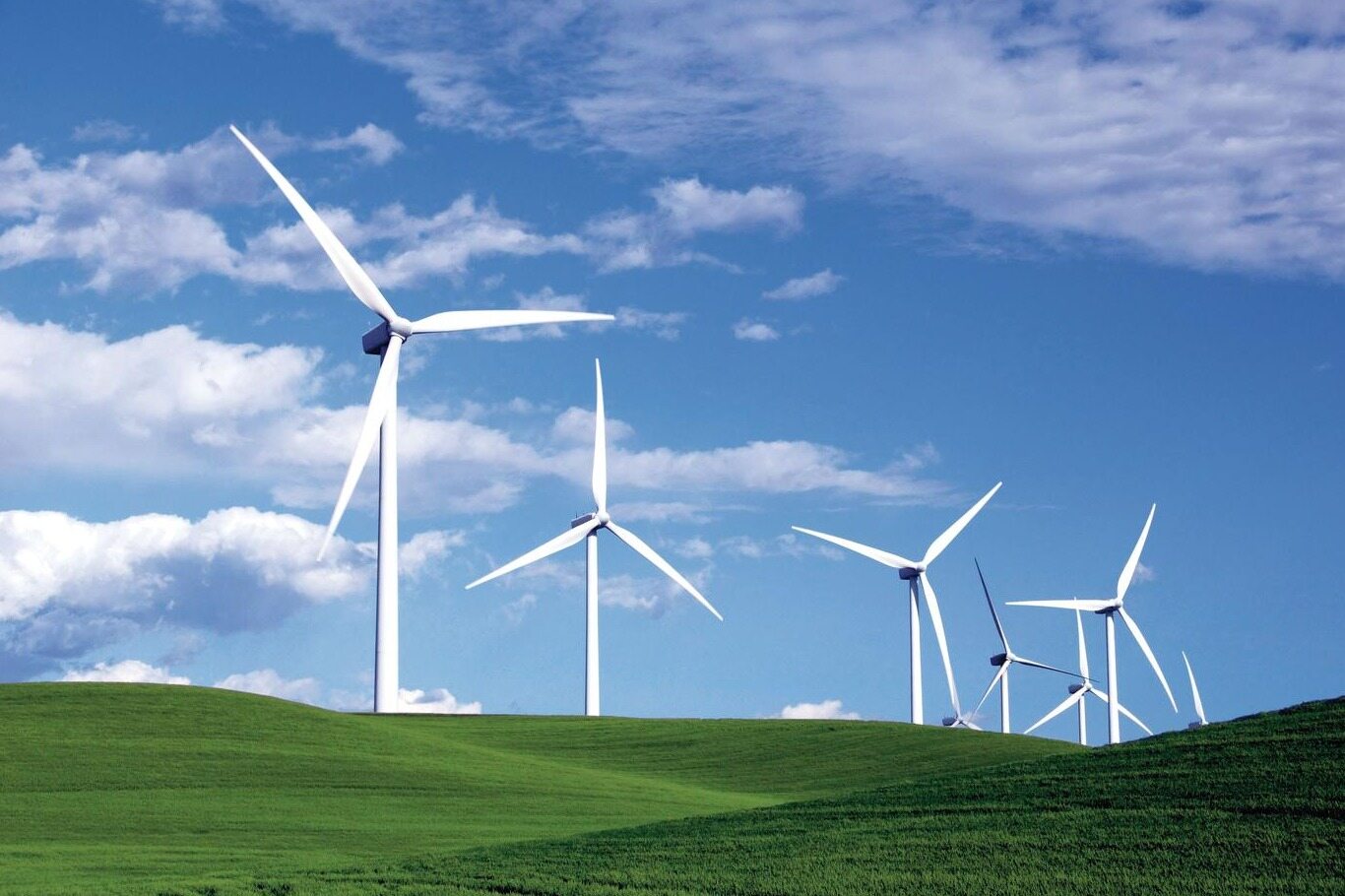
The Gobi Desert used to be a remote area ravaged by sandstorms, but now with numerous wind turbines and connected photovoltaic systems, a continuous stream of green electricity is transmitted from the northwest to various parts of the country. Hou Xiaolong, a young man from Guazhou, Gansu, gave up his job in thermal power plants in other places and returned home to chase the wind. In the past 16 years, he witnessed the wind turbine power generation capacity increase more than ten times, and the local area relied on strong wind resources to build the country's first county with wind power installed capacity. Qinghai Gobi Photovoltaic combines power generation and ecological restoration, while high-altitude villages rely on rooftop photovoltaics to expand their income channels. Domestic wind and solar equipment production lines continue to export orders, and the traditional energy corridor in the northwest has been thoroughly revitalized and developed.
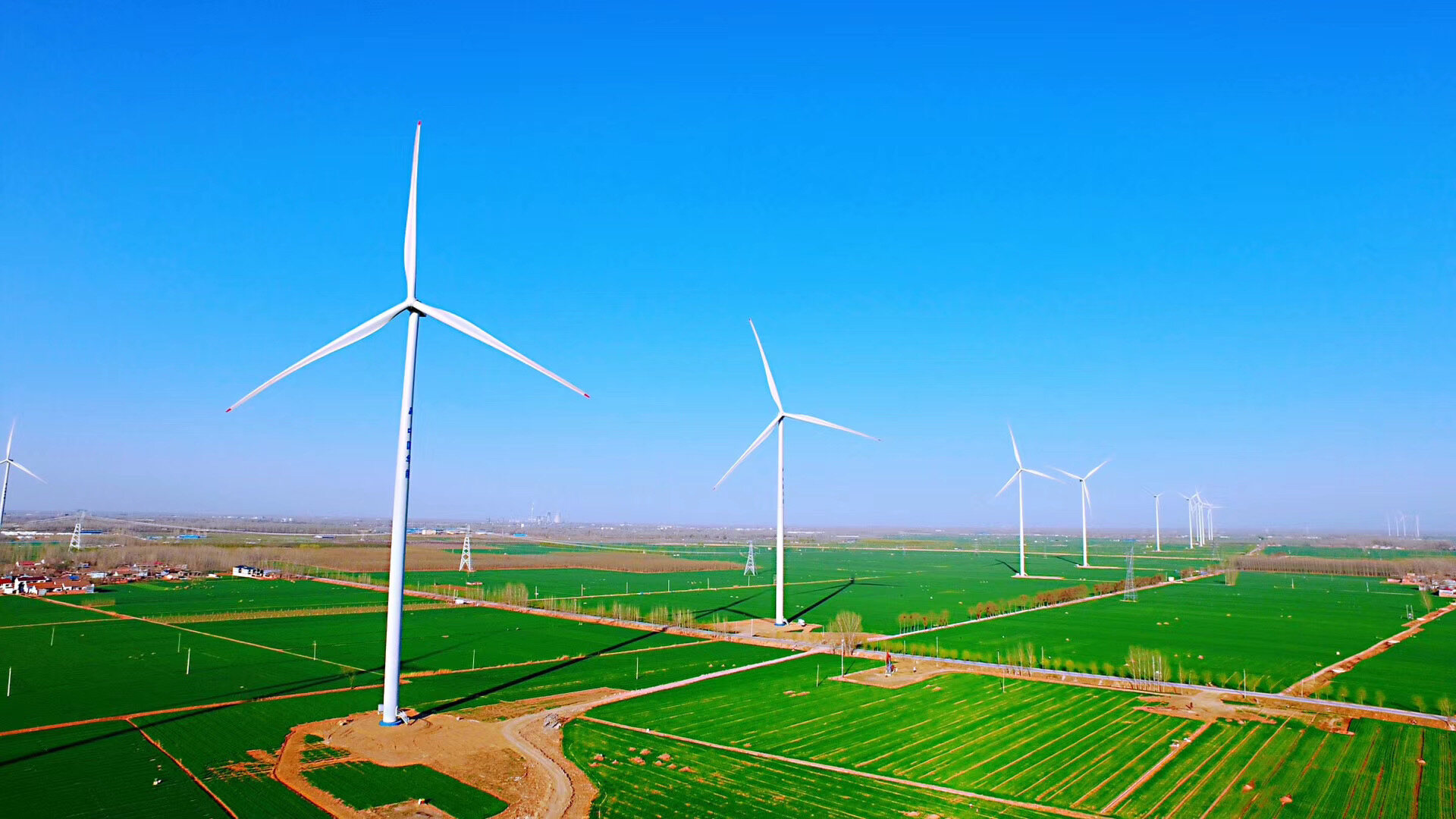
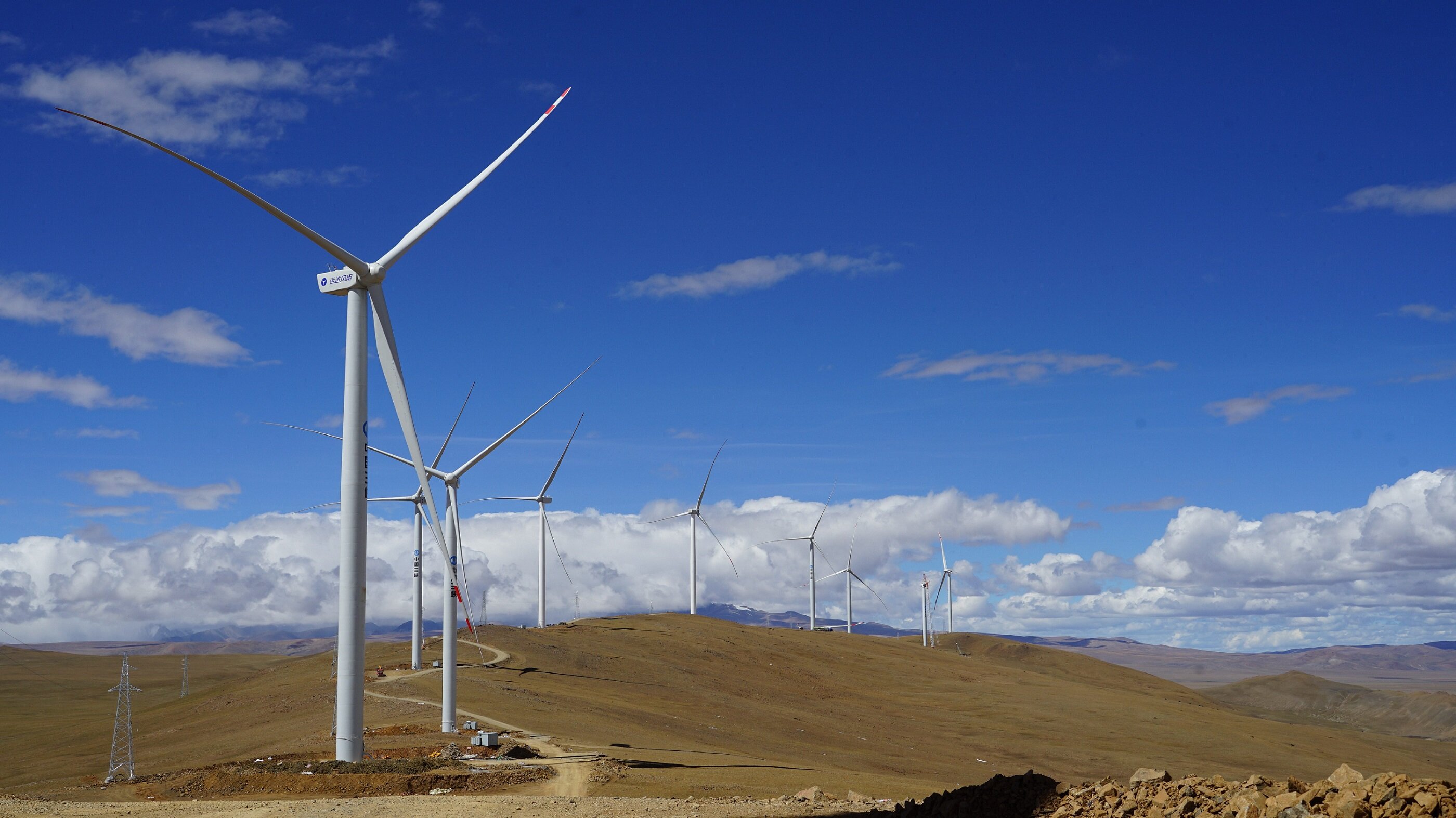
Gobi Wind Chasing Industry
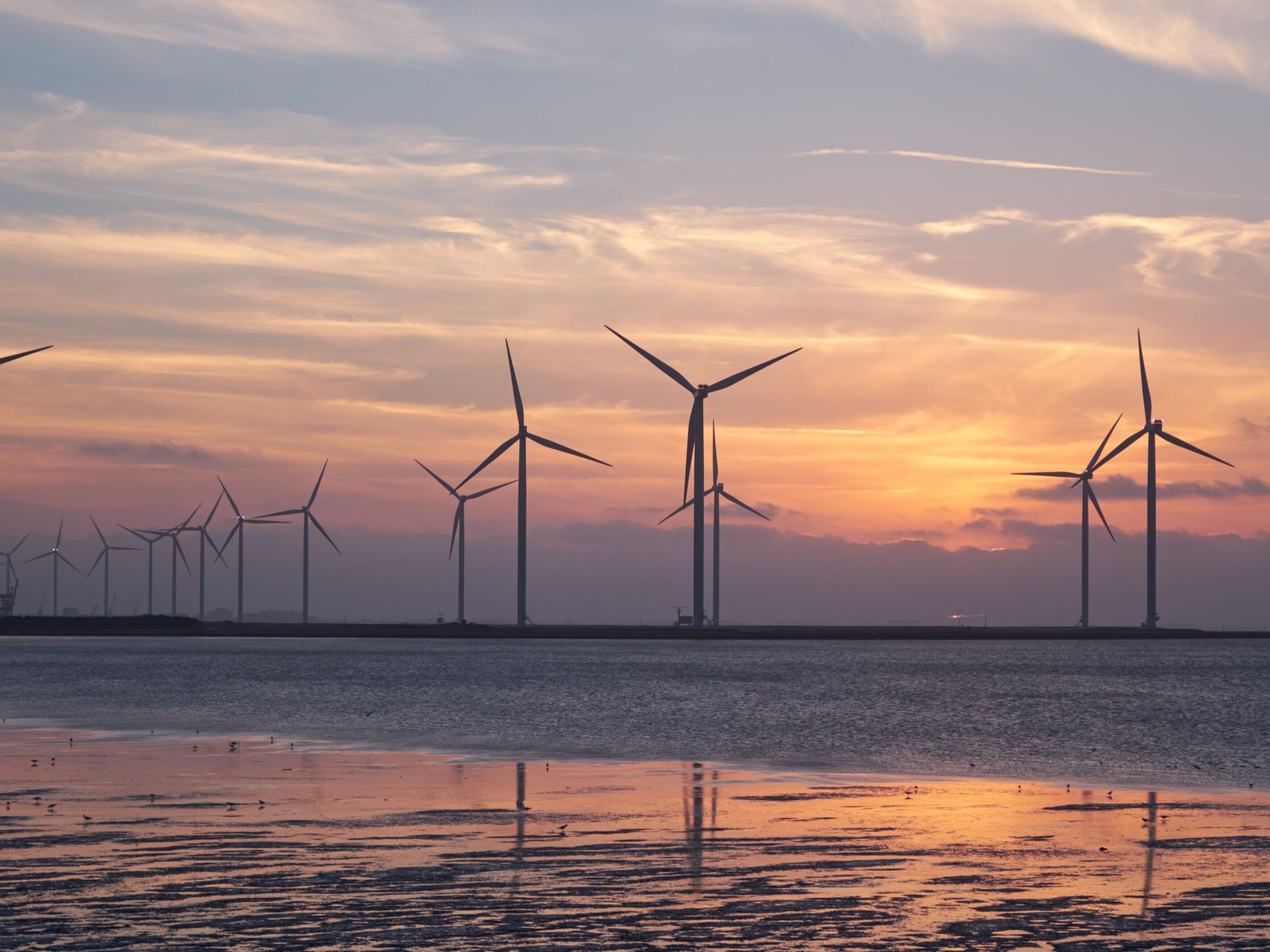
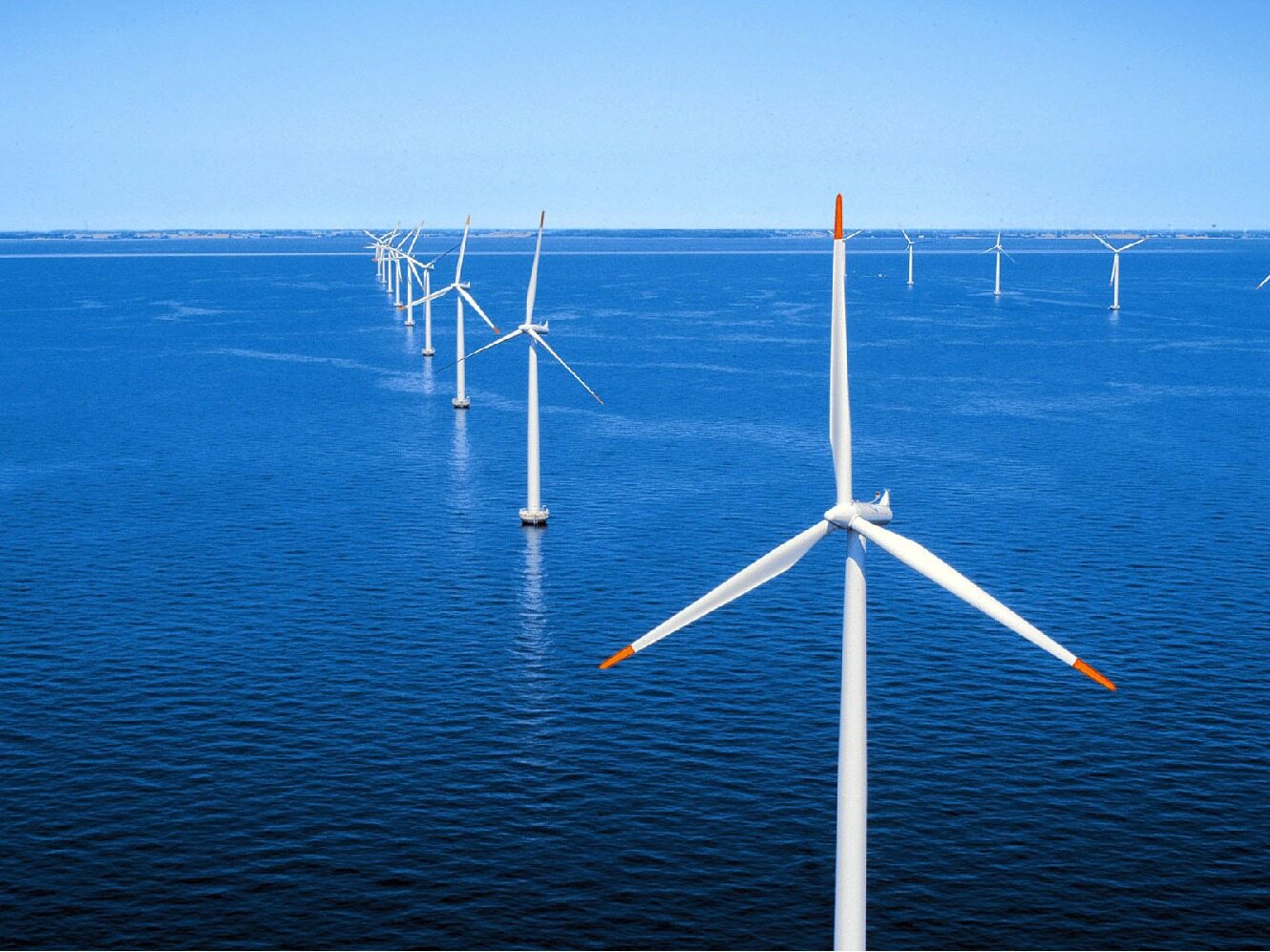
Guazhou, Gansu used to be plagued by sandstorms and strong winds, which once plagued local production and life. Now, 5480 wind turbines have taken root in the Gobi Desert, and 15 energy storage power stations have been built, with a wind power installed capacity of 12.1 million kilowatts, firmly ranking first in the country in terms of wind power installed capacity. Hou Xiaolong resigned from Shandong Thermal Power Plant in 2010 and returned to his hometown, growing from a grassroots maintenance worker to the director of the maintenance center. The local wind turbines have achieved digital intelligent operation and maintenance, and the power generation capacity of a single wind turbine has increased by more than ten times compared to earlier years. The domestic wind power industry chain has achieved comprehensive independence and controllability. By 2025, wind power equipment will be sold to more than 40 countries, and the export volume will increase by nearly 50% year-on-year.
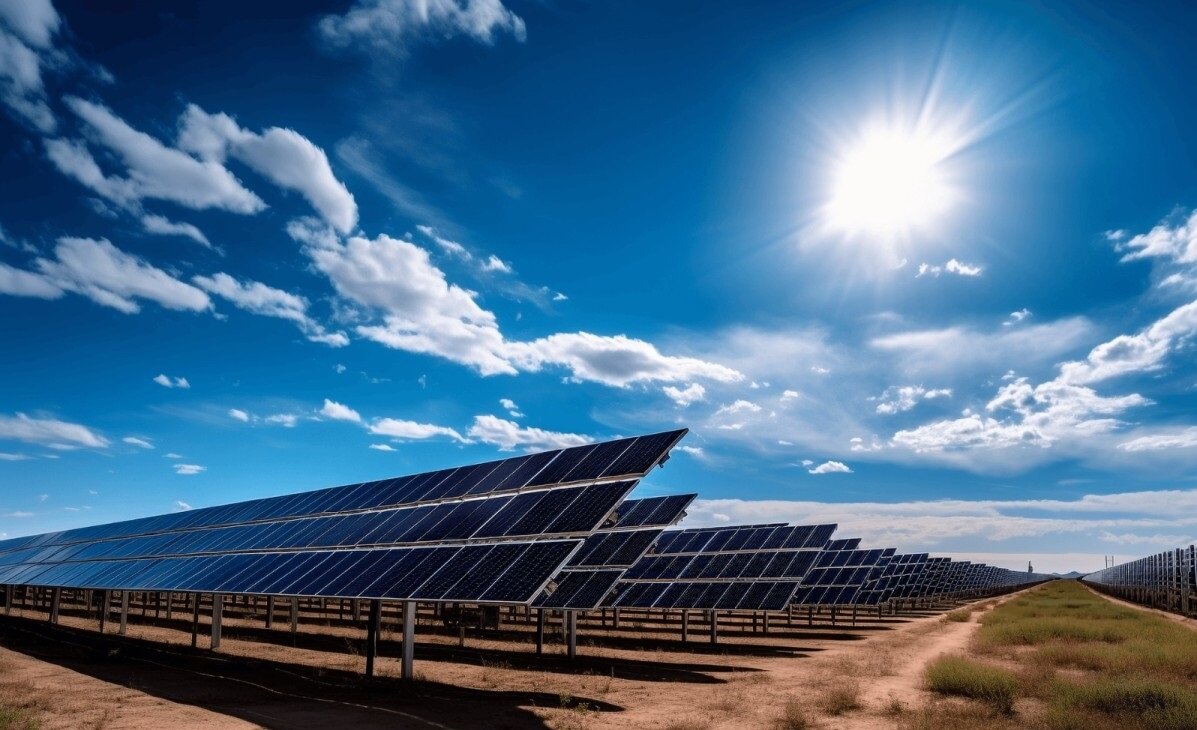
Photovoltaic sand control enriches the people
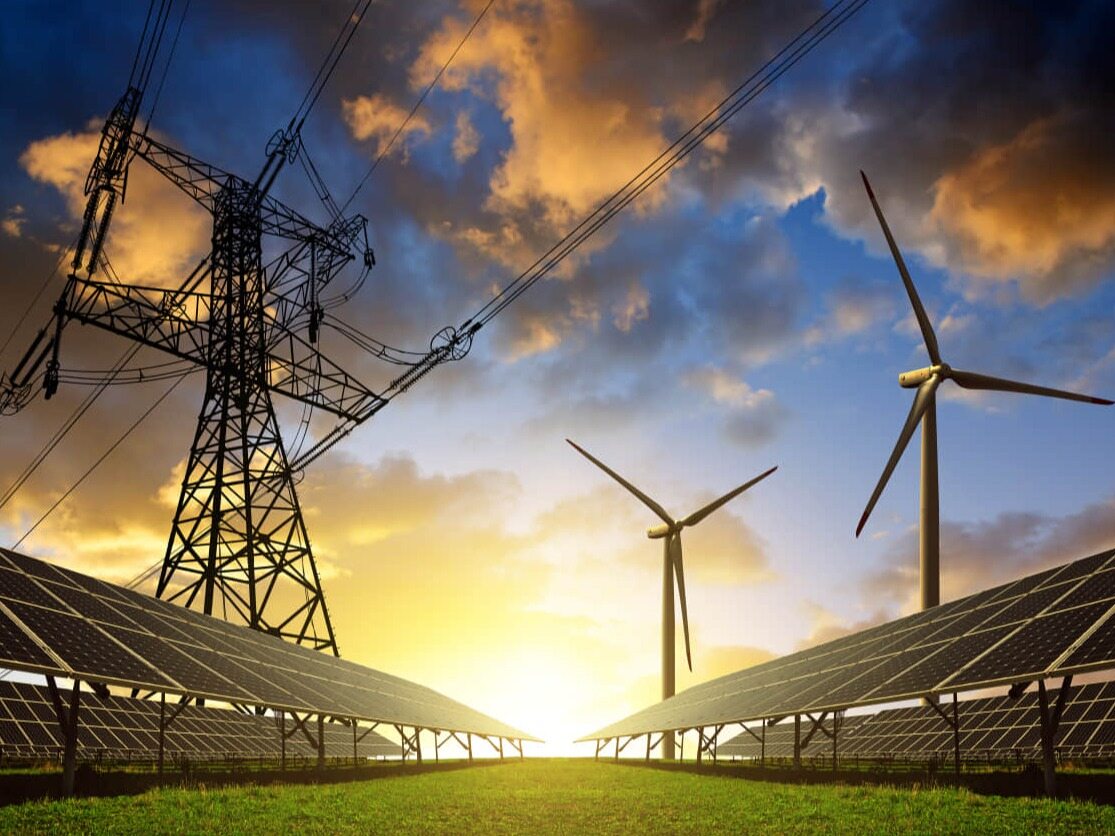
More than seven million photovoltaic panels have been laid in Talatan, Qinghai, and a large-scale photovoltaic park with a capacity of tens of millions of kilowatts has been built. The photovoltaic panels block wind and sand to improve the soil, and the regional vegetation coverage has increased from 10% to over 80%. Local villagers rely on photovoltaic management for year-round work, which can increase their income by 20000 to 30000 yuan per year. Every household in Banyan Village, Haidong has installed rooftop photovoltaics. Villager Lv Youjin uses photovoltaic electricity to stabilize brewing, and after expanding production scale, the annual income exceeds 100000 yuan. The entire village's farmers rely on surplus electricity to increase their income by 2500 yuan per year. In 2025, the village will consume 800000 kilowatt hours of green electricity, reduce carbon dioxide emissions by 261 tons, and achieve regional zero carbon cycling.
Green Power Overseas Expansion Bureau
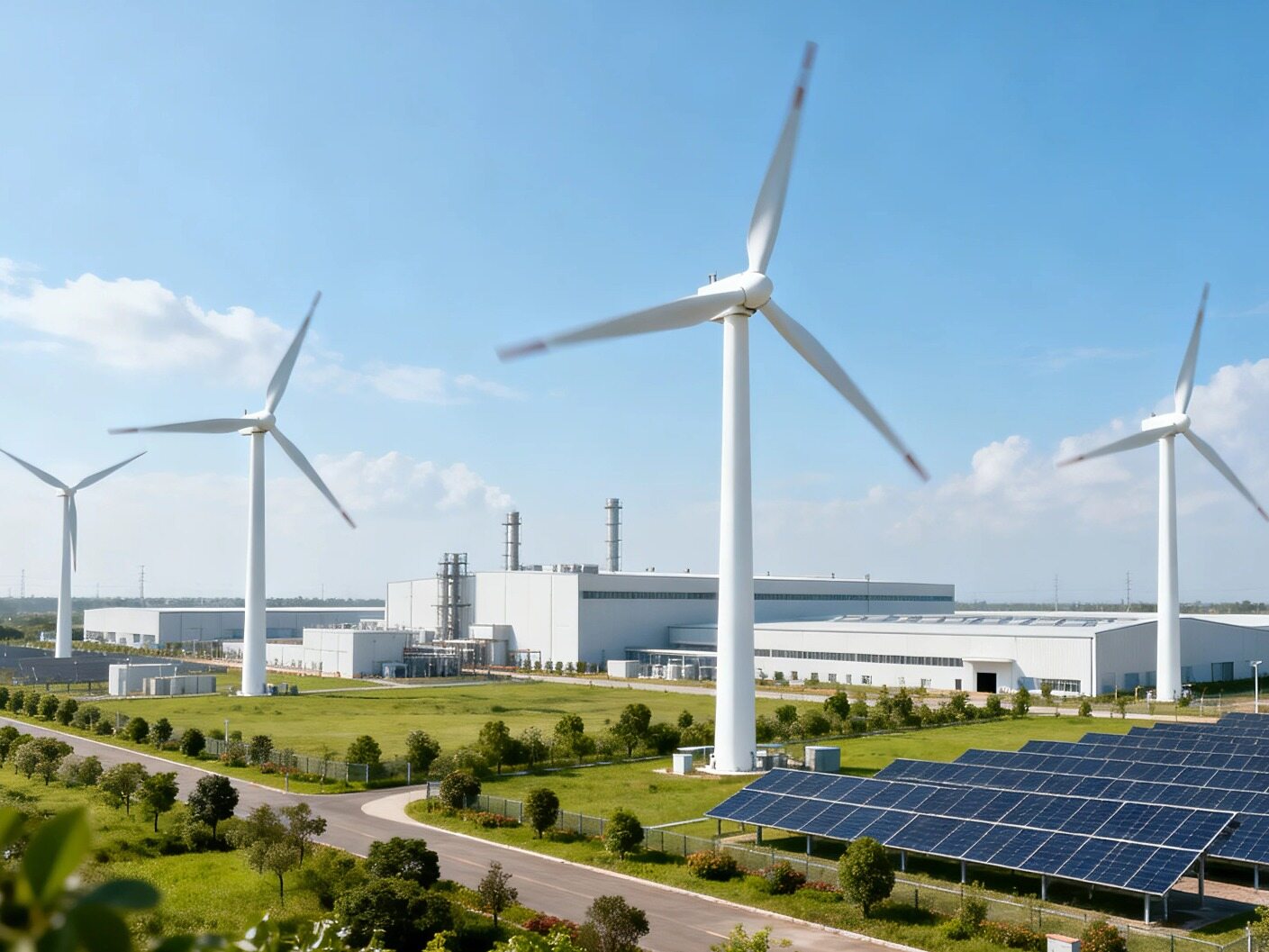
Domestic photovoltaic manufacturing capacity leads the world, with polycrystalline silicon wafer cells accounting for over 90% of the global market share and module production capacity accounting for over 80%. From January to April 2026, the export volume of domestic photovoltaic products increased by 43% year-on-year. The enterprise has mass-produced BIPV photovoltaic curtain walls, and the products have been exported to more than 20 countries including the Netherlands, Germany, and Italy through strict quality inspection. The demand in overseas markets continues to rise. According to data from the National Energy Administration, as of April 2026, the installed capacity of renewable energy in China has exceeded 2.4 billion kilowatts, accounting for 60.5% of the total installed capacity. The total grid connected wind and photovoltaic power has reached 1.911 billion kilowatts, generating 805.2 billion kilowatt hours of electricity. Wind and solar power generation accounts for 24.1% of the total electricity consumption in society. Keywords: Northwest Green Energy, Zero Carbon Rural Construction, Energy Structure Transformation
Relying on scenic resources, Northwest China has completed the transformation from a geographically remote area to the forefront of green development. Energy transformation has reshaped the regional development pattern, simultaneously improved the ecological environment, broadened the path for people to increase income, and domestically produced clean energy equipment has gone global, injecting lasting momentum into the country's low-carbon transformation. Editor/Li Xiaohua
Comment


 Praise
 Collect
 Comment

 Share
Share


Write something~