 Search


- By constructing large-scale wind and solar power stations and laying cross-border submarine cables
- Attempting to achieve a magnificent transformation towards green energy exporting countries by 2027
Under the scorching sun of the South Caucasus, Azerbaijan is quietly rewriting the country's destiny script. This country, which has long relied on "black gold" and "blue gold" - oil and natural gas - has now turned its attention to the inexhaustible wind and solar energy. With the fluctuation of mining costs for resources in the Caspian Sea and changes in the international situation, Baku is no longer satisfied with being just an energy supplier, but aspires to become a green power hub connecting the Eurasian continent.
Project acceleration and implementation
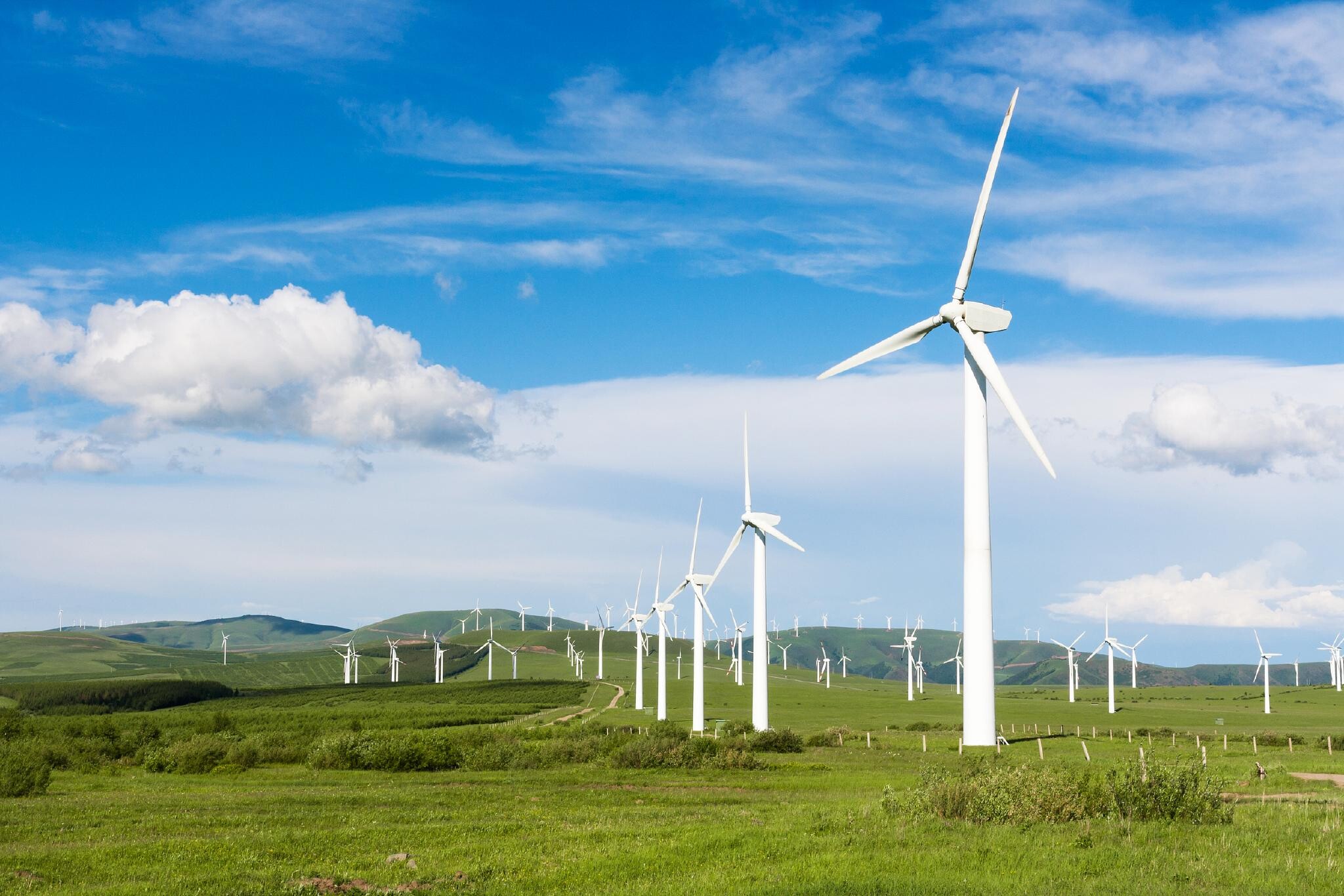
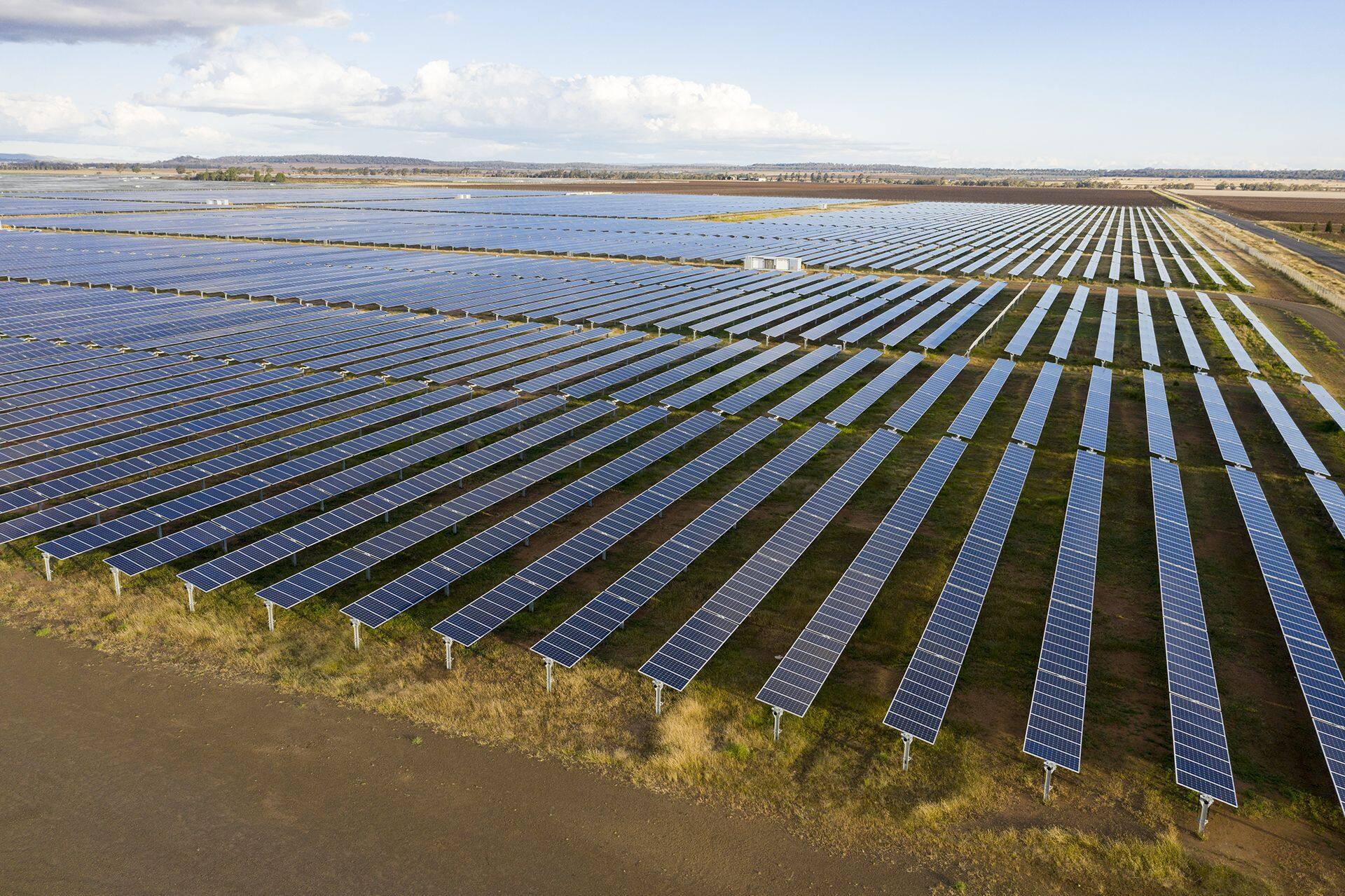
According to the latest plan from the Azerbaijan Ministry of Energy and the National Renewable Energy Agency, a grand green infrastructure campaign has begun. By 2027, the country will have built 8 photovoltaic power stations and a large 250 megawatt wind farm. This is not just talk on paper, but a concrete project schedule.
According to the phased production mechanism, four strategic sites, including a 445 MW large-scale photovoltaic power station, will be connected to the grid by the end of 2026. Among them, projects such as the Gobstein Photovoltaic Power Station are accelerating their progress through the auction mechanism. At the same time, in the enclave of Nakhichevan, Shams-1 and Nobel Energy, two regional photovoltaic projects each with a capacity of 25 megawatts, are being intensively constructed with the aim of integrating the green energy corridor within the year.
Oil and gas to green transformation strategy
For a long time, Azerbaijan's domestic electricity consumption has been highly dependent on natural gas thermal power. This "killing the chicken to get the egg" self use model consumes a large amount of high-quality natural gas that could have been exported at a high price every year, causing the country to miss out on huge international premium income. With the implementation of the EU carbon border adjustment mechanism, the export threshold for fossil fuels has been continuously raised, and the risks of traditional oil and gas exports have become increasingly severe.
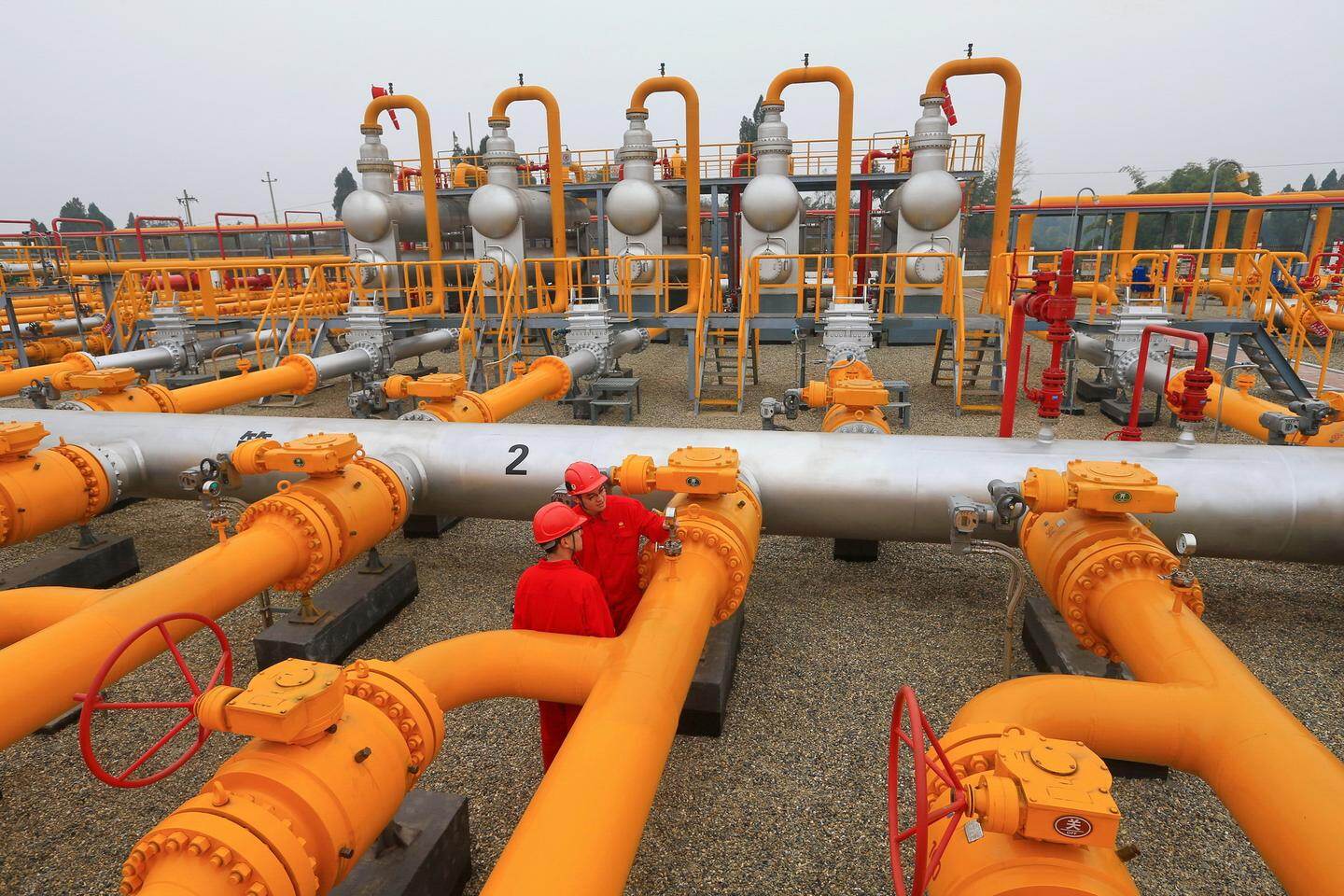
In order to balance fiscal revenue and low-carbon compliance, Azerbaijan has decided to implement the "gas electricity swap" strategy. By replacing domestic power generation fuel from natural gas with wind, solar, and green electricity, the country is able to free up more natural gas resources and supply them exclusively to the European Union through the Southern Gas Corridor, thereby maximizing oil and gas export profits. At the same time, this has also smoothed out the impact of international energy price fluctuations on the domestic market and improved urban air quality.
Cross border transmission perspective
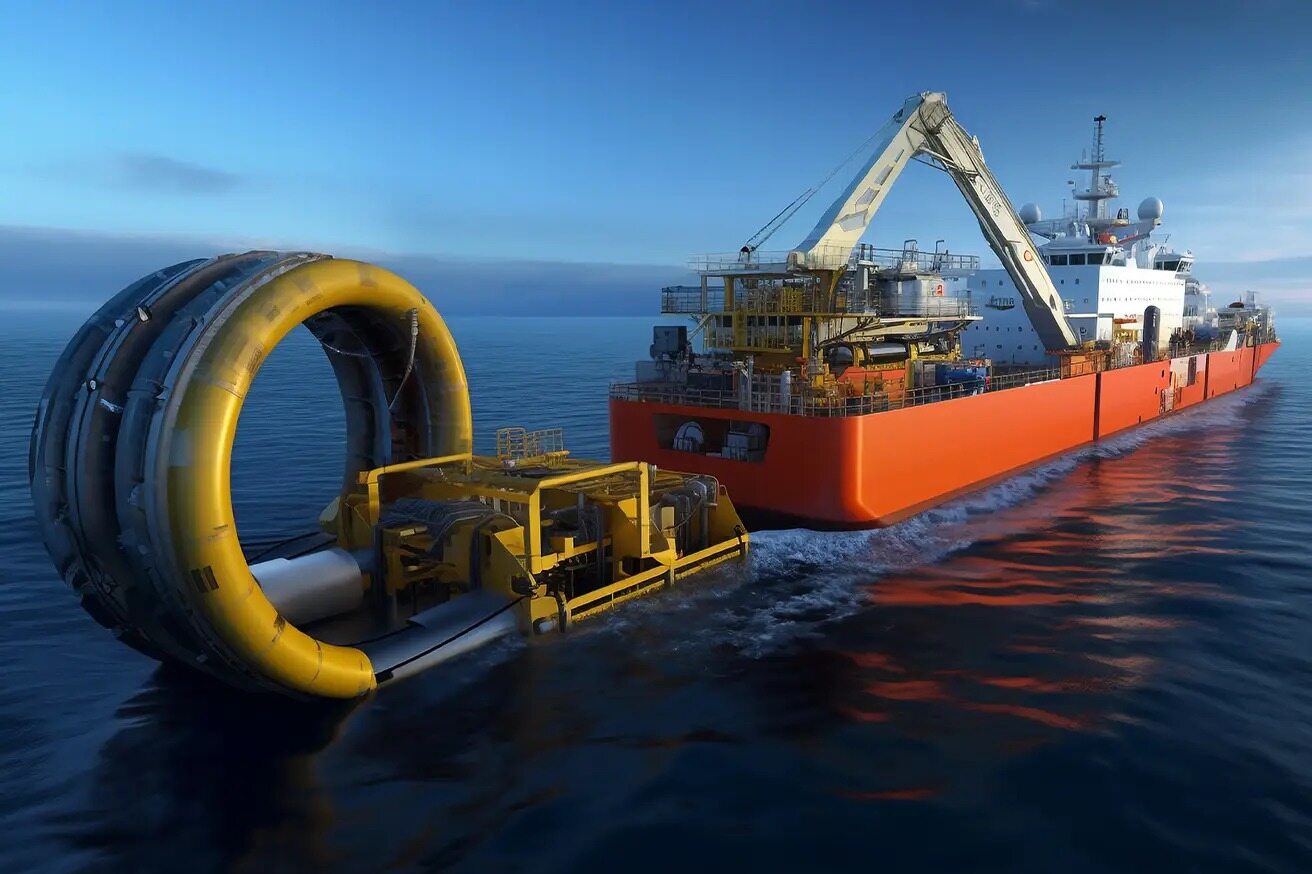
Azerbaijan's ambition goes beyond self-sufficiency. The country is planning to open multiple cross-border green power export channels by 2030, with the core being a mega project spanning the Black Sea - laying submarine transmission cables to Georgia, Romania, and Hungary, and thus building a land transmission corridor across Europe.
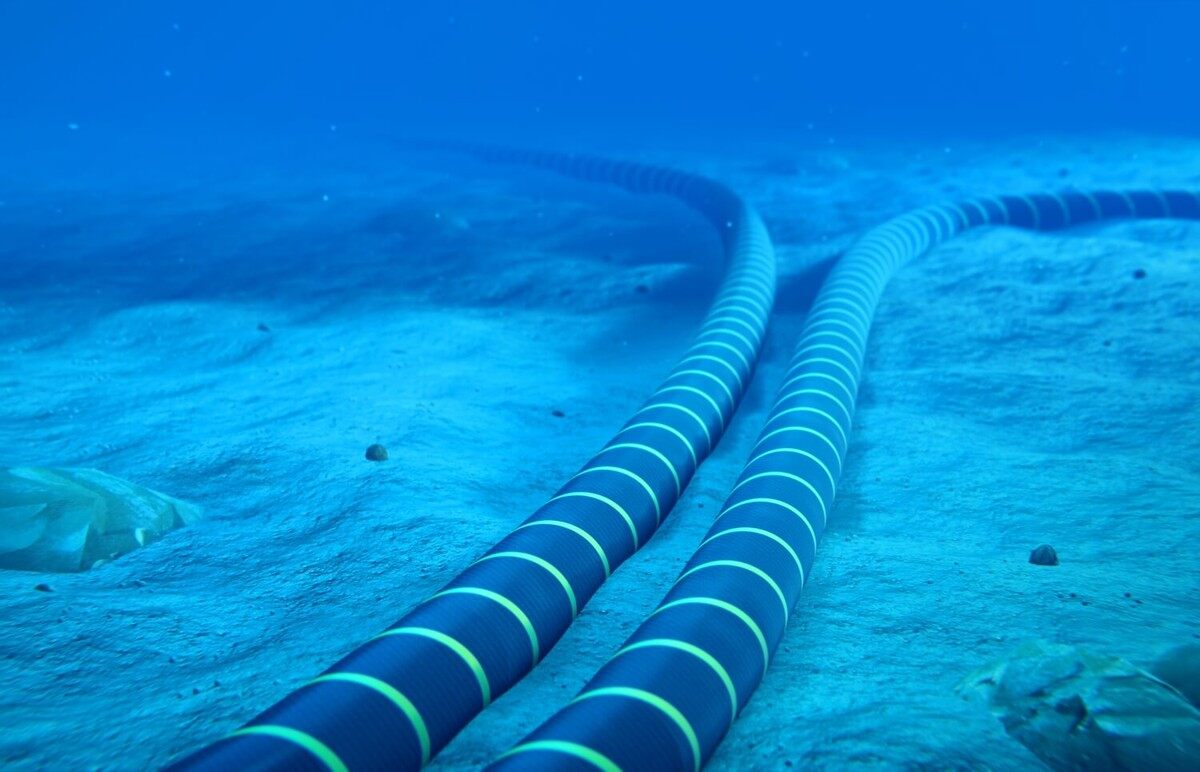
This layout has a strong geopolitical perspective. On the one hand, it directly connects with Europe's urgent need to purchase clean energy from external sources, and sends Azerbaijan's green electricity directly into the European power grid; On the other hand, by binding to the EU energy supply chain, Azerbaijan not only consolidates its regional energy discourse power, but also occupies a core post fossil energy position in the South Caucasus region. In addition, the country is committed to building an operation and maintenance system based on local enterprises, cultivating independent engineering and technical capabilities, and gradually reducing dependence on overseas oilfield services.Editor/Yang Meiling
Comment

 Praise
 Collect
 Comment

 Share
Share


Write something~