 Search


- Private enterprise capital deeply participates in urban rail transit, solving the long-term lagging problem of Hanoi subway construction
- Social capital supplements infrastructure funds, reshaping the investment and financing development pattern of Vietnam's transportation projects
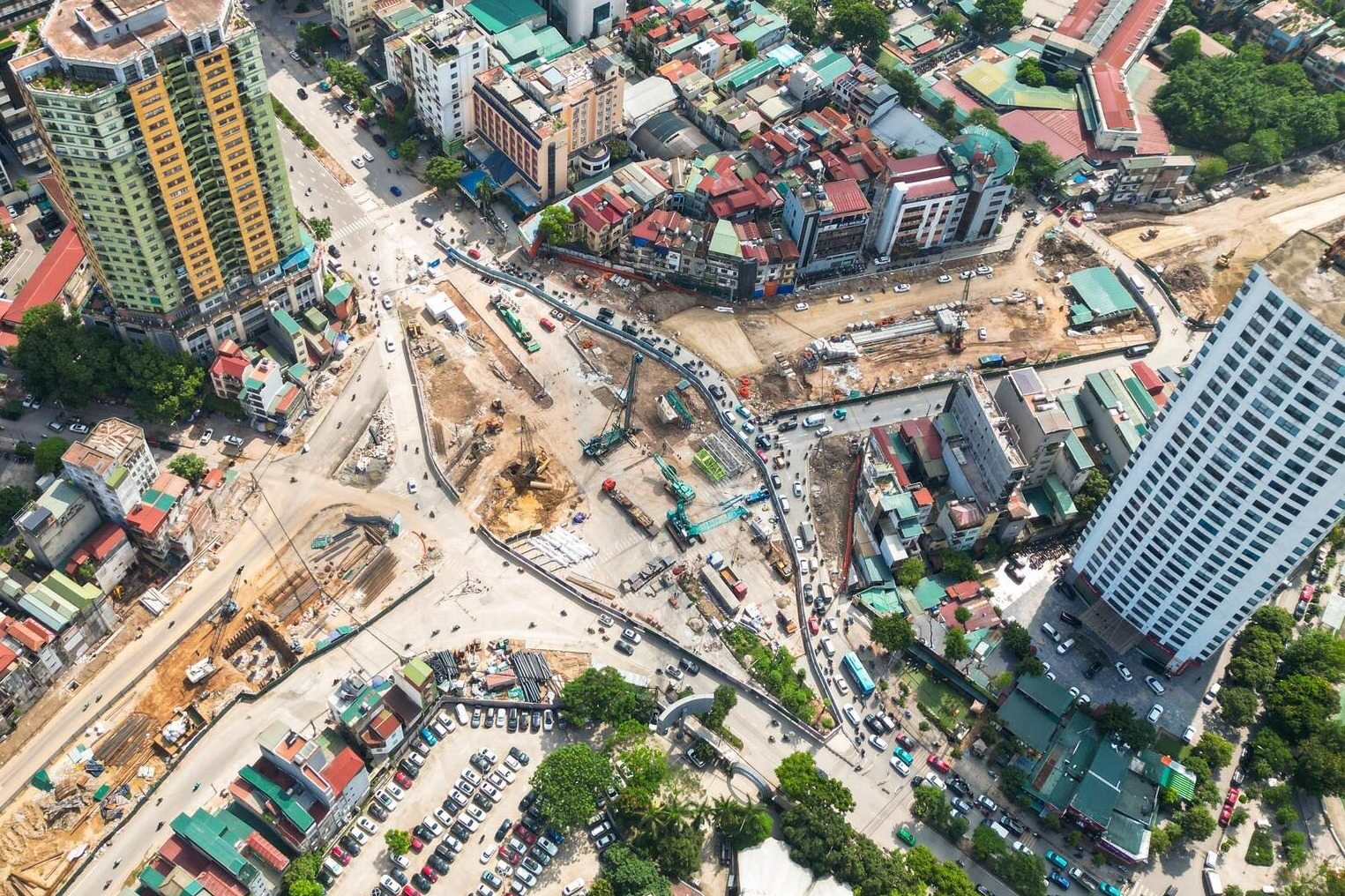
The construction of the Hanoi subway has been slow and repeatedly put on hold for a long time, and now it is facing a strong disruptor. Vietnam's richest man Ph ạ m Nh ậ t V ượ ng has made a big move, pressing the accelerator button for local infrastructure.
Giant landing subway project
Vietnam's richest man Ph ạ m Nh ậ t V ượ ng has once again laid out major infrastructure projects. Recently, the Hanoi Municipal Government officially signed a contract with a subsidiary of Vingroup Group, led by Ph ạ m Nh ậ t V ượ ng, to invest in and promote the construction of Hanoi's urban rail transit project. The total investment of this subway project is about 4.9 billion US dollars, making it one of the hottest and largest urban infrastructure projects in Vietnam in recent years.
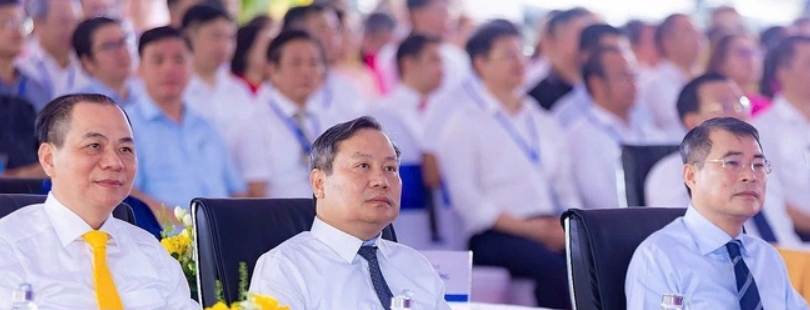
For over 20 years, Vingroup, led by Ph ạ m Nh ậ t V ượ ng, has continuously expanded its business scope and has successively entered multiple core areas such as real estate, cultural tourism, medical education, and new energy vehicles. Now, he has shifted his investment focus to urban public transportation and intensified his efforts in Hanoi's subway infrastructure.
Industry analysis indicates that this investment is not just a simple commercial layout, but also marks the formal entry of Vietnamese private capital into national level major infrastructure projects. Hanoi, which has long been plagued by traffic congestion, has introduced leading private enterprises to participate in subway construction, which will effectively accelerate the construction process of the local rail transit network.
Creating a new model of infrastructure construction
As the capital of Vietnam, Hanoi has a permanent population of over ten million, but currently there are very few subway lines in operation. According to the local transportation development plan, Hanoi will build a rail transit network with a total length of over 600 kilometers in the future, covering the airport, old and new urban areas, and surrounding satellite cities comprehensively.
Previously, multiple subway projects in Hanoi were repeatedly delayed due to issues such as funding preparation, land acquisition and demolition, and multi-party coordination. The entry of Vietnam's richest man into the market is seen by the outside world as a key turning point in the development of Hanoi's subway construction. Industry insiders point out that the value of this project is not only to add new subway lines, but also to explore a new development model for Vietnam's infrastructure construction. Keywords: Vietnam, transportation, infrastructure
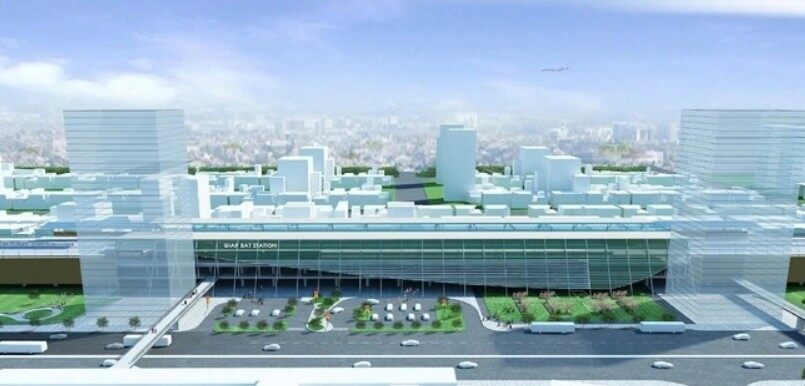
Throughout, large-scale transportation projects in Vietnam have mainly relied on government finance, ODA, and international funding support. The entry of Vingroup and Ph ạ m Nh ậ t V ượ ng promotes the introduction of social capital to participate in major projects in Vietnam, forming a new pattern of government enterprise collaborative construction. At the same time, the construction of rail transit will drive the development of upstream and downstream industries such as urban development, commercial supporting facilities, real estate, and green travel, which will have a long-term and profound impact on Hanoi's urban competitiveness and development pattern.Editor/Gong Ziwei
Comment




 Praise
 Collect
 Comment

 Share
Share


Write something~