 Search


- Marking a window of opportunity for China's energy storage to go global and welcome new opportunities
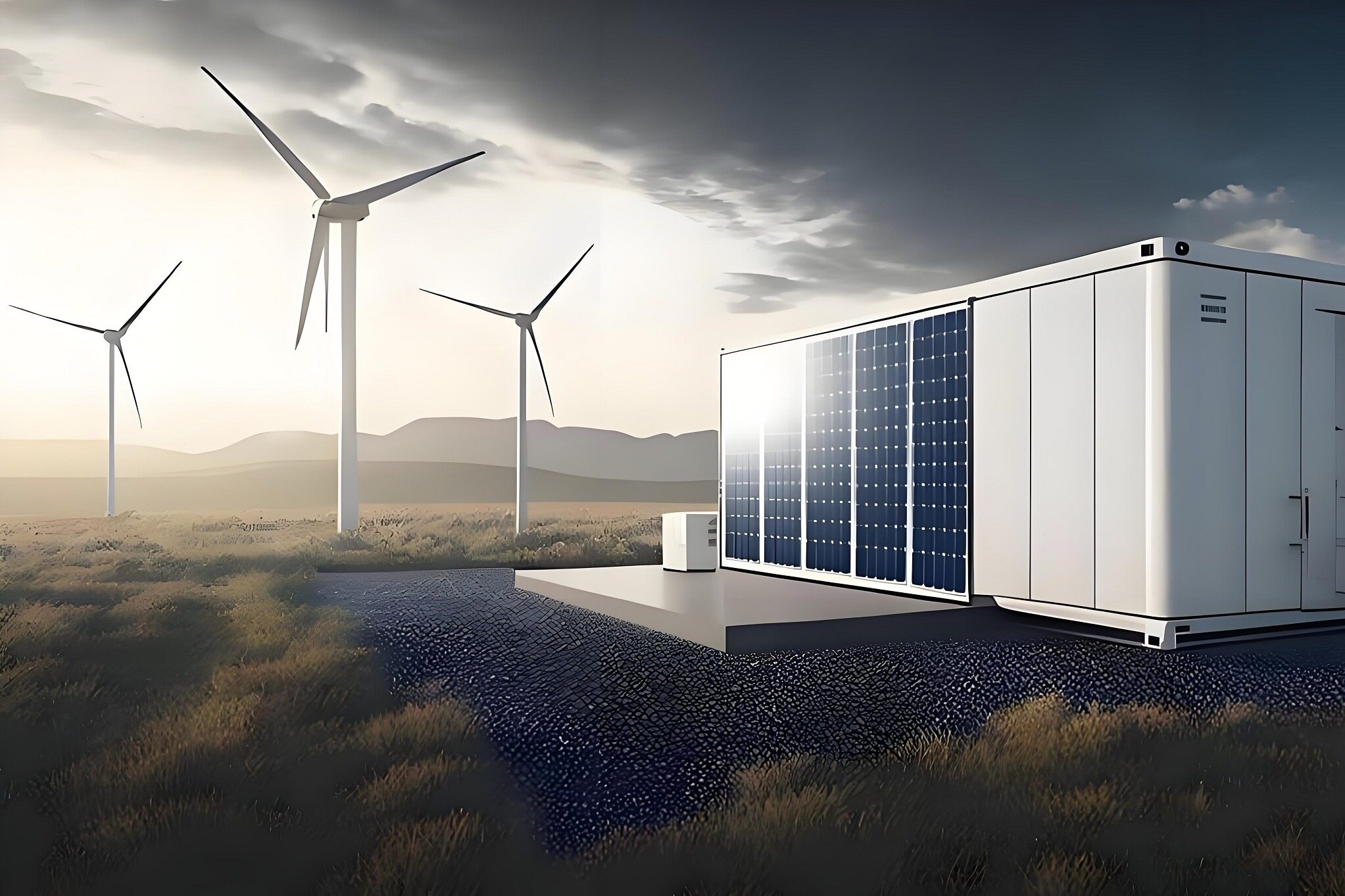
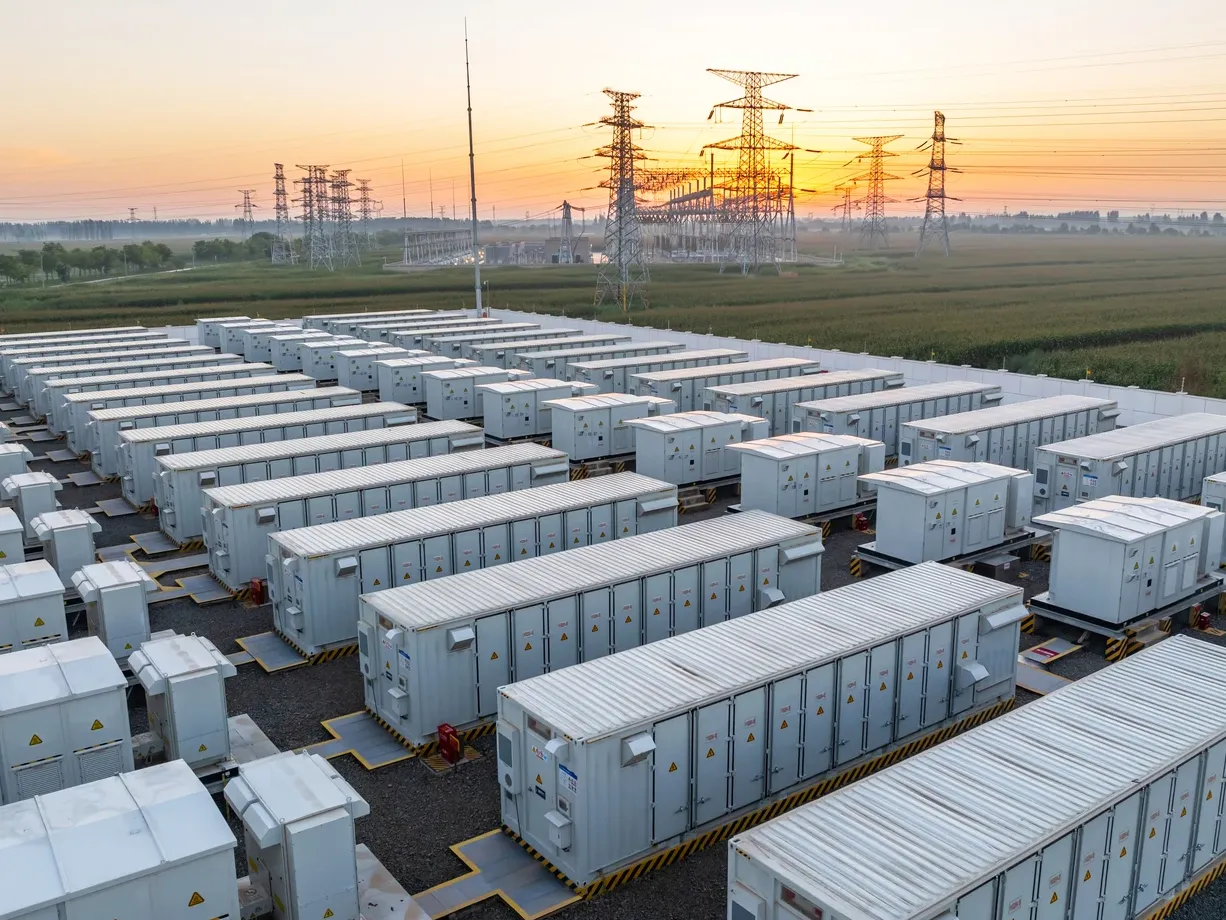
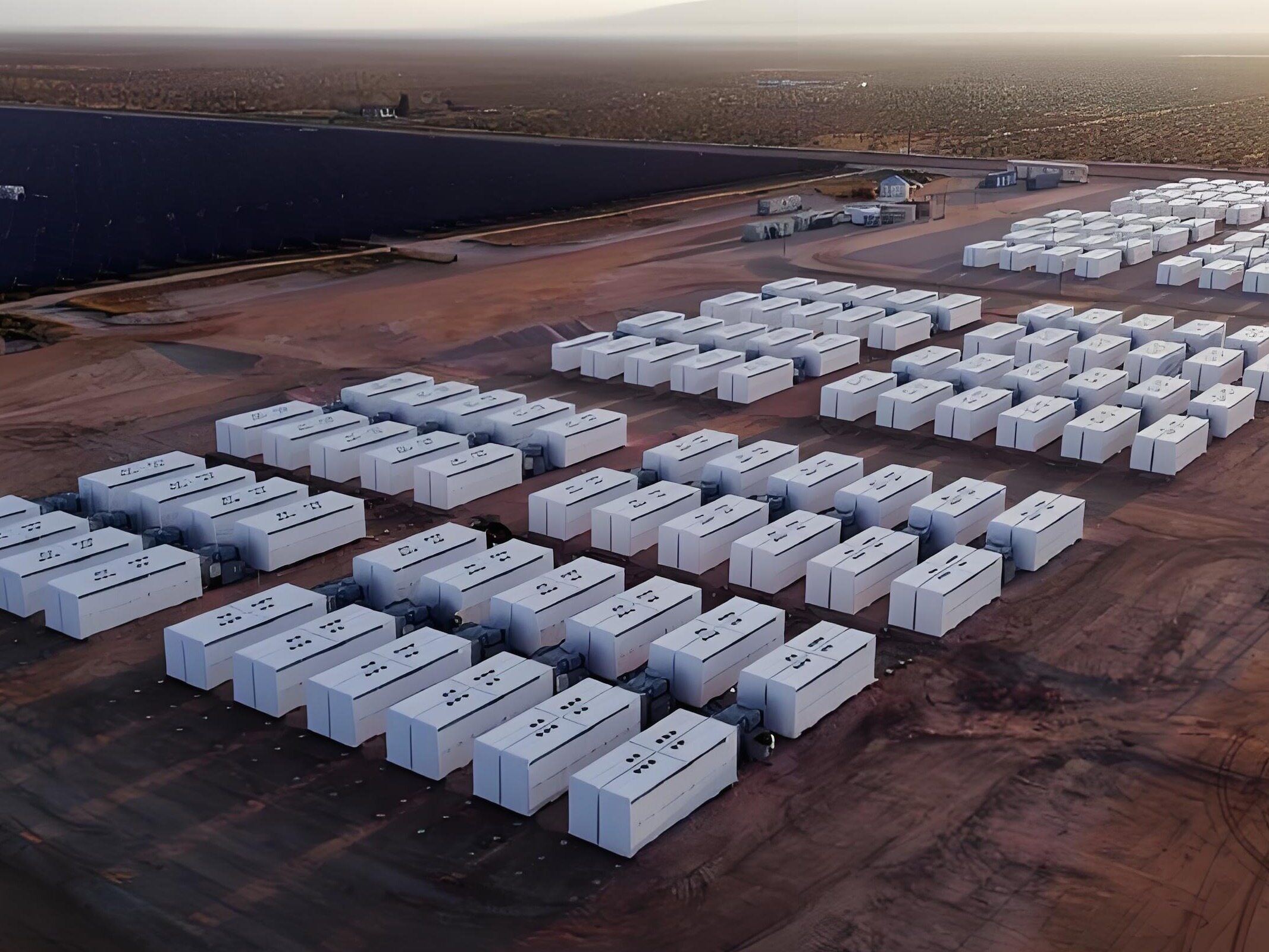
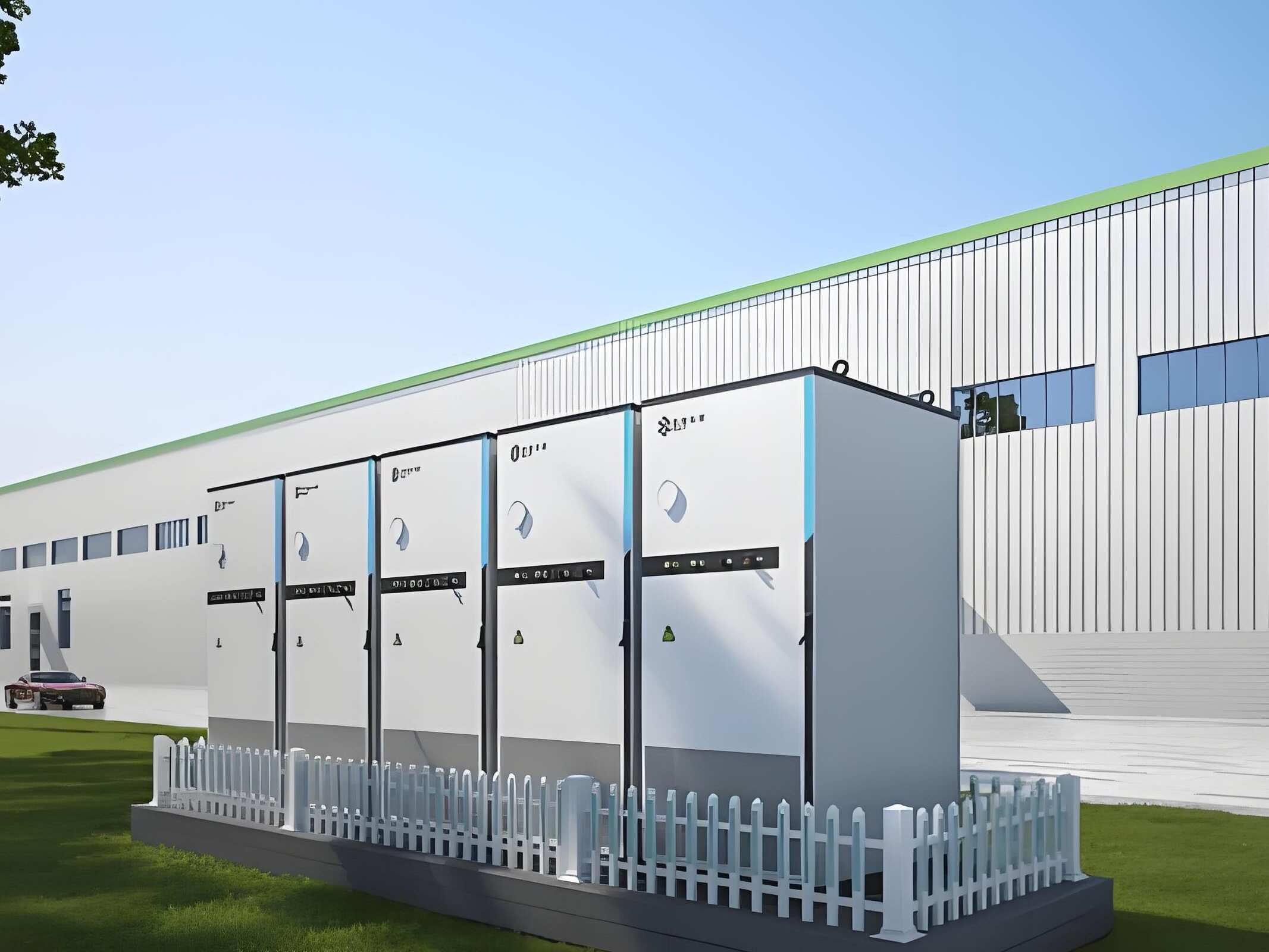
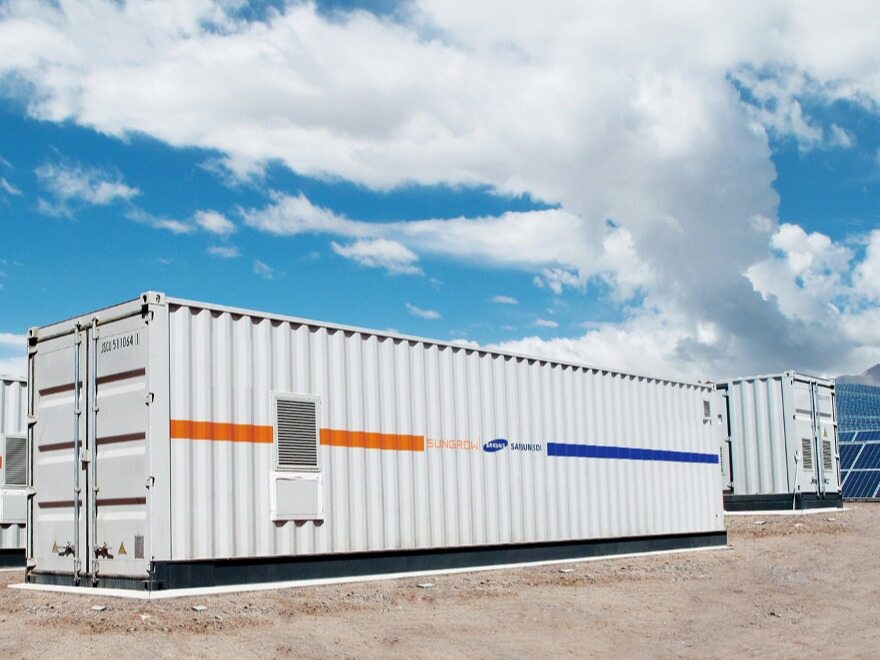
Recently, the sea breeze of Riga Bay swept over the Bolder ā ja port area, and a statement from Hungarian investment firm Futureal Energy Partners broke the calm of the Baltic energy storage market. The company has officially acquired two battery energy storage projects located around the capital of Latvia, Riga, with a total scale of 45MW/120MWh. This is not only Futureal's debut asset in the Baltic countries, but also a precise chess piece, indicating that this land, which has just completed the grid replacement, is becoming a new hotspot for global energy storage capital competition.
Four months of rapid grid connection
The underlying asset of this transaction was carefully cultivated by Aretis Group, a local developer in Latvia. Among them, the Bolder ā ja project has an installed capacity of 15MW/40MWh, and the Bi š uciems project has an installed capacity of 30MW/80MWh.
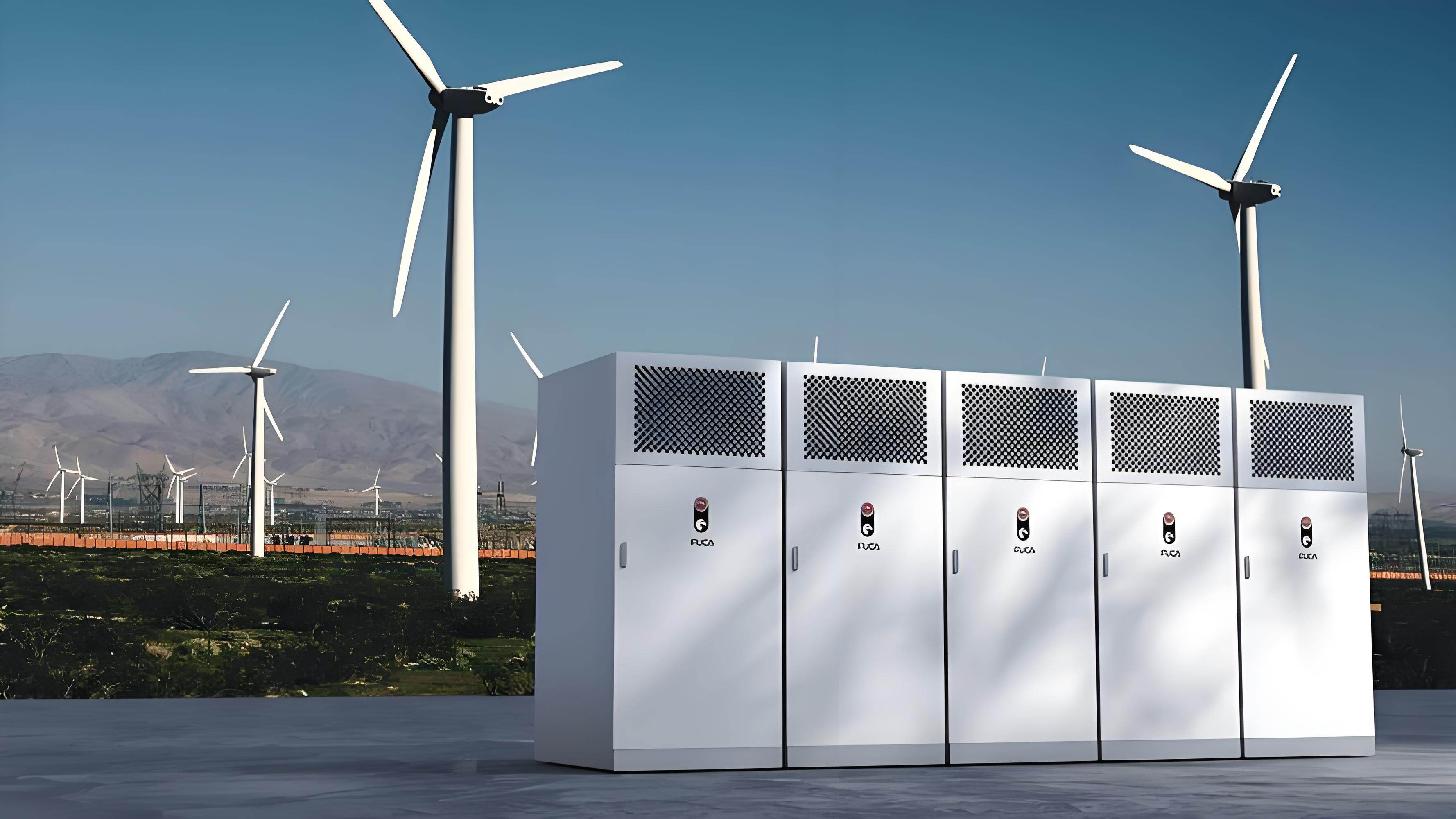
At present, both projects have locked in the power grid connection agreement and building permit, and everything is ready. According to the schedule, the project will officially start construction in July 2026 and is planned to achieve commercial operation in November of the same year. This rapid pace of progress, which only takes four months from start to operation, demonstrates the investors' eagerness to seize the winter power supply peak in 2026. After completion, these assets will mainly rely on grid balancing and auxiliary services to obtain stable income.
The integration of Russia and the internet has given rise to urgent needs
The confidence in this acquisition stems from the profound changes in the Baltic energy landscape. By 2025, Estonia, Latvia, and Lithuania will successfully cut off the BRELL power grid shared with Russia and Belarus, and fully integrate into the synchronous power grid of the European continent.
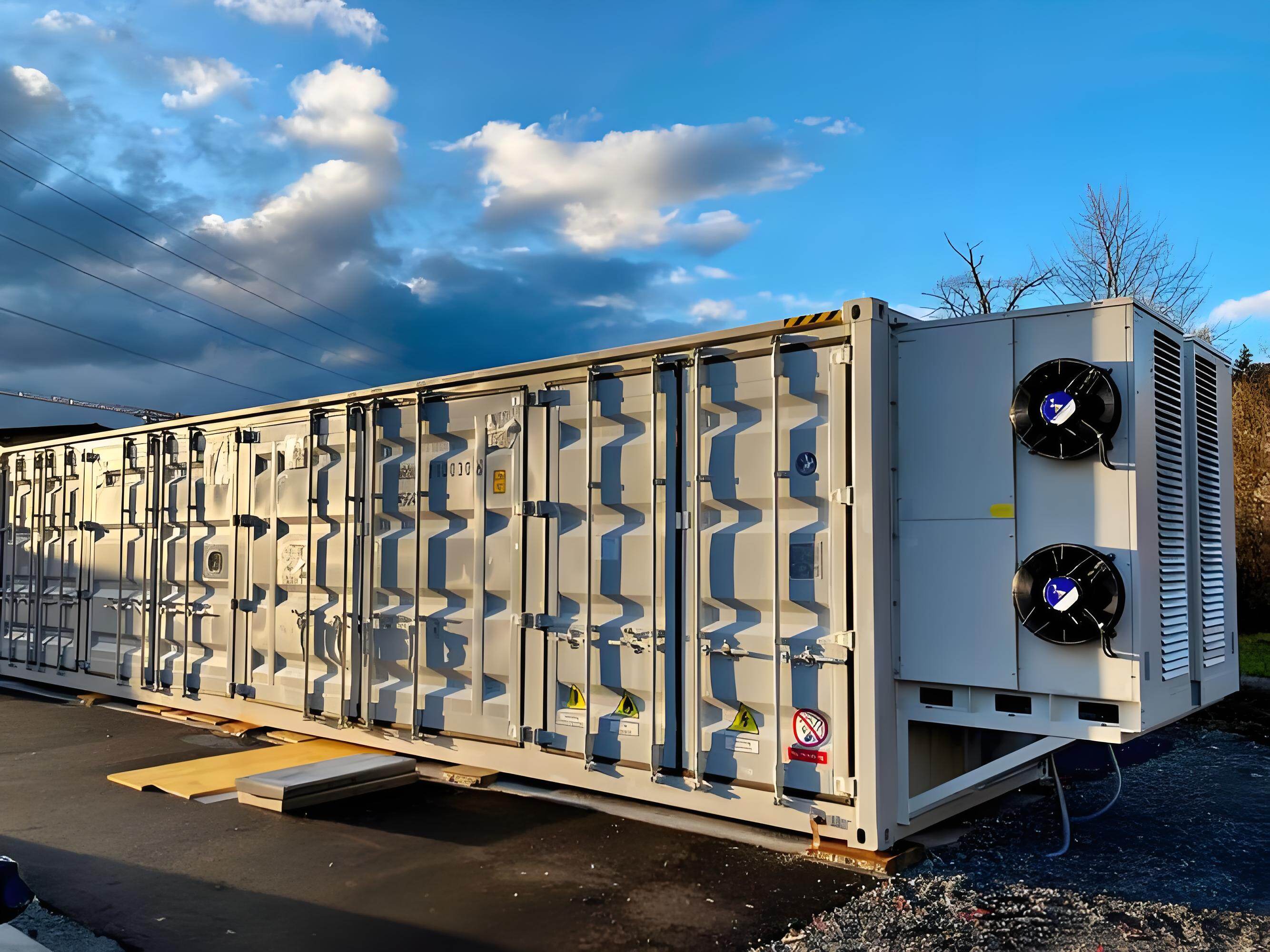
With the disappearance of external power supply, the pressure on frequency regulation and peak valley balance of the regional power grid has sharply increased. As the CEO of Futureal has stated, the market's demand for flexible adjustment resources is growing at an unprecedented rate. At the same time, the 500MWh energy storage project planned by the Latvian State Grid is also being vigorously promoted, and the 184MWh project of Estonian state-owned power producer Eesti Energia in Lithuania will also be completed in the first half of 2026. Regional energy storage construction has entered an explosive period.
China's energy storage faces an opportunity
For China's energy storage industry, this Eastern European transformation contains enormous strategic opportunities. Compared to the red ocean competition in the Western European market, the local manufacturing capacity in Eastern Europe is currently limited, but there is an urgent need for power grid upgrades. Coupled with strong support from EU funds, the internal rate of return of projects is generally considerable. Keywords: New energy news and information, energy storage
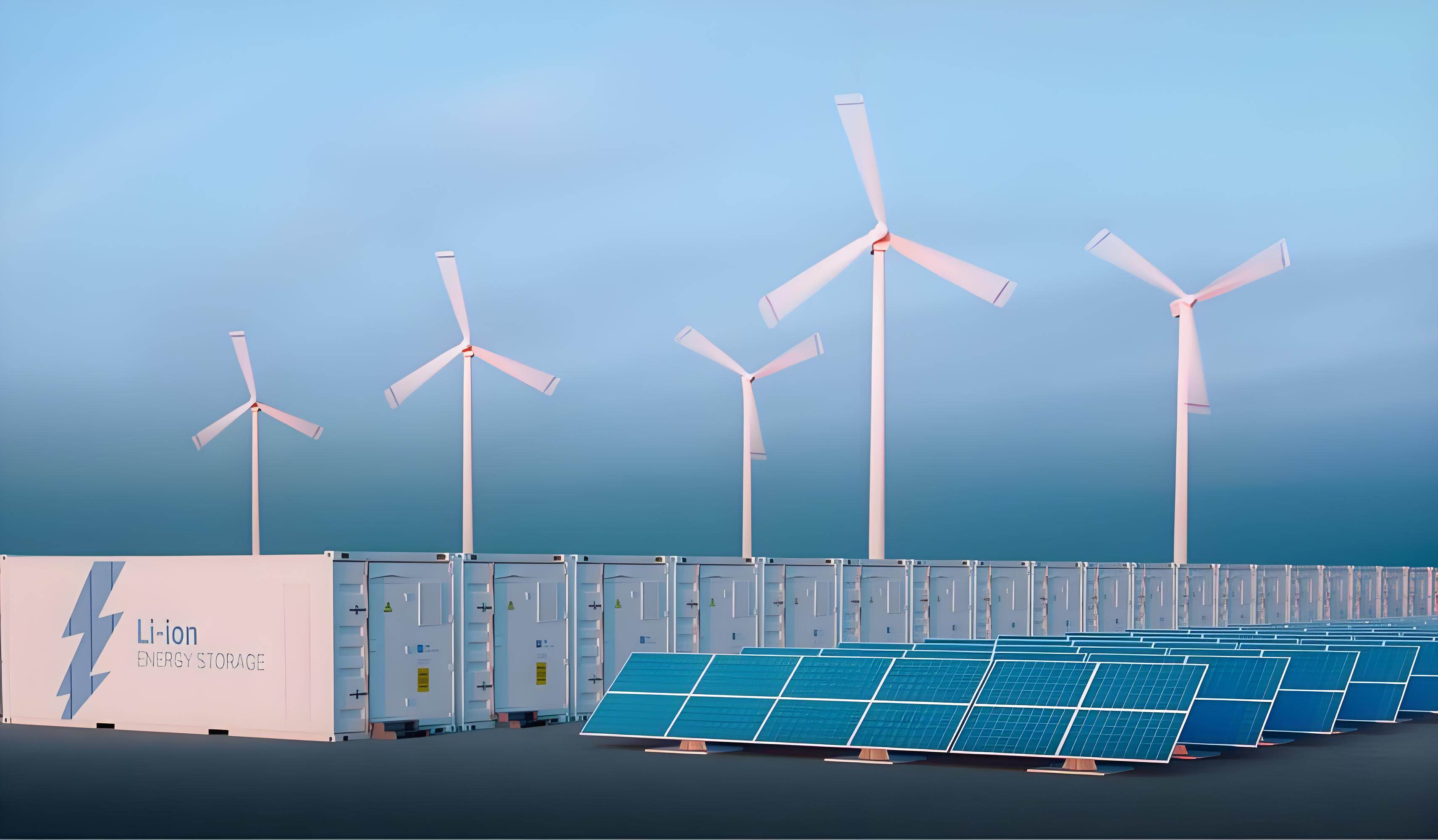
Recently, Far East Battery has signed a strategic agreement with P ä ik Company in Estonia, taking the lead in securing its position. With the expansion of international capital such as Futureal in Eastern Europe, from Finland to Poland, Chinese energy storage companies are entering a critical window period from simply exporting products to participating in regional energy governance upgrades, leveraging their mature industrial chain advantages. This energy storage cake, born from the restructuring of the power grid, is rapidly expanding along the Baltic coast in 2026.Editor/Gao Xue
Comment

 Praise
 Collect
 Comment

 Share
Share


Write something~