 Search


- Fill the gap in the local industrial chain and set a new benchmark for China's new energy to go global
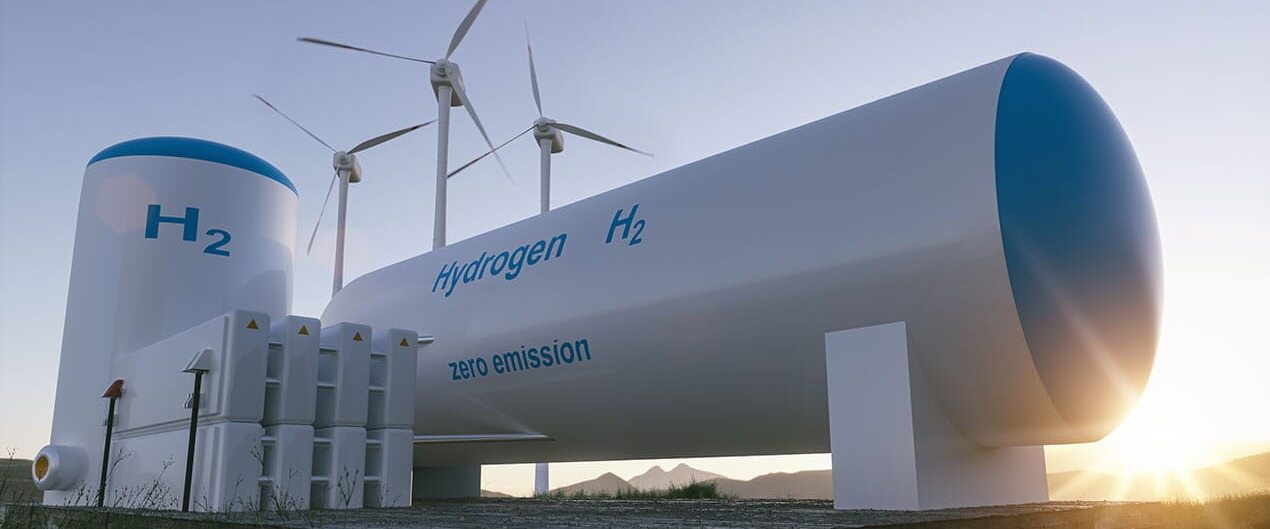
The sea breeze of Bahia State blows along the coastline of Camassari City all year round. In the past, this was just an ordinary corner of Brazil's industrial map, but now it has attracted much attention due to an invisible green force. Recently, with the unveiling of a brand new plaque, the comprehensive green hydrogen hub jointly built by Sinopec, PetroGAL BRAZIL from Portugal's Galp, HYTRON from Brazil, and SENAI CIMATEC has officially been put into operation. This not only means that the special investment of over 40 million Brazilian reals has taken root, but also marks the transition of the South American green hydrogen industry from scattered experimental fields to an industrialized era with full chain capabilities.
Implementation of closed-loop ecology
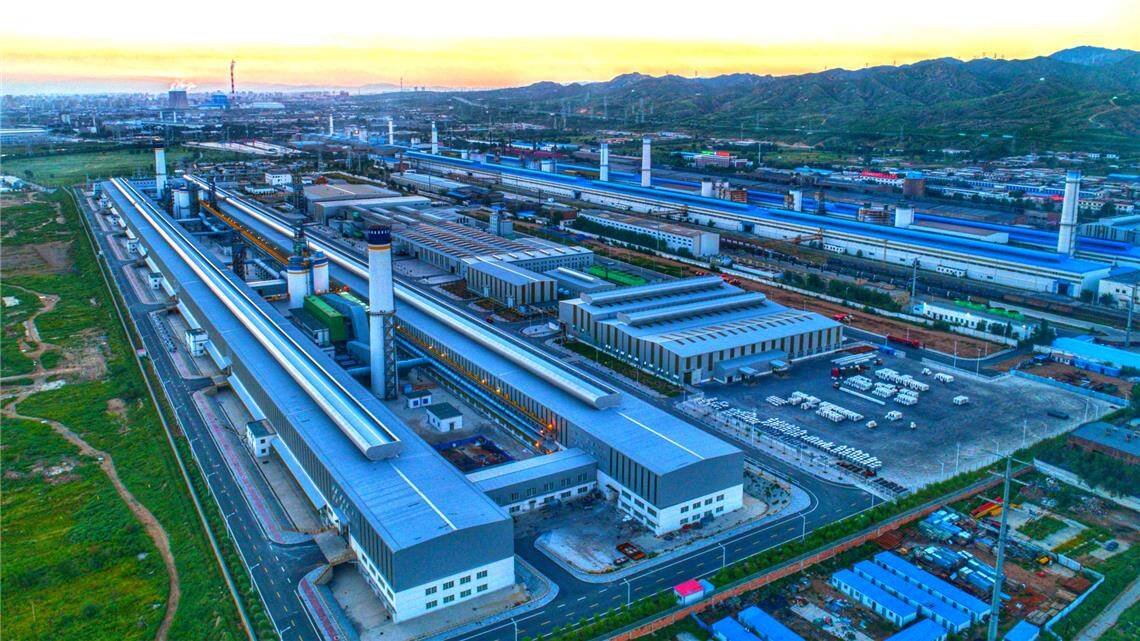
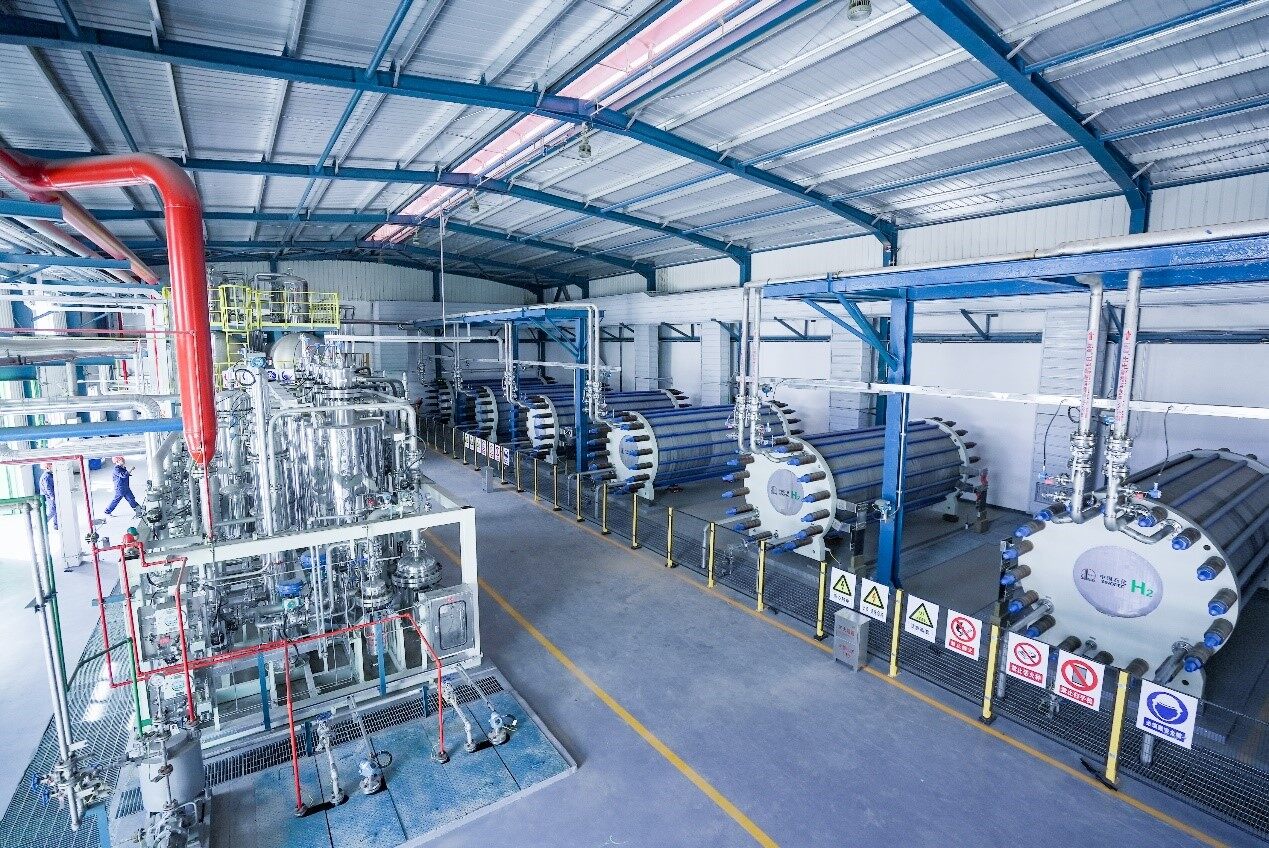
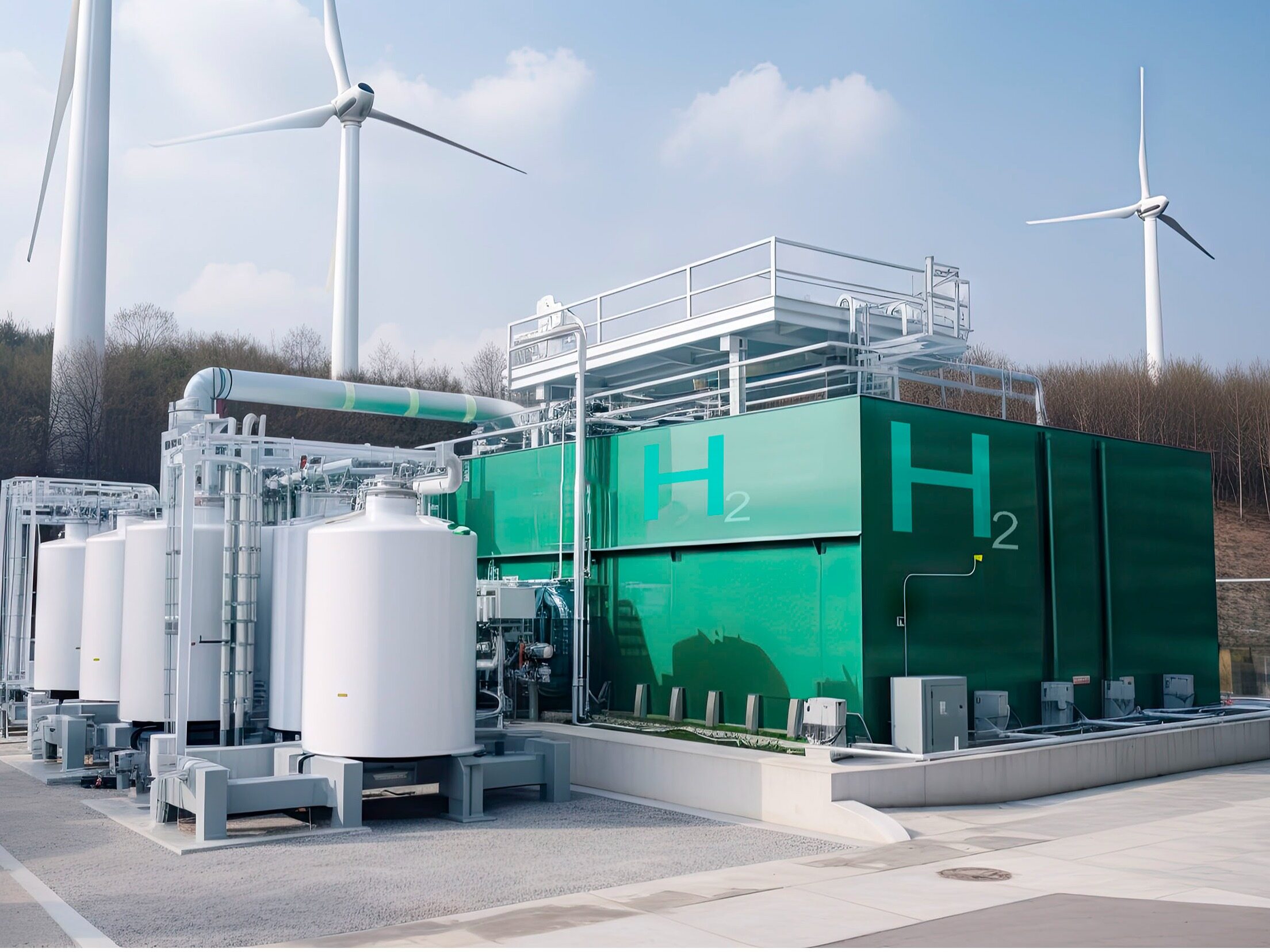
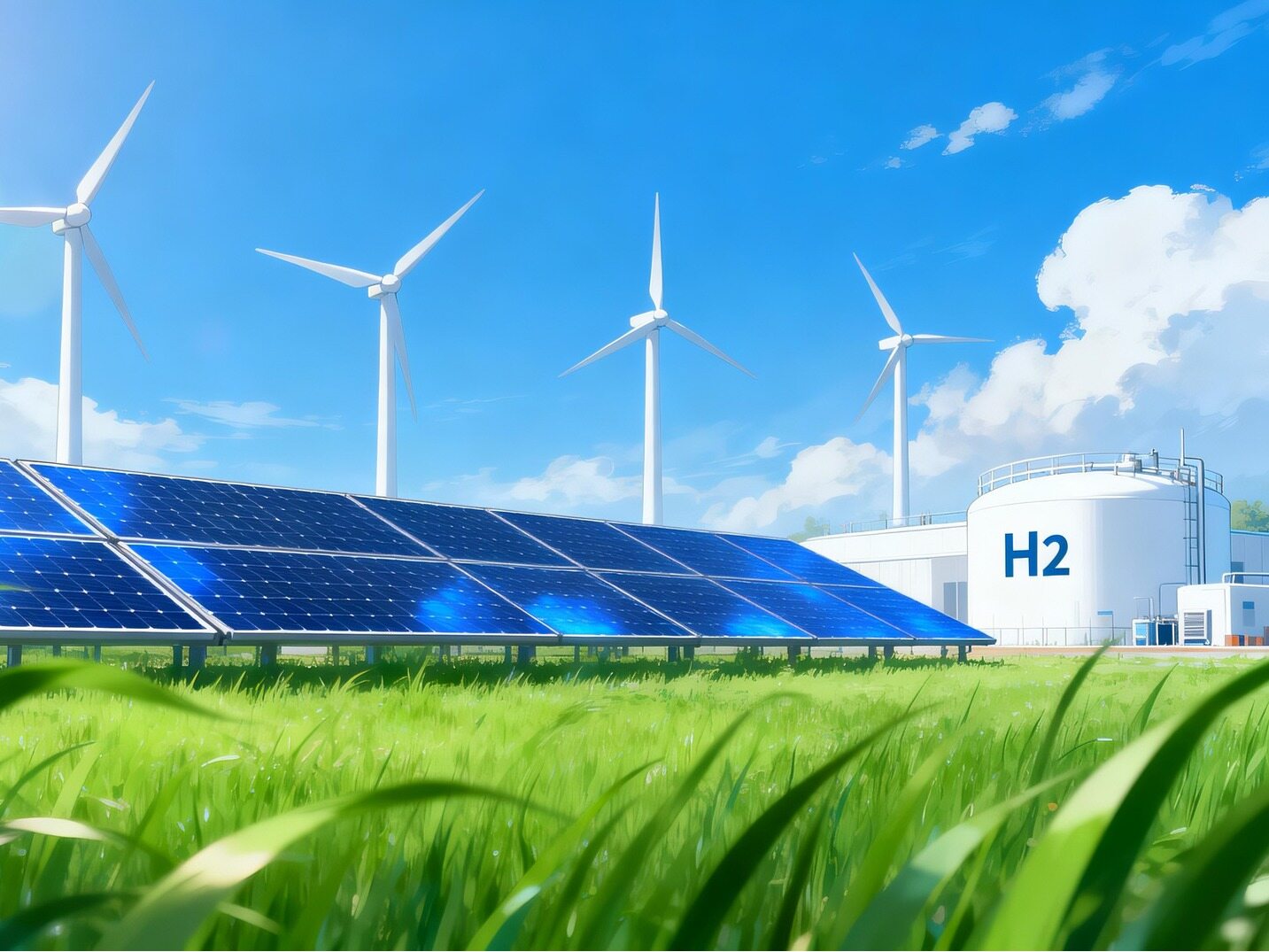
Unlike previous single hydrogen production demonstrations, this project located in the SENAI CIMATEC Industrial Park is a true "five in one" complex. In the park, the electrolytic water hydrogen production system is operating at full capacity, with 100% clean electricity provided by an independently controllable renewable energy microgrid. Here, after green hydrogen is prepared, it no longer faces the embarrassment of "nowhere to go", but directly serves transportation through vehicle hydrogenation terminals, or is used for combustion testing in professional laboratories, and even converted into green ammonia. This closed-loop design that integrates green energy storage, preparation, refueling, testing, and green ammonia conversion has solved the industry's stubborn problem of large-scale hydrogen storage and cross-border transportation, paving the way for the commercialization of green hydrogen in South America.
Trillion demand supports bottom line
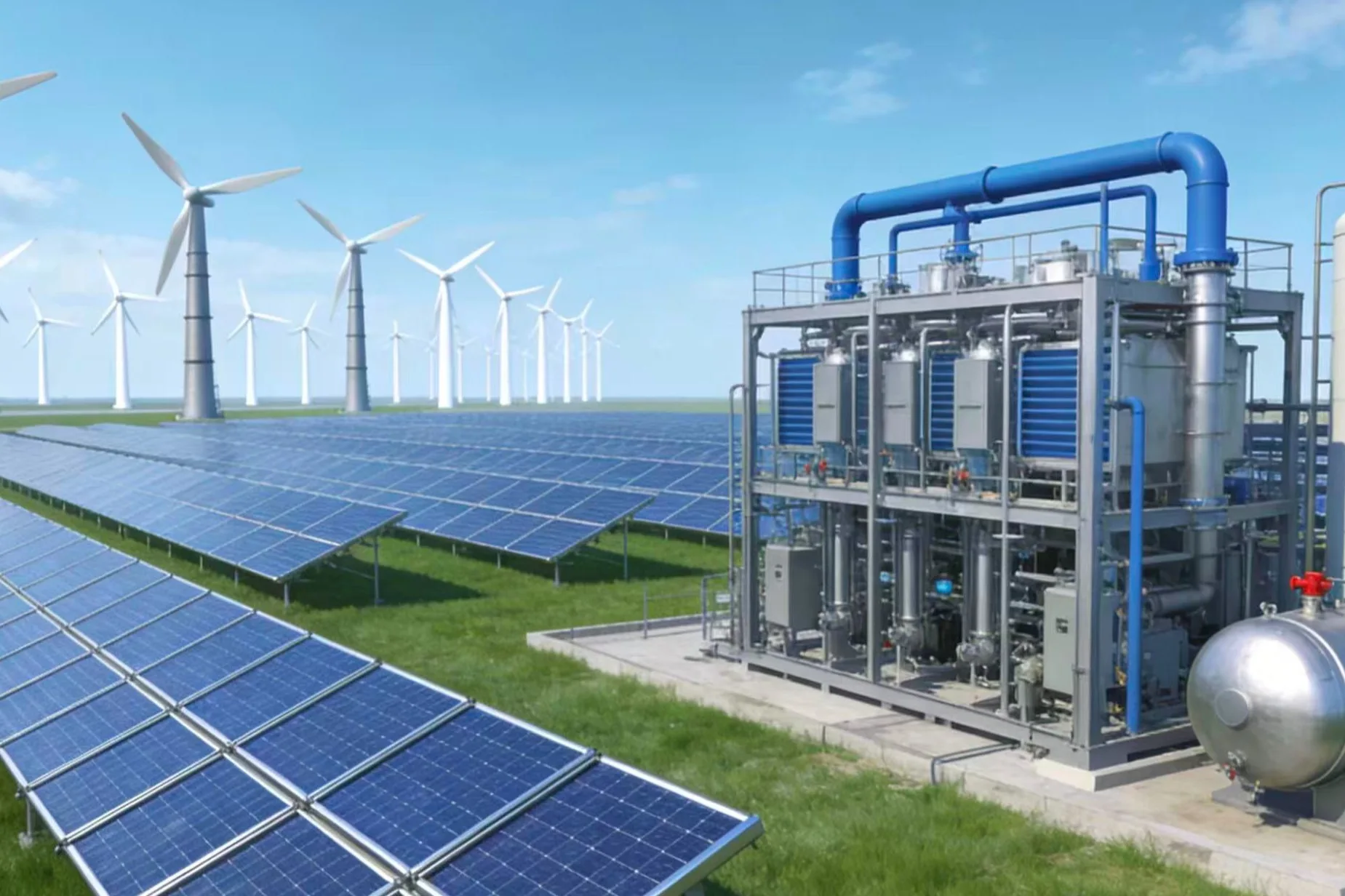
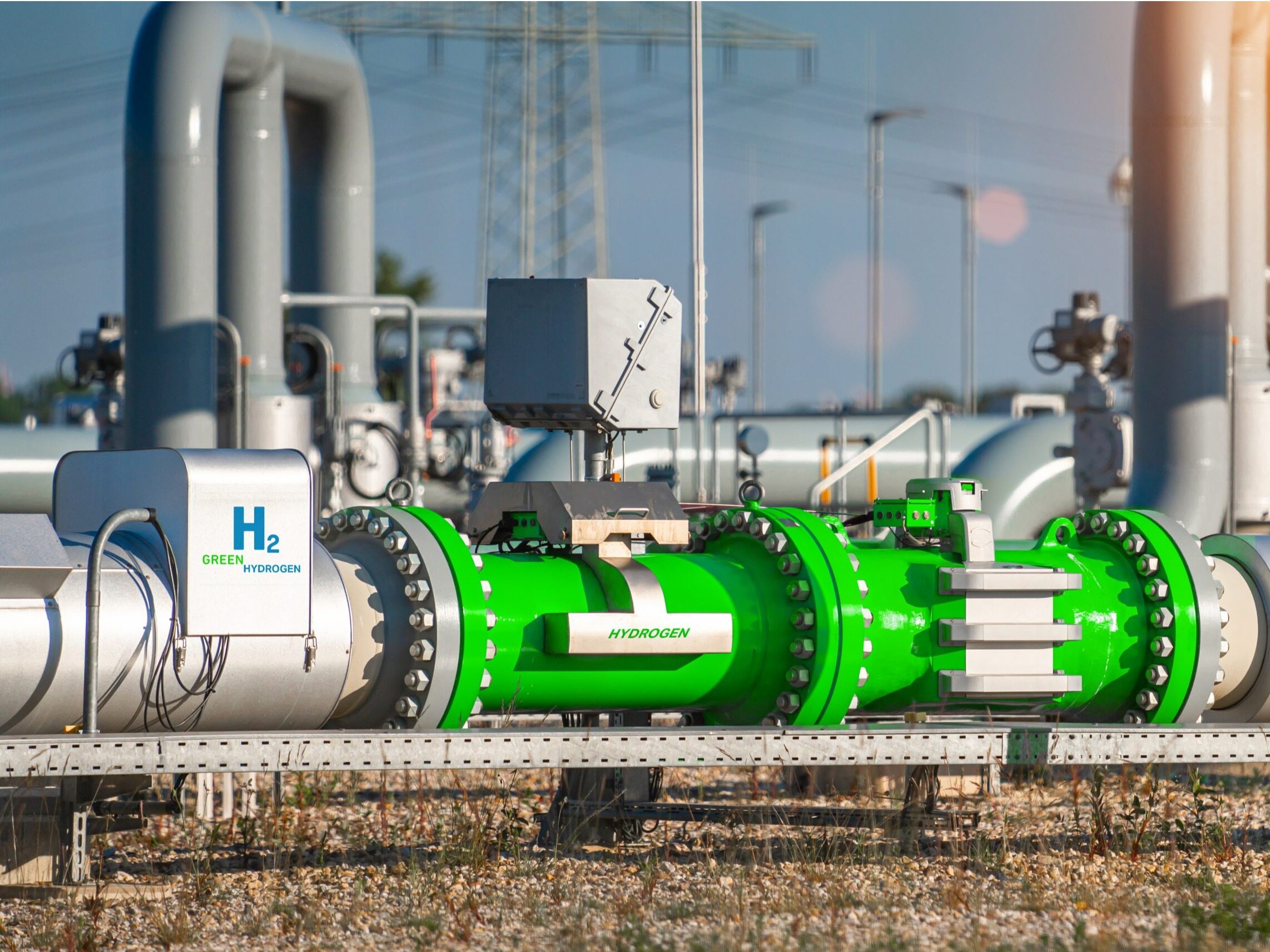
Green hydrogen is not a castle in the air, it has long been the lifeblood of global industry. By 2025, the total global demand for hydrogen has exceeded 100 million tons, with traditional industries such as synthetic ammonia, refining, and methanol forming a huge stock market. In the current turbulent geopolitical energy landscape, green hydrogen and its derivatives green ammonia and green methanol have become strategic materials for countries to ensure the security of their energy and fertilizer supply chains. For many industrial parks, directly replacing raw materials on existing production lines is the lowest cost and fastest effective path to achieve low-carbon transformation. This strong demand from the real market has opened a clear landing window for the short-term expansion of green hydrogen industry.
Scale expansion accelerates
The current green hydrogen industry is on the eve of explosive growth. Data shows that global low-carbon hydrogen production will approach 1 million tons by 2025, and it is expected that its proportion in the overall hydrogen production structure will exceed 1% for the first time in 2026. Just looking at the projects that have completed their final investment decisions, a global production capacity of 4 million tons will be formed by 2030. This expansion trajectory is very similar to the photovoltaic industry back then - the project scale has jumped from tens of megawatts to hundreds of megawatts, and the Middle East has even planned gigawatt level integrated bases. With the continuous refresh of individual scale, equipment and infrastructure costs are being significantly diluted. Driven by multipolar markets such as China, Europe, North America, and India, the global green hydrogen landscape is becoming increasingly balanced and risk resistance is significantly enhanced.keywords:New energy information network
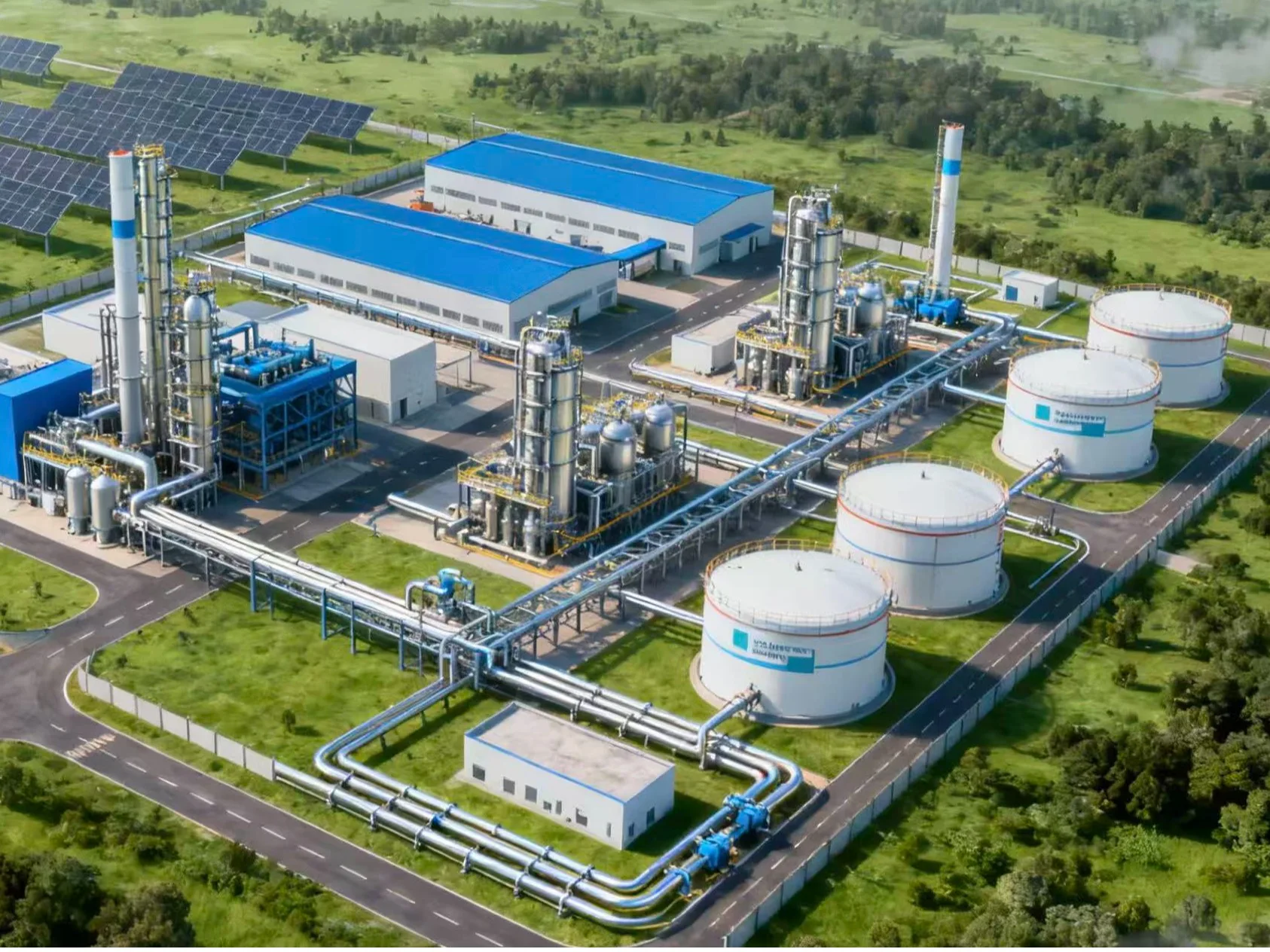
As a strategic pivot for Brazil's national energy transition, this project has received dual support from the Brazilian National Oil and Gas Biofuel Regulatory Authority (ANP) and the Brazilian Industrial Research and Innovation Company (EMBRAPII). It is not only a testing ground for technological innovation, but also a bridgehead for China's hydrogen energy industry chain to deeply root in South America. Relying on China's mature engineering technology and equipment manufacturing advantages, combined with Europe's operational experience and Brazil's local resources, this hub will serve as the core engine, radiating the entire South American clean energy market and reshaping the global green hydrogen supply chain pattern.Editor/Yang Meiling
Comment

 Praise
 Collect
 Comment

 Share
Share


Write something~