 Search


- Bulk layout of new ocean going vessels and continuous expansion of high-quality shipping leasing asset reserves
- Building green and energy-saving ship types to assist the low-carbon transformation and upgrading of the shipping industry
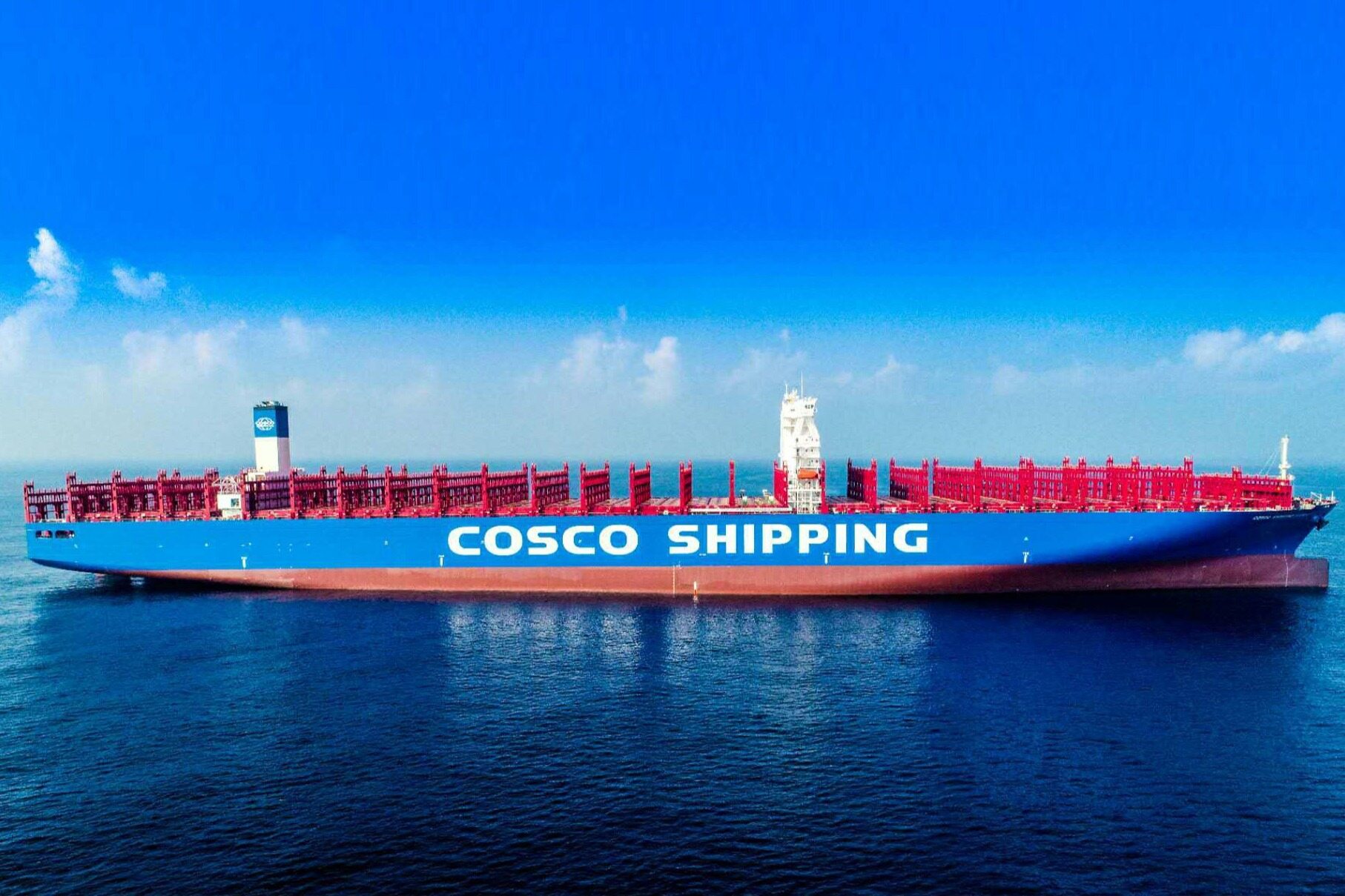
As the global shipping landscape quietly undergoes green transformation and supply chain restructuring, the upgrading of ocean going fleets has already surpassed simple capacity supplementation and become a key step for major shipping companies to layout their future. China COSCO Shipping Development Co., Ltd. has launched a heavyweight shipbuilding plan - a new batch of grain transport ships and dry bulk carriers will start construction in key shipyards in China.
Confirm a large number of new ship orders
On the evening of June 30, 2026, COSCO Shipping Development Co., Ltd. simultaneously released two announcements, announcing that it will use its wholly-owned indirect subsidiaries to place orders to build 24 new ships, with a total price of 8.656 billion yuan excluding taxes for the entire batch of orders.
Hainan COSCO Shipping Co., Ltd., a subsidiary of COSCO SHIPPING, has commissioned COSCO SHIPPING Heavy Industries Dalian Factory to construct 15 87000 ton multi-purpose grain transport ships, with a single ship cost of 319 million yuan, totaling 4.785 billion yuan excluding taxes. Fund allocation: 25% self owned funds and 75% bank loans. The construction party is affiliated with China COSCO Shipping Group, the indirect controlling shareholder of the company, and this cooperation is a related party transaction. The relevant plan has been reviewed by the board of directors, and related directors have recused themselves from voting. Further approval from the shareholders' meeting is required. The first vessel is scheduled to be delivered before June 15, 2029, and the remaining vessels will be completed and delivered in batches by the end of 2030.
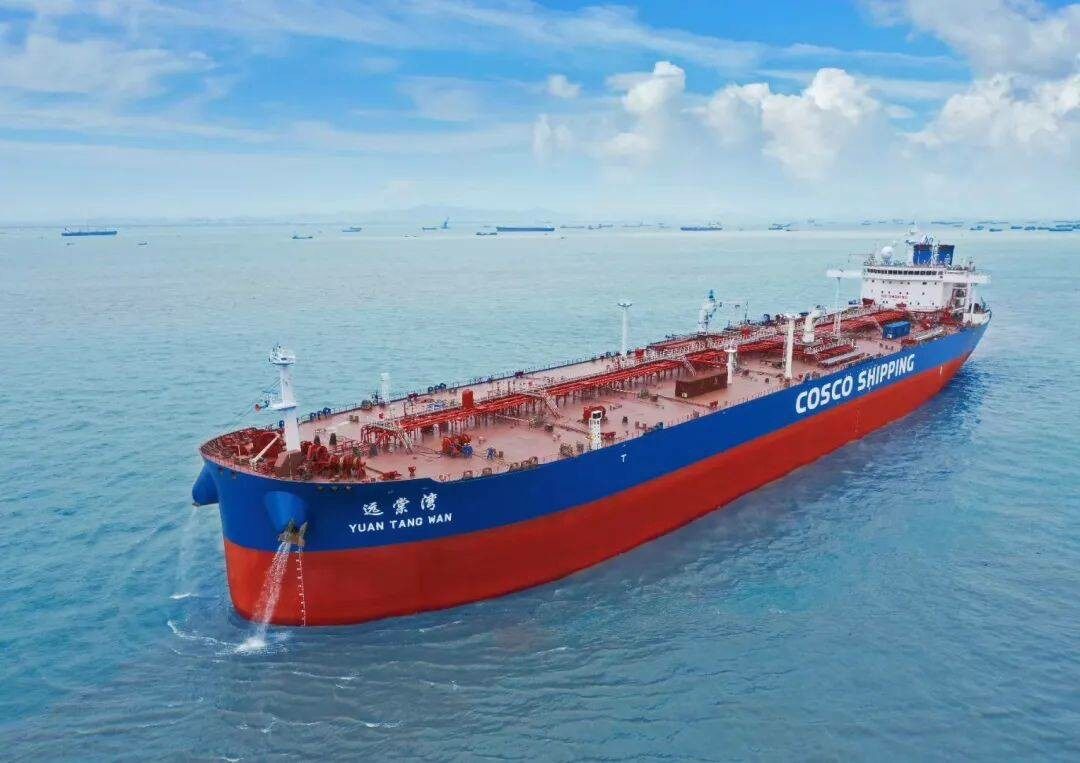
At the same time, the company's other two wholly-owned subsidiaries purchased 9 dry bulk carriers from three shipyards of China Shipbuilding Industry Corporation, with a total order price of 3.871 billion yuan excluding taxes. This transaction does not belong to related party transactions or major asset restructuring. It has been approved by the board of directors and does not require a vote at the shareholders' meeting. Five 87000 ton grain ships were handed over to China Shipbuilding Industry Corporation Chengxi for construction, with a total value of 1.595 billion yuan and a single ship price of 319 million yuan. The first ship will be delivered by the end of September 2029, and the rest will be completed before June 2030; Two 210000 ton bulk carriers will be built by Dalian Shipbuilding Heavy Industry, with reserved space for methanol and ammonia dual fuel conversion, priced at 1.056 billion yuan, and will be delivered in batches from October 2029 to August 2030; Two 210000 ton dry cargo ships were built by Qingdao Beihai Shipbuilding, with a total of 1.22 billion yuan reserved for new fuel retrofit design. They will be delivered from November 2029 to June 2030.
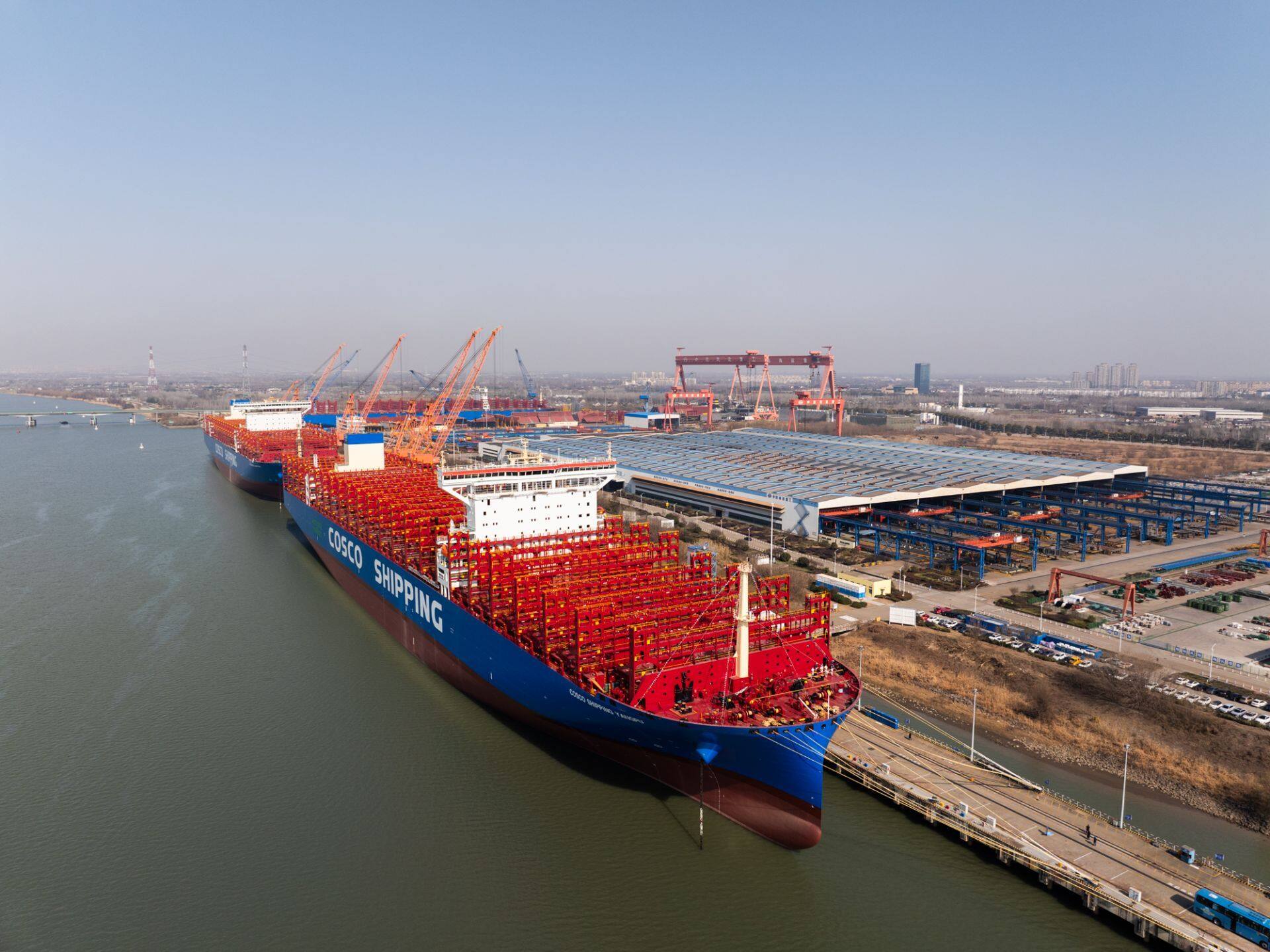
Over the course of twenty years, we have secured stable returns through long-term contracts
The announcement shows that after the completion and delivery of 24 new ships, they will be leased to Huifeng Company, a subsidiary of COSCO Shipping Bulk, for long-term operation, with a single ship lease term of 20 years and a floating range of 4 months. Classification of rental standards for ship types: After the renovation and upgrade of the 87000 ton grain ship, the maximum annual rental limit for a single ship is 38.6061 million yuan; The annual rental limits for two 210000 ton large ships are 59.4024 million yuan and 45.5342 million yuan respectively, both of which are prices excluding tax. At the end of the lease term, the vessel will be disposed of by the lessor, and the lessee does not need to repurchase it. Keywords: COSCO Shipping, Shipping, China Shipbuilding
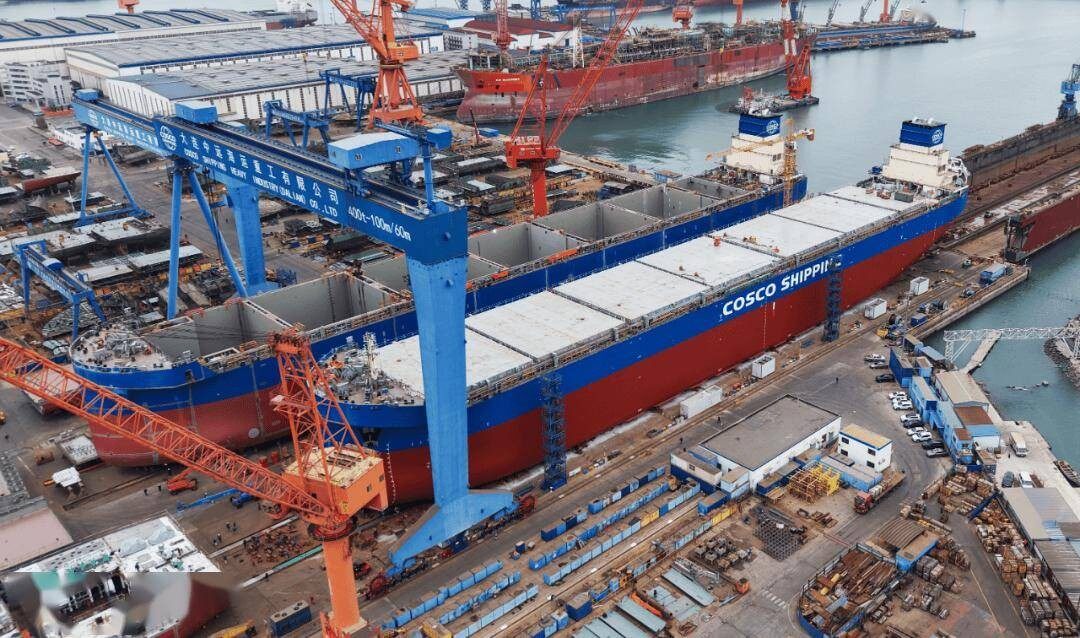
China COSCO Shipping Corporation stated that the company's main business is container production, container management, and ship leasing. This shipbuilding project aims to expand high-quality ship assets, stabilize the leasing sector, continuously create stable revenue and cash flow, and optimize the financial situation. Simultaneously linking the upstream and downstream of shipping to establish RMB settlement scenarios for the entire chain of shipbuilding, leasing, and transportation, expanding the scope of RMB usage in the international shipping industry.Editor/Gong Ziwei
Comment





 Praise
 Collect
 Comment

 Share
Share


Write something~