 Search


- Geopolitical disturbances have a short-term impact on the market, leaving ample room for long-term growth in LNG demand
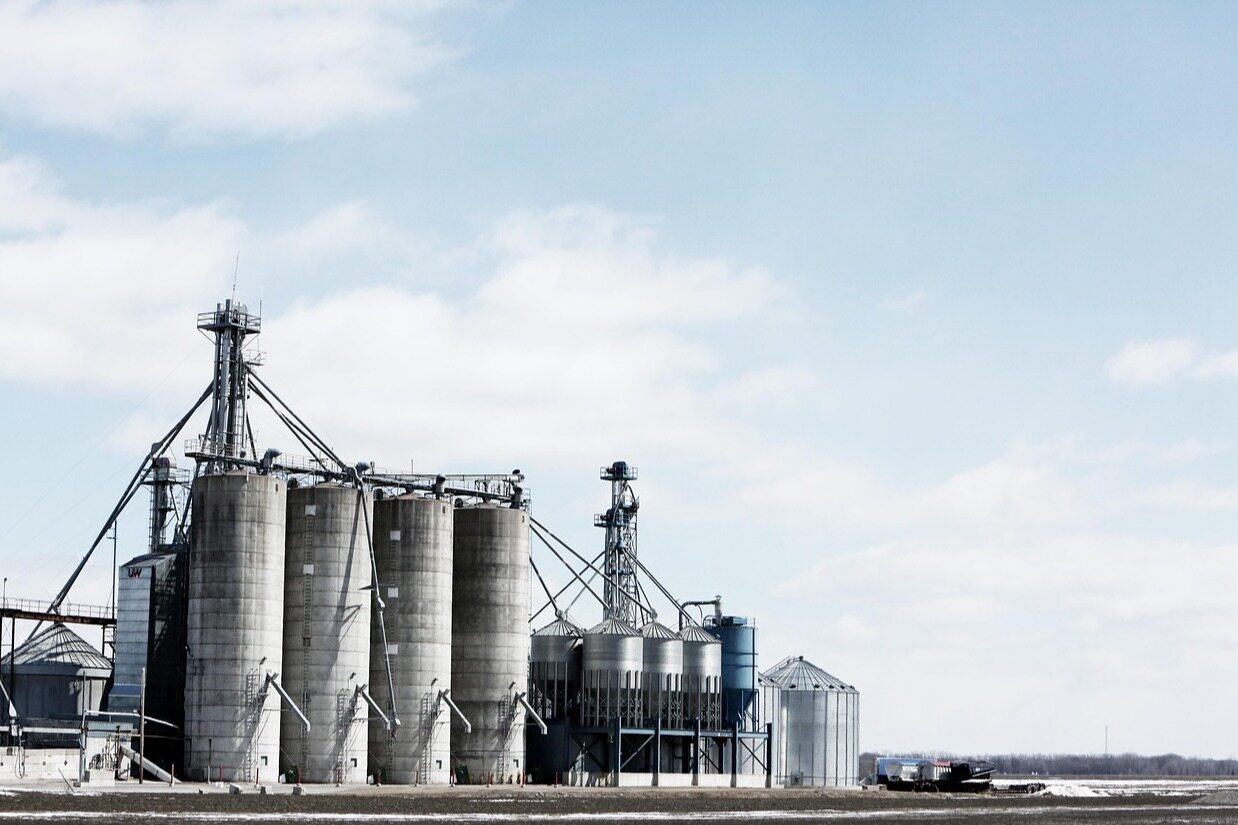
Shell plc releases its 2026 liquefied natural gas outlook report, making long-term predictions on global industry supply and demand. The Middle East conflict has caused disruptions in shipping routes, short-term disruptions to global supply, and pushed up spot prices. However, the addition of new production capacity in North America effectively offsets the supply gap. The report provides a forecast of demand growth until 2050, while pointing out the growth points of demand in different regions of Asia and Europe, indicating the future demand for large-scale industry expansion and supporting infrastructure investment.
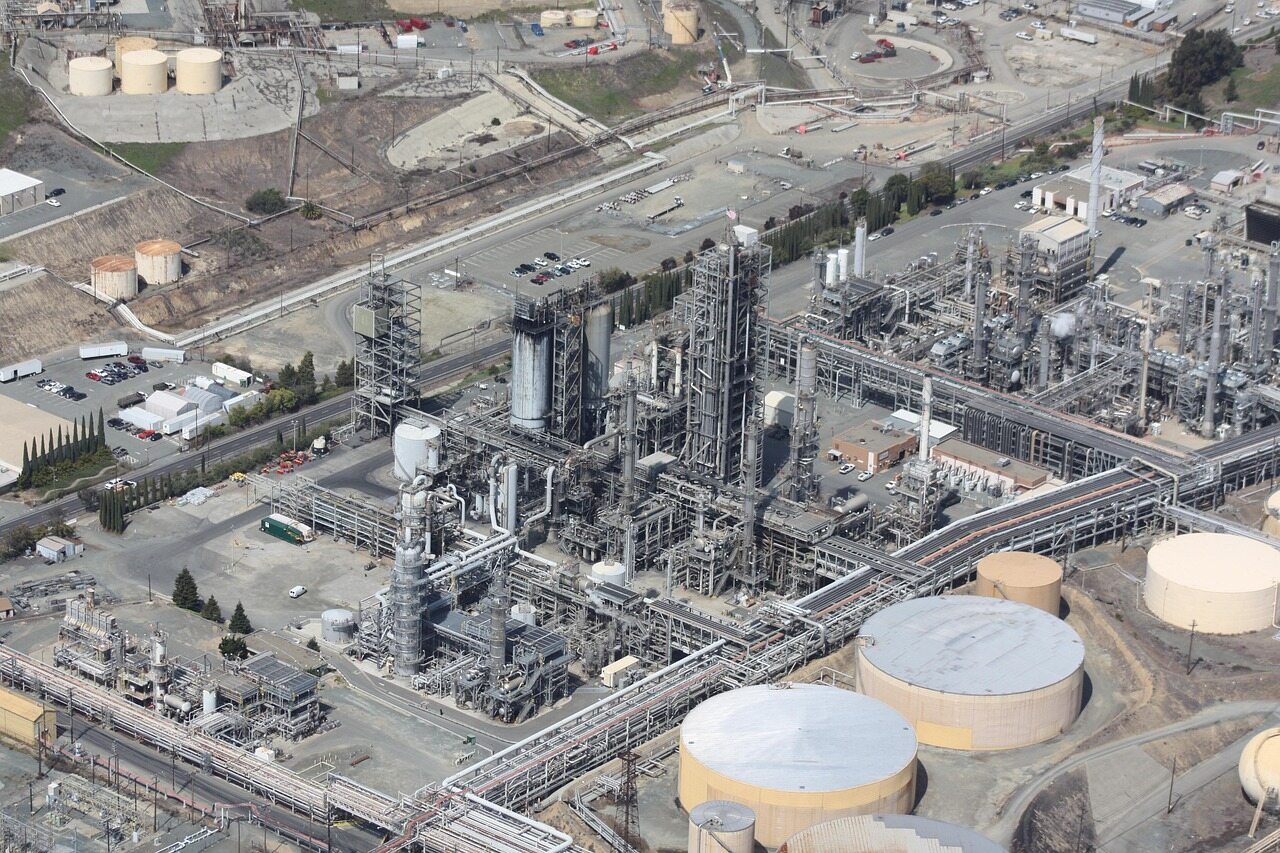
Short term supply and demand are affected by geopolitical factors
By 2025, the global LNG trading volume is 422 million tons, and the Middle East conflict has caused one-fifth of the global supply to be disrupted. The addition of liquefaction capacity in North America alleviates supply tightening pressure. If shipping in the Strait of Hormuz resumes in the summer, trade volume is expected to remain the same as last year in 2026 and return to an upward trend in 2027. Spot prices have surged but are not as high as in 2022, while long-term agreements have stabilized the average market price, significantly enhancing the industry's ability to resist risks.
Long term demand for continuous expansion
The report predicts that global LNG demand will approach 700 million tons by 2050, an increase of 65% compared to 2025. South and Southeast Asia will account for 40% of the import share by then, and the demand for ship refueling will increase sevenfold to 27 million tons by 2035. Europe relies on LNG to fill the domestic gas production gap, while mature Asian market data centers generate new electricity demand, and diverse scenarios drive steady expansion of gas consumption scale.
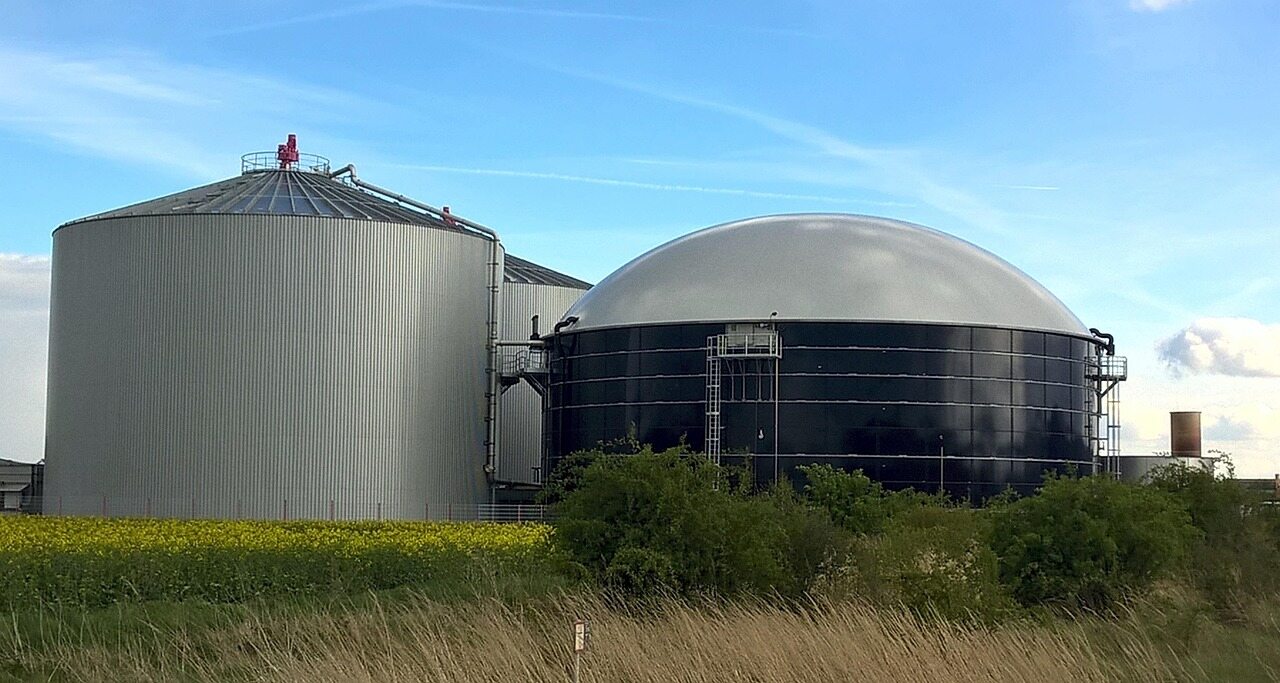
The industry urgently needs to add investment supporting facilities
By 2030, an additional 180 million tons of LNG supply will be added, and the shortage of gasification and pipeline infrastructure in South and Southeast Asia will constrain the digestion of production capacity. From 2030 to 2040, an annual increase of 200 million tons of liquefaction capacity is required, and existing projects under construction are insufficient to match the increase.Keywords: global liquefied natural gas、energy geopolitical supply and demand
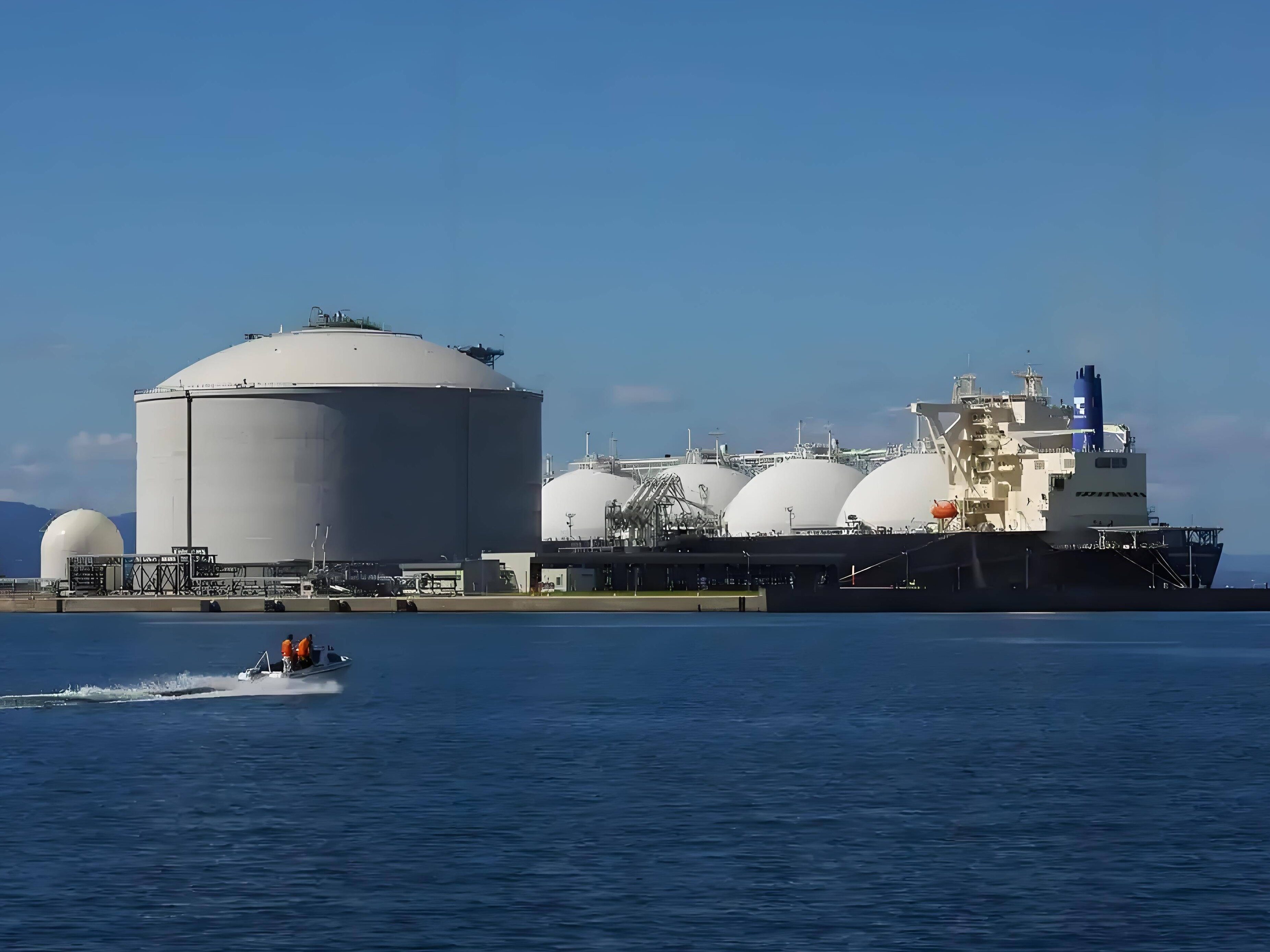
Compared to 2017, global LNG trade, importing countries, and the number of power vessels have all experienced significant increases, with China's imports growing by 250%, indicating a clear market expansion trend.Editor/Min Jing
Comment


 Praise
 Collect
 Comment

 Share
Share


Write something~