 Search


- Kazakhstan announces full private investment in the construction of a 15 hectare cargo transfer terminal at Shahid Rajai Port in Iran
- Simultaneously advancing the backup railway line from Afghanistan to Pakistan's deep-water port
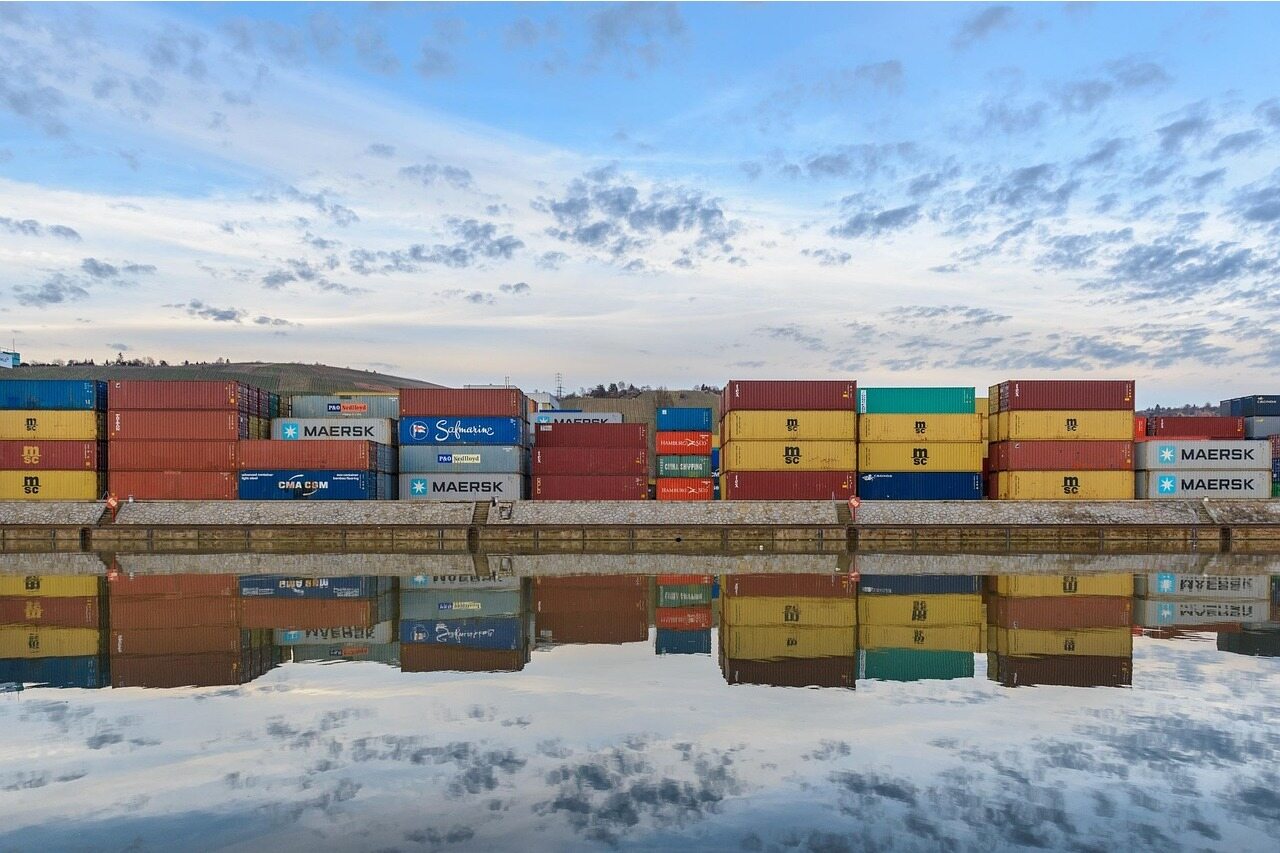
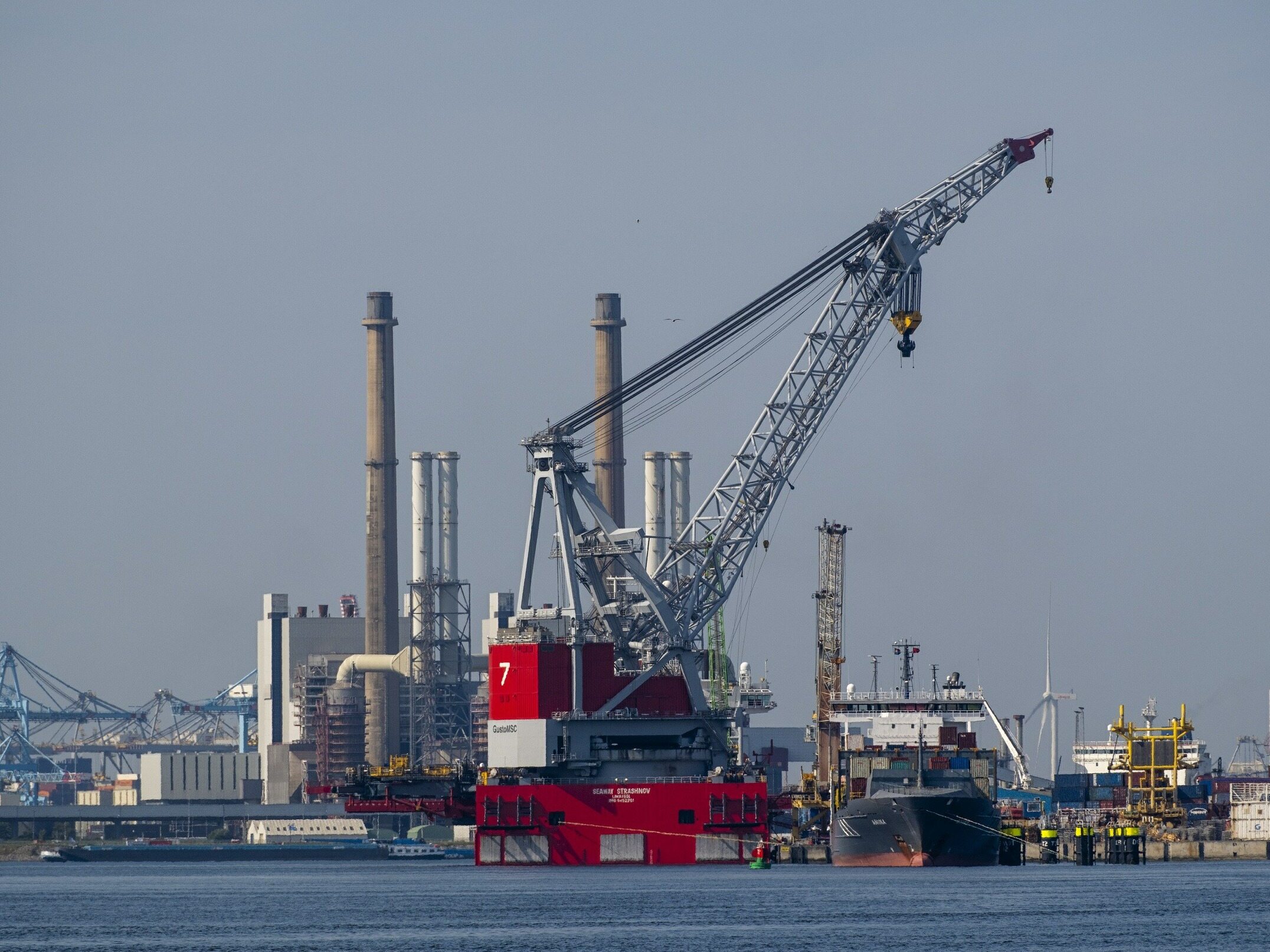
The cargo ship departing from Aktau Port crossed the Caspian Sea, transited through Iran by land via Turkmenistan, and finally anchored at Abbas Port on the north coast of the Persian Gulf - this is the new sea map outlined by Kazakhstan's Deputy Prime Minister and Minister of National Economy, Zhumankhalin, for his own products. The deputy minister recently revealed that the Kazakh side has locked in a 15 hectare plot of land in Shahid Rajai Port, Iran, specifically for the construction of a cargo transfer terminal, which will be fully implemented by private investment. Currently, the leasing conditions have been basically negotiated, and the agreement has entered the final stage of finalization. As early as mid June, Iran announced the completion of negotiations to transfer the dedicated land to Kazakhstan, and officially handed it over after completing the procedures. Iran also expressed its willingness to open up the operating conditions of Chabahar Port to Kazakhstan.
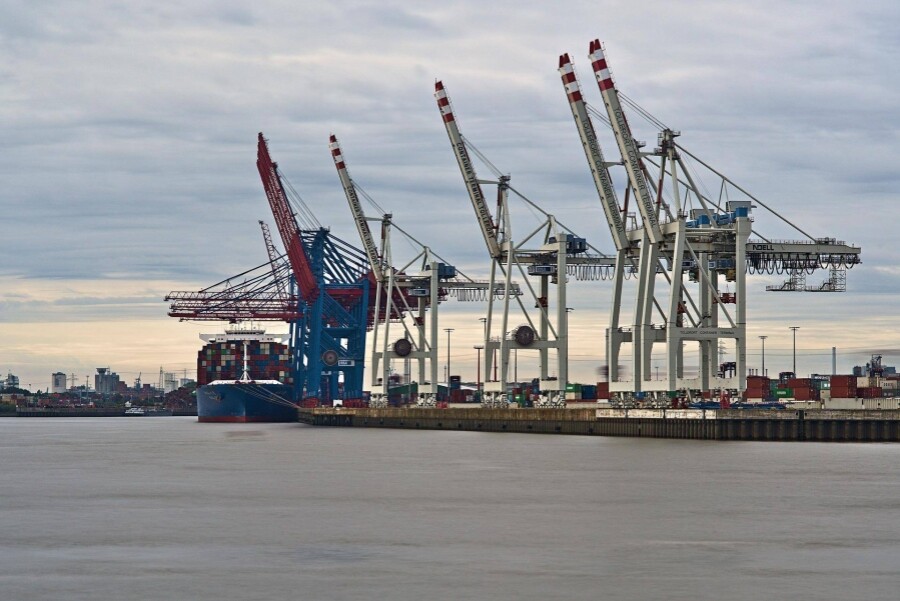
The main road southward to the Indian Ocean
This mainline will transport goods from Kazakhstan from Aktau on the Caspian Sea, pass through Turkmenistan and enter the entire territory of Iran. After arriving at Abbas Port, they will be distributed to India, Southeast Asia, East Africa, and Gulf countries. Zhuman Harin emphasized that Kazakhstan has repeatedly called for the lifting of restrictions on the import and transit of some energy products, metals, transformers and other materials from Iran, in order to ensure the supply to Iran and the transit through its territory to third countries. As an important puzzle of the North South international transportation corridor, this route is expected to allow agricultural and industrial products from landlocked Central Asian countries to directly penetrate the Indian Ocean shipping network, bypassing traditional northern transit dependence.
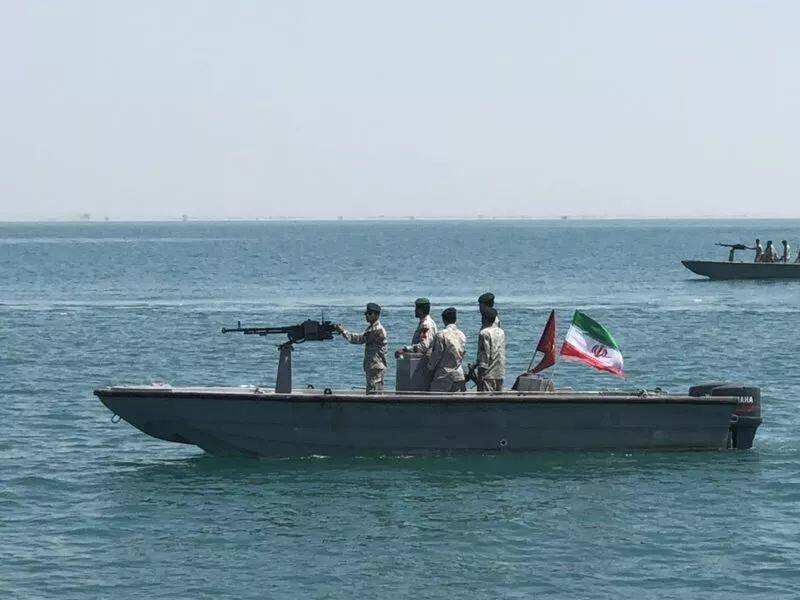
Progress of full private capital and land transfer
The entire transit terminal relies entirely on private capital investment from Kazakhstan and does not involve government funding, which is also in line with the usual practice of Iranian ports in attracting foreign logistics parks. The port and shipping department of Hormuzgan Province in Iran previously estimated that the foreign investment scale of the project is about 25 million US dollars, with a construction period of two years. After being put into operation, the annual transfer capacity can reach 1.5 million tons and there is room for expansion. The lease is proposed to be 27 years, including 25 years of operation. The two countries have also set a goal for bilateral trade volume to reach 3 billion US dollars, with logistics infrastructure being seen as a key lever.
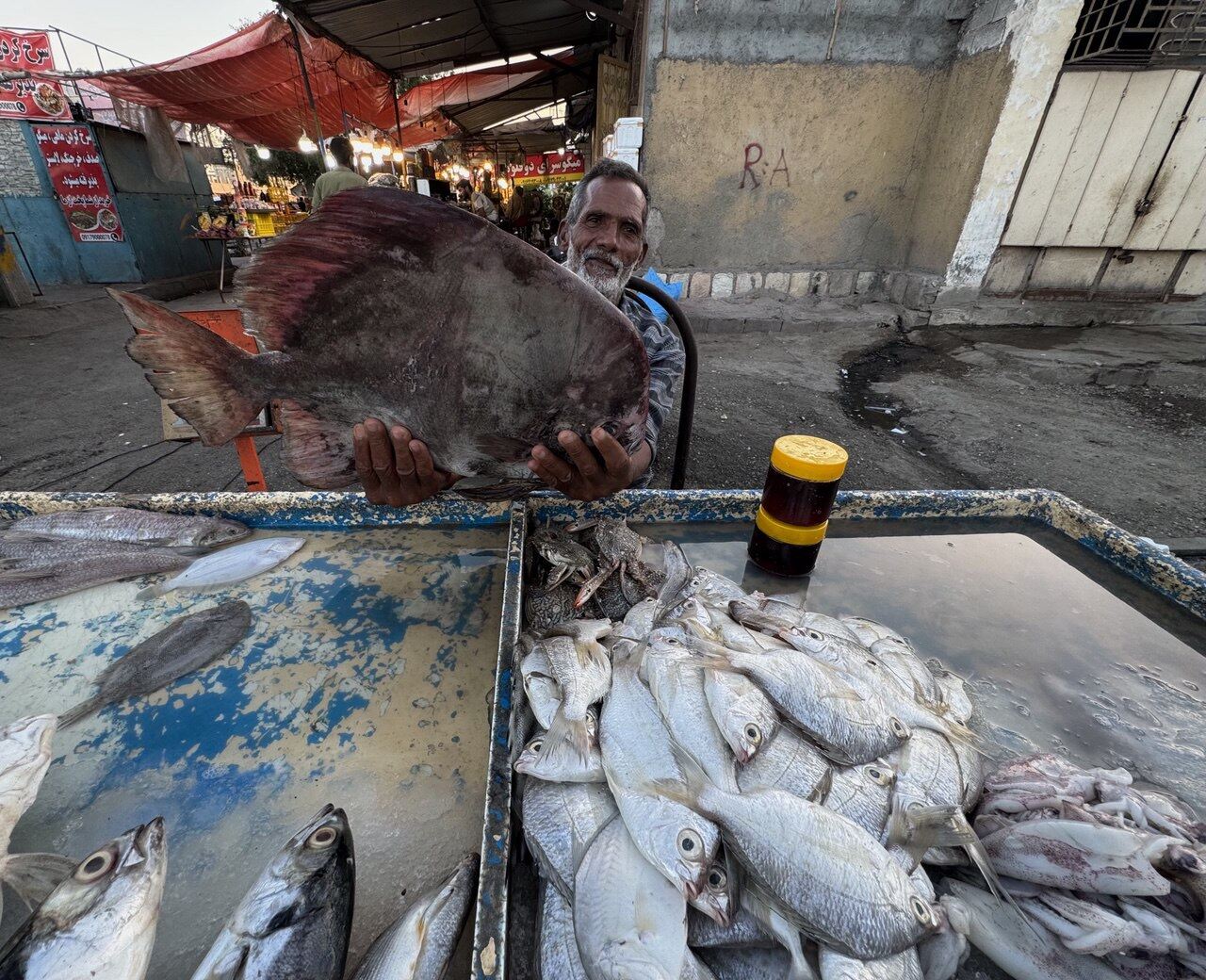
Alternative plan to bypass Hormuz
To hedge against the Middle East situation and the risk of the Strait of Hormuz blockade, Kazakhstan is actively planning alternative routes - building a railway through Afghanistan to Pakistan's deep-water ports (Karachi or Gwadar), which can completely bypass the Strait of Hormuz and has significant strategic value. In 2025, the two countries of Haba have signed a framework agreement for the use of Pakistani ports by the Kazakh side. Although the construction of the entire line has not yet started due to the security situation in Afghanistan, it has been included in the Kazakh transportation upgrade plan worth billions by 2030. Zhumanharin bluntly stated that for Kazakhstan, planning diversified logistics channels is not a multiple-choice question but a mandatory one.keywords:Foreign construction news network
When Central Asian wheat and machinery enter the world through the Persian Gulf, Astana's chessboard is no longer just the grasslands north of the Caspian Sea - the dual track parallel of the north-south corridor and the trans Caspian median line is quietly rewriting the historical fate of landlocked countries without access to the sea.Editor/Yang Meiling
Comment




 Praise
 Collect
 Comment

 Share
Share


Write something~