 Search


- This agreement will significantly increase the share of Mombasa Port in Rwanda's refined oil imports
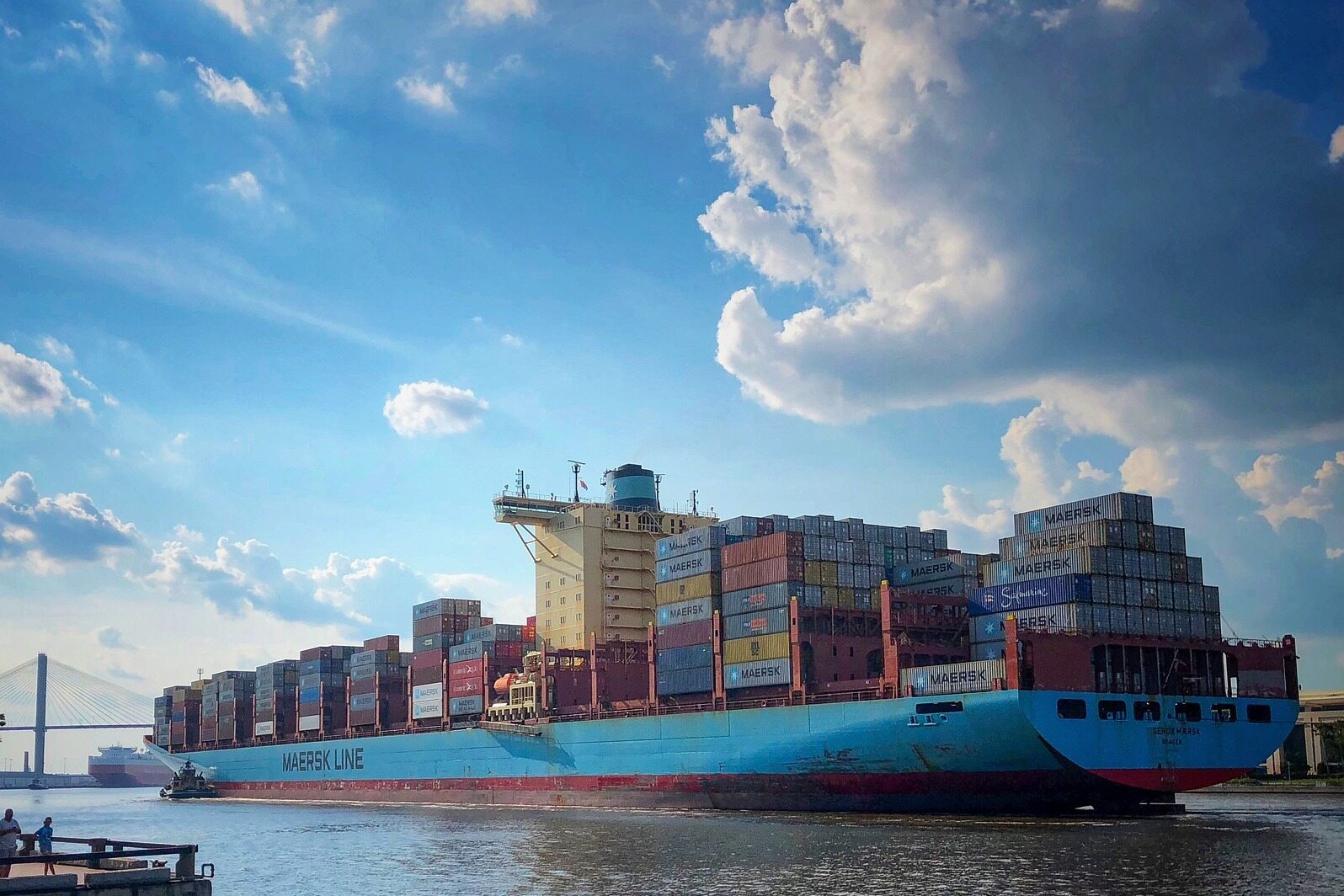
On June 29, 2026, Kenya and Rwanda signed three fuel import agreements in Nairobi, establishing a formal government to government framework for Rwanda to import refined oil products through the port of Mombasa. The first batch of imported goods is scheduled to arrive at Mombasa Port from September 4th to 6th, and will be transported directly to Rwanda by land using the storage and transportation system of Kenya Pipeline Company.
As an inland country with no sea outlet, Rwanda has long relied on two channels, Mombasa in Kenya and Dar es Salaam in Tanzania, for imported refined oil products. This agreement directly tilts more fuel share towards Mombasa, and the original division of fuel transportation in the East African region has begun to show significant adjustments.
G2G framework locks the entire link scheduling
The entire agreement covers three parts: the Basic Cooperation Memorandum, the Tripartite Execution Agreement, and the Transportation and Storage Rules. The executing entities are directly implemented by the Rwanda National Energy Company and the Kenya Pipeline Company. The core demand for Rwanda to promote this adjustment is to enhance the stability of domestic oil supply, reduce port congestion and the risk of supply interruption caused by temporary cargo transfers by private traders, and make the pace of import flow more predictable.
This framework can lock in oil unloading batches, storage capacity, and pipeline transportation schedules in advance, without immediately lowering terminal oil prices, but can significantly smooth out the frequent fluctuations in oil prices that have occurred before. In late June, the local retail price of gasoline in Rwanda was about 2938 Rwandan francs per liter, and diesel was about 2927 Rwandan francs per liter. Fluctuations in oil prices will quickly spread to the entire chain of transportation, logistics, and factory self generation. A stable fuel supply chain can directly reduce the operating costs of the entire society.
The share of Mombasa Passage has significantly increased
The core advantage of Kenya comes from the mature pipeline network that has been built. The total length of the pipeline network operated by Kenya Pipeline Company is about 1342 kilometers, with an annual processing capacity of 14 billion liters. This ready-made infrastructure directly undertakes the newly added fuel transportation volume from Rwanda. According to the preliminary predictions of local media and officials, the amount of fuel transported to Rwanda through the northern corridor of Mombasa will rapidly increase from 42000 to 50000 cubic meters per year to over 500000 cubic meters.

The Dar es Salaam Port in Tanzania will not completely withdraw from the Rwandan market and will continue to be retained as a backup channel, serving the import of some ordinary goods and supplementary fuel. Rwanda's fuel import system will shift from a single main channel to a dual channel configuration, and Mombasa's bargaining power in the East African fuel corridor will significantly increase. Keywords: fuel import, refined oil import
After the increase in volume of this link, new demands will be released in areas such as oil depot expansion, hazardous chemical tanker scheduling, and oil and gas security equipment along the route from Mombasa to Rwanda. Chinese enterprises targeting the East African market can use the arrival of the first ship in September as an observation node to follow up on new orders for cross-border logistics and warehousing support.Editor/Cheng Liting
Comment



 Praise
 Collect
 Comment

 Share
Share


Write something~