 Search


- Guinea develops gold processing and delves into the economic added value of mineral resources
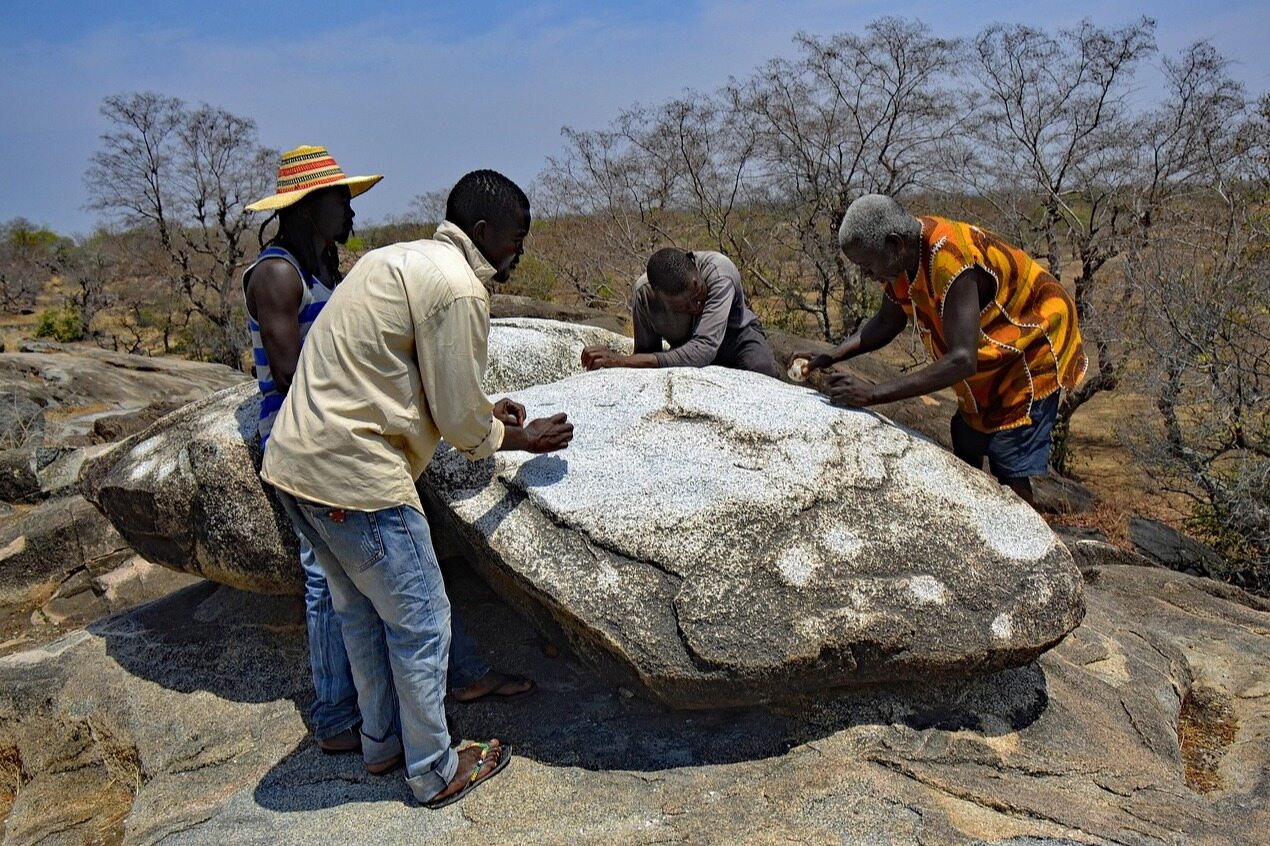
Against the backdrop of the sustained rise in international gold prices, Guinea has introduced a new policy for the gold industry, relying on local refining industries to tap into mineral added value, changing the backward mode of exporting raw gold, and driving the synchronous layout of processing industries in multiple West African countries. The competition in the regional gold market has ushered in a new change. Guinea, which has long relied on the export of gold ore, is actively changing its industrial development path. In the past, the region produced a large amount of gold annually, but only a small portion remained for local processing, resulting in a continuous outflow of huge industrial profits.
During the window of rising gold prices, the local government has introduced tough industry regulations, supported the construction of large refining factories, and implemented a series of supportive policies to promote the full domestic landing of gold throughout the entire processing chain, attempting to grasp the discourse power of the regional gold industry through the complete processing chain.
Industrial chain reconstruction
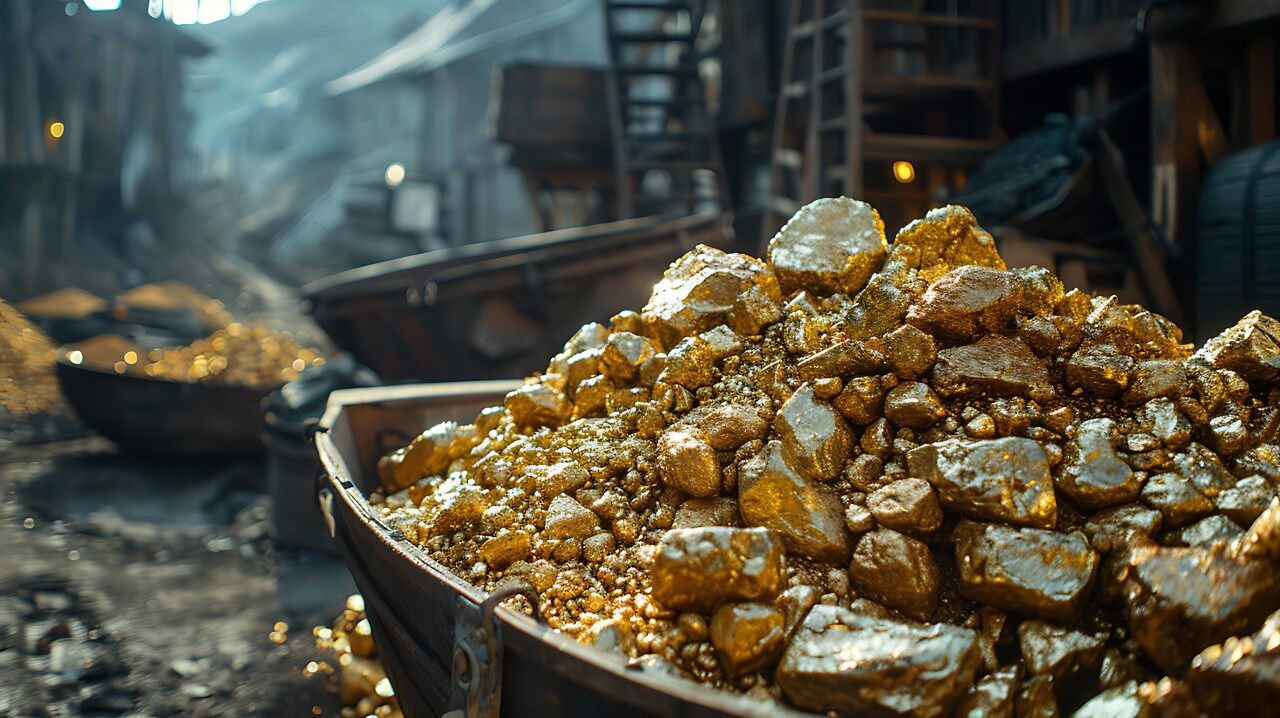
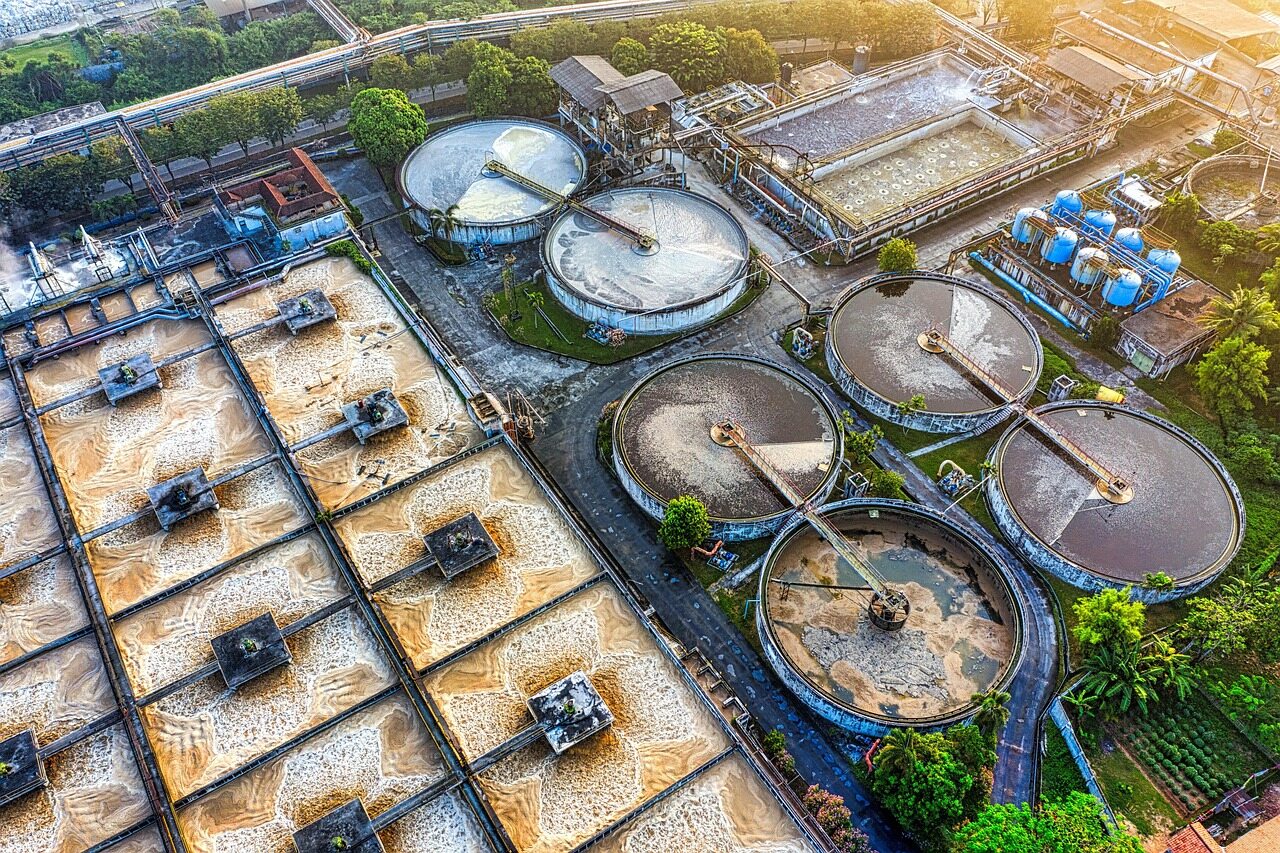
Guinea's President Dubuya has issued a ban on the export of raw gold, requiring all domestically produced gold to be processed domestically. A high standard refinery with a construction cost of 30 million US dollars was built locally, with an initial annual processing capacity of 530 metric tons and a maximum production capacity of 733 metric tons. It is planned to start commercial operation in July. The local plan is to establish a standardized management and traceability system for handmade gold mines by 2026, and to improve downstream industrial support through the public-private partnership model. Last year, the country's gold production was 2.32 million ounces, with an output value of nearly 7 billion US dollars. Local processing accounted for less than 1%, and the problem of industrial value-added loss was prominent.
Intensifying regional competition
West Africa is a core gold producing region in Africa, with an estimated total regional gold production of 11 million ounces by 2025. Along with the high price of gold, gold producing countries such as Ghana, Mali, and Burkina Faso have been building local refining facilities. Most of the gold raw materials in West Africa are sold to the Middle East, making it difficult to retain profits locally. Following the example of the United Arab Emirates, relying on the refining industry to increase income has become a unified direction for industrial upgrading among countries in the region, and competition in the processing track continues to heat up.
New Policies Reshape the Market
The local industrial gold market is controlled by three leading mining companies, AngloGold, Ashanti, and Nordgold. After the implementation of the new policy, all gold produced by foreign mining companies will be processed by the local refining system, completely stopping the export of raw gold to the outside world.Keywords: Guinea gold、West African mineral industry
Guinea draws on the experience of localized management of bauxite, relies on policy control and industrial support to build a West African gold refining hub, improves the complete chain of refining certification trade, breaks away from single resource export dependence, and consolidates its core advantages in the West African mineral economy.Editor/Min Jing
Comment

 Praise
 Collect
 Comment

 Share
Share


Write something~